While Buffy the Vampire Slayer is widely canonized as a foundational cornerstone of modern television, its gritty, morally complex sibling series, Angel, frequently outpaces it in terms of mature storytelling, thematic ambition, and narrative evolution. Premiering in 1999 on The WB network during the height of the supernatural teen drama boom, Angel initially positioned itself as a supernatural detective procedural anchored by David Boreanaz’s brooding, soul-stricken vampire.
Over the course of its critically acclaimed, five-season run, however, the series transcended its foundational premise. It evolved into a scathing neo-noir critique of corruption, systemic evil, and redemption. Eschewing the high school metaphor of its predecessor for the sprawling, cynical concrete jungle of Los Angeles, Angel offered a mature exploration of what happens when the heroes grow up, compromise their ideals, and are forced to fight an unwinnable war against bureaucratic evil.
For modern audiences looking to revisit or discover this landmark achievement in fantasy television, the complete five-season run is now streaming for free on Tubi. This accessibility offers a timely opportunity to reexamine how a series that could have easily coasted on the coattails of Buffy’s massive popularity instead forged a distinct, darker identity that still resonates decades later.
Detailed Chronology: The Evolution of Angel Through Five Seasons
Season 1: Finding Its Footing in the Shadows of Neo-Noir
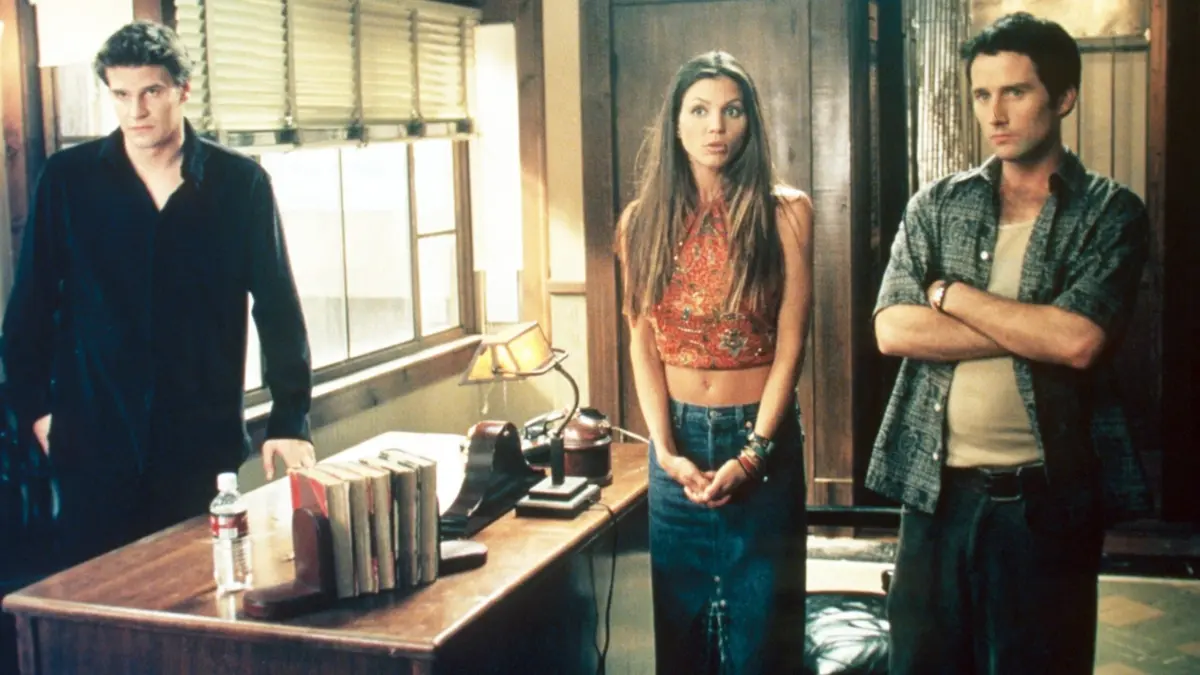
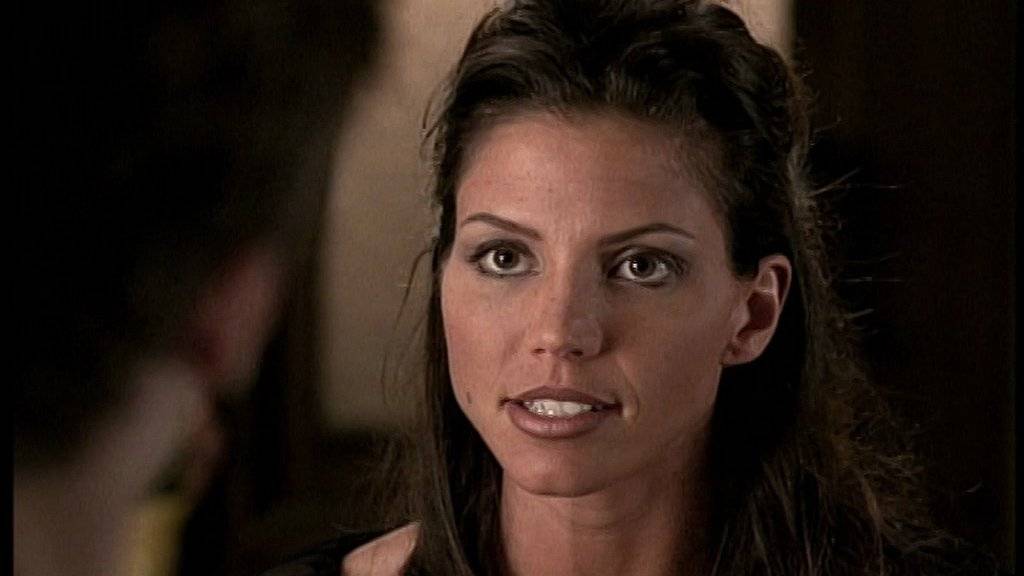
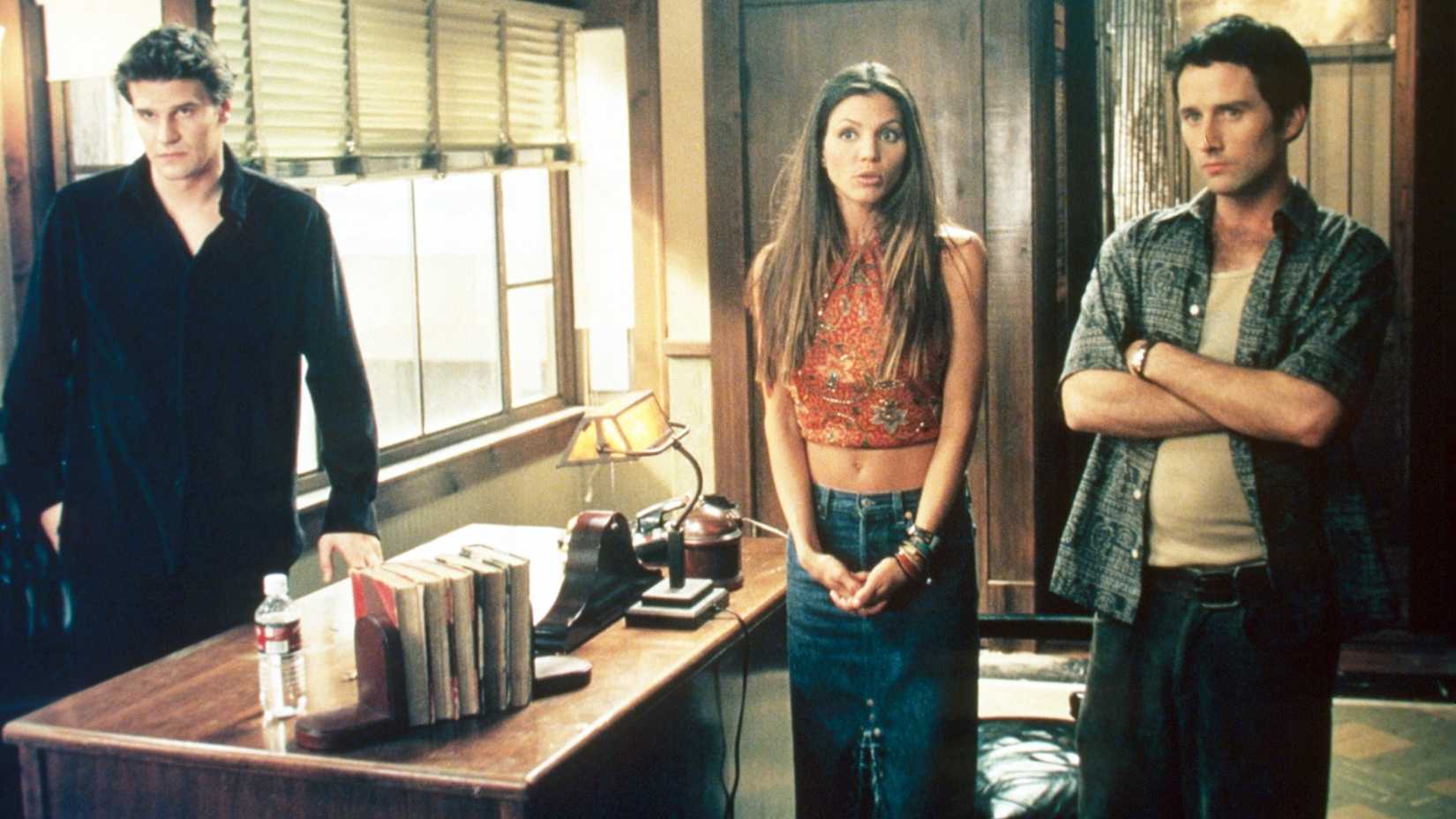
When Angel debuted in the fall of 1999 alongside Buffy’s fourth season, showrunners Joss Whedon and David Greenwalt faced the immense challenge of extracting a supporting character from an established universe and building an independent narrative around him. The early episodes leaned heavily into a formulaic monster-of-the-week procedural format. Angel operated out of a rundown Los Angeles office, flanked by Doyle (Glenn Quinn), a half-demon blessed (and cursed) with prophetic visions of humans in peril, and Cordelia Chase (Charisma Carpenter), who traded her shallow, high-school-mean-girl aspirations in Sunnydale for the brutal reality of scraping by as an aspiring actress in Hollywood.
The show underwent a vital tonal and emotional shift midway through its freshman run with the tragic, heroic death of Doyle, whose final act was to pass his prophetic visions on to Cordelia via a painful psychic transfer. Doyle’s departure made room for Wesley Wyndam-Pryce (Alexis Denisof), a character pulled straight from Buffy. Initially introduced on the flagship series as a pompous, inept, and self-righteous Watcher, Wesley began his tenure on Angel as a comedic punching bag—a faux "rogue demon hunter" attempting to compensate for past failures. However, this casting choice catalyzed one of the most remarkable character arcs in television history, transforming Wesley into a hardened, tragic crusader willing to cross any moral line in the pursuit of justice.
Seasons 2 and 3: Ensemble Synergy and Family Discord
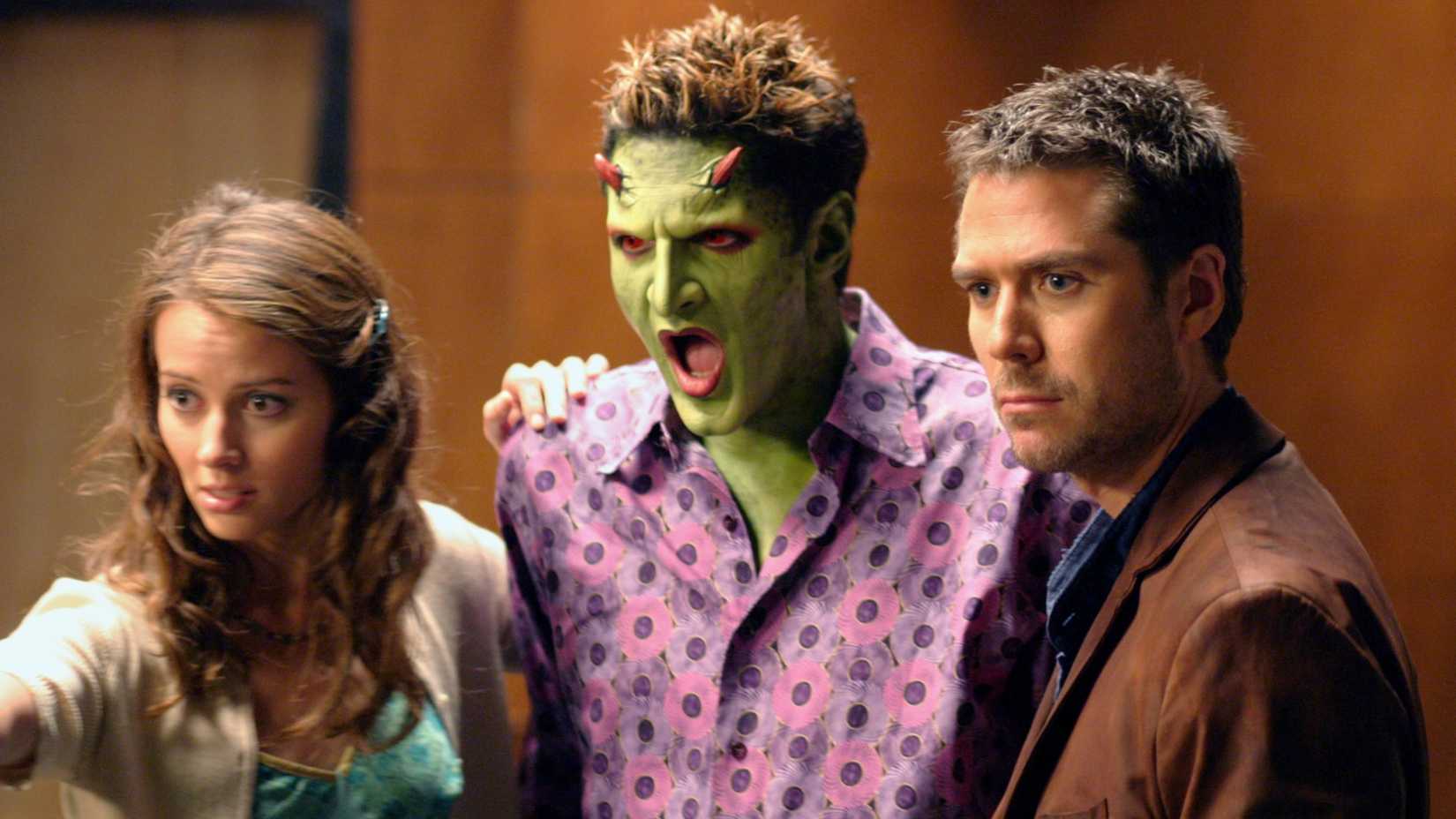
By Season 2, the series locked into its definitive ensemble dynamic with the introduction of Charles Gunn (J. August Richards), a street-smart human fighter leading a crew of teenagers protecting their inner-city neighborhood from vampires. The canvas expanded further with the additions of Lorne (Andy Hallett), a pacifist, empathic demon who ran a supernatural karaoke bar called Caritas, and Winifred "Fred" Burkle (Amy Acker), a brilliant physics prodigy who spent years trapped in a nightmarish alternate dimension. The clashing personalities, socioeconomic backgrounds, and skill sets of this ragtag group birthed rich interpersonal dynamics, balancing witty banter with heartbreaking existential dread.
However, the narrative hit a major creative and off-screen stumbling block in Season 3 with the introduction of Connor (Vincent Kartheiser), Angel’s biological human son who was whisked away to a hell dimension as an infant, raised by Angel’s vengeful enemy Daniel Holtz, and returned as a deeply troubled, brainwashed teenager. Connor’s convoluted arc culminated in a deeply controversial storyline involving an amnesiac Cordelia, resulting in a forced romance and pregnancy that sidelined Carpenter’s character into a permanent coma.
Decades later, this plot point remains heavily scrutinized, particularly in light of Charisma Carpenter’s public allegations regarding toxic behavior and institutional retaliation from series creator Joss Whedon during her pregnancy. While the narrative payoff introduced the complex entity Jasmine (Gina Torres), the execution alienated a significant portion of the fanbase and remains a cautionary tale regarding behind-the-scenes power dynamics in Hollywood.
Season 4: The Apocalypse and the Ultimate Devil’s Bargain
Season 4 threw the entire series into chaos, structured around an apocalyptic narrative arc featuring a massive beast, the birth of the false goddess Jasmine, and the psychological unraveling of the core team. Yet, the season’s true brilliance lay in its exploration of its primary recurring antagonist: Wolfram & Hart.
For four seasons, this ancient, demonic law firm served as the corporate face of evil, representing corrupt human legal structures backed by supernatural entities. They manipulated events from the shadows, pushing Angel and his allies to their absolute breaking point. However, in the explosive Season 4 finale, Wolfram & Hart offered Angel something unprecedented: control of their Los Angeles branch. Recognizing that traditional methods were failing to stem the tide of darkness, Angel accepted the devil’s bargain, setting the stage for a radical thematic pivot in the final season.
Season 5: Corruption, Redemption, and a Flawless Finale
Season 5 stands as a masterclass in serialized television. By taking over Wolfram & Hart, Angel and his team were suddenly granted unlimited resources, legal immunity, and cutting-edge technology—yet they were forced to work inside the very belly of the beast they had spent years fighting. This corrupting environment tested every character’s core principles.
Notably, the season tackled the theme of human inadequacy through Charles Gunn. Offered a neurological upgrade by the firm to become an expert lawyer overnight, Gunn grappled with the terrifying realization that his competence was artificial, leading to devastating personal and professional consequences.
The final season also welcomed James Marsters’ Spike, fresh off the conclusion of Buffy, whose prickly dynamic with Angel provided endless comedic relief while furthering his own rich redemption arc. Culminating in "Not Fade Away"—widely regarded as one of the greatest series finales in television history—Angel ended not with a tidy victory, but with an intentional, defiant commitment to the ongoing fight against insurmountable odds. The screen cuts to black mid-battle, reinforcing the series’ central thesis: the fight itself is what matters, regardless of the outcome.
Supporting Context & Metrics: The Cultural Footprint of Angel
Metric / Category
Details
Original Network
The WB Television Network
Broadcast Run
October 5, 1999 – May 25, 2004 (5 Seasons, 110 Episodes)
Creators
Joss Whedon & David Greenwalt
Primary Cast
David Boreanaz, Charisma Carpenter, Alexis Denisof, J. August Richards, Amy Acker, Andy Hallett, James Marsters
Current Streaming Home
Tubi (Free, ad-supported tier)
Critical Acclaim
Multiple Saturn Award nominations and wins; praised for its mature evolution past its parent series.
The longevity of Angel in contemporary pop culture is underscored by its seamless transition into free streaming ecosystems like Tubi. While platforms frequently shuffle prestige dramas behind expensive paywalls, making a 110-episode, high-concept dark fantasy freely accessible democratizes access to cult-classic television.
Furthermore, critical retrospectives consistently place episodes like "A Hole in the World" (Season 5) alongside the finest dramatic achievements of the early 2000s golden age of television. The show’s willingness to subvert audience expectations—killing off major characters, refusing clean moral resolutions, and embracing dark, existential themes—distinguished it from contemporary network sci-fi and fantasy offerings.
Official Statements and Retrospective Insights
Reflecting on the unique journey of the series years after its abrupt cancellation by The WB in 2004, the cast and crew have frequently spoken about the distinctive creative freedom they experienced during the final season.
David Boreanaz, reflecting on the transition from Buffy to leading his own series, noted in retrospective interviews the weight of carrying a show centered on moral ambiguity:
"Angel wasn’t a hero in the traditional sense; he was a monster trying desperately to earn a soul that he never truly deserved. Playing that dichotomy for five years in a city as cynical as Los Angeles changed how I viewed serialized storytelling. We weren’t trying to save the cheerleaders; we were trying to save the soul of a corrupt world, knowing we’d probably fail tomorrow anyway."
Alexis Denisof, whose character Wesley underwent the most dramatic transformation in television history, commented on the collaborative nature of the writers’ room:
"The writers took incredible risks with us. They looked at the pompous fool I played on Buffy and asked, ‘What if he loses everything, gets his throat cut, loses the woman he loves, and has to become a monster to fight monsters?’ Tubi viewers discovering this today are going to see a masterclass in long-form character degradation and redemption."
Future Outlook: The Enduring Legacy of the Buffyverse
As the broader pop-culture landscape continues to lean heavily into reboots, revivals, and nostalgia-driven content, the Buffy universe remains a frequent topic of conversation regarding potential modern continuations. While rumors of reboots or sequels surface periodically across industry trades, the original 110 episodes of Angel stand complete as a self-contained narrative arc that requires no modern intervention to justify its brilliance.
The series’ arrival on free ad-supported streaming platforms like Tubi ensures that a new generation of viewers—unburdened by the weekly appointment-viewing habits of 1999—can binge the transformation of a neo-noir vampire detective story into a profound meditation on institutional corruption, friendship, and the refusal to surrender to despair. For anyone who appreciated the wit of Buffy but craved a darker, sharper, and more emotionally devastating exploration of the supernatural underworld, Angel remains an essential, timeless watch.