Executive Overview
In an ongoing effort to bridge global communication gaps and deliver a more deeply localized user experience, Apple has officially updated its comprehensive iOS and iPadOS 27 Feature Availability support page. The latest update confirms the integration of more than 30 new languages and regional language variants across a robust suite of core operating system capabilities. These updates are designed to empower millions of new users worldwide, expanding accessibility, predictive intelligence, and natural language processing.
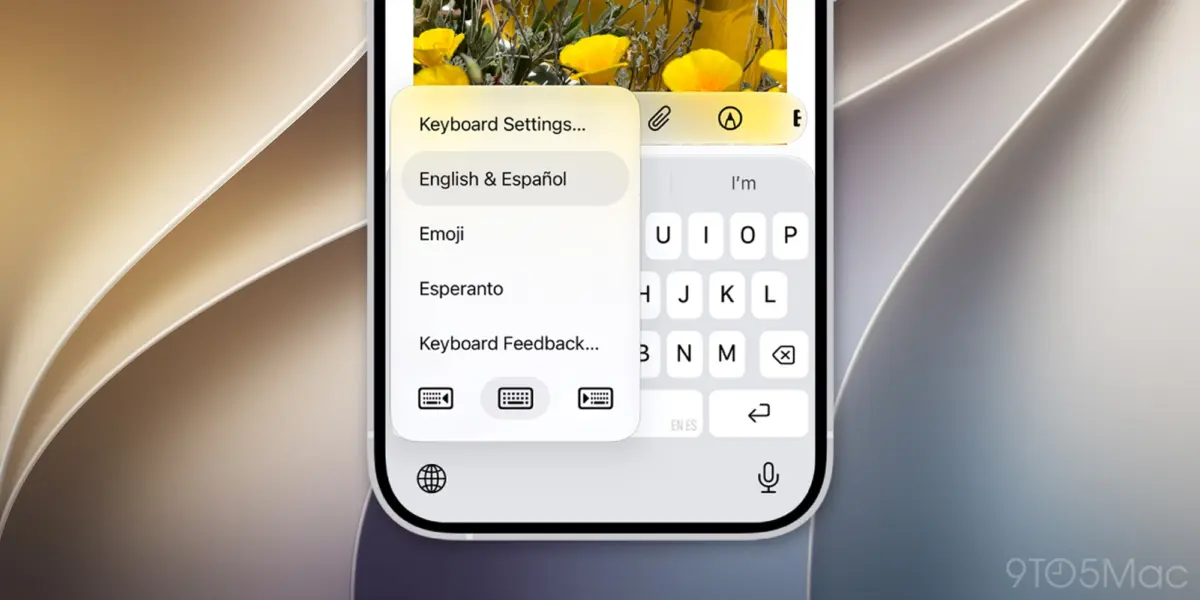
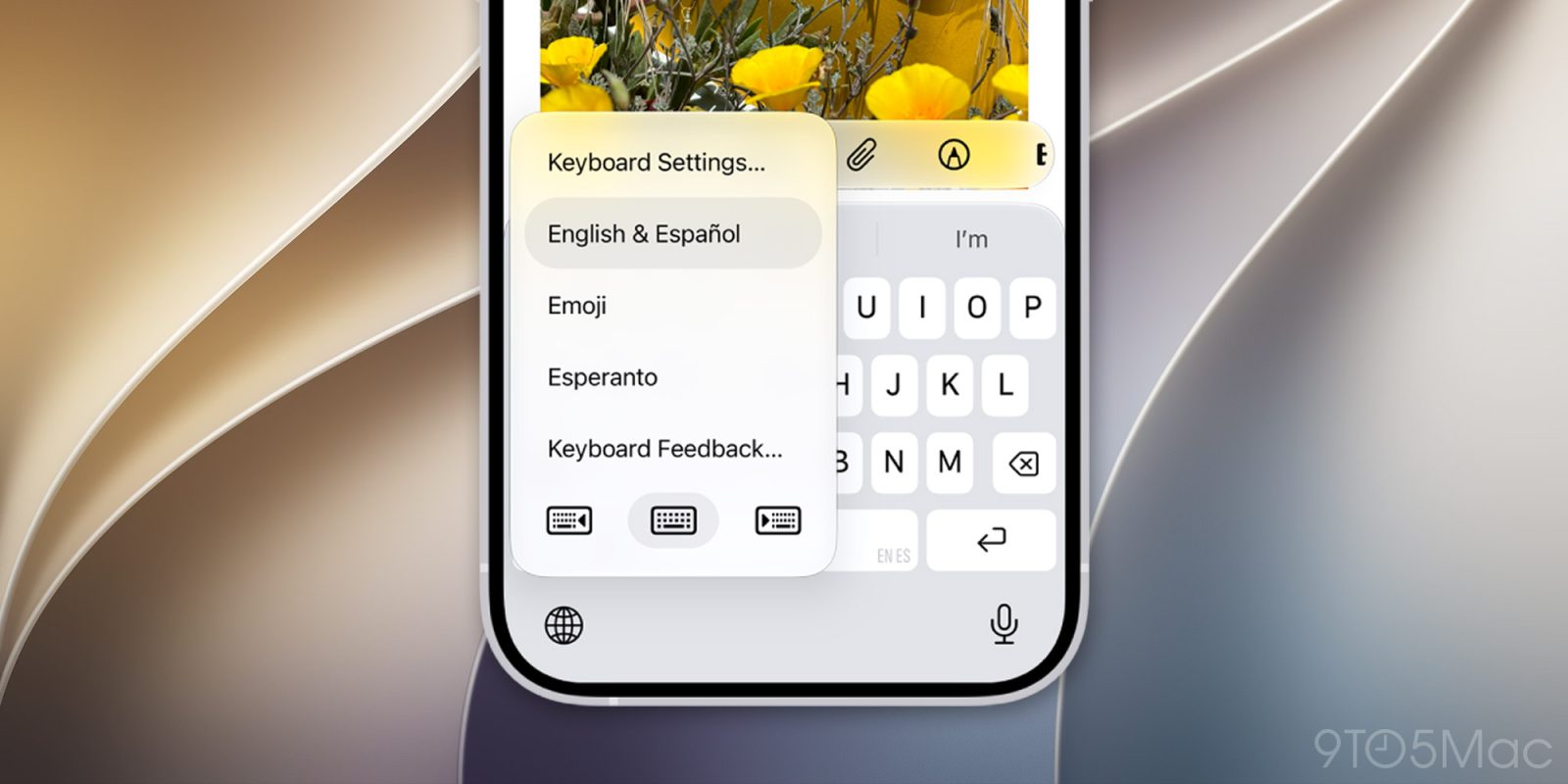
The newly added localization support spans across several of Apple’s most frequently used productivity and accessibility features, including Dictionary Definitions, Thesaurus entries, QuickType Keyboard enhancements (covering autocorrection, predictive typing, multilingual typing, and QuickPath), Siri wake-word functionality ("Activate with Siri"), and the highly visual AI-driven Visual Look Up tool.
Apple’s detailed feature availability documentation tracks language and territory support across nearly 200 distinct iOS and iPadOS features—ranging from low-level Accessibility toggles and Apple Pencil deep-integration features to time-management tools like Calendar and system-wide search engines like Spotlight Suggestions. By systematically widening the linguistic footprint of iOS and iPadOS 27, Apple is reinforcing its commitment to global markets, ensuring that native speakers and regional dialects enjoy the same fluid, high-performance interactions as primary-market users.
Detailed Chronology
The roll-out of language expansion is rarely a singular event; rather, it represents the culmination of intense engineering, computational linguistic training, and rigorous regional testing. While Apple’s software engineering teams laid the foundational architecture for iOS and iPadOS 27 months prior during preliminary developer betas, the official administrative confirmation on the Feature Availability page marks the formal commercial realization of these localized capabilities.
The Phased Integration Timeline
- Beta Testing Phases: Throughout the early summer build cycles of iOS and iPadOS 27, developers and public beta testers noted incremental patches containing localized dictionary definitions and regional keyboard dictionaries. However, these additions lacked formal documentation.
- Gold Master & Public Release: Upon the initial commercial deployment of iOS and iPadOS 27 to compatible iPhone and iPad models, users in select territories began experiencing localized keyboard predictions and expanded Siri trigger phrases.
- Official Documentation Update: Today’s update to the Apple Feature Availability portal formalizes these additions, codifying precisely which languages receive support across specific software sub-features such as Inline Predictions, Multilingual Typing, and Visual Look Up.
This chronology underscores Apple’s methodical approach to software deployment: engineering code arrives first via system updates, followed closely by cloud-side model calibrations, and finally, official transparency through comprehensive support documentation updates.
Supporting Context & Metrics: The Scale of Global Localization
To truly appreciate the scope of Apple’s latest update, one must examine the sheer logistical and technical challenge of localizing a modern operating system. iOS and iPadOS 27 are not merely static translation projects; they are dynamic, AI-assisted ecosystems where predictive text learns user habits, thesauruses cross-reference millions of semantic relationships, and computer vision models identify flora, fauna, art, and landmarks in real-time.
Breakdown of Affected Ecosystem Pillars
- Dictionary (Definition & Thesaurus): Expanding dictionary support requires partnering with trusted linguistic publishers and lexicographers to ensure accurate, culturally nuanced definitions and synonyms.
- QuickType Keyboard Architecture: The QuickType keyboard is a marvel of on-device machine learning. It must adapt to unique grammar rules, character sets, and predictive workflows for each newly added language variant without heavily impacting device battery life or processing latency.
- Inline Predictions and Autocorrection: By bringing predictive intelligence to new linguistic groups, Apple minimizes typing friction, enabling faster text entry across messaging, email, and web browsing apps.
- Siri Wake-Word Optimization ("Activate with Siri"): Acoustic models must be trained on thousands of native speaker voice samples to accurately detect wake phrases amidst ambient background noise, accounting for regional accents and colloquial pronunciation shifts.
- Visual Look Up: This feature relies heavily on on-device neural engines to parse images, identify objects, and cross-reference them with vast informational databases. Adding linguistic support allows users to query identified items in their native tongues.
The Strategic Value of Linguistic Inclusion
With nearly 200 features tracked on Apple’s availability matrix, localizing software for emerging and under-represented linguistic groups serves a dual purpose. Commercially, it opens doors to untapped regional markets where localized smartphone performance is a primary purchasing differentiator. Culturally and socially, it democratizes technology, ensuring that linguistic diversity is met with technological parity.
Official Statements and Industry Impact
While direct executive commentary regarding minor web portal updates is rare, Apple’s overarching philosophy regarding language and accessibility has long been anchored in the principle that technology should be universally approachable.

Industry analysts have noted that Apple’s deliberate, steady pace of language expansion positions its hardware ecosystems—the iPhone and the iPad—as deeply trusted companions in multicultural and multilingual households. Features like Multilingual Typing shine particularly brightly in regions where code-switching (alternating between two or more languages in a single conversation) is a daily norm. By expanding these capabilities to over 30 new languages and variants, Apple directly addresses the realities of modern, interconnected global communication.
Furthermore, privacy advocates and tech analysts continue to praise Apple’s commitment to processing a vast majority of these language models and machine learning tasks locally on the device’s Neural Engine rather than routing sensitive queries through remote cloud servers. This local processing ensures that predictive text, voice activations, and visual lookups remain fast, secure, and private.
Future Outlook: What Lies Ahead for iOS and iPadOS Localization?
As we look toward future iterations of Apple’s mobile operating systems—and anticipate subsequent point releases for iOS and iPadOS 27—the trajectory of software localization points toward even deeper integration of generative artificial intelligence and conversational machine learning.
Anticipated Developments
- Generative AI and Writing Tools: As Apple continues to roll out advanced writing tools, summarization features, and conversational Siri capabilities across its ecosystem, the demand for underlying linguistic data will skyrocket. The languages added today to basic dictionaries and keyboards will likely serve as the foundational training data for more advanced generative features in future software cycles.
- Broader Regional Dialect Support: While standard national languages receive initial priority, nuanced regional dialects and minority languages remain areas for substantial future growth. Apple’s ongoing updates suggest a clear willingness to continue populating its feature matrices as linguistic models mature.
- Unified Cross-Device Continuity: Ensuring that language support remains uniform across iOS, iPadOS, macOS, and watchOS will be critical as users increasingly transition between devices within the Apple ecosystem during daily workflows.
Conclusion
Apple’s latest update to the iOS and iPadOS 27 Feature Availability page is far more than a routine administrative database correction. It represents a tangible expansion of digital inclusion, granting millions of users worldwide enhanced access to predictive typing, intelligent dictionaries, voice-activated assistants, and advanced visual search tools in their native languages and regional variants. As technology grows increasingly personal, Apple’s commitment to speaking the world’s languages ensures that its devices remain indispensable tools for a truly global audience.

For complete, up-to-date lists of supported languages across every individual feature, users and developers are encouraged to consult the official Apple iOS and iPadOS 27 Feature Availability portal.