By Ford James | Published September 27, 2026
Executive Overview
The video game landscape of 2026 has offered players no shortage of white-knuckle, cortisol-spiking encounters. From fleeing a hulking, grotesque monster as Grace Ashcroft in Resident Evil Requiem, to trading heavy blows with Damien Webb within the claustrophobic sewers of 007 First Light, to feeling your virtual fingers slip from the final, desperate handhold of a sheer cliff face in Cairn, adrenaline has been in no short supply.
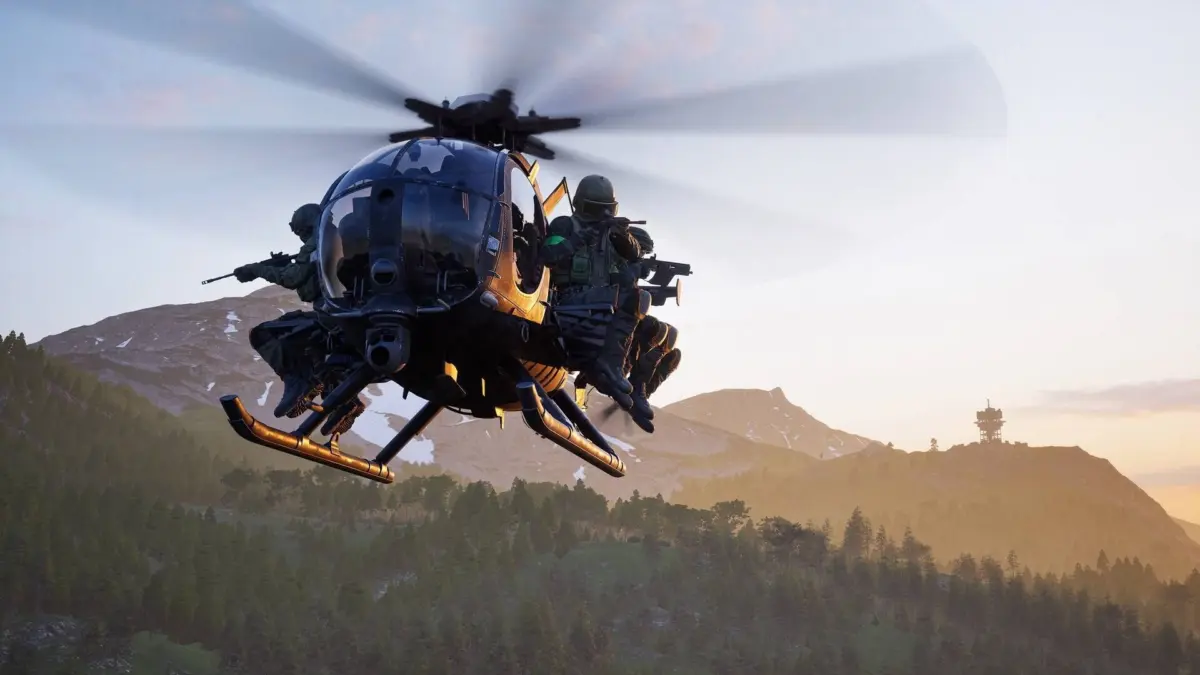
Yet, none of these carefully scripted, cinematic sequences compare to the agonizing, unscripted pressure of simply attempting to fly and land a transport helicopter in Bulkhead and Team17’s tactical shooter, Wardogs.
While conventional wisdom—and decades of first-person shooter conditioning—suggests that piloting a chopper is little more than an arcade-style taxi service to the front lines, Wardogs upends that assumption entirely. Engineered from the rotors up by a genuine aeronautical expert, the game’s flight model transforms routine transportation into high-stakes cooperative logistics. In a title where economic consequences, squad trust, and match outcomes hang in the balance, the pilot’s seat is arguably the most demanding and perilous role in modern multiplayer gaming.
Detailed Chronology: From First Flight Fright to Firing Range Practice
When Wardogs first entered public playtests and its subsequent preview phases earlier in 2026, the community quickly realized that the game was operating on a completely different frequency than standard military shooters.
Veterans of titles like Grand Theft Auto V, the Battlefield series, and the Just Cause franchise entered the cockpit of Wardogs with supreme confidence. After all, if you can thread an Apache helicopter under a bridge in Los Santos or pull off a rooftop stunt in Battlefield, how difficult could it be to transport a squad across an open map?
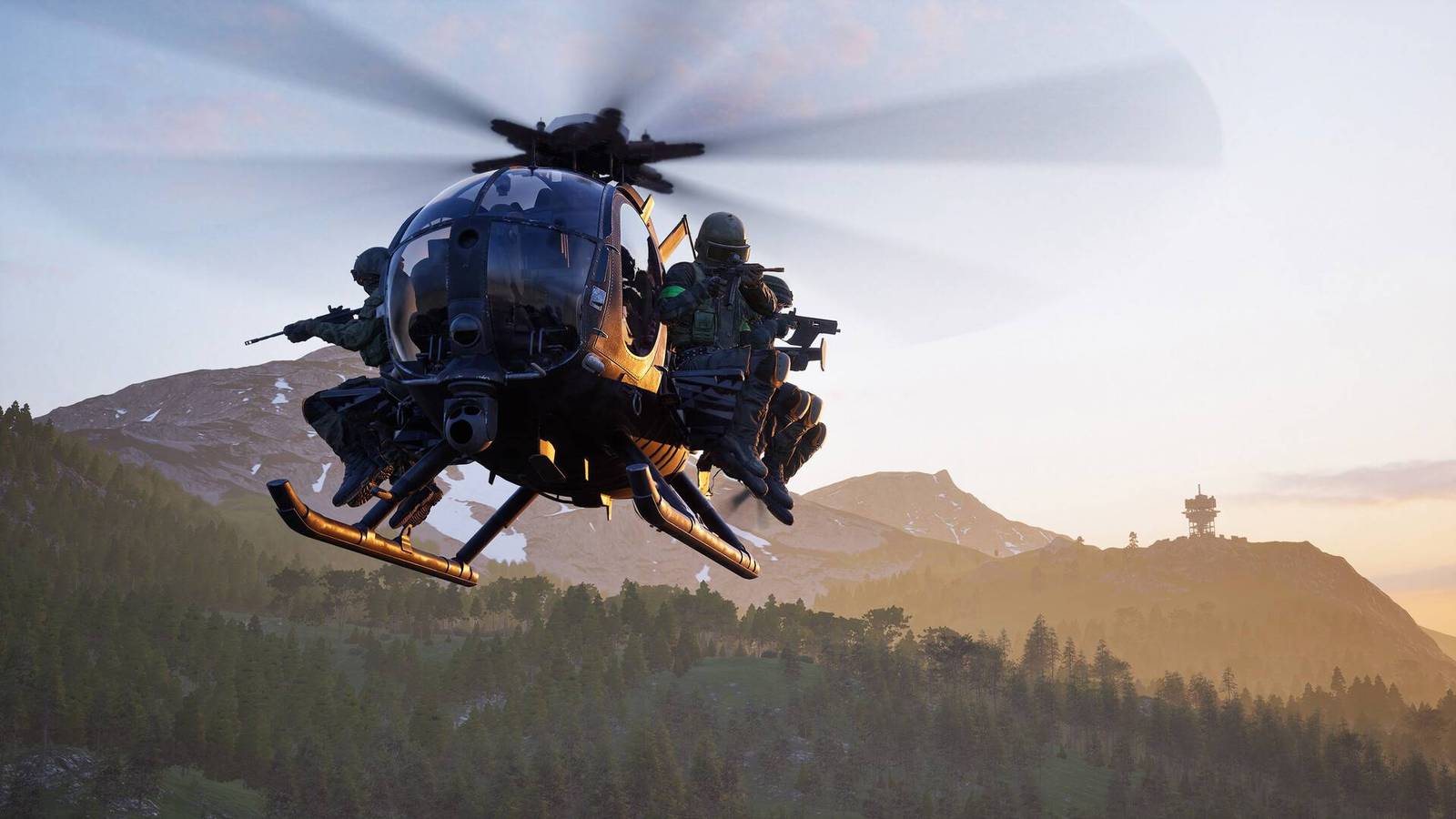
The reality check was swift and brutal.
The Initial Ascent
In the early hours of hands-on time, mere liftoff was a lesson in humility. Players accustomed to the snappy, forgiving, point-and-click flight mechanics of mainstream arcade shooters found themselves fighting violently against inertia, torque, and wind drift. The helicopter in Wardogs possessed a palpable, terrifying weight; it did not pivot on a dime, nor did it forgive overcorrections.
The Landing Nightmare
While keeping the aircraft airborne quickly became manageable through cautious throttle control, the true crucible of the role emerged during the descent. Coming to a rapid, safe, and controlled stop while ensuring that squadmates could safely disembark without falling into rotor blades or crashing into uneven terrain proved to be an entirely different beast. Early playtests were littered with catastrophic crash sites—testament to pilots misjudging descent rates by mere meters.
Mastering the Sandbox
To survive, the community had to adapt. Pilots retreated to the game’s firing ranges, spending hours drilling vertical takeoffs, autorotation techniques, and rapid tactical drops. What began as a chaotic trial-and-error phase gradually evolved into a disciplined regimen, prompting comprehensive tactical guides to help greenhorn pilots get their squads to the control zones in one piece.
Supporting Context & Metrics: The Cost of Failure
What elevates the piloting experience in Wardogs from a frustrating learning curve to an exercise in sheer psychological terror is the game’s uncompromising economy and persistence system.
+-----------------------------------------------------------------+
                      THE HIGH COST OF A CRASH
+-----------------------------------------------------------------+
  Vehicle Purchase Cost ....... $6,250
  Passenger Squad Kits ........ Tens of thousands of credits
  Squad Trust Rating .......... Completely Shattered
  Alternative Job ............. Driving ground vehicles with tail
                                between legs
+-----------------------------------------------------------------+
The Financial Toll
In Wardogs, air mobility is not a free spawn; it is a heavy capital investment. A standard transport helicopter carries a hefty price tag of $6,250. For a team struggling to manage its economy, losing a bird to enemy anti-air fire, pilot error, or a botched landing is a devastating financial blow.

The Human Toll
Worse still is the human cost. When a pilot misjudges a landing zone and augers into the terrain, they take an entire squad of fully geared teammates down with them. Unless a medic or a surviving teammate manages to mount a miraculous rescue—a rarity when crashes happen deep in contested territory—the high-tier loadouts, specialized kits, and hard-earned gear of all passengers are instantly wiped out.
The collective economic loss easily climbs into the tens of thousands of credits. In a game built around squad interdependence, a single catastrophic flight failure permanently fractures team morale. Following a fiery crash, nobody is handing the keys back to the responsible pilot; they are relegated to riding in the passenger seat of someone else’s chopper, nursing a bruised ego and watching the horizon with profound anxiety.
Official Statements: The Engineering Behind the Cockpit
To understand why Wardogs feels so radically different from its contemporaries, one must look at Bulkhead’s design philosophy. During an exclusive interview at Gamescom 2026, Kane Allard, Senior Producer at Bulkhead, shed light on the meticulous methodology used to craft the game’s vehicle roster.
"A big part of the game is vehicles, and we wanted them to feel as realistic and authentic as possible," Allard explained.
"The way we achieved that was by bringing in an aeronautical engineer to design the base layer of our helicopters, just to make them feel realistic and give them weight and make them feel fun. And it gives them that skill level where you can learn and become a better pilot."
This revelation validates the steep learning curve experienced by players worldwide. By bypassing traditional arcade physics in favor of a model grounded in real-world aeronautics, Bulkhead successfully created a high-skill ceiling role. Just as real helicopter pilots undergo rigorous training to master collective pitch, cyclic control, and anti-torque pedals, Wardogs pilots must genuinely master their craft.

While some community members—such as prominent aviation content creators like Instagram’s designatedpilot—have turned piloting into a high-art performance of precision and grace, the average player finds themselves locked in a white-knuckle survival test every time they lift off the tarmac.
Future Outlook: The Evolution of Transport Warfare in Wardogs
As Wardogs matures through its post-launch lifecycle, the role of the helicopter pilot is poised to remain a defining element of the game’s meta.
The Community Divide
A distinct cultural divide has formed within the player base. On one side are the dedicated aviation specialists—players who embrace the aeronautical depth, treat flight paths with tactical reverence, and derive immense satisfaction from threading through hostile fire to drop reinforcements directly onto objective points. On the other side are pragmatic infantrymen who, after experiencing the crushing anxiety of a $6,250 mistake, vow to permanently keep their boots on the ground, preferring the predictable safety of land vehicles over the terrifying abyss of the sky.
What Lies Ahead
Looking forward, Bulkhead’s commitment to authentic, physics-driven vehicle combat sets a high benchmark for tactical shooters. As future updates introduce new maps, dynamic weather systems, and expanded countermeasure mechanics, the demands placed upon pilots will only intensify.
For those willing to endure the stress, master the aeronautical intricacies, and bear the immense weight of squad survival, flying in Wardogs offers an unmatched sense of accomplishment. But for everyone else? It remains the ultimate test of nerves—one best watched safely from the passenger seat.