Executive Overview
In the modern digital landscape, digital marketers and founders are confronting an uncomfortable truth: the era of the isolated viral video is losing its commercial power. While chasing high-view counts and momentary algorithmic spikes can flood a dashboard with vanity metrics, it rarely translates to a predictable pipeline of loyal customers. Views do not equate to value; attention without affinity is fleeting.
Enter the strategic shift toward episodic video content.
According to insights co-created by digital strategist Daryn Strauss and industry expert Michael Stelzner, businesses must pivot away from random acts of content creation and toward structured, binge-worthy video series. Backed by industry frameworks like Google’s 7-11-4 rule—which dictates that a consumer requires 7 hours of content, across 11 touchpoints, spanning 4 different platforms before making a purchase—modern creators are discovering that long-term audience relationships are the true engines of conversion.
Major digital platforms are aggressively rearchitecting their infrastructures to support this shift. From YouTube’s introduction of serialized "show" playlists to Instagram’s "Signature Series" and TikTok’s dedicated narrative apps, the digital ecosystem is signaling a clear mandate: episodic content is no longer just for Hollywood; it is the fundamental blueprint for modern business growth. This in-depth report explores the mechanics of building a high-impact video series, unpacking the 4H Formula, the psychology of the "Story Vault," and the Golden Series Formula to transform casual scrollers into lifelong brand advocates.
Detailed Chronology: The Evolution from Viral Hits to Episodic Loyalty
To understand why video series are dominating contemporary marketing strategy, we must examine how digital content consumption has evolved over the past decade.
Phase 1: The Wild West of Reach (2010–2018)
In the early days of social video, discoverability was king. Algorithms rewarded sheer volume, eye-catching thumbnails, and rapid hooks designed to capture fleeting attention spans. Brands and creators poured resources into standalone hits, optimizing purely for impressions and click-through rates. However, this transactional approach left a massive blind spot: once the video ended, the viewer vanished. No emotional bridge was built, and the pathway to a commercial transaction remained dark.
Phase 2: The AI Saturation and the Human Deficit (2019–2023)
As generative AI and advanced automation flooded digital platforms with infinite, generic content, factual information became commoditized. Audiences grew fatigued by polished, superficial messaging. Creators realized that facts alone were no longer a competitive advantage. Instead, viewers began gravitating toward human perspective, vulnerability, and narrative continuity. The realization took hold: if anyone can generate an answer via AI, why should they buy from you? The answer lay in personal connection and trust.
Phase 3: The Platform Pivot to "Shows" (2024–Present)
Recognizing that user retention correlates directly with episodic viewing habits, tech giants overhauled their user interfaces. YouTube rolled out its specialized "show" feature, allowing partner channels to stack episodes automatically—mimicking the binge-friendly architecture of Netflix. Concurrently, Instagram and TikTok optimized their platforms for repeatable, recognizable serial formats. Today, the digital infrastructure explicitly rewards creators who build serialized, narrative-driven content ecosystems.
Supporting Context & Metrics: Decoding the Consumer Journey
Why does a video series outperform a standalone viral post? The mechanics lie in human psychology and established consumer data frameworks.
The Power of the 7-11-4 Rule
Google’s foundational consumer research highlights the friction inherent in modern buying decisions. The 7-11-4 rule dictates that before a prospect transitions into a paying customer, they typically need:
- 7 hours of content consumption.
- 11 distinct touchpoints with the brand or creator.
- Engagement spanning 4 different platforms.
A single viral video—even one that racks up millions of views—can rarely satisfy these deep-seated thresholds on its own. Viewers rarely scour a creator’s historical archive based on a single piece of viral entertainment. A video series, however, creates an organic, frictionless loop. When a viewer finishes Episode 1 and immediately rolls into Episode 2, the hours accumulate, the touchpoints multiply, and trust solidifies.

The Personal Brand Advantage
For founders, consultants, and personal brands, series content acts as a force multiplier. Audiences inherently buy people, not corporate positioning statements. By stepping in front of the camera consistently through an episodic format, creators allow their audience to witness their evolution, their problem-solving methodology, and their authentic voice. This sustained exposure short-circuits traditional sales skepticism.
Official Strategies & Frameworks: Structuring for Success
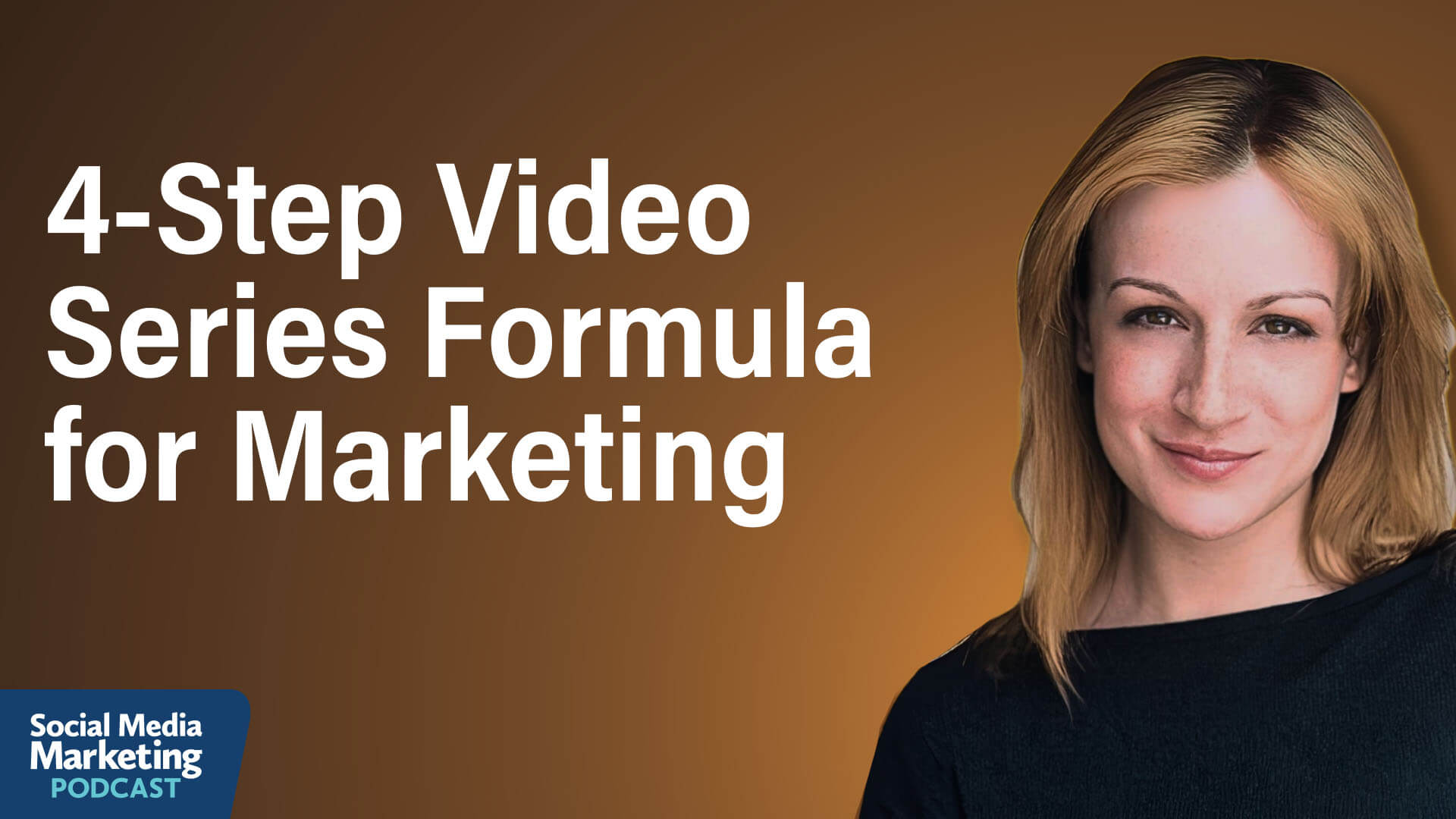
Building a high-converting video series requires moving away from ad-hoc production and embracing rigorous structural frameworks. Industry leaders rely on two primary methodologies: the 4H Formula for individual video construction and the Golden Series Formula for macro-level storytelling.
1. The 4H Formula for Individual Videos
Daryn Strauss’s 4H Formula provides a reliable narrative arc for educational and authority-building video content, ensuring every episode moves the viewer seamlessly from curiosity to action.
- Hook: The episode must immediately establish the problem and make a definitive promise to the viewer. Borrowing from masterclass television procedurals like Law & Order, effective hooks drop the viewer directly into the conflict rather than wasting time with lengthy self-introductions or credentials.
- Heart: Trust is built in this phase via a "bite-sized backstory." Viewers do not yet possess the emotional stamina for a full autobiography; they simply need to know why the creator is qualified to address this topic. The narrative arc is straightforward: Before, I faced this situation; then, a catalyst shifted my paradigm; now, I help others achieve specific results. For creators lacking traditional credentials, "learning in public" or demonstrating authority through deep research ("I spent the last 15 days analyzing 1,000 videos to find this answer") serves the exact same trust-building function.
- Help: This is the core delivery mechanism of the video—the actionable framework, insight, or tactical instruction promised in the hook.
- Hero: The video must close by positioning the viewer as the ultimate hero of their own journey. The creator operates purely as a guide. The call to action should feel like a natural, logical next step in the viewer’s progression rather than a forced commercial pitch.
2. The Golden Series Formula: Macro-Storytelling
While individual episodes need structure, a successful series requires a cohesive macro-architecture. The Golden Series Formula relies on four immutable pillars:
- Character (Creator Archetypes): Every great series needs a compelling protagonist. Creators can lean into distinct archetypes—such as the Visionary, the Underdog, the Sage, or the Problem Solver—which dictate the visual style, tone, and delivery of the content. Identifying a primary archetype (how the audience perceives you) and a secondary archetype (how you view yourself) eliminates the paralysis of comparison.
- Quest: The overarching, unresolved conflict that spans multiple episodes. While an individual video solves a micro-problem, the quest addresses a grander, driving question (e.g., "Will AI render my profession obsolete?").
- Tension: The element that compels a viewer to click on the next episode. Tension is manufactured by keeping questions open, exploring complex topics from shifting angles, and maintaining a high-stakes narrative throughline.
- Repeatable Format: A recognizable structure that gives the series consistency. Theme-based series, in particular, provide compounding returns, signaling topical authority to both human audiences and platform recommendation algorithms.
Future Outlook: The Next Frontier of Digital Business Content
As we look toward the future of digital marketing, several critical trends will dictate which businesses thrive and which fade into obscurity:
- The Death of Generic AI Content: As automated text and video generation tools proliferate, audiences will develop an even sharper radar for inauthentic, sterile content. The competitive edge will belong entirely to creators who master personal storytelling via curated "Story Vaults"—deploying authentic, lived experiences that algorithms cannot replicate.
- Platform Integration of Serialized Feeds: Social platforms will continue to optimize for "bingeability." Expect features like automated episodic stacking, advanced playlist analytics, and cross-platform series syndication to become standard industry tools.
- The Shift from Funnels to Ecosystems: Traditional marketing funnels are rapidly being replaced by immersive content ecosystems. Brands that embrace video series will no longer push prospects through rigid conversion pathways; instead, they will invite them into an ongoing narrative where buying a product feels like the natural climax of a shared journey.
Conclusion
The pivot from viral stunts to strategic video series is not merely a stylistic preference; it is a structural necessity for modern survival. By implementing the 4H Formula, defining your creator archetype, and committing to a compelling episodic quest, your business can stop chasing fleeting views and start building the enduring trust that drives true commercial growth.