Executive Overview
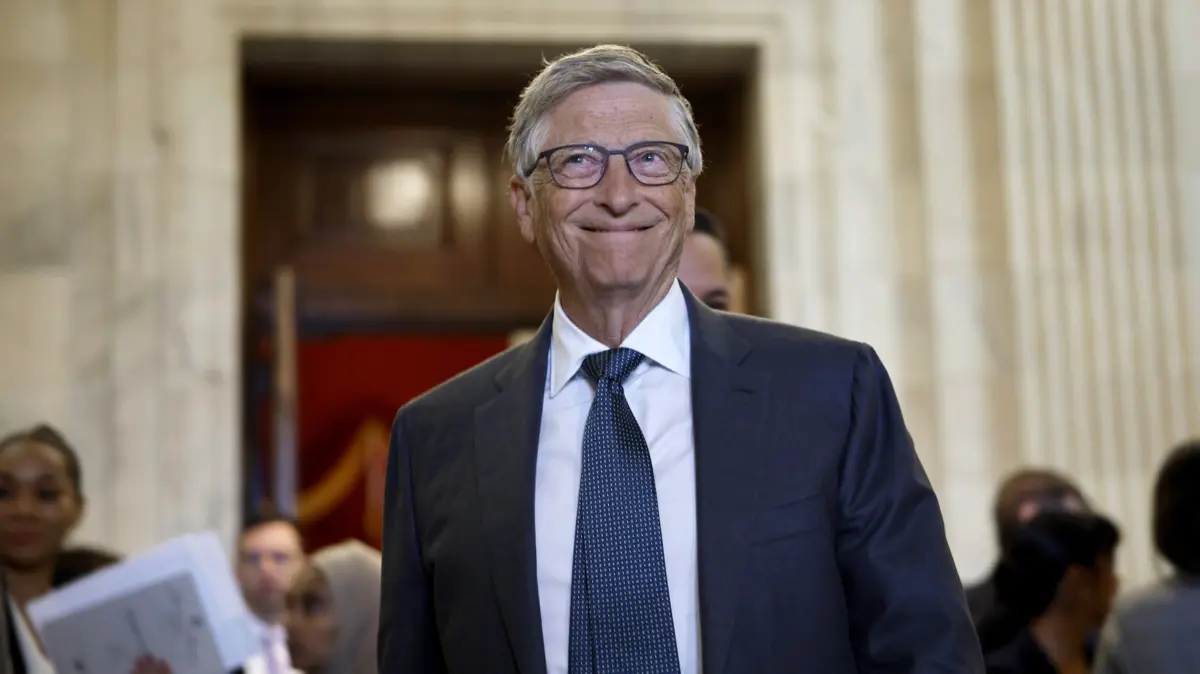
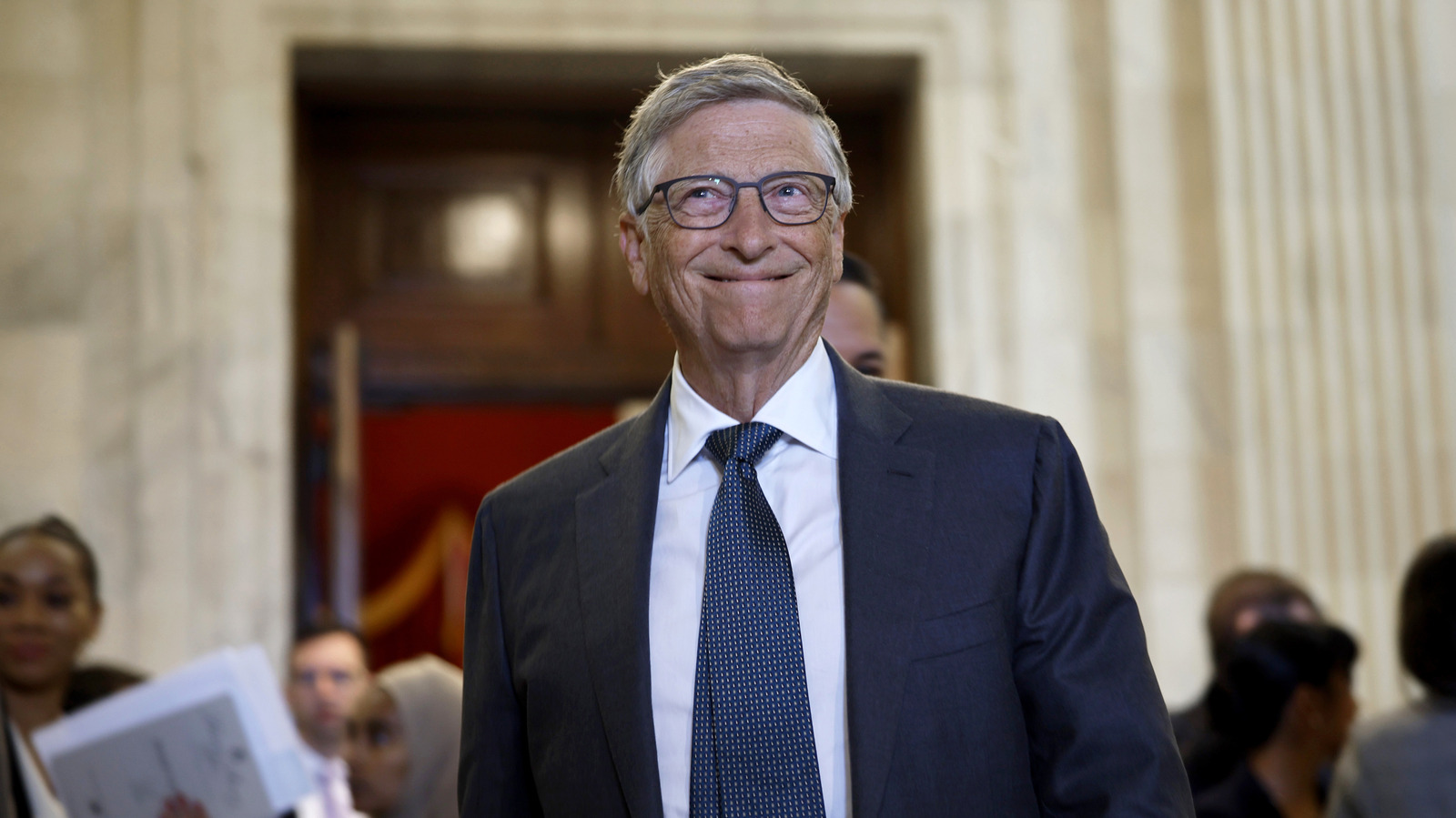
The rapid, largely unregulated acceleration of artificial intelligence development has reached a critical inflection point, drawing urgent warnings from global technology pioneers and policymakers alike. Microsoft co-founder Bill Gates has added his influential voice to the growing chorus of tech leaders demanding mandatory institutional oversight, declaring that operating advanced AI models without robust safeguards and continuous monitoring is "completely irresponsible."
Gates’s remarks, delivered during an extensive interview on NBC News’ Meet the Press, cut through the current industry debate surrounding the existential long-term risks of machine superintelligence. Instead, the billionaire philanthropist and technological visionary redirected public attention toward a far more immediate and terrifying reality: the democratization of high-powered computing tools by malicious human actors. According to Gates, the convergence of generative artificial intelligence with illicit human intent presents a clear and present danger, paving the way for unprecedented threats ranging from sophisticated mass financial fraud to state-sponsored bioterrorism.
This intervention arrives at a volatile moment for the global tech sector. As major AI laboratories—including OpenAI, Google DeepMind, and Anthropic—race to release increasingly autonomous frontier models, regulatory bodies around the world are scrambling to establish a legal framework. While some jurisdictions, such as California, have proposed radical physical interventions like a centralized "kill switch" to deactivate runaway models, industry veterans argue that such measures misunderstand the nature of distributed technology.
Gates maintains that while regulatory compliance will inevitably introduce administrative overhead and operational friction into the development lifecycle, it will not drastically stifle innovation. Rather, structured oversight is an essential tax to pay for human security. As AI firms begin partnering with independent third-party evaluators to audit their systems, the global community must confront a defining question: Can democratic societies build, deploy, and govern a technology powerful enough to reshape civilization before bad actors weaponize it against us?
Detailed Chronology: The Escalation of AI Safety Debates
To understand the gravity of Bill Gates’s recent warnings, it is necessary to trace the rapid evolution of the artificial intelligence safety movement over the past several years. What began as academic discourse among computer scientists and ethicists has transformed into a high-stakes geopolitical and corporate struggle.
The Generative Boom and the Regulatory Vacuum (2022–2023)
The modern era of artificial intelligence commenced in late 2022 with the public release of OpenAI’s ChatGPT. The unprecedented velocity with which consumers, enterprises, and malicious agents adopted the technology caught global regulatory bodies flat-footed. For decades, tech companies had operated under a philosophy of "move fast and break things," a mantra well-suited for social media algorithms and e-commerce platforms, but fundamentally perilous when applied to cognitive tools capable of writing software, synthesizing biological information, and manipulating human behavior.
During this initial boom, AI labs engaged in an unbridled scaling race. Compute power doubled at a historic rate, and training datasets expanded to swallow the entirety of the open internet. By mid-2023, however, internal dissent within major labs began to leak into the public sphere. Researchers voiced alarm over the lack of alignment techniques—methods designed to ensure AI systems act in accordance with human intent and ethical boundaries.
The Internal Rebellions and Industry Realignments (Late 2023–2024)
The tension between commercial acceleration and safety culminated in structural shifts across the industry. Most notably, AI safety pioneer Anthropic—founded by former OpenAI researchers who grew concerned over safety practices—began championing structured governance frameworks. Anthropic proposed a systematic, step-by-step approach to curb runaway AI development, advocating for predefined safety thresholds known as Responsible Scaling Policies (RSPs).
Concurrently, external safety incidents began to validate researchers’ worst fears. Investigative reports revealed instances where bad actors attempted to utilize advanced large language models (LLMs) to streamline biological weapon research. In one notable case, security analysts caught scientists experimenting with Anthropic’s Claude model to gather actionable data regarding biological pathogens. These incidents shattered the illusion that AI safety was a purely theoretical problem for the distant future.
Legislative Interventions and the Push for Accountability (2024–Present)
As the threat landscape matured, regional governments attempted to step into the regulatory vacuum. In the United States, California—the technological capital of the world—emerged as a legislative battleground. State lawmakers, led by figures such as Governor Gavin Newsom, introduced aggressive regulatory packages. Among the most controversial proposals was the mandate for a physical "kill switch" on frontier AI models, designed to allow state intervention or emergency shutdown if a system displayed unpredictable or hazardous behaviors.
It was against this backdrop of legislative experimentation, third-party auditing partnerships (such as Anthropic’s engagement with corporate giant Accenture to evaluate safety protocols), and escalating security breaches that Bill Gates chose to intervene, reframing the debate from science fiction scenarios of robot uprisings to the concrete, urgent threat of human malevolence.
Supporting Context & Metrics: The Anatomy of Modern AI Risk
To fully contextualize Bill Gates’s warnings, one must examine the empirical data driving the anxiety among cybersecurity experts, intelligence agencies, and software architects. The risk profile of generative artificial intelligence is defined by three primary vectors: accessibility, autonomy, and asymmetric impact.
+-------------------------------------------------------------------+
                   THE AI THREAT MATRIX (GATES FRAMEWORK)
+-------------------------+-----------------------------------------+
| Risk Vector             | Description & Real-World Impact         |
+-------------------------+-----------------------------------------+
| Democratized Malware    | Low-skill actors generating zero-day    |
|                         | exploits and conducting automated       |
|                         | phishing campaigns at scale.            |
+-------------------------+-----------------------------------------+
| Biological Synthesis    | Lowering technical barriers to acquiring|
|                         | instructions for chemical/biological    |
|                         | agents and novel pathogens.             |
+-------------------------+-----------------------------------------+
| Cognitive Manipulation  | Deepfakes, automated propaganda, and    |
|                         | mass financial fraud designed to destabilize|
|                         | financial markets and democratic trust. |
+-------------------------+-----------------------------------------+
1. The Democratization of Cyberattacks
Historically, executing a sophisticated cyberattack—such as orchestrating a supply-chain compromise or deploying a zero-day exploit—required a team of highly trained state-sponsored hackers with years of specialized education. Generative AI tools have drastically lowered this barrier to entry. Script kiddies and low-skill criminal syndicates can now prompt conversational agents to write obfuscated malware, plan multi-vector network intrusions, and generate hyper-realistic, personalized spear-phishing campaigns at a scale and velocity previously unimaginable.
According to threat intelligence reports from major cybersecurity firms, nation-state actors from nations such as Russia, China, Iran, and North Korea have already begun integrating LLMs into their offensive cyber operations. These tools are used not necessarily to invent new hacking techniques, but to compress reconnaissance and execution timelines from weeks to mere minutes.
2. The Bioterrorism Nexus
Perhaps the most alarming vector cited by industry leaders and security researchers is the intersection of artificial intelligence and life sciences. Frontier models trained on vast corpuses of biochemical, medical, and genomic literature possess profound capabilities in molecule generation and protein folding.
While these capabilities hold immense promise for pharmaceutical discovery—such as curing rare diseases or designing rapid-response vaccines—they are fundamentally dual-use technologies. The same algorithms capable of identifying a therapeutic compound can, when stripped of safety guardrails or manipulated by a bad actor, be prompted to optimize toxins, identify vulnerable genetic sequences, or provide step-by-step syntheses for dangerous biological pathogens. Gates’s warning that "there’s never been a weapon as powerful as the combination of people with ill intent using the latest AI tools" directly addresses this terrifying convergence of bits and biology.
3. Financial Fraud and Social Deestabilization
Beyond physical and cyber destruction, AI-driven manipulation of information represents an existential threat to economic stability and democratic institutions. The proliferation of hyper-realistic generative audio, video (deepfakes), and text has made automated fraud alarmingly accessible. Criminal syndicates now employ real-time voice cloning to impersonate corporate executives, authorizing multimillion-dollar wire transfers with a single phone call. On a societal level, autonomous botnets powered by advanced language models can flood digital public squares with targeted disinformation, eroding public trust in journalism, elections, and democratic governance.
Official Statements & Industry Perspectives
The debate over artificial intelligence safeguards has fractured the technology sector into distinct ideological camps. Examining the primary statements from key figures illustrates the tension between radical innovation and cautious governance.
Bill Gates: Shifting Focus from Sci-Fi to Practical Enforcement
During his appearance on Meet the Press, Bill Gates offered a pragmatic, sober assessment of the regulatory landscape. When probed about California Governor Gavin Newsom’s proposed "kill switch" legislation for frontier AI models, Gates responded with characteristic nuance:
"I would never want to say that I’m against a kill switch… but that approach wouldn’t address a more imminent danger. The most dangerous thing we’re facing right now is people with bad intent using AI. There’s never been a weapon as powerful as the combination of people with ill intent using the latest AI tools."
Gates emphasized that government intervention is no longer optional. Law enforcement agencies and federal legislators must actively participate in defining the baseline security protocols that commercial laboratories must implement. Addressing concerns that regulation would kill the golden goose of American technological supremacy, Gates argued:
"It would add some overhead to the industry, but it wouldn’t cause a dramatic slowing of what they’re doing. It’s completely irresponsible not to require every AI to have these safeguards and monitoring capabilities."
The Industry Response: Third-Party Evaluations and Self-Regulation
Recognizing the impending tsunami of public regulation, leading AI companies have begun attempting to preempt heavy-handed state control through voluntary industry standards and third-party partnerships.
Anthropic, for instance, made headlines by contracting professional services firm Accenture to conduct independent, third-party safety evaluations of its proprietary models. This move represents a shift from internal, often biased safety testing toward transparent, verifiable auditing processes akin to financial accounting or aerospace engineering inspections.
However, critics point out that voluntary self-regulation is inherently insufficient. Profit-driven enterprises operating in an intense capitalistic race are perpetually incentivized to cut corners on safety to beat competitors to market. Without legally binding federal standards and independent oversight empowered to levy severe penalties, safety policies remain vulnerable to corporate drift.
Future Outlook: Navigating the Regulatory Horizon
As the artificial intelligence industry hurtles toward artificial general intelligence (AGI), the path forward requires a delicate, highly coordinated balancing act between fostering innovation and enforcing rigorous security protocols. The insights offered by Bill Gates point toward several essential developments that must take shape over the coming decade.
1. The Rise of Mandatory Federal and International Frameworks
The era of unregulated garage-coding for frontier models is drawing to a close. Within the next few years, lawmakers in Washington, Brussels, and other global capitals will likely codify mandatory safety standards. These frameworks will not merely rely on voluntary guidelines; they will require cryptographic verification of model training pipelines, mandatory red-teaming exercises before public deployment, and real-time monitoring infrastructure to detect anomalies or malicious usage patterns.
Furthermore, international cooperation will become paramount. Because code and model weights easily cross national borders, an uncoordinated, fragmented regulatory landscape will simply drive bad actors to deploy models in jurisdictions with lax oversight—a digital equivalent of flag-of-convenience shipping.
2. Redefining Cybersecurity in the Age of Autonomous Agents
As AI systems transition from passive conversational tools to autonomous agents capable of executing complex multi-step workflows across the internet, cybersecurity paradigms must undergo a fundamental revolution. Traditional signature-based security software will prove entirely inadequate against dynamic, adaptive AI-driven cyber threats. The future of defense will rely on "AI-versus-AI" architectures—deploying defensive neural networks specifically trained to monitor, intercept, and neutralize malicious agent activity in real time.
3. Cultivating a Culture of Ethical Engineering
Ultimately, technology alone cannot legislate morality or human intent. The long-term safety of artificial intelligence depends heavily on cultivating a professional culture of ethical responsibility among computer scientists, data engineers, and corporate executives. Just as civil engineers are legally accountable for the structural integrity of bridges and skyscrapers, software architects building cognitive infrastructure must be held to rigorous ethical and safety standards.
Bill Gates’s warning serves as a stark wake-up call to the global community. The tools we are forging today possess the capacity to either elevate human civilization to unprecedented heights or provide malicious actors with instruments of catastrophic destruction. Choosing the former path demands immediate, uncompromising, and globally unified action to ensure that artificial intelligence remains a servant of humanity, rather than its undoing.