Executive Overview
The rapid integration of artificial intelligence into marketing operations has reached an inflection point. While organizations have aggressively adopted generative AI tools, agents, and automation frameworks over the past few years, a new operational challenge has emerged: systemic bloat. Marketers are no longer struggling simply to find tools; they are grappling with redundant skills, outdated agents, unmonitored plugins, and spiraling token consumption.
Simultaneously, the industry is witnessing a structural shift in how content is created, managed, and distributed. Advanced natural-language execution systems, such as Claude Cowork, are moving automation out of the realm of software development and into plain-language workflows. Meanwhile, leading AI strategists are pioneering frameworks that transform daily personal habits—like voice journaling—into multi-platform content engines that maintain brand authenticity.
On the macroeconomic and platform fronts, the digital landscape is undergoing rapid transformation. OpenAI’s expansion of ChatGPT Ads into 31 European markets, its new Apple Messages integration, and conversational admin tools for enterprise workspaces signal a profound blurring of lines between conversational search, messaging, and operational management. Concurrently, Google is countering AI-driven traffic declines with publisher-centric discovery controls. Together, these developments demand a strategic realignment for modern marketers, forcing a balance between aggressive automation, system hygiene, and platform diversification.

Detailed Chronology: Key Developments in AI and Marketing Infrastructure
The timeline of AI integration in marketing has accelerated dramatically, moving from isolated text generation experiments to deeply integrated operational pipelines. The following chronology highlights the pivotal structural and platform shifts shaping the industry.
Phase 1: The Proliferation of AI Workflows and Fragmented Tooling
- Early Adoption Period: Marketers rapidly deployed disparate point solutions, custom plugins, and standalone agents to handle writing, data analysis, and media planning.
- The Accumulation Effect: Over successive months of development, organizations accumulated hidden redundancies. Unused scheduled tasks continued to burn tokens, overlapping custom skills fired simultaneously, and disconnected project contexts began to misalign with real-time business objectives.
- The Shift Toward System Auditing: Industry thought leaders began advocating for routine operational tune-ups—establishing a monthly review cadence where AI systems are utilized to audit their own ecosystems, prune dead code, and optimize token usage.
Phase 2: Natural-Language Automation and Personal Content Engines
- Plain-Language Execution: Platforms evolved to allow users to build and run complex automated systems entirely through conversational prompts, removing coding barriers. Tools like Claude Cowork introduced persistent memory across sessions and native connections to existing business software.
- The Rise of AI Creative Directors: Experts like AI strategist Nicky Saunders demonstrated that generalized AI usage yields generic content. By establishing rigorous foundational training data and teaching AI systems specific speech and writing patterns, marketers began turning raw inputs—such as morning voice journals—into automated, multi-format publishing pipelines spanning newsletters, social media, and video scripts.
Phase 3: Platform Expansion and Ecosystem Interoperability
- OpenAI Launches European Ad Expansion: Following initial U.S. tests, OpenAI rolled out ChatGPT Ads to 31 European markets. The initiative targets Free and Go tier users during conversational research and decision-making phases, while maintaining an ad-free experience for Plus, Pro, and Enterprise subscribers.
- Apple Messages Integration: ChatGPT gained the ability to interface directly with Apple Messages, allowing users to search chat histories, draft responses, and manage texts via natural-language commands. This integration extended into Codex and ChatGPT Work environments, bridging consumer messaging with enterprise productivity.
- Google’s Publisher Control Initiative: In response to shifting search behaviors and AI-driven traffic concerns, Google introduced the embeddable "Preferred Sources" button. This feature empowers readers to curate their preferred publishers across Search, Discover, Google News, and AI Overviews, directly impacting referral traffic dynamics.
- Conversational Workspace Administration: OpenAI deployed a new Admin plugin for ChatGPT Work and Codex, enabling workspace managers to analyze usage, control permissions, manage budgets, and automate recurring routing tasks (such as Slack or Microsoft Teams approvals) through conversational instructions.
Supporting Context & Metrics: The Hidden Costs of Bloat and the Push for Efficiency
As artificial intelligence becomes the core infrastructure of modern business operations, organizations face unique financial and operational friction points. Understanding the metrics behind token usage, system bloat, and traffic shifts is essential for maintaining a competitive edge.
The Financial Drain of System Bloat
When organizations adopt AI without a centralized governance framework, technical debt accumulates rapidly. Industry analyses of enterprise AI setups reveal three primary areas of waste:

- Redundant Agent Execution: Multiple custom skills or agents configured to handle overlapping tasks often fire concurrently, consuming processing power and generating conflicting outputs.
- Orphaned Scheduled Tasks: Automated workflows—such as daily data pulls or sentiment dashboards—frequently continue running long after the underlying business question has lost relevance, silently burning tokens day after day.
- Stale Project Contexts: Folders filled with outdated brand guidelines, historical market research, and deprecated product features feed obsolete context into daily prompts, degrading the quality of AI-generated assets and requiring extensive human editing.
The Shift in Search and Traffic Metrics
With the widespread adoption of AI Overviews and conversational search models, traditional organic traffic metrics have experienced significant volatility. Publishers face a dual challenge: adapting to generative search summaries while navigating new discovery mechanisms. Google’s introduction of user-controlled preferred publishing sources represents a critical metric-shifting development, potentially rewarding outlets that maintain high audience trust with preferential click-through rates and sustained referral volumes.
Official Statements and Industry Insights
Key figures and platform representatives have highlighted the strategic imperatives driving these industry shifts:
-
On the Necessity of System Maintenance:
"If you’ve been building with AI for a while, you’ve probably accumulated more than you realize—skills, projects, artifacts, agents, plugins, and connected apps… Without regular maintenance, your setup starts working against you."
— Insights from the AI Business Society framework on monthly system audits. -
On Brand Voice and Authentic AI Collaboration:
AI strategist Nicky Saunders emphasizes that bypassing foundational inputs leads directly to forgettable output:
"Discover the foundational inputs you need to provide before AI can produce anything worth publishing, and why skipping this step is the fastest path to generic, forgettable content."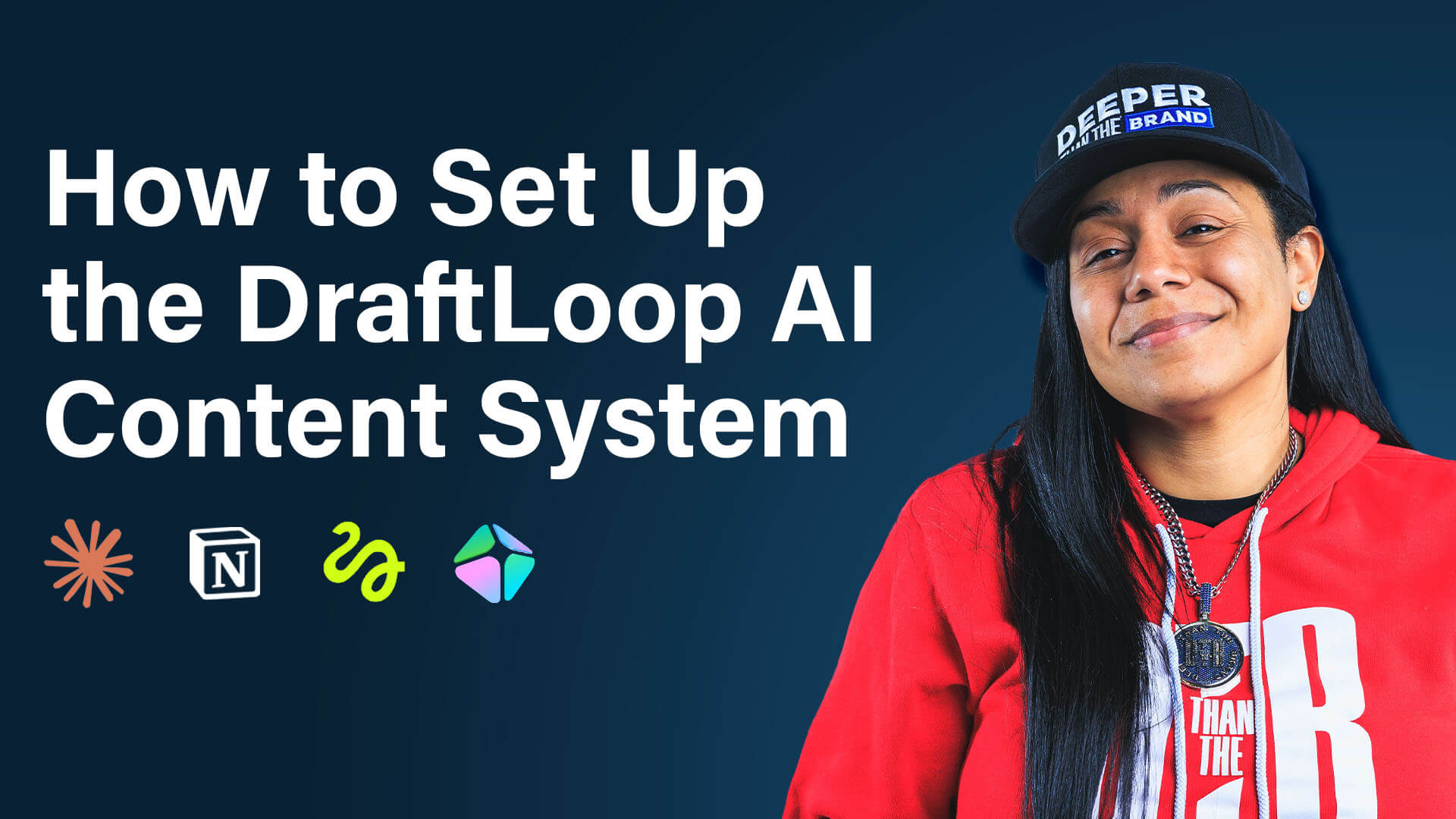
-
On the Expansion of Conversational Advertising:
Addressing the commercialization of conversational interfaces, OpenAI noted that the expansion of ChatGPT Ads across 31 European markets aims to connect advertisers with users during critical research and decision-making phases, while preserving the ad-free integrity of paid professional tiers.
-
On Enterprise Efficiency and Administration:

Commenting on the integration of conversational admin tools within ChatGPT Work and Codex, OpenAI highlighted the objective to eliminate manual tool-switching:
"Designed to reduce tool switching and manual administration, the plugin operates within existing workspace roles, policies, and approval controls."
Future Outlook: What Marketers Must Do Next
As the dust settles on the initial wave of generative AI experimentation, the future belongs to organizations that prioritize operational hygiene, authentic brand representation, and strategic platform adaptability.
1. Implement a Rigorous Monthly Audit Cadence
Marketers must treat their AI tech stack with the same rigor applied to traditional software licenses and cloud infrastructure. Dedicating one day a month to audit custom agents, disable unused scheduled tasks, prune redundant skills, and refresh project context files will drastically reduce token waste and improve output accuracy.

2. Transition from Static Prompts to Dynamic Creative Pipelines
Relying on ad-hoc, isolated prompts is no longer sufficient to maintain a competitive market presence. By building structured AI creative directors—grounded in rigorous brand voice documentation and fueled by low-friction daily habits like voice journaling—content teams can seamlessly scale production across newsletters, social media channels, and video scripts without sacrificing authenticity.
3. Adapt to Conversational Search and Advertising Realities
With ChatGPT Ads expanding globally into major economic markets and Google introducing granular publisher controls, digital marketers must rethink their acquisition funnels. Brands must position themselves to appear naturally within conversational recommendation engines while preparing ad strategies that capture high-intent users during active research phases.
4. Embrace Natural-Language Enterprise Automations
The barriers to workflow automation have effectively vanished. By leveraging native platform integrations—such as connecting productivity tools with messaging apps through conversational admin controls and natural-language execution environments—lean teams can achieve enterprise-grade operational efficiency without writing a single line of code.

Ultimately, the organizations that thrive in this next era will not be those with the most tools, but those with the cleanest, best-audited, and most authentically voiced AI ecosystems.