Executive Overview
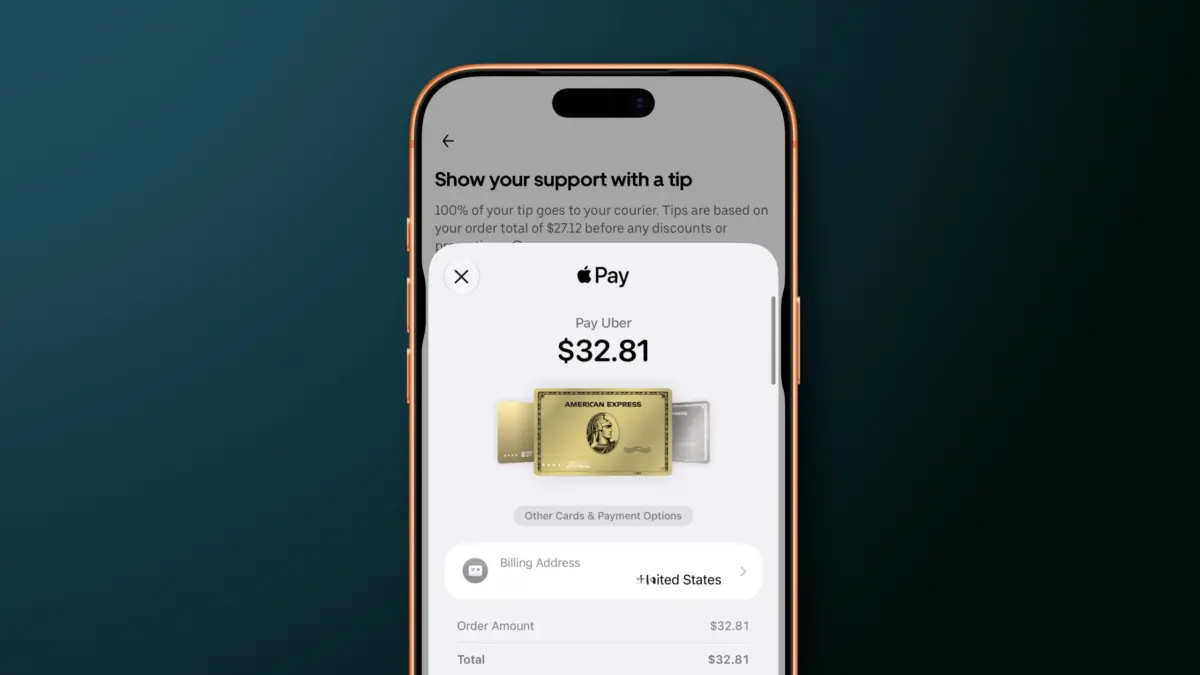
Apple’s ongoing crusade to streamline digital transactions has reached a significant milestone. With the official rollout of iOS 27, the Cupertino-based tech giant has introduced a comprehensive redesign of the Apple Pay checkout experience for both native mobile applications and web browsers. For years, Apple Pay has been lauded for its security, speed, and privacy protections, yet the user interface (UI) governing card management during online checkouts has occasionally faced criticism for its convoluted interaction model.
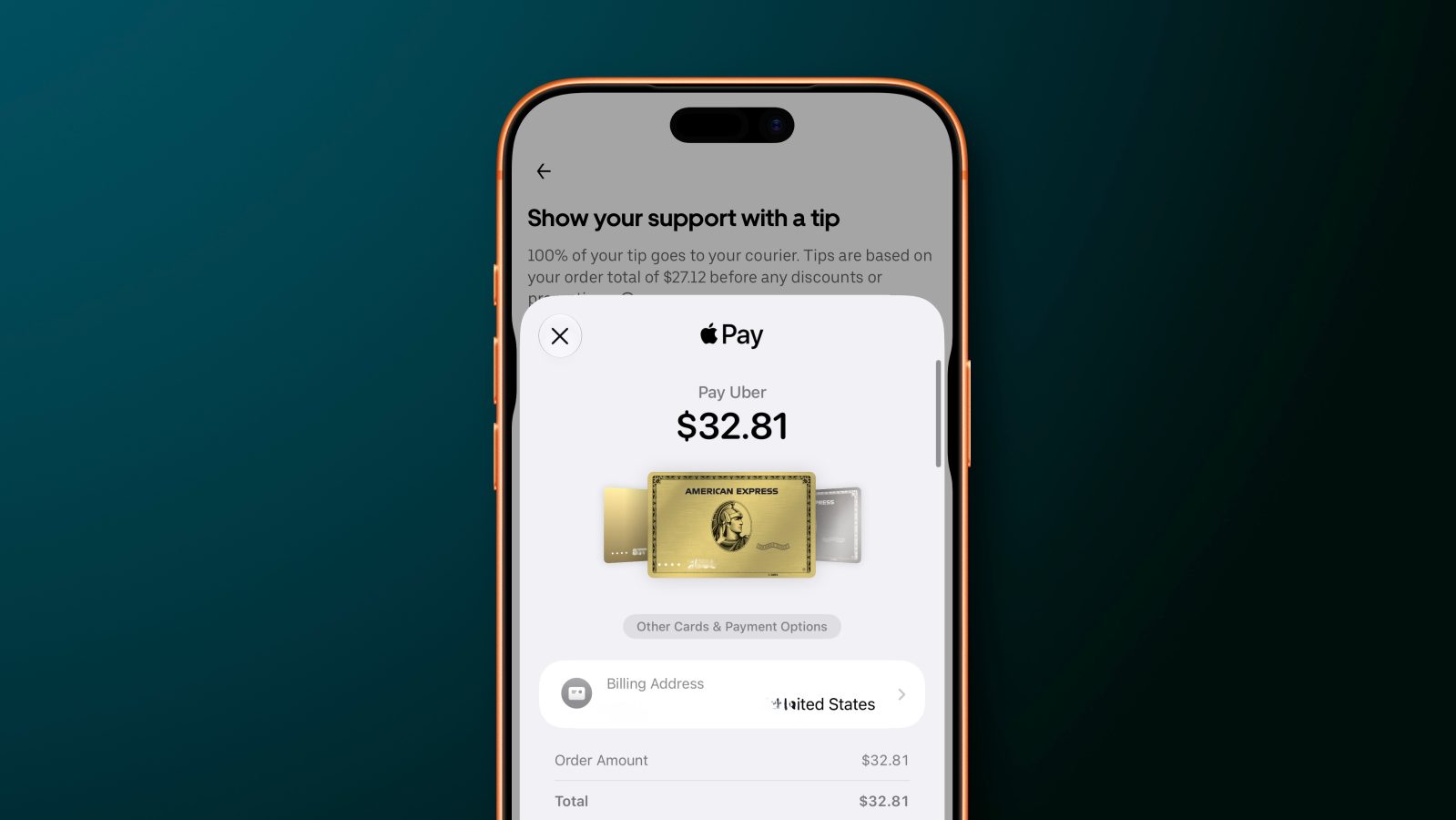
In iOS 27, Apple has fundamentally re-engineered this interaction. The updated checkout flow brings greater transparency, frictionless card-switching mechanisms, and a wealth of real-time financial data directly to the payment sheet. Users can now swipe fluidly between payment cards right on the primary interface or tap into an organized grid-style view that aggregates all available options within the Apple Wallet ecosystem.
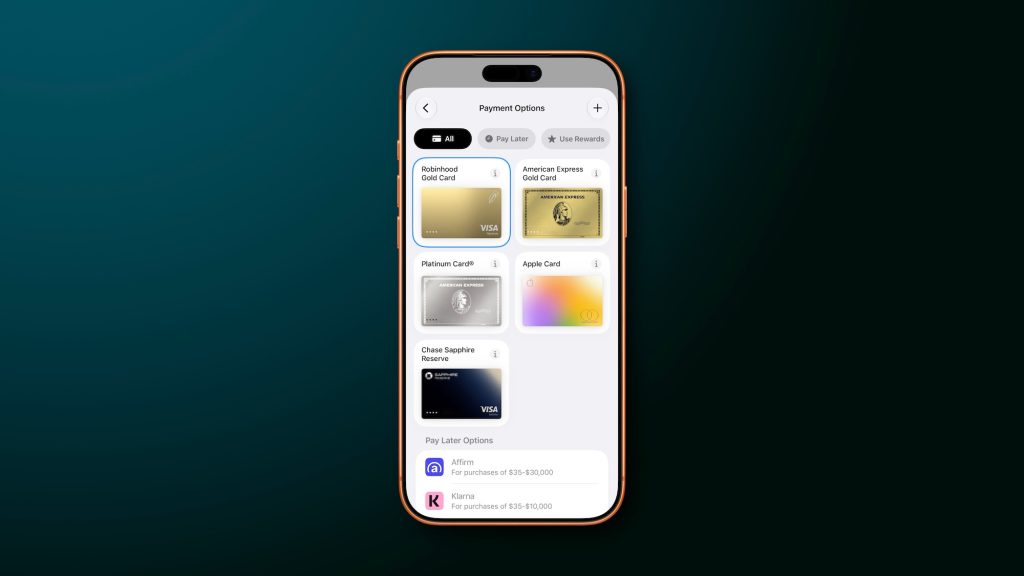
Furthermore, the new interface is engineered to surface essential card details—such as accumulated rewards, real-time debit account balances, current credit lines, and integrated Apple Pay Later options—empowering consumers to make financially optimized decisions at the exact point of purchase. By directly addressing long-standing pain points from previous iterations, iOS 27 transforms Apple Pay from a simple payment authorization tool into a smart, data-driven financial assistant.
Detailed Chronology: Fixing the Friction of Digital Wallets
To understand the magnitude of the iOS 27 redesign, it is crucial to examine the evolutionary trajectory of Apple Pay’s web and in-app checkout interfaces.
The Legacy Pain Points of iOS 26 and Earlier
While millions of users relied on Apple Pay daily for quick purchases, the experience of managing multiple cards during high-stress or time-sensitive checkouts (such as flash sales or flight bookings) often left much to be desired. Under the iOS 26 framework, the payment sheet layout prioritized minimalism to a fault, occasionally sacrificing usability.
A frequent complaint among power users and casual consumers alike involved the gesture mechanics for switching payment methods. Instinctively, users would tap directly on a card graphic when attempting to browse or select a different funding source. However, in iOS 26, tapping the card area frequently redirected the user to the address-editing or contact-information interface rather than opening a card selection menu. To change a payment card, users had to locate and interact with a separate, less prominent button nested near the bottom of the sheet. This counterintuitive design frequently led to mis-taps, user frustration, and abandoned checkout carts.
The iOS 27 Paradigm Shift
Recognizing these usability bottlenecks, Apple’s Human Interface Guidelines (HIG) team went back to the drawing board for iOS 27. The development cycle focused heavily on reducing cognitive load and physical interaction steps.
- Direct Card Swiping: The primary Apple Pay interface now supports direct horizontal swiping across the card stack. Users no longer need to hunt for auxiliary menus; a simple swipe across the card graphic instantly transitions the active payment method.
- The Grid Interface: Tapping a card now launches a comprehensive, clean grid-style view. This layout displays all eligible Apple Pay cards in a single, glanceable interface, allowing users to evaluate their entire digital wallet at a glance.
- Contextual Merchant Control: Recognizing that different merchants require specific types of data to fulfill orders, iOS 27 introduces robust developer tools. Merchants and web developers retain granular control over what information is highlighted on the payment sheet, tailoring the view to the specific parameters of the transaction while maintaining a consistent user experience.
Supporting Context & Metrics: The Evolution of Mobile Commerce
The redesign of Apple Pay arrives at a critical juncture in the global financial technology (FinTech) landscape. Mobile commerce (m-commerce) accounts for an increasingly dominant share of total retail sales, and the convenience of digital wallets has shifted from a luxury feature to a baseline consumer expectation.
The Economics of Cart Abandonment
According to industry research firm Baymard Institute, the average cart abandonment rate across e-commerce platforms hovers near 70%. A significant percentage of these abandoned transactions are attributed to overly complicated checkout processes, forced account creations, or a lack of transparent payment options.
By streamlining the payment sheet in iOS 27, Apple is directly attacking one of the final friction points in the digital sales funnel. When consumers can instantly view their rewards balances, confirm they are using the card that maximizes cash-back or travel points, and execute the transaction with a single biometric authentication (Face ID or Touch ID), the psychological barrier to completing a purchase plummets.
Financial Health and Transparency
Modern consumers are increasingly managing multiple financial products, ranging from traditional credit cards and high-yield savings debit cards to installment-based lending solutions like "Buy Now, Pay Later" (BNPL). Managing these diverse funding sources often requires jumping between multiple banking apps.
By surfacing critical financial metrics directly within the Apple Pay interface—such as real-time debit balances and active reward tiers—Apple is positioning the Wallet app as a centralized financial dashboard. This integration not only aids the consumer in avoiding overdraft fees or maximizing credit card rewards but also drives higher transaction volumes through the Apple Pay infrastructure, cementing its dominance in both online and offline retail.

Official Statements and Developer Ecosystem Impact
Apple has formally detailed the architectural and user experience philosophies driving the iOS 27 update. In an official briefing regarding the new checkout flow, the company stated:
"Apple Pay is introducing an updated design for users when they check out on the web and in apps. The design allows them to seamlessly swipe to switch cards, conveniently surfacing important information about their eligible cards in Apple Wallet — including rewards, balances, debit account balance, pay later options, and more — so they can make more informed payment decisions."
Implications for App Developers and Web Merchants
For the developer community, iOS 27 brings both opportunities and minor integration considerations. Because merchants and developers maintain control over the structural presentation of order details on the payment sheet, they must ensure their applications and web integrations are optimized to support the new metadata feeds.
Integration with the updated APIs allows merchants to display dynamic order updates, shipping notifications, and custom promotional offers directly within the Apple Pay frame. Early beta testing reports indicate that merchants embracing the new iOS 27 checkout standards are seeing measurable improvements in conversion rates, driven primarily by the frictionless nature of the updated card-switching mechanics.

Future Outlook: What the Redesign Means for the Future of Payments
As Apple continues to iterate on iOS 27 and look ahead to future software generations, the Apple Pay ecosystem is poised for even deeper financial integration. The successful redesign of the checkout flow signals a broader shift in how technology companies approach digital commerce: moving away from static transaction gateways toward dynamic, intelligent financial interfaces.
The Road Ahead
- Deeper Personalization: Future iterations of Apple Pay will likely leverage machine learning to intelligently recommend the best payment card for a specific transaction based on historical spending habits, active merchant category codes (MCC), and real-time reward structures.
- Expanded Financial Services: As Apple deepens its partnerships with major financial institutions and expands its proprietary financial offerings, features such as instant loan approvals, peer-to-peer split payments, and automated budgeting tools could find their way into the checkout sheet.
- Cross-Platform Standardization: With iOS 27 setting a new benchmark for mobile and web checkouts, expectations will inevitably rise for desktop and non-Apple platforms, putting pressure on competitors to match the speed, security, and aesthetic clarity of Apple’s ecosystem.
In conclusion, the iOS 27 update to Apple Pay is far more than a minor cosmetic refresh. By directly addressing the ergonomic flaws of previous software versions and integrating real-time financial transparency directly into the point of purchase, Apple has redefined the standard for modern digital transactions. For consumers, shopping online and in-app has never been faster, clearer, or more rewarding.