Executive Overview
In a decisive response to alarming cybersecurity findings, home appliance and consumer electronics giant LG Electronics USA has announced plans to purge its smart TV application ecosystem of software development kits (SDKs) that convert residential televisions into always-on proxy nodes. This enforcement action follows a comprehensive July security investigation by threat intelligence firm Spur, which revealed that an astonishing 42 percent of applications on the LG webOS store harbored hidden proxy SDKs.
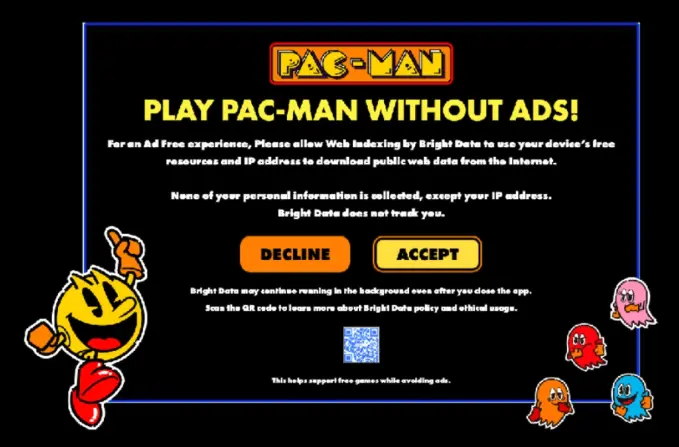
These embedded systems silently route external internet traffic through unsuspecting consumers’ home networks, effectively weaponizing living room appliances for commercial data collection, content scraping, and corporate routing. While app developers have increasingly leaned on residential proxy frameworks to monetize seemingly free software—ranging from casual games like Pac-Man to custom screensavers and file utilities—platform operators are facing mounting pressure to rein in the practice.
LG’s aggressive stance, which includes a strict developer ultimatum to either strip out residential proxy components or face immediate application suspension, marks a critical turning point for IoT (Internet of Things) security. However, the crackdown also arrives amid a broader wave of scrutiny regarding manufacturer transparency, highlighted concurrently by user backlash over unprompted security software installations via LG hardware drivers.
Detailed Chronology of the Smart TV Proxy Crisis
The revelation of how deeply residential proxy infrastructure has penetrated modern consumer electronics unfolded across a series of stark industry discoveries in mid-2026.
The Spur Investigation (July 2026)
On July 2, cybersecurity researchers at Spur published a groundbreaking analysis examining the integration of residential proxy SDKs within smart TV platforms. Their telemetry and code audits focused primarily on webOS, the operating system powering LG televisions, alongside Samsung’s Tizen OS.
The findings stunned the cybersecurity community: Spur discovered that more than 42 percent of all applications available in the LG webOS app store contained code designed to transform a consumer’s television into an indefinite residential proxy node. A similarly concerning trend was uncovered on competing platforms, with over a quarter of Samsung Tizen applications housing parallel proxy-routing components.
Industry and Media Escalation
Following the publication of Spur’s report, investigative journalism outlets, notably KrebsOnSecurity, began pressing hardware manufacturers for accountability. Analysts highlighted the hidden security and privacy vectors introduced when stationary household appliances—devices rarely monitored by network firewalls or intrusion detection systems—are quietly co-opted to relay traffic for third parties.
LG Electronics USA Responds (Late July 2026)
Confronted with the implications of Spur’s research, senior leadership at LG Electronics USA moved quickly to distance the brand from the controversial monetization practice. In statements provided to security journalists, LG Senior Vice President John Taylor confirmed that the corporation was actively auditing its application catalog.
Taylor announced that developers distributing software via the webOS platform have been put on notice: remove the proxy options or watch your applications get pulled. Concurrently, major proxy network operators, most notably Bright Data—whose software development kits accounted for the lion’s share of proxy integrations across both LG and Samsung ecosystems—defended their business models, citing rigorous user consent frameworks and independent third-party audits.
Supporting Context and Metrics: How Smart TVs Became Proxy Nodes
To understand the scale of the crisis, one must examine the underlying economics of modern application monetization and the mechanics of residential proxies.
The Monetization Trap for Developers
Developing and maintaining applications for smart TV platforms requires significant resources, yet consumers notoriously resist paying upfront costs for basic utilities, casual games, or aesthetic screensavers. To offset development expenses, creators often turn to alternative monetization models.
While traditional advertising can be intrusive, residential proxy SDKs offer developers a lucrative passive income stream. Proxy providers pay developers based on the volume of traffic routed through the installed base. Consequently, everyday apps—such as a seemingly innocuous version of Pac-Man or utility file managers—are shipped with auxiliary codebases that silently enlist the host TV into a global peer-to-peer proxy mesh network.
The Scale of the Problem: webOS vs. Tizen
Spur’s quantitative breakdown of the SDK landscape exposed a systemic vulnerability across major TV operating systems:
- LG webOS: Over 42% of evaluated applications contained active residential proxy SDK components.
- Samsung Tizen OS: More than 25% of evaluated applications harbored similar background proxy integration layers.
+-------------------------------------------------------------+
|              Smart TV Proxy SDK Prevalence                  |
|                                                             |
|   LG webOS (42%+)       [████████████████████████.........]   |
|   Samsung Tizen (25%+)  [█████████████....................]   |
+-------------------------------------------------------------+
As illustrated by Spur’s metrics, LG’s platform bore the brunt of the integration density. These SDKs typically run continuously in the background, utilizing the television’s internet connection to relay web-scraping requests, ad-verification traffic, and market research data originating from paying corporate clients.
The Mechanics of Bright Data and the "Consent" Debate
Bright Data, identified by Spur as the largest residential proxy network operating across smart televisions, defended its operational integrity. In public statements, the company emphasized that its ecosystem relies heavily on explicit, opt-in consent mechanisms. For example, specific applications present users with a choice: view traditional in-app advertisements or agree to let the television function as a shared proxy node.
Furthermore, Bright Data stressed that its platform undergoes rigorous oversight, including independent third-party evaluations by auditing firms like PwC. The company maintains that it enforces strict "Know Your Customer" (KYC) protocols to weed out malicious actors, alongside technical countermeasures designed to isolate proxy traffic and prevent clients from interacting with or mapping other devices on the host user’s local area network (LAN).

Official Statements and Industry Perspectives
The clash between convenience, monetization, and security has drawn sharp contrasts in philosophy between hardware manufacturers, proxy providers, and independent security analysts.
LG’s Stance: Zero Tolerance for Unintended Use
John Taylor, Senior Vice President at LG Electronics USA, left little ambiguity regarding the company’s official policy moving forward. In an emailed statement to security researchers, Taylor asserted:
"A residential proxy network is not an intended use for LG smart TVs, and LG Electronics is working with developers to remove the residential proxy option from their apps on the webOS platform. If this option is not removed, these apps will be suspended."
Taylor added that LG’s internal app review process is currently undergoing a sweeping overhaul. The company is actively strengthening evaluation protocols for all developer-submitted titles to intercept proxy SDKs before they ever reach the consumer-facing webOS store.
Proxy Providers Emphasize Transparency and Audits
Representatives for Bright Data maintain that their services serve vital, legitimate enterprise functions—such as localized ad verification, academic research, and public data collection—and that their systems are built on transparency.
"Every peer opts in through a dedicated screen and receives value in return; every customer is vetted, and our practices have now undergone a second independent audit by PwC," Bright Data noted in its official release. "We remain committed to an open, transparent internet where legitimate businesses, researchers, and institutions can responsibly access data that lives in the public domain."
Security Researchers Warn of Structural Blind Spots
Despite the compliance assurances offered by proxy networks, independent researchers argue that the fundamental architecture of smart home environments makes consumer consent largely illusory.
Trevor Sutter of Spur highlighted the inherent danger of burying complex networking agreements inside casual entertainment applications:
"A one-time consent prompt buried in a TV app is not a substitute for meaningful transparency, ongoing control, and platform oversight. The risk is amplified when consent comes from individuals within the household who use the device but shouldn’t give consent, such as minors."
Because smart TVs are treated as passive media appliances rather than fully fledged computers, average consumers lack the diagnostic tools required to monitor outbound connections, audit background SDK behavior, or assess the legal liability of having their residential IP address used to route third-party traffic.
The Broader Hardware Ecosystem and Emerging Concerns
While LG’s crackdown on webOS proxy SDKs represents a major victory for consumer privacy, the timing coincides with renewed questions regarding the manufacturer’s broader software bundling practices.
The McAfee Monitor Controversy
Even as LG moved to clean up its smart TV app store, the company faced separate criticism concerning bundled software on its computing hardware. Earlier in the week, investigations highlighted by technology channels such as Gamers Nexus revealed that certain high-end LG LCD monitors automatically install promotional software applications via Windows Update.
Without prompting the user or seeking explicit authorization, these monitors trigger the installation of applications designed to upsell paid McAfee antivirus subscriptions. The silent arrival of promotional software via hardware driver updates has reignited consumer debate over bloatware, manufacturer partnerships, and the erosion of user control over their operating environments.
Future Outlook: Securing the Living Room IoT Frontier
The convergence of smart TV proxy monetization and unauthorized software bundling points to an ongoing struggle for control over the modern connected household. As televisions, monitors, and appliances evolve into powerful, always-connected computing nodes, the traditional boundaries separating hardware manufacturing from digital advertising and data brokering continue to blur.
Looking ahead, several critical milestones will define the trajectory of smart TV security:
- Stricter Platform Audits: Manufacturers like LG and Samsung face intense pressure to implement automated static and dynamic code analysis tools to catch embedded proxy SDKs during the initial submission phase, rather than relying on reactive cleanups.
- Regulatory Scrutiny: As residential proxy networks face increasing legal and legislative oversight regarding IP address misappropriation and network abuse, consumer protection agencies are likely to examine whether opt-in prompts meet legal thresholds for informed consent.
- Consumer Awareness and Tooling: The incident underscores an urgent need for better network visibility tools in consumer routers, enabling average households to detect when smart appliances are participating in unauthorized external traffic-relaying networks.
For now, LG’s willingness to penalize non-compliant developers sends a clear message to the application ecosystem: living room hardware is no longer open territory for passive monetization schemes. Whether this enforcement marks a permanent shift toward proactive IoT protection or merely the first skirmish in a protracted technological arms race remains to be seen.