Executive Overview
In late September 2026, the global food and dairy industry—and subsequently the entirety of online social media—was rocked by an event that few marketing analysts could have ever predicted. The Laughing Cow, the iconic century-old cheese brand globally recognized for its cheerful, red, smiling bovine mascot, committed a startling act of corporate iconoclasm: it stopped laughing.
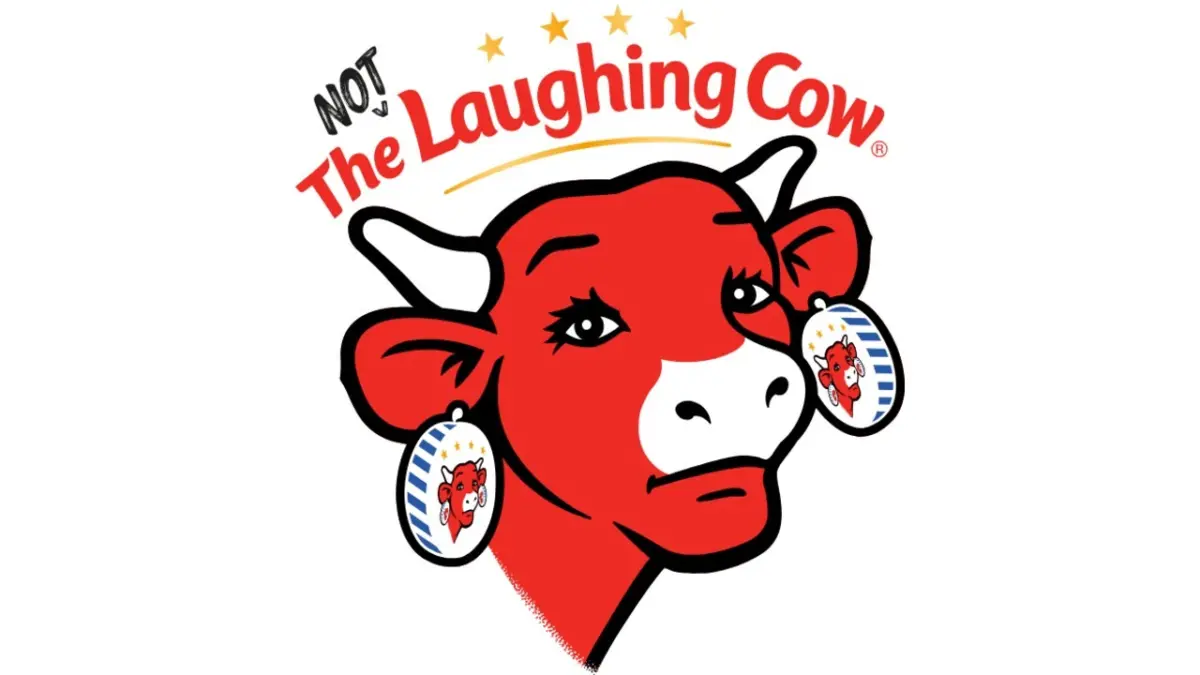
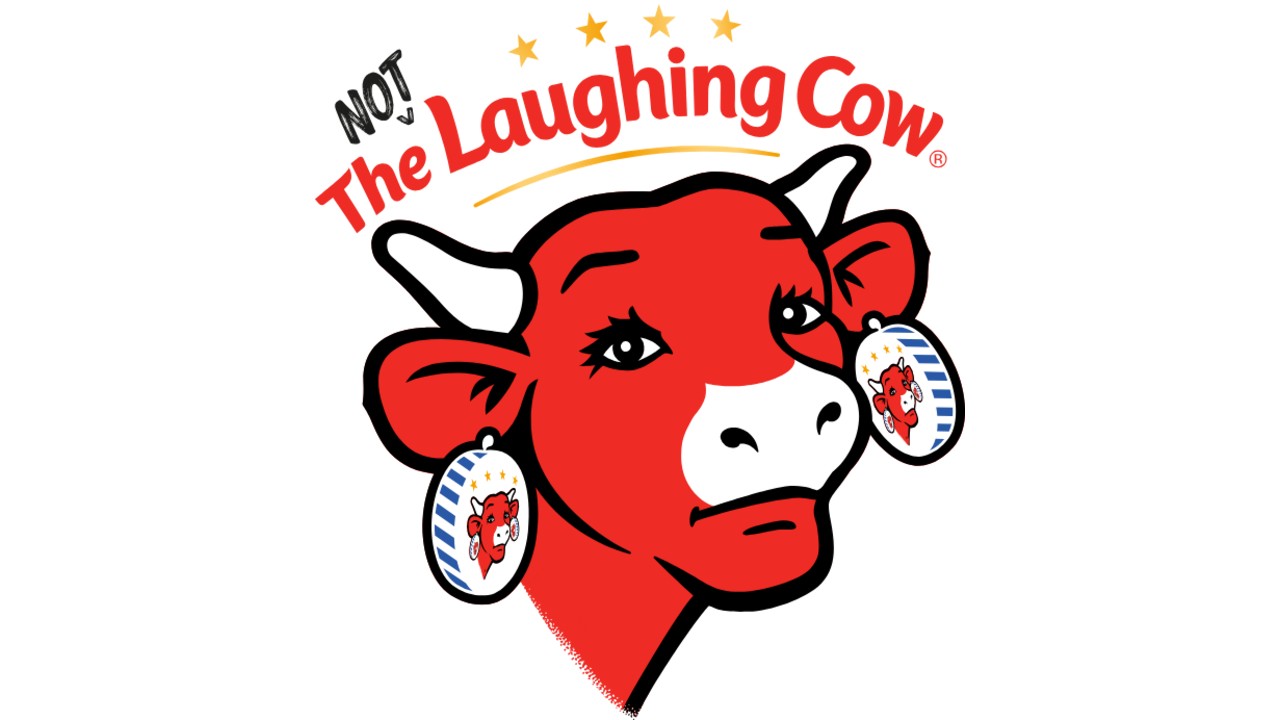
In a meticulously planned viral marketing campaign that spanned multiple digital platforms, the brand temporarily replaced its famous logo with a stern, frowning, and visibly somber version of the cow. The accompanying messaging was stark, mysterious, and entirely devoid of immediate corporate justification: "After more than 100 years, The Laughing Cow has stopped laughing. We need to talk." Simultaneously, the brand’s digital properties underwent a total aesthetic overhaul, rebranding their online handle to "The Not Laughing Cow."
What began as an inscrutable brand pivot rapidly metastasized into a massive internet phenomenon. Within days, the campaign transcended standard corporate advertising, sparking widespread speculation, investigative jesting, and a cascade of viral memes across TikTok, X (formerly Twitter), and digital culture forums. Users across the globe scrambled to answer a seemingly absurd question: Why is the cow unhappy?
This comprehensive report explores the anatomy of "The Not Laughing Cow" phenomenon, detailing the chronological rollout of the campaign, the mechanics of its viral acceleration, the internet’s creative and satirical reactions, and the broader implications of modern shock-value marketing in the digital age.
Detailed Chronology of Events
The transformation of the cheese industry’s most recognizable mascot did not happen by accident; it was executed with the precision of a psychological thriller.
Phase One: The Silent Departure (September 22, 2026)
On Monday, September 22nd, 2026, consumers visiting grocery aisles, brand websites, and social media channels were greeted by an unprecedented sight. Without warning or preliminary press releases, The Laughing Cow updated its public-facing profiles to showcase a newly designed logo. Gone was the joyful, laughing red cow adorned with circular cheese-wedge earrings. In its place stood a melancholic figure, her head tilted slightly downward, her mouth pressed into a firm, unsmiling line.
The company’s official channels immediately dropped two cinematic, emotionally charged short videos, primarily hosted on TikTok. The first video depicted the mascot sitting alone in a dim, upscale restaurant booth, her expression heavy with existential dread, prominently wearing earrings that bore the new, somber logo. A voiceover or caption reminded viewers of an unsettling reality: this marked the exact first time in a century of continuous operation that the mascot had been depicted without her signature laugh. A second companion video showed the cow on a park swing, moving back and forth in slow, dejected silence.
Concurrently, the official website was stripped of its regular product showcases, replaced by a minimalist landing page featuring the melancholic videos and the now-infamous decree: "We need to talk."
Phase Two: Escalation and the Netflix Parody (September 25, 2026)
As digital curiosity reached a fever pitch, the brand doubled down on its narrative ambiguity. On September 25th, the marketing team leaned directly into contemporary internet meme culture by publishing a third TikTok video modeled precisely after the ubiquitous "Netflix Documentary" announcement trend. Set to dramatic, high-tension orchestral music, the short clip teased an impending "story time," framing the mascot’s sudden behavioral shift as a deep, unresolved mystery.
The strategy worked brilliantly. Within just three days of its posting, the documentary-style teaser surpassed 200,000 views, cementing the campaign not just as a product update, but as an interactive, serialized narrative playing out in real time across the social media ecosystem.
Supporting Context & Metrics: The Digital Aftershock
The refusal of The Laughing Cow to provide an immediate rationale for the rebrand created an informational vacuum. In modern digital culture, vacuums are invariably filled by consumer-generated content. The campaign catalyzed an immense wave of organic engagement, driving metrics across multiple platforms to staggering heights.
TikTok Amplification
Creators across TikTok seized upon the absurdity of a grieving dairy mascot. On September 23rd, popular creator @courtneylcook published a reaction and commentary video centered on the logo change. The post struck a chord with the algorithm, rapidly accumulating over 400,000 views within a five-day span and prompting thousands of followers to comment on the surreal nature of corporate advertising.
X (Twitter) Satire and Vagueposting
By September 26th, the story had broken containment from lifestyle and food circles into general tech and news discourse. The prominent digital culture aggregating account @Dexerto posted about the logo evolution on X, pulling in over 42,000 likes and 3,200 reposts in under 48 hours.
The sheer vagueness of the corporate messaging—insisting that "we need to talk" while refusing to elaborate—inspired the internet’s favorite brand of irony: vagueposting. X user @JimmyFoxhound published a satirical meta-meme mocking the company’s cryptic silence, capturing the frustration and amusement of consumers expected to care about a mascot’s emotional state without any contextual breadcrumbs. The post garnered over 18,000 likes in two days.
Memetic Escalation: From Melancholy to Absurdism
As is customary on social media, the community quickly pushed the joke past polite corporate boundaries into darker, deeply surreal territory:
- The Whale Parody: On September 27th, user @MeinGottNiles posted a cinematic edit fusing the non-laughing cow with an iconic, emotionally heavy frame from Darren Aronofsky’s film The Whale, starring Brendan Fraser. The juxtaposition of a prestige drama protagonist with a corporate cheese mascot resonated widely, pulling in over 49,000 likes in a single day.
- Dark Humor Edits: Pushing the envelope of corporate satire, user @TheGoldStream shared a faux-vintage graphic edit depicting the mascot in an extremely bleak context, playing on the theme of a century-old brand finally buckling under the psychological weight of mass production. The dark humor post accumulated over 4,500 likes within 24 hours, illustrating the public’s propensity to subvert wholesome branding into chaotic art.
Official Statements and Industry Analysis
Despite mounting public pressure, frantic media inquiries, and millions of digital impressions, corporate representatives maintained a strict wall of silence during the initial rollout week. This deliberate withholding of information serves as a textbook masterclass in modern "attention economy" engineering.
The Psychology of Modern Teaser Marketing
Marketing experts point out that legacy brands face an immense challenge in capturing the attention of Gen Z and younger millennial demographics, who are notoriously hyper-skeptical of traditional advertising. By substituting a straightforward product announcement or packaging update with a pseudo-existential narrative drama, The Laughing Cow bypassed standard consumer defense mechanisms.
Instead of asking consumers to buy cheese, the brand asked consumers to solve a mystery. This gamification of corporate identity transforms passive viewers into active participants. The refusal to explain why the cow stopped laughing effectively crowdsourced the brand’s narrative, allowing internet users to write their own joke-filled hypotheses, thereby keeping the brand trending organically without paid media amplification.
Future Outlook
As the dust settles on the initial launch phase of "The Not Laughing Cow," industry insiders and consumers alike are left anticipating the punchline. Viral marketing stunts of this magnitude cannot remain unresolved indefinitely without risking consumer fatigue or brand alienation.
Analysts project a few likely trajectories for the campaign’s conclusion:
- The Reveal: A forthcoming commercial or campaign rollout explaining that the cow stopped laughing because of a new product launch, a sustainability initiative, or an ironic push for mental health awareness in the workplace.
- The Return: A temporary promotional window culminating in a triumphant return of the smile, timed strategically to coincide with the winter holiday shopping season or a milestone brand anniversary.
Regardless of how the corporate narrative ultimately resolves, The Laughing Cow has successfully demonstrated how an aged, legacy brand can weaponize self-awareness, absurdity, and digital meme culture to hijack the global conversation. For a brief, surreal moment in September 2026, the entire internet paused its daily routine to wonder why a cartoon cow on a wedge of spreadable cheese had lost her joy—proving that in the modern attention economy, silence and a frown speak louder than a smile.