Executive Overview
Snow-capped peaks, lush emerald valleys, the rhythmic echoing of heavy cowbells, and rustic wooden alpine huts—if your social media feeds over the past year felt entirely dominated by outdoor aesthetics, you are not imagining things. It appears as though the entire population, alongside your best friend’s dog, transformed overnight into seasoned alpine mountaineers. Suddenly, everyone is scaling rugged terrain in high-tech Gore-Tex apparel, swapping standard city beverages for traditional alpine radlers at dizzying altitudes, and posing triumphantly against sweeping horizons. But this widespread cultural shift begs a crucial question: When did everyone suddenly develop the endurance for these vertical ascents, and more importantly, why is the modern collective consciousness so desperate to escape upward?
The resurgence of hiking is far more than a fleeting aesthetic trend or an algorithmic preference. It represents a profound psychological and physical counter-movement against hyper-digitization, urban burnout, and the relentless velocity of contemporary life. As people look for ways to reclaim their time, mental clarity, and physical agency, the great outdoors has emerged as the ultimate modern sanctuary.
This deep dive explores the multifaceted appeal of hiking, examining why millions are lacing up their boots, how physical exertion in nature mirrors the internal architecture of personal growth, and how leading outdoor brands like adidas TERREX are actively bridging the gap between physical exploration and mental empowerment through immersive community initiatives like the "Design Your Life" hiking experiences.
Detailed Chronology: The Evolution of the Modern Hiking Boom
To understand the current obsession with mountain trails and forest switchbacks, we must trace how outdoor recreation evolved from a niche, specialized hobby into a mainstream cultural phenomenon.
Phase 1: The Great Re-Evaluation (2020–2021)
The global disruptions of the early 2020s fundamentally altered humanity’s relationship with indoor spaces. Confined to urban apartments and restricted by lockdowns, people experienced a profound spatial deprivation. When restrictions eased, the initial impulse was simply to go outside. Local parks, nature reserves, and nearby walking paths transformed from recreational spaces into essential lifelines. During this period, millions rediscovered the simple pleasure of walking without a destination, planting the seeds for a broader engagement with nature.
Phase 2: Micro-Adventures and the Democratization of Nature (2022–2023)
As international travel faced logistical hurdles and financial strains, people began looking inward, exploring the geographical treasures hidden directly in their own backyards. The concept of the "micro-adventure"—a short, local, but impactful excursion—gained massive traction. Hiking no longer required an expedition to the Himalayas or the Alps; it could be experienced on a Saturday afternoon in the local low mountain ranges, through misty forests, or along coastal cliffs. This era democratized the trail, proving that adventure is a mindset rather than a passport stamp.
Phase 3: The Aesthetic and Algorithmic Peak (2023–Present)
Today, hiking occupies a prominent space in digital culture. Platforms like Instagram and TikTok have been flooded with high-definition vistas, trail diaries, and gear reviews. While some critics dismiss this as performative consumerism, the underlying reality is far more compelling: the digital visibility of hiking has lowered the barrier to entry. Seeing relatable peers conquer challenging terrain encourages hesitant beginners to take their first steps onto the trail. Furthermore, this visibility has catalyzed a major shift in lifestyle choices, transforming outdoor exploration from a weekend hobby into a core component of modern personal identity.
Supporting Context & Metrics: Why We Fall for the Trail
The reasons for falling in love with hiking are as diverse as the landscapes themselves, yet they consistently center on a few fundamental human needs.
+-------------------------------------------------------------------+
                   THE CORE PILLARS OF HIKING APPEAL
+-------------------------------------------------------------------+
  [Physical Wellness]  ---> Low-impact, high-reward glute & cardio workout
  [Mental Clarity]     ---> Total digital detox & nervous system reset
  [Accessibility]      ---> Zero entry cost; boots, trail, and momentum
  [Social Depth]       ---> Unfiltered, profound interpersonal dialogue
+-------------------------------------------------------------------+
1. Physical Accessibility and Economic Simplicity
Unlike sports that require expensive club memberships, specialized court bookings, or high-maintenance gear, hiking remains remarkably democratic. At its core, it demands very little: two functional legs, a rudimentary sense of balance, and a pair of supportive shoes. In its most basic form, hiking is entirely free. Whether you are a wide-eyed novice stepping onto a gentle woodland path for the first time or a seasoned gear-head equipped with an array of navigation tools and technical layers, the trail welcomes all socioeconomic backgrounds equally.
2. The Power of Micro-Adventures and Local Tourism
Not everyone has the luxury of waking up like Heidi to the sound of cowbells against a pristine alpine backdrop. Fortunately, modern hiking culture thrives on accessibility. Through spontaneous micro-adventures and single-day getaways, individuals living in bustling metropolitan areas can immerse themselves in nature within hours. This trend has also stimulated sustainable domestic tourism, encouraging people to uncover the ecological and geological wonders hidden within their home countries.
Germany, for instance, boasts landscapes that inspired the great painters of German Romanticism—mystical rock formations, idyllic waterfalls, enchanted forests, and endless vistas overlooking rolling valleys. Exploring these regions on foot fosters a deeper appreciation for local ecosystems while championing sustainable travel habits.
3. Deepening Interpersonal Bonds
Because shared joy is double joy, hiking trips offer a unique social dynamic. Unlike a noisy restaurant or a rushed coffee date, a multi-hour hike strips away the distractions of daily life. The rhythm of walking side-by-side naturally lowers conversational guards, facilitating a level of profound, unfiltered dialogue that is exceptionally difficult to replicate in indoor environments. Whether shared with a romantic partner or a close circle of friends, navigating a trail together builds trust, mutual reliance, and lasting memories.
Official Perspectives: The Mental Architecture of the Ascent
Beyond the scenic vistas and cardiovascular benefits, hiking offers an unparalleled mental health dividend. In an era dominated by screens, notifications, and constant connectivity, the trail serves as a sanctuary for mindfulness.
The Somatic Reality of Exertion
When we hike, we reconnect with our physical vessels in the most elemental way possible. There are no distraction-heavy gym equipment benches or mirrors to judge our form; there is only the sensation of strength pulsing through our legs, the uneven ground beneath our boots, and the rhythmic sound of our own breathing.
As the elevation increases and the air thins, the body performs an immense physiological feat to propel us upward. This intense physical engagement forces the mind out of abstract anxieties and anchors it firmly in the present moment.
The Peak Experience and Dopaminergic Reward
The culmination of a difficult climb yields an unmistakable psychological reward. Standing at a summit, chest heaving and catching one’s breath, it is impossible not to smile. Whether unfolding a lightweight sitting mat for a well-earned trail snack or capturing the panoramic view with a smartphone camera, the sense of accomplishment is profound. This is the physiological manifestation of earned pride—a direct recognition of personal resilience.
Translating Trail Lessons into Daily Life
The mental benefits of hiking extend far beyond the duration of the weekend trip. The trail acts as a dynamic metaphor for life’s broader challenges. Consider the mental processes that occur during a steep, punishing ascent:
- Overcoming Resistance: Pushing forward when every muscle screams for rest.
- Strategic Pace Management: Recognizing when to push through fatigue and when to pause, breathe, and hydrate.
- Active Observation: Shifting focus from internal stress to the breathtaking beauty of the surrounding world.
- Self-Efficacy: Cultivating an unshakeable belief in one’s own capability.
Step by step, the hiker makes active decisions about how to proceed. These cognitive patterns—resilience, patience, self-compassion, and forward momentum—are precisely the mental tools needed to navigate professional hurdles, personal transitions, and emotional growth in everyday life.
Future Outlook: Empowering the Next Generation of Outdoor Explorers
Recognizing the transformative power of outdoor exploration on both body and mind, forward-thinking brands are shifting their focus from pure product marketing to experiential community building.
The Intersection of Coaching and Conservation
A prime example of this paradigm shift is adidas TERREX. Understanding that outdoor spaces do more than test physical limits—they shape character and foster mental clarity—the brand curates immersive programs designed to empower outdoor enthusiasts.
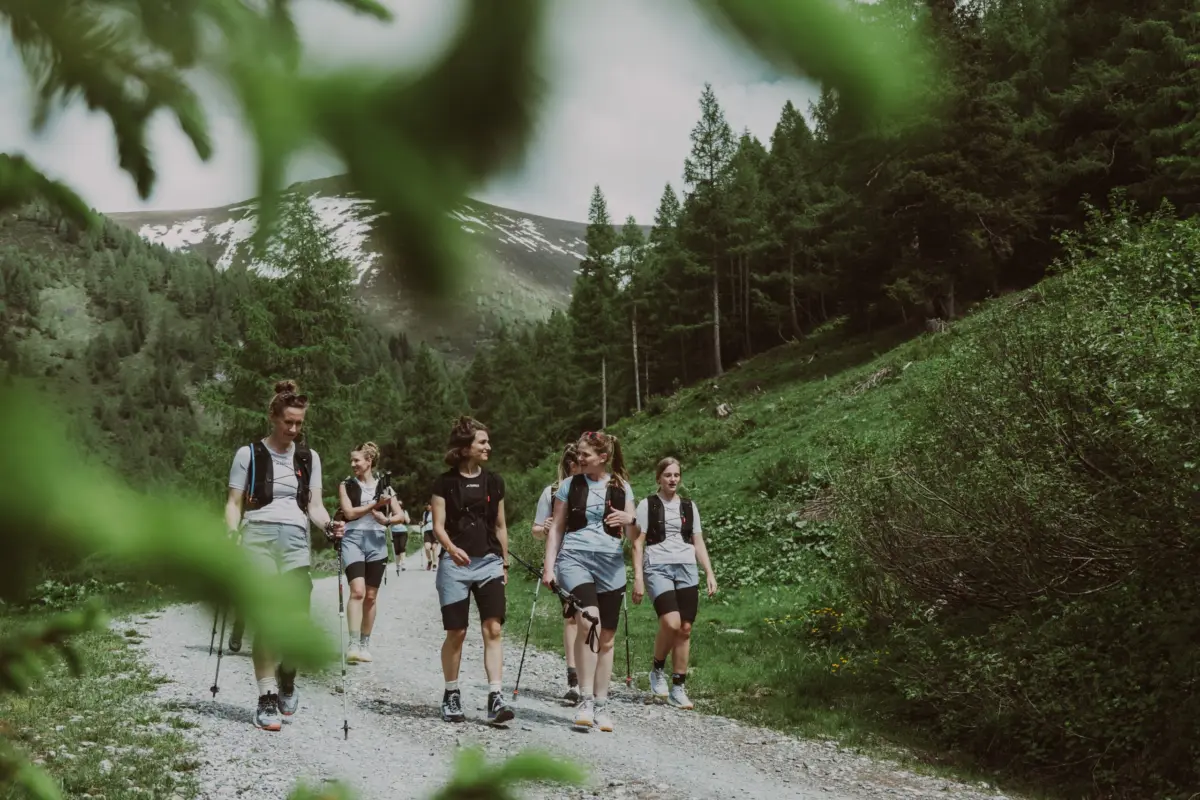
A landmark iteration of this philosophy was the “adidas TERREX Design Your Life” Hiking Days, hosted along one of Germany’s most visually stunning trails: the Malerweg in the Elbe Sandstone Mountains. This specialized initiative combined rigorous athletic exploration with professional personal coaching, creating a safe, inspiring environment exclusively for women to connect, reflect, and grow.
Fostering Community and Personal Autonomy
Programs of this caliber reflect the future of outdoor culture: a movement that values holistic well-being, community mentorship, and self-discovery. By pairing participants with expert mountain guides, professional coaches, and photographers, initiatives like Design Your Life provide a blueprint for how outdoor brands can actively contribute to personal development.
Participants walk away with more than just high-performance gear; they leave equipped with actionable insights on decision-making, boundary-setting, and intentional living. As more individuals seek out spaces that honor both physical vitality and mental peace, the intersection of community-driven outdoor sports and personal empowerment will undoubtedly become the defining frontier of the modern wellness landscape.
Conclusion
The vertical renaissance is far more than a temporary cultural blip. It is a necessary recalibration—a collective return to the roots of what it means to be human, to move through space under one’s own power, and to find stillness amidst the noise of the modern world. Whether through a weekend micro-adventure on a local trail or an immersive multi-day expedition through majestic mountain ranges, hiking offers an enduring invitation: to step outside, connect deeply with others, and discover the boundless strength waiting just beneath the surface.