Executive Overview
In the hyper-polarized landscape of modern video game discourse, aesthetics and politics frequently collide. Yet, few internet phenomena have linked visual design to ideological critique quite like “DEI Purple”—alternatively referred to as “DEI Violet.” This burgeoning slang term and online theory posits a direct correlation between the prominent use of specific violet, magenta, and purple color palettes in video games and the inclusion of Diversity, Equity, and Inclusion (DEI) initiatives. According to proponents of the theory, these stylistic choices serve as a visual warning sign for creative stagnation, corporate overreach, and "wokeness," with the underlying implication that such titles are destined for commercial and critical failure.
What began as a localized rant on a Steam forum in mid-2024 has since metastasized into a widespread internet meme, fueled by anti-woke gaming communities, prominent content creators, and the ongoing aftershocks of previous culture-war flashpoints like GamerGate and the Sweet Baby Inc. controversy. By examining the trajectory of "DEI Purple," cultural analysts can observe how digital subcultures weaponize artistic direction, transforming standard UI choices and color grading into ideological litmus tests. This investigative report explores the origins, digital spread, cultural amplification, and broader implications of the DEI Purple theory within the contemporary gaming ecosystem.
Detailed Chronology: From Steam Forums to Mainstream Streaming
The Genesis: August 2024 and Dragon Age: The Veilguard
The conceptual foundation of DEI Purple was laid on August 15th, 2024, amidst intense online scrutiny surrounding BioWare’s upcoming fantasy role-playing game, Dragon Age: The Veilguard. A Steam user operating under the handle "Gloaf" published a thread on the game’s official community hub titled, "Overuse of Purple Indicates DEI garbage."
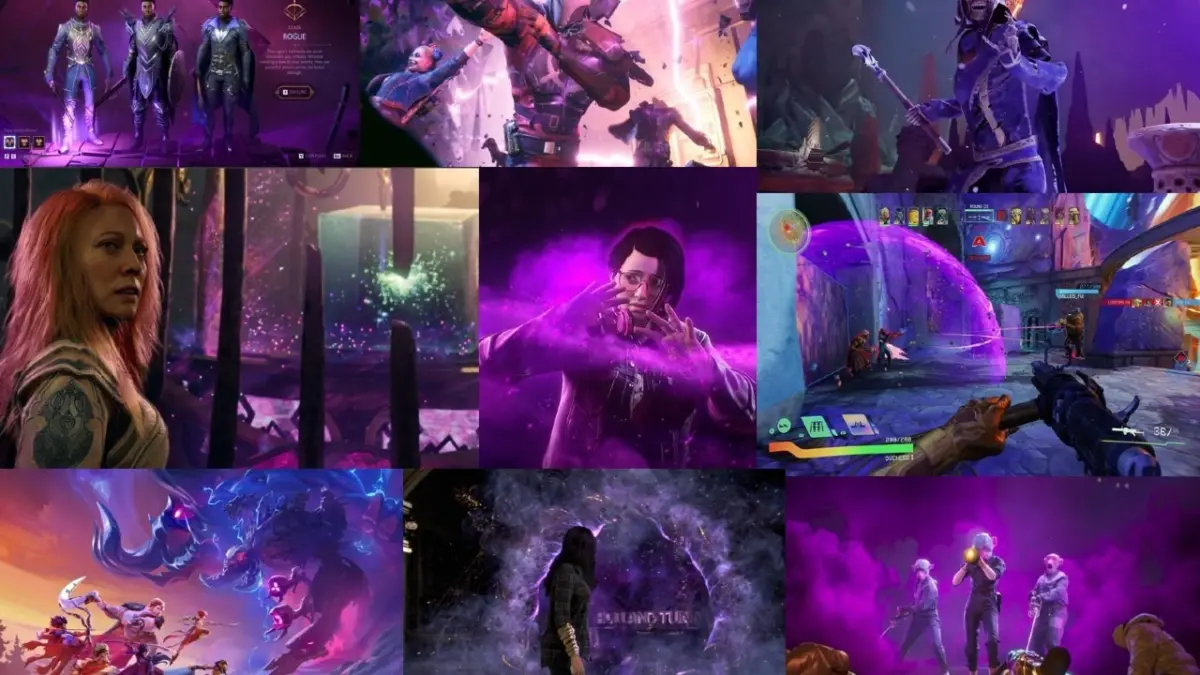
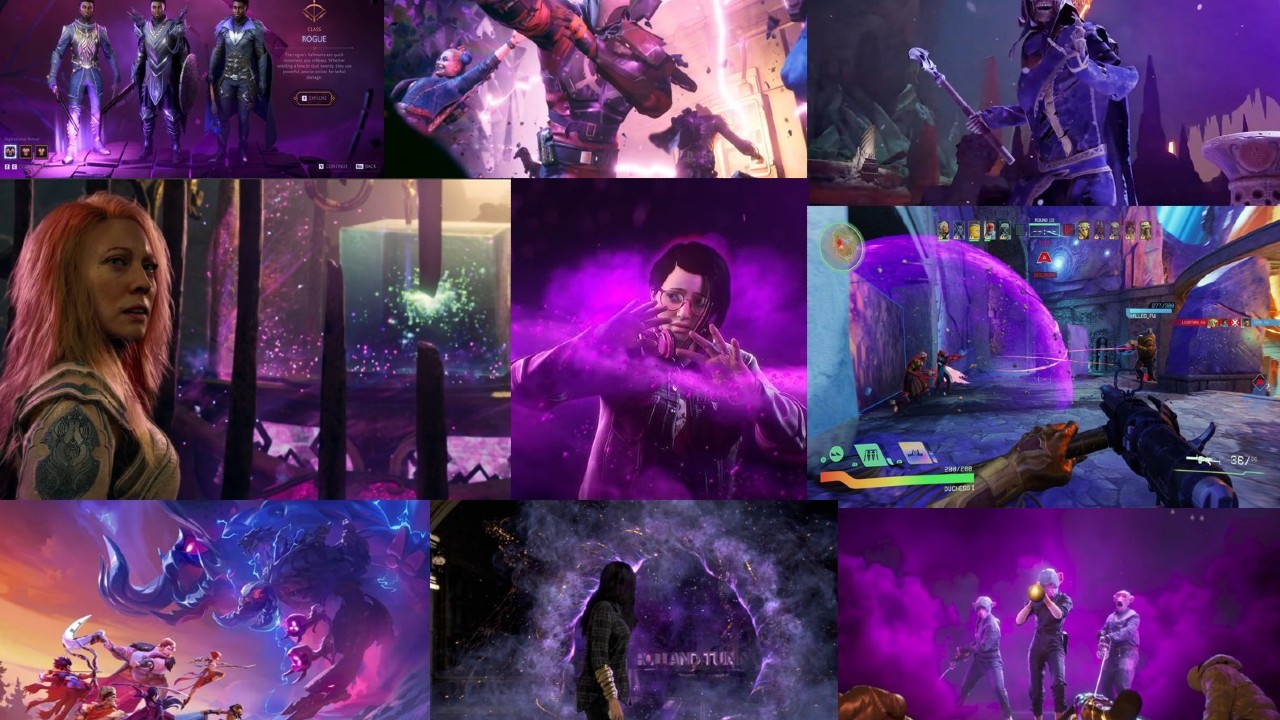
The post targeted a sweeping list of modern titles—including Forspoken, Saints Row, Flintlock, Tales of Kenzera: Zau, Gotham Knights, Shadow Gambit: The Cursed Crew, and Neo Cab—arguing that an over-reliance on stylized purple hues was a hallmark of projects influenced by narrative consultation firms and corporate inclusivity mandates. Gloaf wrote: "This is not an RPG, this is a [censored] attempt to again remake a classic to support the Message. Remember we have the power, do not buy."
While the term "DEI Purple" had not yet been formally coined, the thread immediately resonated with disgruntled members of the community. Commenters began compiling mental inventories of recent releases featuring magenta and violet lighting, establishing an informal visual blueprint that anti-woke factions would adopt over the subsequent months.
Viral Acceleration: Late 2024 to Early 2025
Following its obscure beginnings on Steam, the theory quickly spilled over into X (formerly Twitter) and YouTube, where content creators recognized the engagement potential of the niche grievance.
On September 30th, 2024, YouTuber Let’s Gundam It released an analytical breakdown of the emerging theory, introducing it to a broader audience of anti-establishment gamers. The narrative gained further traction on January 2nd, 2025, when X user @Mangalawyer shared a compilation grid of upcoming and recently released games utilizing purple-heavy promotional art—including Dragon Age: The Veilguard, Dying Light 2: Stay Human, Gotham Knights, Redfall, XDefiant, Elden Ring: Shadow of the Erdtree, and Assassin’s Creed Codename Hexe. The post, captioned "The color palette that instantly transformed you into a non-buynary gamer," amassed thousands of likes and sparked cross-platform debates.
The discourse even generated ironic self-awareness within counter-communities. On January 4th, 2025, a screenshot of the viral tweet was posted to the left-leaning satire subreddit /r/Gamingcirclejerk under the title "Apparently Games with Purple are considered flops," accumulating thousands of upvotes and highlighting the widening cultural chasm surrounding game aesthetics.
Mainstream Amplification: The Asmongold Effect in 2026
The theory crossed the threshold from fringe forum chatter into mainstream influencer discourse in mid-2026, largely catalyzed by prominent streamer and commentator Asmongold.
On June 3rd, 2026, a TikTok clip captured Asmongold reacting to promotional footage for God of War: Laufey—noted as the first mainline installment in the storied franchise to feature a female protagonist. Observing the trailer’s vibrant use of magenta and violet lighting, Asmongold explicitly linked the aesthetic to the infamous color grading of Dragon Age: The Veilguard, jokingly dubbing it a universal warning sign for creative decline.
The narrative exploded in late September 2026. On September 29th, the Asmongold Shorts YouTube channel published a dedicated video dissecting the art direction of God of War: Laufey. The video rocketed past 635,000 views within 24 hours, cementing the phrase "DEI Purple" in the lexicon of hundreds of thousands of casual viewers and solidifying the color purple as a permanent fixture in modern gaming’s culture-war lexicon.
Supporting Context & Metrics: Analyzing the Backlash
To understand why a color palette became a lightning rod for ideological frustration, one must examine the broader socioeconomic and cultural anxieties driving contemporary gaming subcultures.
The Psychology of Aesthetic Grievance
Historically, color theory in video games has been utilized to evoke specific emotional responses: red for danger and passion, blue for calm and technology, and purple/magenta for magic, mystery, or futuristic cyberpunk aesthetics. However, in the wake of hyper-stylized modern releases that favor neon-drenched urban fantasies or high-contrast magical effects, anti-woke commentators have recast these artistic choices as symptoms of design homogenization.
Within subreddits like /r/KotakuInAction and specialized Discord servers, users have argued that modern AAA studios rely on safe, hyper-saturated color palettes to appeal to broad, contemporary demographic sensibilities rather than gritty, traditional realism. By linking this artistic shift to diversity initiatives, critics have constructed a cohesive—albeit pseudoscientific—framework that allows them to preemptively dismiss games before launch based purely on promotional screenshots and color grading.
Quantitative Spread and Engagement Metrics
While formal academic studies on color-based internet slang are scarce, digital footprint tracking reveals distinct spikes in search and social media engagement corresponding with major industry reveals:
- Initial Steam Forum Thread (August 2024): Generated immediate micro-community engagement, with commenters cataloging up to a dozen titles sharing similar color schemes.
- X/Twitter Amplification (January 2025): Post metrics exceeding 195,000 views and thousands of cross-platform interactions demonstrate how visual collage memes effectively communicate complex subcultural grievances within seconds.
- Asmongold YouTube Short (September 2026): Racking up over 635,000 views in a single day, this amplification event proved that influencer commentary acts as the primary accelerator for niche internet memes, transforming user-generated slang into widely recognized industry jokes.
Official Statements and Industry Perspective
As of publication, major video game publishers, art directors, and development studios have maintained a strict policy of silence regarding the "DEI Purple" phenomenon. Industry professionals contacted for comment declined to speak on the record, viewing the theory as an extension of broader, toxic discourse that conflates technical art direction with political ideology.
However, veteran concept artists and industry observers have occasionally addressed the underlying mechanics of modern game palettes in independent essays and interviews. Speaking anonymously, a senior lighting artist who has worked on several AAA titles explained the ubiquity of vibrant purples and magentas in contemporary game engines:
"From a purely technical standpoint, modern rendering engines utilizing physically based rendering (PBR) and HDR lighting push artists toward high-contrast color palettes because they pop on compressed video compression algorithms used by YouTube, TikTok, and Twitch. Purple and magenta sit at opposite ends of certain digital spectrums, making them exceptionally effective for drawing the player’s eye in dynamic combat scenarios or cinematic teasers. To suggest these choices are mandated by diversity quotas is a profound misunderstanding of how digital pipelines operate."
Despite technical explanations from industry insiders, internet subcultures remain largely indifferent to pipeline logistics, preferring to treat aesthetic trends as deliberate ideological signaling.
Future Outlook: The Evolution of Aesthetic Culture Wars
The emergence and persistence of the "DEI Purple" theory highlight an increasingly polarized era in digital entertainment, where no element of game design—not even a hue of light—is immune to cultural weaponization. As long as video game marketing continues to lean into vibrant, stylized, and high-contrast art directions to capture fleeting attention spans on social media feeds, counter-cultural commentators will likely continue to map their grievances onto visual aesthetics.
Looking ahead, several trajectories seem probable for the DEI Purple meme:
- Normalization and Saturation: Much like previous internet slang terms born out of gaming controversies, the phrase may eventually lose its edge, becoming a piece of ironic self-referential humor used by both detractors and defenders of modern game design.
- Expansion to Other Media: As visual tropes become standardized across entertainment mediums, the theory could theoretically expand to encompass streaming television series and cinematic blockbusters that utilize similar color grading.
- Studio Adaptation: While major publishers are unlikely to alter their artistic visions to appease online critics, independent developers leaning into retro or gritty realism may consciously avoid heavy purple grading to distance themselves from the associated controversy.
Ultimately, "DEI Purple" serves as a fascinating case study in modern digital folklore—a testament to how internet communities can weave random visual patterns into elaborate narratives, forever altering how thousands of players perceive a simple shade of violet on their screens.