Executive Overview
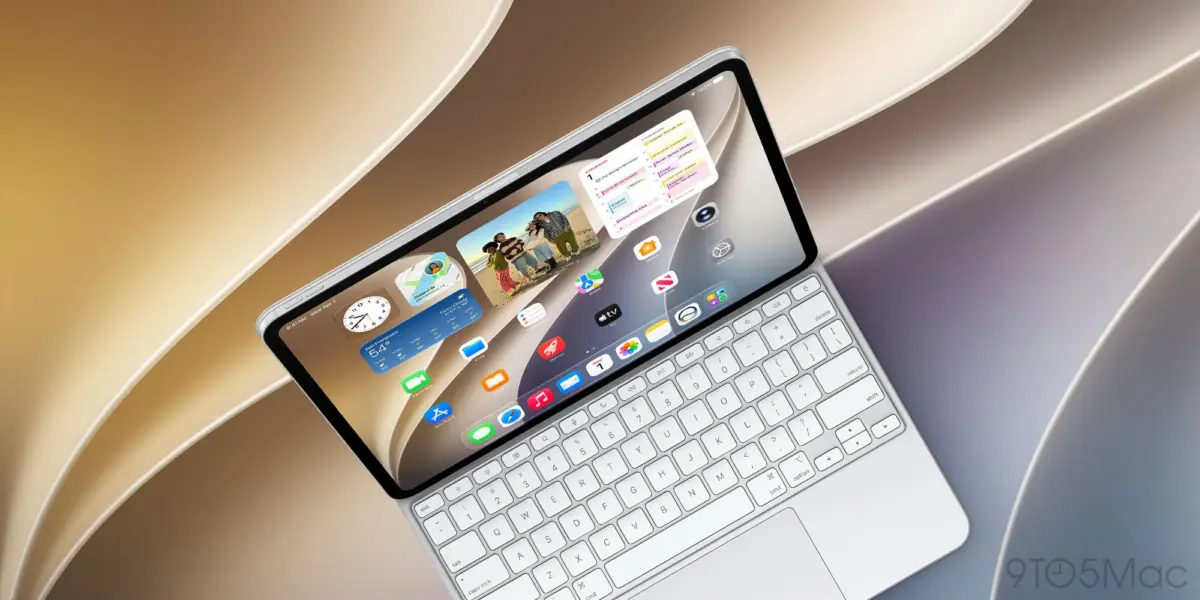
As Apple continues to refine its ecosystem software strategy, the upcoming release of iPadOS 27.2—slated to roll out later this month—represents a strategic milestone in bridging the gap between desktop-class workflows and mobile hardware convenience. While major numbered software iterations often command headlines for sweeping interface overhauls, .x mid-cycle updates are frequently where the true polishing happens. iPadOS 27.2 is no exception, bringing carefully targeted productivity boosts and long-overdue media management solutions that address some of the most persistent user requests.
At the center of this update are two standout features:
- A powerful, Mac-inspired contextual Siri AI text-interaction popup designed to elevate how users edit, proofread, and query text using a mouse or trackpad.
- The long-awaited arrival of individual user profiles in the Apple TV app, transforming shared household iPads into personalized entertainment hubs complete with tailored recommendations and robust parental controls.
This report offers a comprehensive examination of iPadOS 27.2, detailing its architectural evolution, the mechanics of its new features, and what these changes mean for the future of tablet computing.
Detailed Chronology: The Road to iPadOS 27.2
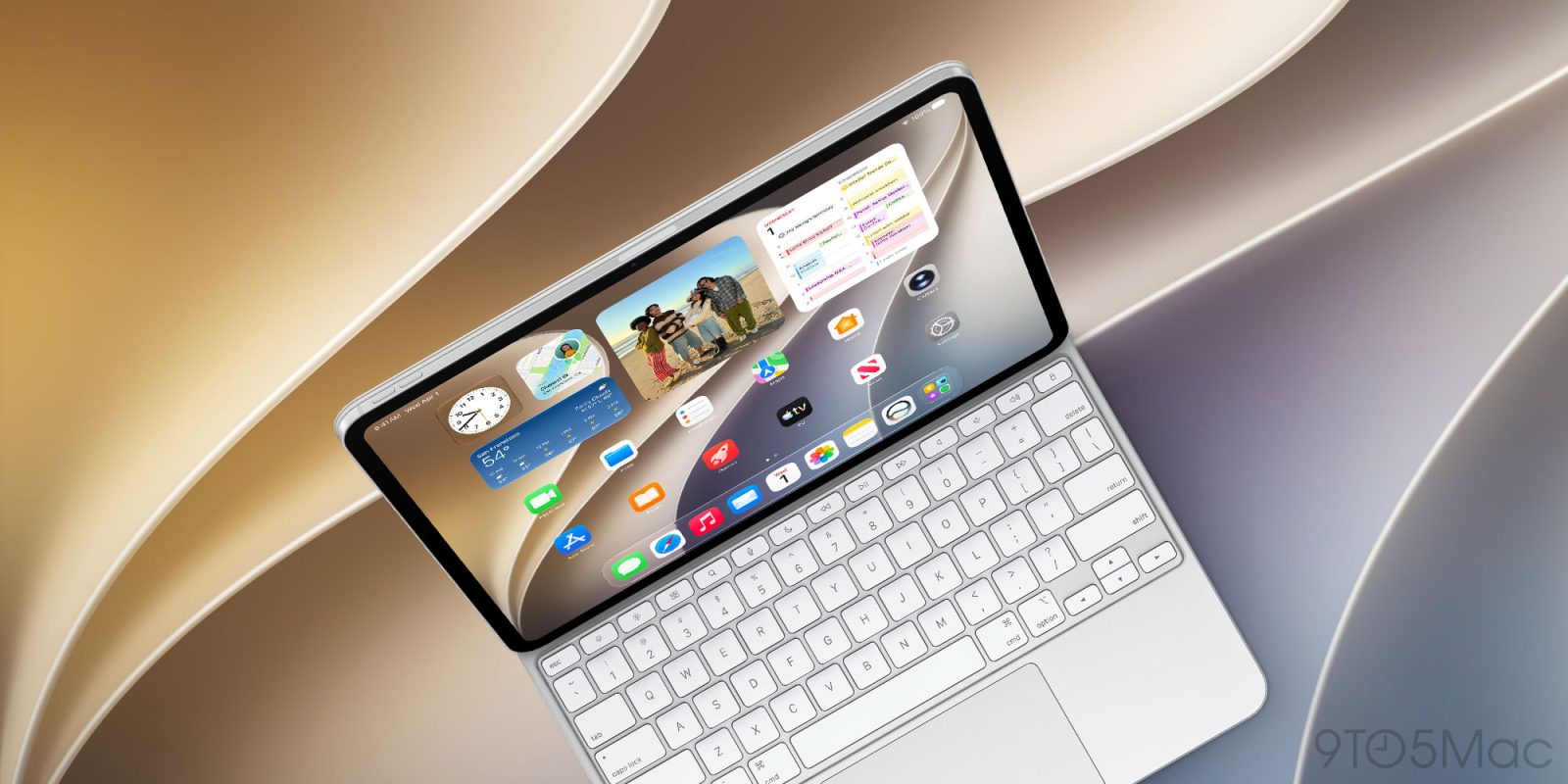
Understanding the significance of iPadOS 27.2 requires looking back at the broader arc of Apple’s recent software deployment timeline.
- Late Summer (August): The initial rollout of iPadOS 27 established a powerful foundation, heavily leaning into advanced AI integrations. Among the early favorites for power users was the deep integration of Siri and Spotlight, accessible via the familiar
CMD + Spacekeyboard shortcut—a massive leap forward from legacy iterations of the virtual assistant. - Early September: Apple pushed the initial developer and public betas for iPadOS 27.2, offering early adopters a glimpse into cross-platform feature sharing. Code and UI elements borrowed from macOS (specifically features tested in early macOS Golden Gate builds) began surfacing on iPads equipped with Magic Keyboards and external mice.
- Late September: Beta 2 went live, refining system stability, smoothing out transition animations for the new contextual menus, and ironing out multi-user data isolation protocols within the Apple TV framework.
- Current Status (Mid-Month): With the official public release scheduled for later this month, current beta testers report a stable, highly polished experience. The convergence of macOS-style productivity shortcuts and tvOS-style media personalization highlights Apple’s ongoing campaign to make the iPad a truly versatile device that can seamlessly pivot from a professional workstation to a family entertainment console.
Feature Deep-Dive: Productivity Meets Artificial Intelligence
1. The Contextual Siri AI Popup
For years, interacting with AI on a tablet meant invoking a full-screen overlay or a dedicated sidebar, breaking the user’s workflow. With iPadOS 27.2, Apple is changing the paradigm by bringing a feature first popularized on the Mac: Contextual Siri Text Interaction.
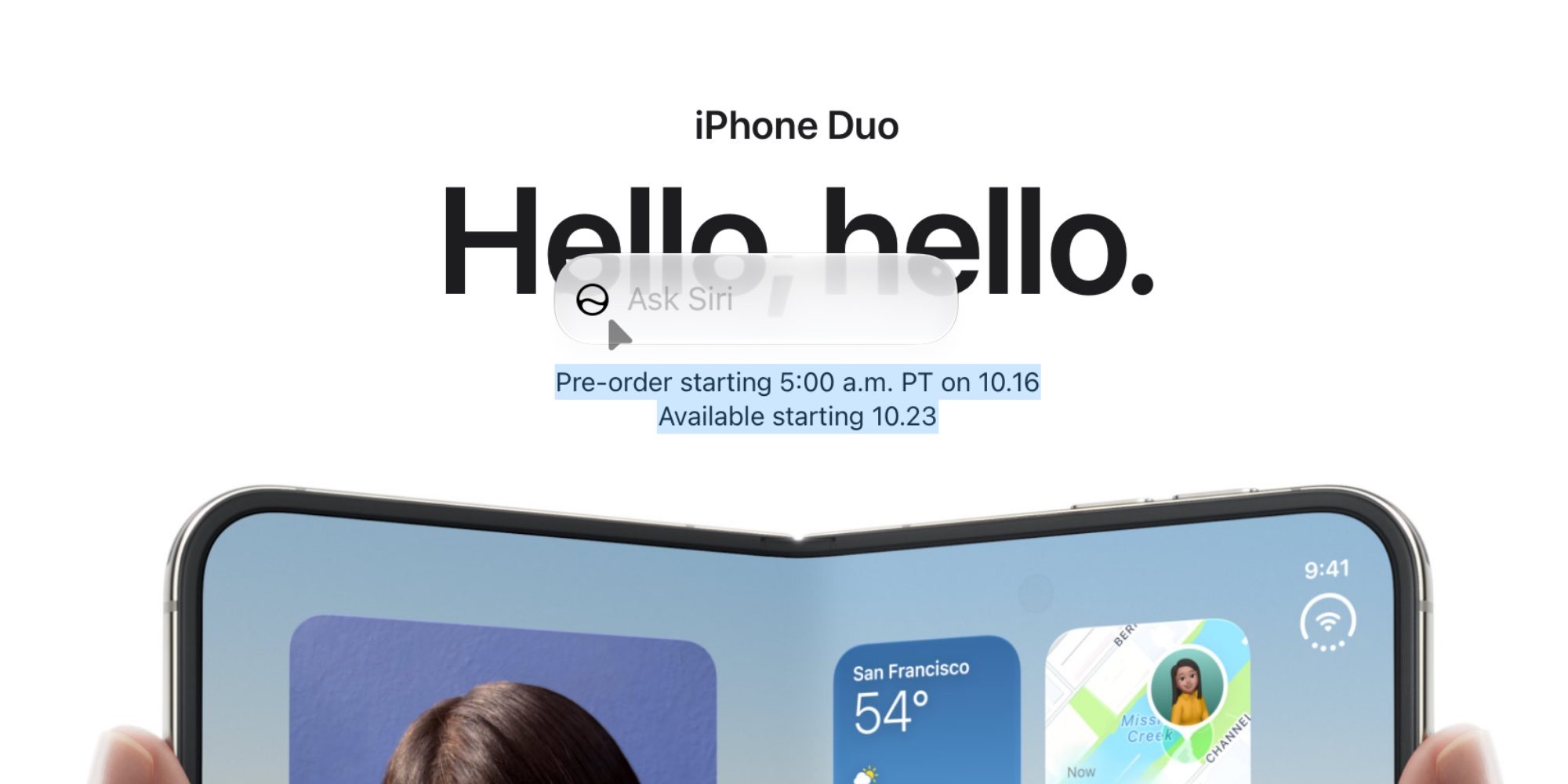
When utilizing a trackpad or mouse to highlight text within any application—whether drafting an email in Mail, writing a document in Pages, or editing notes—a discreet Siri icon now appears directly to the left of the selection.
How It Works in Practice:
- Hover and Expand: Simply resting the cursor over the Siri icon instantly expands the interface into an interactive "Ask Siri" text field.
- Contextual Awareness: Because Siri reads the highlighted passage, users can immediately query the assistant about the specific text without having to copy, paste, or re-explain the context.
- Smart Writing Tools: For writers and professionals, the expanded popup delivers quick-action suggestions. With a single click, users can trigger tools such as:
- Proofread: Automatically scan for grammatical errors, typos, and awkward syntax.
- Rewrite: Rephrase sentences to match a specific tone (professional, casual, concise).
- How does this sound?: Offer structural feedback on the readability and flow of the selected copy.
By embedding AI capabilities directly into the cursor’s path, Apple is effectively eliminating the friction of content creation on mobile glass.
2. Multi-User Profiles in the Apple TV App
The iPad has always occupied a unique space in the domestic environment. Unlike the iPhone, which is inherently a deeply personal, single-user device, the iPad is frequently a shared household commodity. Families share living room iPads, partners pass them back and forth in bed, and children borrow them for educational apps and media consumption.
Despite this reality, media consumption apps on iPadOS have historically suffered from a lack of multi-user support, forcing entire households to share a single watch history and algorithmically muddled recommendation queue.

Revolutionizing Shared Media:
iPadOS 27.2 remedies this by porting the robust Profiles architecture from tvOS (familiar to Apple TV 4K owners) directly to the iPad.
- Startup Profile Selection: Upon launching the Apple TV app, users are now greeted by a clean, intuitive profile selection screen. Selecting a specific user instantly reconfigures the application environment.
- Personalized Queues and History: Up Next queues, playback tracking, and machine-learning content recommendations immediately adapt to the active profile. No more adult thrillers appearing in a shared queue alongside children’s animated features.
- Granular Parental Controls: For parents, this update is a game-changer. When a child’s profile is active, the Apple TV app enforces strict age-rating filters and content restrictions configured by the account administrator. This ensures that younger viewers are completely walled off from mature content, offering peace of mind without requiring constant manual supervision.
Supporting Context & Metrics: The Modern Tablet Ecosystem
To fully appreciate the weight of iPadOS 27.2, one must evaluate the hardware landscape it supports. Apple’s ongoing investment in high-performance Apple Silicon (M-series chips) has transformed iPads into processing powerhouses capable of running complex machine learning models locally on-device.
- Accessory Adoption: Industry data indicates that over 65% of iPad Air and iPad Pro users regularly pair their devices with physical keyboards and trackpads (such as the Magic Keyboard). Features like the contextual Siri popup directly target this demographic, bridging the gap between traditional desktop ergonomics and touch-first innovation.
- Household Device Penetration: Market research consistently shows that tablets have a longer device replacement cycle than smartphones, often staying in active household circulation for 4 to 6 years. By introducing multi-user profiles in software updates like iPadOS 27.2, Apple extends the practical usability of older hardware in family settings, enhancing long-term customer satisfaction and ecosystem retention.
Future Outlook: What’s Next for iPadOS?
As Apple prepares for the final rollout of iPadOS 27.2 later this month, developers and industry analysts are already casting their gaze toward the future. The convergence of macOS interaction paradigms (such as cursor-driven AI popups) and tvOS media features signals a broader architectural strategy: Harmonization.

Rather than treating iPadOS as a hybrid experiment caught between iOS and macOS, Apple is steadily crafting a distinct identity for the platform—one that leverages the best elements of its sibling operating systems while honoring the unique form factor of the tablet.
Looking ahead to future .x releases and subsequent major operating system cycles, experts anticipate further expansion of ambient AI capabilities, deeper cross-device continuity, and more granular multi-user management tools. For now, iPadOS 27.2 stands as a welcome, highly practical upgrade that makes everyday tasks faster, writing smarter, and shared entertainment frictionless.
Are you currently running the iPadOS 27.2 developer or public beta? How are you utilizing the new contextual Siri text tools in your daily workflow? Let us know your thoughts in the comments below.