Executive Overview
The launch of a flagship smartphone is rarely without its teething troubles, but Apple is currently facing a uniquely frustrating hardware-software dilemma following reports from the field regarding its premier device. Apple has officially confirmed a persistent network connectivity bug affecting a subset of iPhone 18 Pro Max units operating on the AT&T cellular network in the United States.
The glitch is severe: it cuts affected devices off entirely from mobile data, voice calls, and text messaging, leaving users staring at an uninformative "SOS" status bar instead of their usual signal indicators. While Apple has swiftly rolled out a dual-pronged software defense—consisting of iOS 27.0.1 and a targeted carrier settings update—the tech giant has delivered a sobering reality check to those already suffering from the glitch. According to statements provided to industry publication 9to5Mac, once a device completely loses signal due to this specific bug, remote patches become useless. Users whose handsets have already succumbed to the defect will need to secure a physical hardware replacement through Apple Support or AT&T.
This development places an immediate operational strain on both companies’ retail and support channels, forcing consumers to navigate the cumbersome process of device swaps shortly after dropping top-tier cash on Apple’s most expensive smartphone.
Detailed Chronology: How the Crisis Unfolded
The unfolding narrative of the iPhone 18 Pro Max AT&T network bug highlights how quickly user-generated consumer complaints on social media and support forums can morph into a verified corporate crisis.
Phase One: Early Adopter Reports and the "SOS" Wave
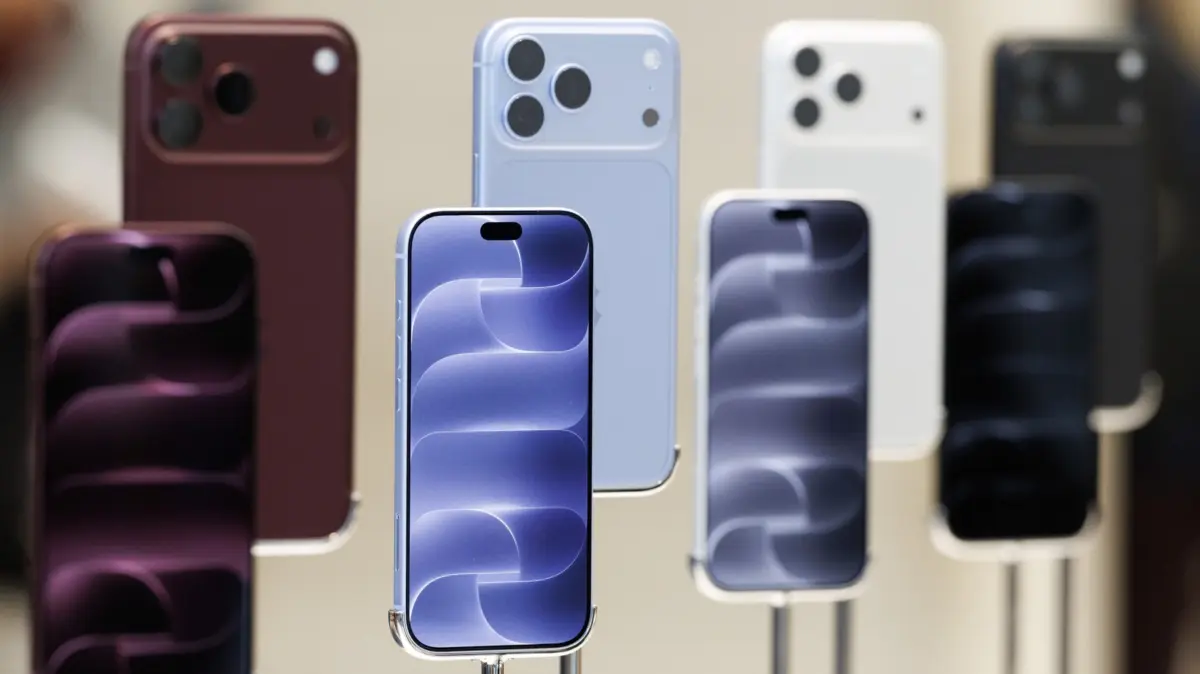
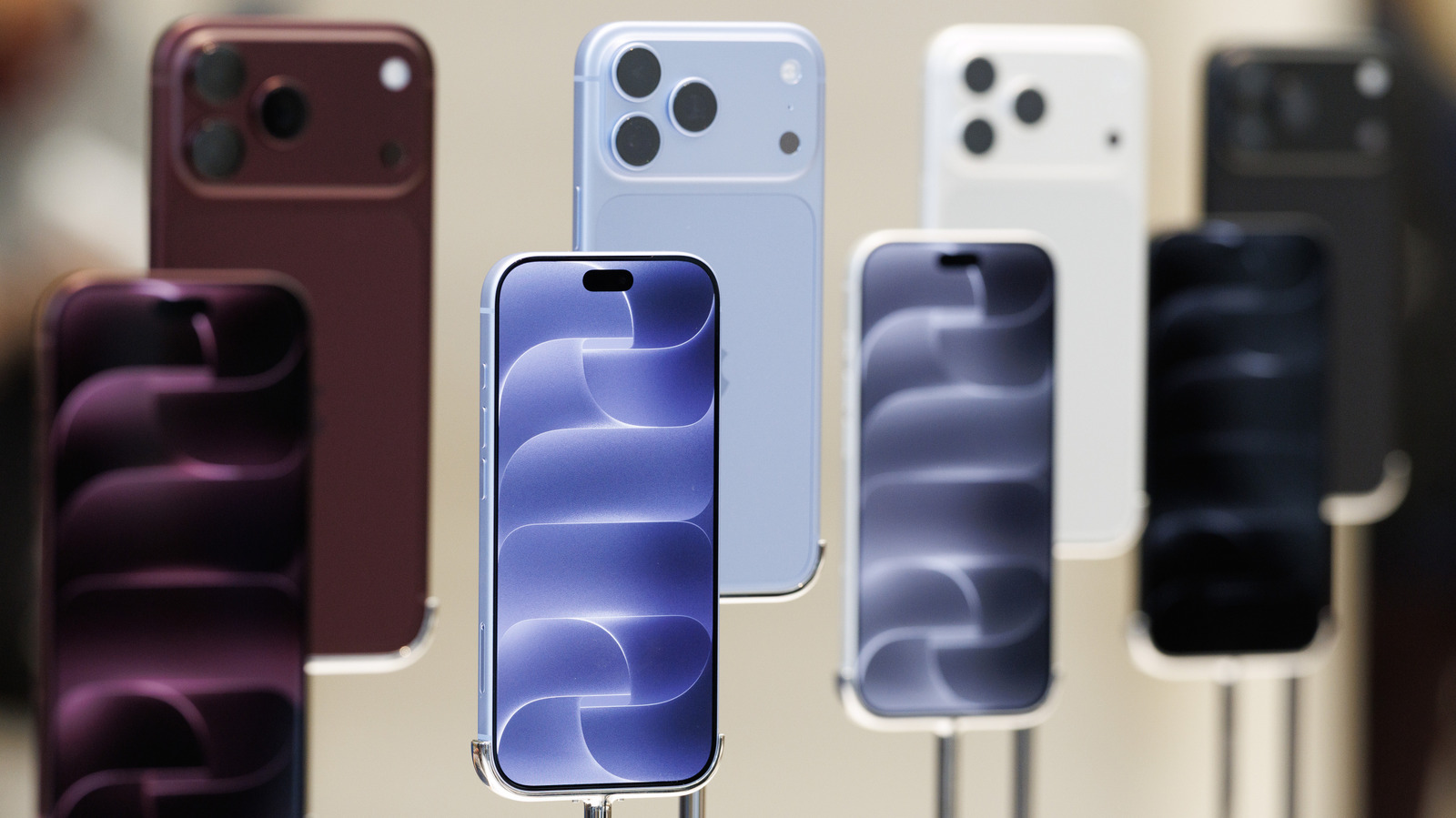
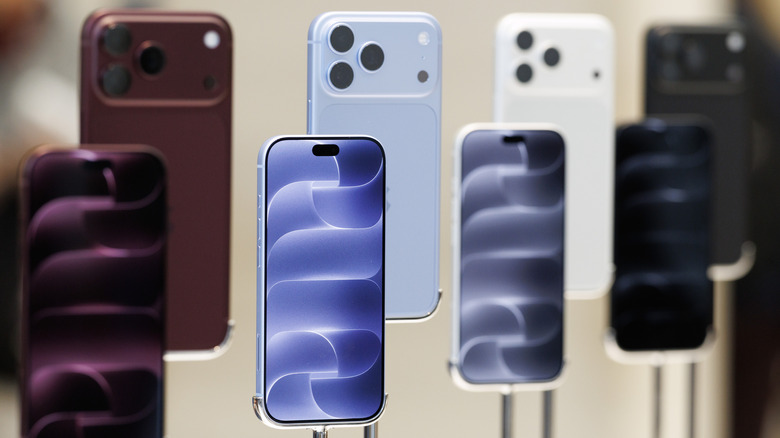
Shortly after the consumer release of the iPhone 18 Pro Max—available in its striking new color lineup of burgundy, glacial, silver, and black—early adopters utilizing AT&T as their primary carrier began taking to platforms like Reddit, X (formerly Twitter), and Apple’s support communities. Users reported sudden, unprovoked drops in service. For many, the device would briefly cycle through "Searching…" before permanently settling on the dreaded "SOS" text in the upper-right corner of the screen.
Initially, community moderators and general users assumed it was a localized AT&T tower outage or a routine carrier glitch. However, as reports continued to aggregate exclusively around the iPhone 18 Pro Max paired with AT&T SIM cards—leaving users of other models and networks untouched—it became clear that a deeper compatibility or system-level issue was at play.
Phase Two: Apple’s Official Acknowledgment and Patch Rollout
Facing mounting scrutiny, Apple formally acknowledged the bug and mobilized its engineering teams. In a coordinated response, the company pushed out iOS 27.0.1 earlier in the week, designed to address various launch-window bugs (including unrelated Face ID and touchscreen issues). Alongside the operating system update, Apple prepared an accompanying carrier settings update specifically targeting the AT&T protocol handshakes.
Apple’s official stance outlined a preventative strategy: users who had not yet experienced signal loss were urged to download the updates immediately to inoculate their devices against the flaw.
Phase Three: The Hardware Replacement Mandate
The turning point in the news cycle occurred when Apple clarified the limits of its digital patch. In communication with 9to5Mac, the company conceded that the bug runs deep enough to permanently compromise the device’s cellular components in a way that software cannot reverse.
For the unfortunate demographic whose handsets had already dropped off the network, the message was unequivocal: over-the-air updates, factory resets, and network re-provisioning would yield zero results. Physical device swaps became the only viable remediation path, turning a routine software patch cycle into a logistical hardware recall on a micro-scale.
Supporting Context & Metrics: The Modem Mystery and Scope
To fully understand the gravity of this situation, it is necessary to examine the hardware architecture of the iPhone 18 Pro Max and the precise parameters of the rollout.
The Qualcomm Modem Factor
An intriguing technical footnote to this unfolding drama involves the silicon housed within the chassis of the iPhone 18 Pro Max. Industry analysts have long monitored Apple’s multi-year quest to transition away from third-party suppliers and toward its in-house proprietary cellular modems.
Interestingly, within the current generation of devices, the iPhone 18 Pro Max stands out as the unique model sold in the United States that continues to rely on a Qualcomm modem rather than Apple’s custom-designed cellular architecture. While neither Apple nor Qualcomm has explicitly pointed the finger at the modem hardware as the root cause of the bug, the distinct hardware configuration of the Pro Max relative to its stablemates has fueled intense speculation among tech analysts and reverse-engineers regarding potential baseband firmware mismatches with AT&T’s specific network infrastructure bands.
Scale of the Incident: A "Small Number" of Users
Apple has been careful to manage public panic by emphasizing that the bug does not represent a systemic failure across the entire installed base of iPhone 18 Pro Max users on AT&T. Company representatives maintain that the issue impacts only a "small number" of users.
However, in the hyper-sensitive ecosystem of high-end consumer electronics, even a small percentage translates to tens of thousands of frustrated consumers who purchased a premium device—retailing well upwards of $1,200—only to find it incapable of performing basic communication functions.
Step-by-Step Mitigation for Unaffected Users
For those whose devices are still functioning normally on AT&T, Apple has outlined a strict protocol to prevent falling victim to the bug:
- Update to iOS 27.0.1: Navigate to Settings > General > Software Update and ensure the device is running the latest build.
- Check Carrier Settings: Go to Settings > General > About. If a carrier settings update is available, a prompt will appear automatically within a few seconds. If no prompt appears, the device is already running the current configuration.
Official Statements and Corporate Communication
The management of communications by both Apple and associated network partners underscores the careful balance required when handling hardware liabilities.
Apple’s primary statement issued to technology journalists serves as the cornerstone of the company’s public response:
"We have identified an issue affecting a small number of iPhone 18 Pro Max users on the AT&T network that may cause a device to lose service and be unable to make calls. We released iOS 27.0.1 earlier this week and strongly encourage all iPhone 18 Pro Max users to update now, and are also issuing a carrier settings update today. These updates together are meant to help prevent this issue from occurring."
While Apple has taken the lead on diagnosing the software-side prevention and directing the hardware swap protocols, AT&T retail stores and customer service centers have found themselves on the front lines of processing physical device replacements. Customers who find themselves with a bricked cellular connection are advised to contact Apple Support directly or schedule an appointment at an Apple Store Genius Bar, as well as coordinate with AT&T support channels to ensure line activation continuity on their replacement units.
Future Outlook and Industry Implications
As the dust settles on the initial wave of iPhone 18 Pro Max deployments, this incident leaves several lingering questions for Apple, AT&T, and the broader smartphone market.
Quality Assurance Under the Microscope
Apple has historically enjoyed a reputation for rigorous quality control, particularly regarding cellular integration and carrier interoperability. The fact that a bug of this magnitude—capable of completely severing a device’s core communication capabilities—slipped through pre-release testing and carrier lab validations will undoubtedly prompt internal retrospectives within Apple’s engineering divisions. As smartphones become increasingly complex, integrating multi-gigabit 5G connectivity with advanced artificial intelligence features (such as the new variable-aperture camera and Siri integrations found in the iPhone 18 series), the margin for error in baseband software grows razor-thin.
The Logistics of Hardware Swaps
For consumers, the immediate outlook requires patience. Securing a hardware replacement during the initial launch window—when device supplies are naturally constrained to meet high consumer demand—can lead to frustrating delays. Apple and AT&T will need to allocate dedicated swap inventory to ensure that affected users are prioritized over standard retail purchases.
Looking Ahead
Ultimately, while iOS 27.0.1 and the accompanying carrier update successfully close the vulnerability for the vast majority of users, the episode serves as a cautionary tale for the high-stakes world of annual flagship releases. For the small cohort of users forced to trade in their brand-new devices for replacements, the bug is a stark reminder that even the most advanced engineering can occasionally stumble on the complexities of modern cellular networks.