Executive Overview
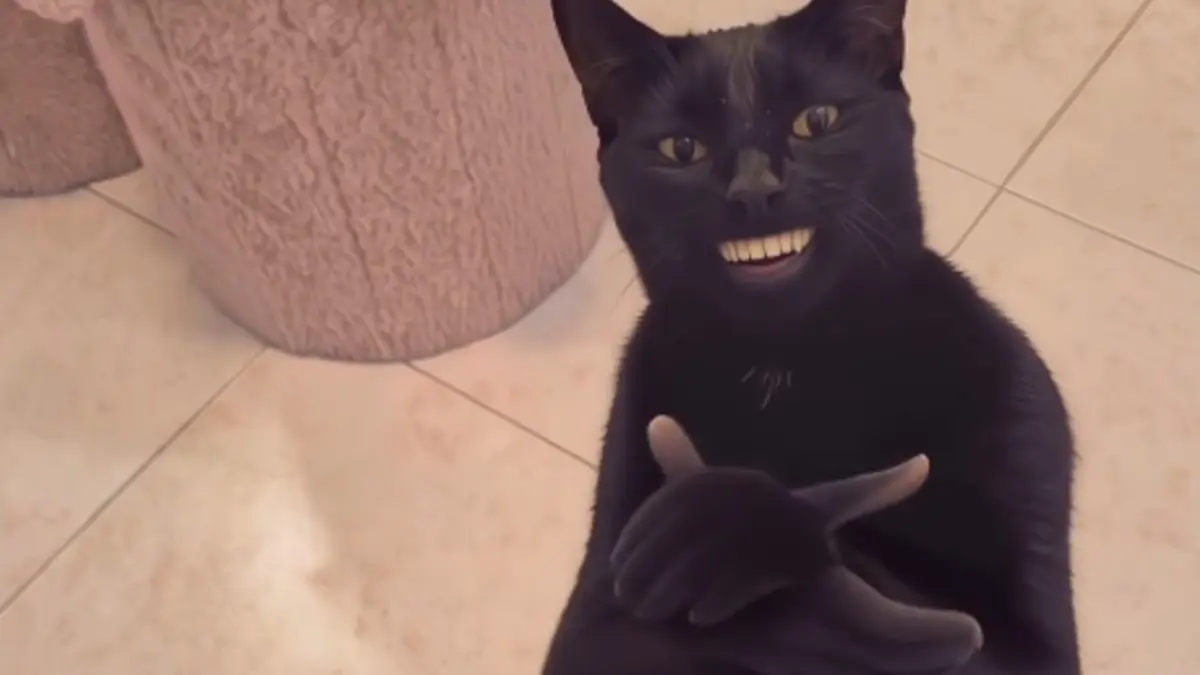
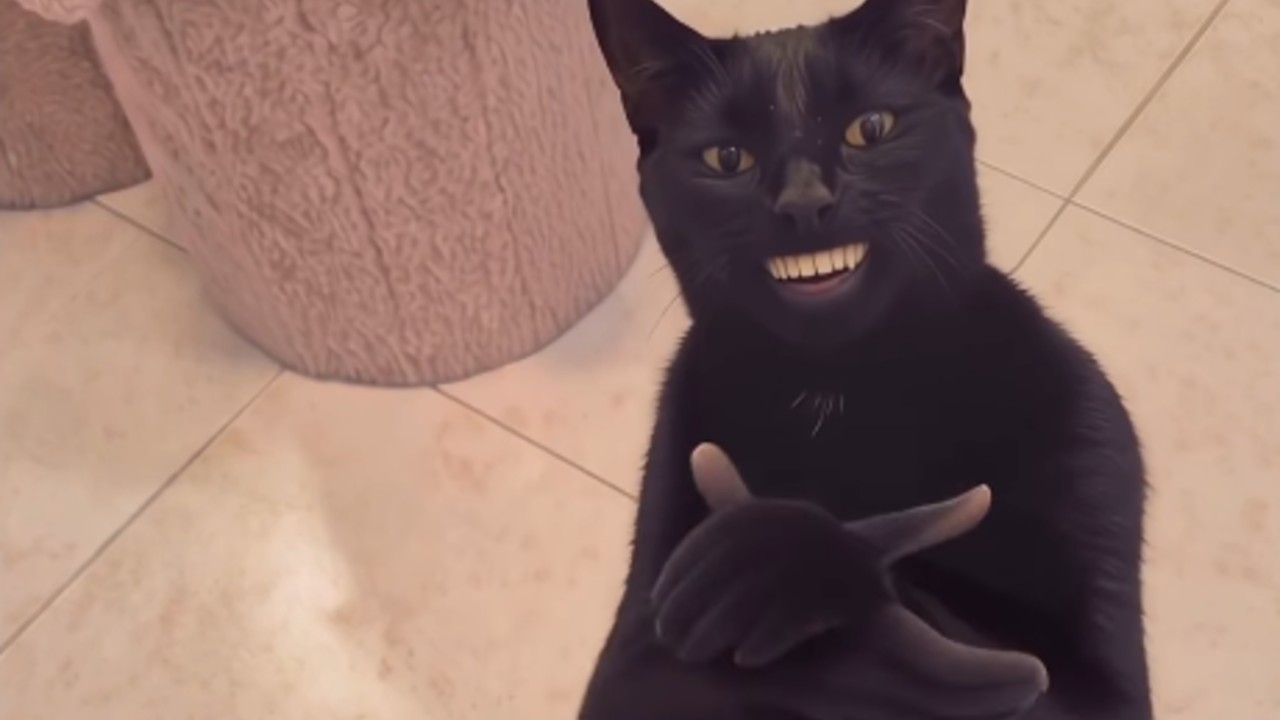
In the fast-paced ecosystem of internet culture, viral phenomena often emerge from the unlikeliest of digital intersections. Late September 2026 introduced one of the most distinct and pervasive memes of the digital year: Black Cat Clapping. Rooted in an artificial intelligence-generated video clip of a sleek black cat equipped with uncanny, human-like hands, a wide grin, and a slow-clapping motion, the meme has transformed from an isolated Instagram comedy post into a cross-platform juggernaut.
Spanning Instagram, TikTok, and various video-sharing communities, the Black Cat Clapping phenomenon serves as a prime digital vehicle for sarcasm, irony, and social commentary. Users across the globe have adopted the exploitable green-screen asset to mock poor behavioral choices, highlight awkward real-life situations, and satirize everyday humiliations.
This deep-dive investigation explores the origins, rapid acceleration, cultural resonance, and future trajectory of a viral trend that highlights both the creative potential and the unsettling uncanny valley of generative AI tools in modern content creation.
Detailed Chronology: From AI Experiment to Global Phenomenon
Phase 1: Inception and the Instagram Spark (Late September 2026)
The trajectory of the Black Cat Clapping meme began on September 25th, 2026. Instagram user merkurianin uploaded a seemingly innocuous comedy short. In the clip, the creator offers food to a house cat, which responds by sporting an overtly human smile and slowly clapping its hands in apparent delight.
Because the video was generated using artificial intelligence tools, the visual juxtaposition of a realistic feline face morphing into an unsettling human expression—coupled with dexterous, hand-like digits—immediately captured user attention. The post resonated deeply with audiences looking for novelty and dark humor, accumulating an astonishing 2.5 million likes within a single week of publication.
[September 25, 2026]
  │
  ├─> Instagram user @merkurianin posts AI-generated video of a cat clapping.
  │
[September 28, 2026]
  │
  ├─> TikToker @asian5767 releases the first viral green-screen edit (3.8M+ views).
  │
[September 30 - October 1, 2026]
  │
  ├─> Exploitables multiply; users apply the cat to classroom settings and awkward social encounters.
  │
[Early October 2026]
  │
  └─> Global cross-platform saturation, including animated and cinematic spin-offs (e.g., Simpsons edits).
Phase 2: The TikTok Green-Screen Explosion (September 28 – September 30, 2026)
As is standard for modern internet culture, the video did not remain confined to Instagram. On September 28th, TikTok creator @asian5767 isolated the cat via a green-screen edit, allowing other users to layer the clapping feline into their own video backgrounds. This technical democratization proved critical. Within days, the video amassed over 3.8 million views, unlocking a floodgate of creative reinterpretations.
On September 30th, TikTok account @mis2027seniors weaponized the clip for scholastic humor, captioning the clapping cat with the relatable, self-deprecating text: "I answered correctly and bro started clapping." This framing—where the cat sarcastically applauds someone for a mundane, embarrassing, or unintended action—cemented the meme’s core behavioral archetype. The video pulled in 1.7 million views in just five days.
Phase 3: Diversification and Cross-Platform Saturation (Early October 2026)
By the beginning of October, the trend had matured into a full-fledged format. On October 1st, TikToker @yeltiktok posted another iteration under the frustrated caption "Like dang bro be quiet," driving an additional 1.5 million views.
Creators quickly moved beyond basic green-screen overlays. Advanced edits began to emerge, including animated adaptations by creators like @lorenzodagosto, who rendered the meme in a distinct Simpsons art style. Others paired the cat’s slow, deliberate applause with various trending audio tracks—such as slowed versions of EXTINC7—turning the image into an aesthetic mood piece as much as a punchline.
Supporting Context & Metrics
The velocity of the Black Cat Clapping meme underscores the shifting dynamics of algorithmic virality on short-form video platforms. Several key metrics highlight its footprint across the digital ecosystem:
- Platform Reach: The primary origin video crossed the 2.5-million-like threshold on Instagram within seven days. Subsequent TikTok iterations regularly cleared the 1.5 million to 3.8 million view marks within similar timeframes.
- Content Formats: The meme primarily operates as an exploitable green-screen asset, giving creators complete freedom to place the cat into diverse environmental contexts—ranging from corporate office spaces and classrooms to absurd historical or cinematic backdrops.
- Psychological Function: Unlike celebratory memes of the past (such as the classic "Clapping DiCaprio"), the Black Cat Clapping meme is overwhelmingly sarcastic. The uncanny, almost predatory smile paired with human hands creates a sense of dread or passive-aggressive mockery, making it ideal for highlighting human folly, awkward social faux pas, or minor personal failures.
The AI Factor: Navigating the Uncanny Valley
A notable element of the Black Cat Clapping phenomenon is its explicit embrace of artificial intelligence. In earlier eras of internet history, memes were predominantly sourced from authentic, unedited photography or home video footage (e.g., "Disaster Girl," "Success Kid").
However, the rise of generative video tools has birthed a new category of internet lore: AI-native memes. The unsettling nature of the cat’s human hands and artificial smile is not a bug, but a feature. Users are drawn to the "uncanny valley" aesthetic—the psychological discomfort elicited by objects that closely resemble human beings or familiar animals without being entirely convincing.
By utilizing an AI-generated animal to mock human behavior, creators are leaning into a meta-ironic commentary on the media they consume. The cat acts as an externalized observer of absurdity, reminding audiences that reality itself is increasingly surreal in an age of synthetic media.
Future Outlook: Where Does the Clapping Cat Go From Here?
As the initial wave of novelty stabilizes, industry analysts and meme historians are left to evaluate the long-term staying power of the Black Cat Clapping trend.
- Mainstream Commercial Adaptation: Much like previous viral cat memes (such as "Smudge the Cat" or "Keyboard Cat"), commercial brands and corporate social media managers will likely attempt to co-opt the template for marketing campaigns. However, due to its sarcastic and occasionally cynical undertone, brands that fail to capture the ironic nuance risk generating "cringe" content.
- Evolution of AI-Generated Templates: The success of merkurianin’s creation paves the way for a broader subgenre of AI-generated reaction characters. As video generation models become more accessible and sophisticated, we can expect an influx of custom, hyper-realistic, yet bizarre synthetic creatures designed specifically to function as internet reaction faces.
- Cultural Legacy: While individual meme formats burn bright and fade quickly within the TikTok attention economy, the Black Cat Clapping meme has secured its place in late-2026 digital folklore. It stands as a defining artifact of how communities process the bizarre realities of generative technology—laughing nervously while the digital cat claps along in the background.