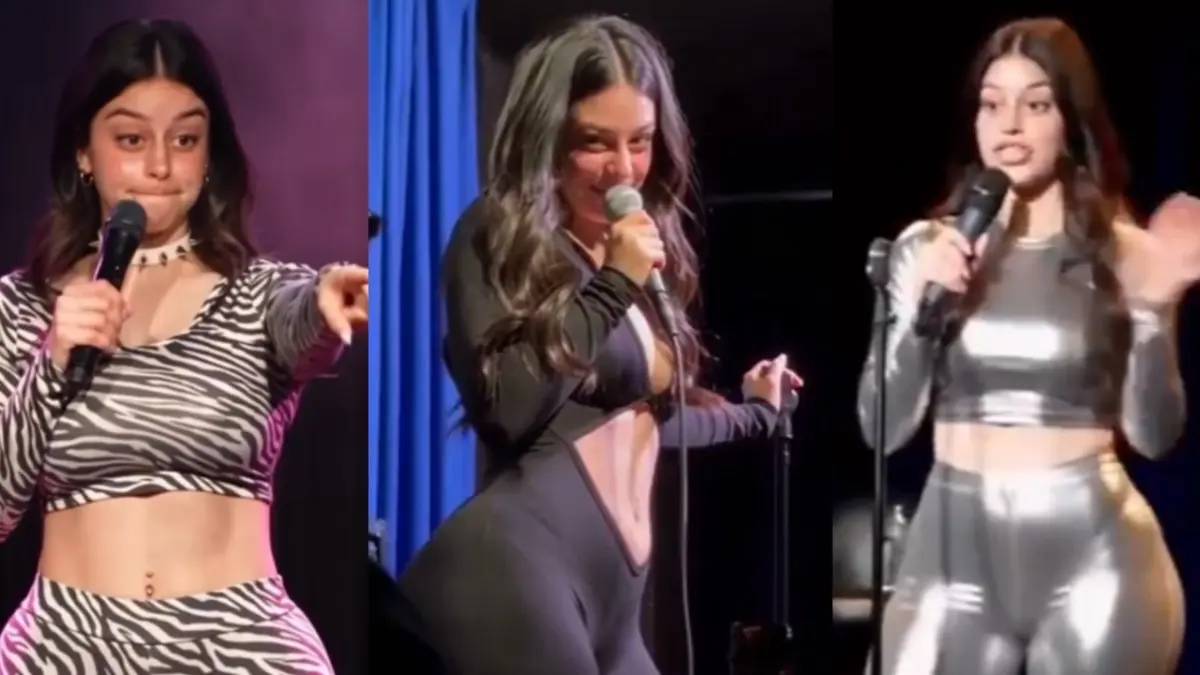
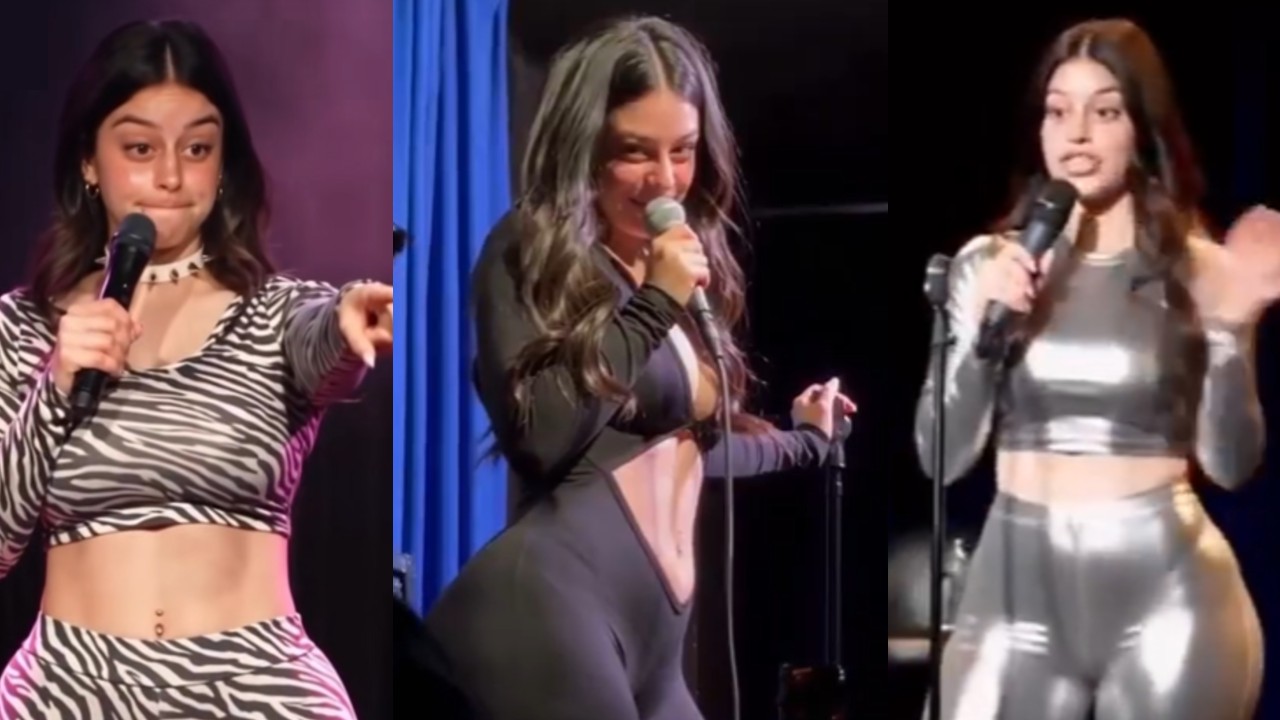
October 2026 — In the rapidly evolving landscape of artificial intelligence, synthetic media has crossed yet another controversial frontier. Meet Tiffany Sloane, an artificial intelligence-generated persona engineered to bridge the worlds of automated stand-up comedy and adult content monetization. Within just three weeks of her digital debut in September 2026, Sloane amassed an astonishing 360,000 followers on Instagram and millions of cumulative views across social media platforms.
However, her meteoric rise was abruptly halted by heavy backlash, widespread accusations of digital plagiarism, and condemnation from the creative community. The saga surrounding Sloane has since evolved into a defining case study of the intersection between generative AI, intellectual property theft, and the aggressive marketing tactics defining the modern attention economy.
Executive Overview
The phenomenon of Tiffany Sloane began as what some tech commentators initially hailed as a stroke of marketing ingenuity before quickly unraveling into a broader cautionary tale. Sloane, presented online as a glamorous, AI-generated female comedian, utilized synthetically produced stand-up routines to capture algorithmic attention. Behind the digital avatar, however, lay a calculated funnel designed to drive traffic to an OnlyFans profile tied to a real-world creator utilizing the AI persona as a commercial front.
This explosive growth hit a wall in early October 2026, when flesh-and-blood comedians exposed the operation as a fraud not only in its identity, but in its material. Comedian George Brett Olson publicly demonstrated that Sloane’s viral routines were lifted verbatim from his own stand-up sets.
The ensuing uproar drew sharp criticism from prominent journalists, commentators, and industry figures, including internet personality Asmongold. Faced with unrelenting backlash and scrutiny, the creators behind the account scrubbed all content from Instagram, leaving behind a sterile, empty profile that serves as a monument to the growing tensions between human creators and automated exploiters.
Detailed Chronology: From Obscurity to Infamy
Genesis and the Viral Explosion (September – October 3, 2026)
Tiffany Sloane’s digital footprint materialized in mid-September 2026. Utilizing advanced generative video, audio, and text models, her creators manufactured a lifelike persona capable of delivering short-form stand-up comedy clips optimized for Instagram Reels, TikTok, and YouTube Shorts.
The strategy exploited algorithmic biases favoring high-frequency posting and striking visual aesthetics. Within three weeks, the tiffany.bbyx Instagram account skyrocketed to over 360,000 followers, pulling in millions of views. The account’s bio subtly directed curious viewers toward an external link—an OnlyFans profile utilizing the synthetic persona as a high-conversion marketing vehicle.
The tipping point toward mainstream visibility occurred on October 3rd, 2026. X (formerly Twitter) user @venturetwins highlighted the account, praising it as a "genius OnlyFans marketing hack." The post read:
"I think I stumbled on a genius OnlyFans marketing hack. This AI comedian (‘Tiffany Sloane’) started posting 3 weeks ago and is blowing up — 360k followers and millions of views. Her bio links to what appears to be a real woman’s OF profile..using her AI persona for marketing."
While the tweet was intended to spotlight an innovative growth-hacking strategy, it inadvertently exposed the operation to a much wider, more critical audience that looked past the novelty of the technology to examine its ethical implications.
The Exposure and Immediate Backlash (October 3–5, 2026)
Almost immediately following the wider circulation of her clips, the foundation of Sloane’s viral success began to crack. On October 3rd, human comedian George Brett Olson took to Instagram to expose a glaring reality: Tiffany Sloane was not only a synthetic person, but a plagiarist. Olson published a side-by-side comparison video demonstrating that Sloane’s routines—down to the pacing, punchlines, and cadence—were directly stolen from his own original stand-up material. The video quickly gained traction, racking up over 100,000 likes within five days.
The revelation galvanized the online comedy and writing communities. On October 5th, journalist and author Jesse Singal quote-posted the original viral thread, succinctly summarizing the growing unease with the project by writing, "this is very very dark."
Later that same day, X user @JPHilllllll captured the sentiment of many digital rights advocates, posting:
"Perfect summary of the state of AI. Tech investor loves that someone is using AI to steal comedians’ content to do marketing for OnlyFans."
The mainstream media quickly picked up on the controversy. On October 5th, gaming and culture publication Kotaku published an investigative piece titled, "Viral AI-Generated Comedian Steals Jokes And Is Rewarded With Millions Of Views." The article detailed the mechanics of the operation, cementing Sloane’s status as a focal point for the wider debate over generative AI ethics.
Streamer Reactions and Content Erasure (October 6–7, 2026)
As public outrage metastasized across social media platforms, high-profile content creators began weighing in. On October 7th, the Asmongold Shorts YouTube channel uploaded a segment from streamer Asmongold’s live broadcast reacting to the Tiffany Sloane phenomenon. The clip dissected the absurdity of automated joke theft combined with adult-industry funneling, drawing over 644,000 views within 24 hours.
Under the crushing weight of negative media coverage, angry comments from the comedy community, and the potential threat of copyright infringement lawsuits or platform bans, the operators behind Tiffany Sloane blinked. By October 7th, the tiffany.bbyx Instagram page had completely purged its library, deleting all uploaded videos and posts while leaving the follower count temporarily intact as a silent reminder of its brief, turbulent reign.
Supporting Context & Metrics
To fully understand the Tiffany Sloane phenomenon, it is necessary to examine the metrics and cultural climate that allowed such an account to flourish before crashing.
- Audience Acquisition Velocity: Gaining 360,000 followers in three weeks is an exceptional feat under normal organic circumstances, achieved here by leveraging the novelty of hyper-realistic generative avatars. Algorithms on Instagram and TikTok frequently prioritize human-like faces and provocative framing, boosting initial distribution regardless of the underlying content’s originality.
- The Economics of Synthetic Funneling: The use of AI personas to drive traffic to monetized subscription platforms like OnlyFans represents an emerging frontier in digital marketing. By removing the labor-intensive process of personal branding, creators can deploy multiple synthetic agents across various niches (comedy, lifestyle, fitness) to maximize passive revenue generation.
- The Plagiarism Crisis in the Age of LLMs: While Large Language Models (LLMs) and generative video tools are often defended as "democratizing" creativity, the Tiffany Sloane case highlights how easily they facilitate intellectual property theft. Without safeguards, bad actors can instantly scrape, reformat, and synthesize years of painstaking labor by human comedians into automated, high-velocity output.
Official Statements and Industry Commentary
While the individuals operating behind the scenes of the Tiffany Sloane persona have maintained anonymity and declined to issue formal public statements—choosing instead to wipe their social media presence—industry analysts, legal experts, and fellow creators have been vocal.
The Comedians’ Guild and Independent Creators Alliance have increasingly pointed to incidents like the Sloane controversy to lobby for stricter platform regulations regarding synthetic media. Representatives have argued that platforms must implement robust cryptographic watermarking and automated copyright-detection tools that catch intellectual property theft before AI-generated clips achieve viral distribution.
Tech ethicists have similarly warned that the gamification of AI-driven deception—where audiences are intentionally misled into believing a synthetic persona is a genuine independent creator—erodes baseline trust in digital media.
Future Outlook: What the Tiffany Sloane Saga Means for Digital Media
The rapid rise and ignominious fall of Tiffany Sloane serves as a bellwether for the digital media ecosystem heading into the late 2020s. Several key takeaways emerge from this incident:
- The Fragility of Synthetic Viral Fame: While generative AI can manufacture initial engagement through algorithmic exploitation, it remains uniquely vulnerable to traditional human accountability. When exposed as fraudulent or predatory, synthetic accounts can be dismantled overnight through coordinated community pushback.
- A Call for Stricter Copyright Enforcement: The ease with which Sloane’s operators stole material from George Brett Olson underscores an urgent need for legal frameworks that protect performance rights and comedic material from automated scraping and synthesis. Traditional copyright law, often slow to adapt to technological shifts, faces intense pressure to close loopholes exploited by generative AI.
- Platform Accountability: Social media networks will face mounting pressure to police AI-generated accounts that impersonate humans or utilize stolen intellectual property. Features that clearly label synthetic media or verify the provenance of creative works will likely transition from optional features to mandatory requirements.
Ultimately, Tiffany Sloane will be remembered not as a stroke of marketing genius, but as a cautionary tale of overreach—a moment where the brazen exploitation of artificial intelligence met the unyielding defense of human creativity.