Executive Overview
In the fast-paced ecosystem of internet culture, virality rarely requires novelty. Often, the most resonant trends are built upon forgotten relics dredged from the digital archives of the early 2010s. The latest manifestation of this recursive internet archaeology is the "Zayn Malik Sleeping" meme, alternatively phrased through the ubiquitous Gen Z self-deprecation tagline: "Why am I lowkey giving Zayn Malik sleeping photo?"
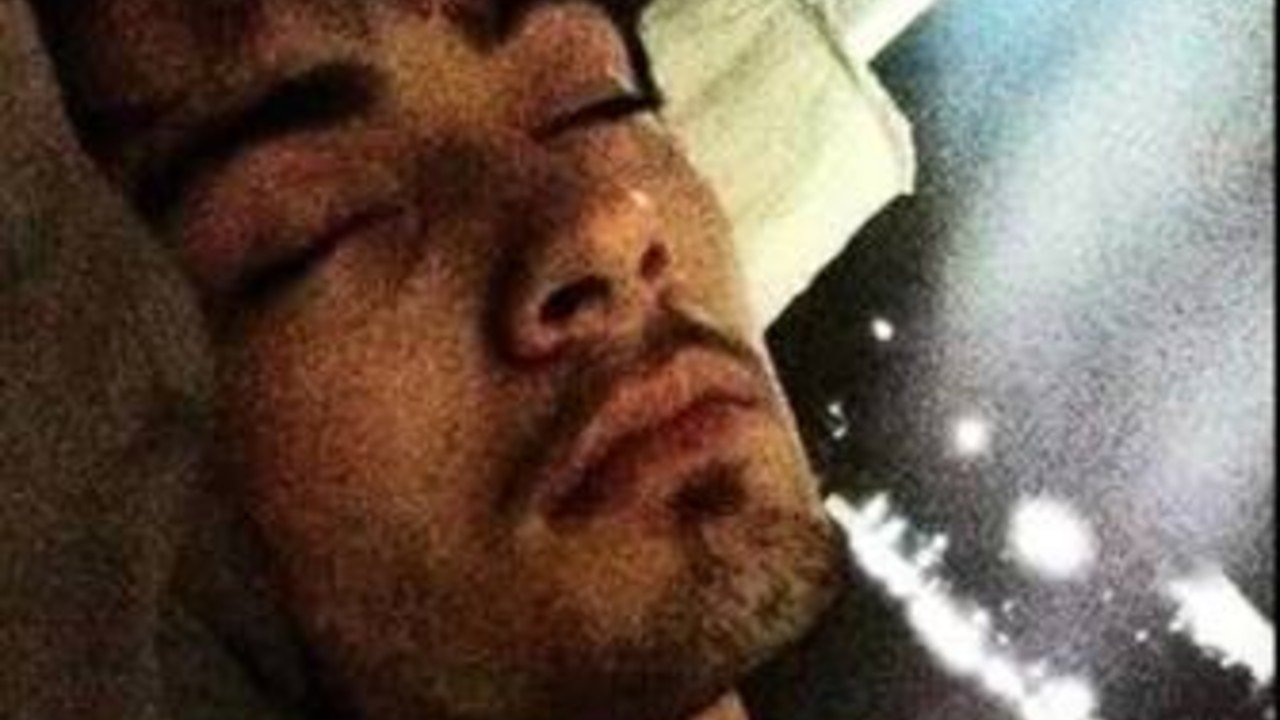
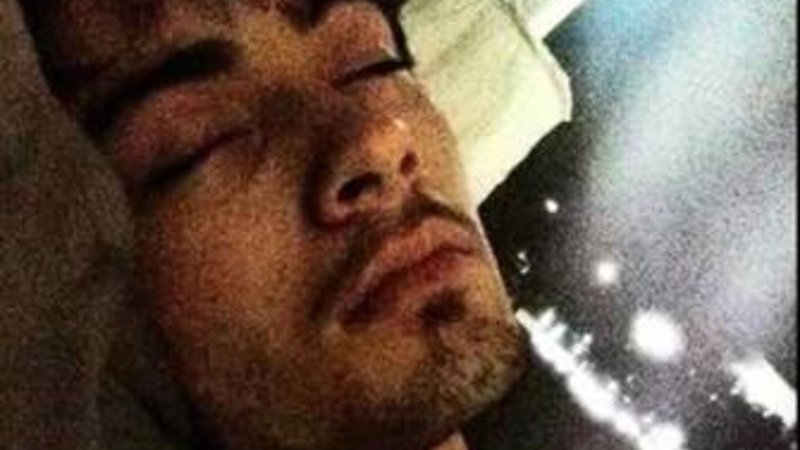
Centering around a vintage, widely circulated photograph of the former One Direction member sleeping shirtless, the trend exploded across TikTok in September and October 2026. What began as a nostalgic artifact from Tumblr’s golden era has been repurposed into a mass comedic format. Users across the globe juxtapose the pristine, effortlessly aestheticized image of a pop superstar resting against candid, deeply unflattering, or comically disparate photos of themselves, their friends, or their significant others.
This deep-dive investigation explores the anatomy of the trend, tracing its path from a 2013 internet fandom artifact to a multi-million-view viral sensation. By examining the psychology of comparative humor, the mechanics of modern digital self-deprecation, and the cyclical nature of millennial and Generation Z nostalgia, we decode how a simple photograph captured the collective absurdity of online identity in late 2026.
Detailed Chronology: From 2013 Tumblr Relic to 2026 TikTok Sensation
Phase I: The Archives (2013–2026)
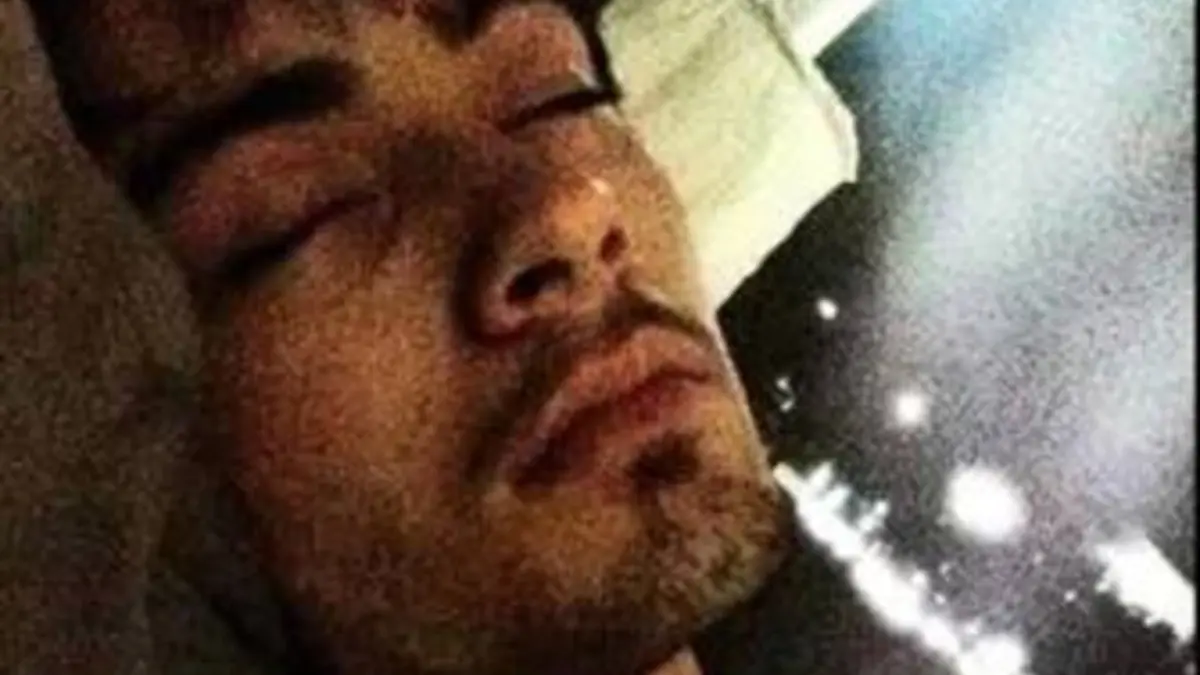
To understand the comedic payload of the current trend, one must trace the provenance of the source material. Circulating online since as early as 2013—the height of One Direction’s global domination—the photograph captures Zayn Malik asleep, shirtless, and bathed in soft, moody lighting that accentuates his striking facial structure and tattoos.
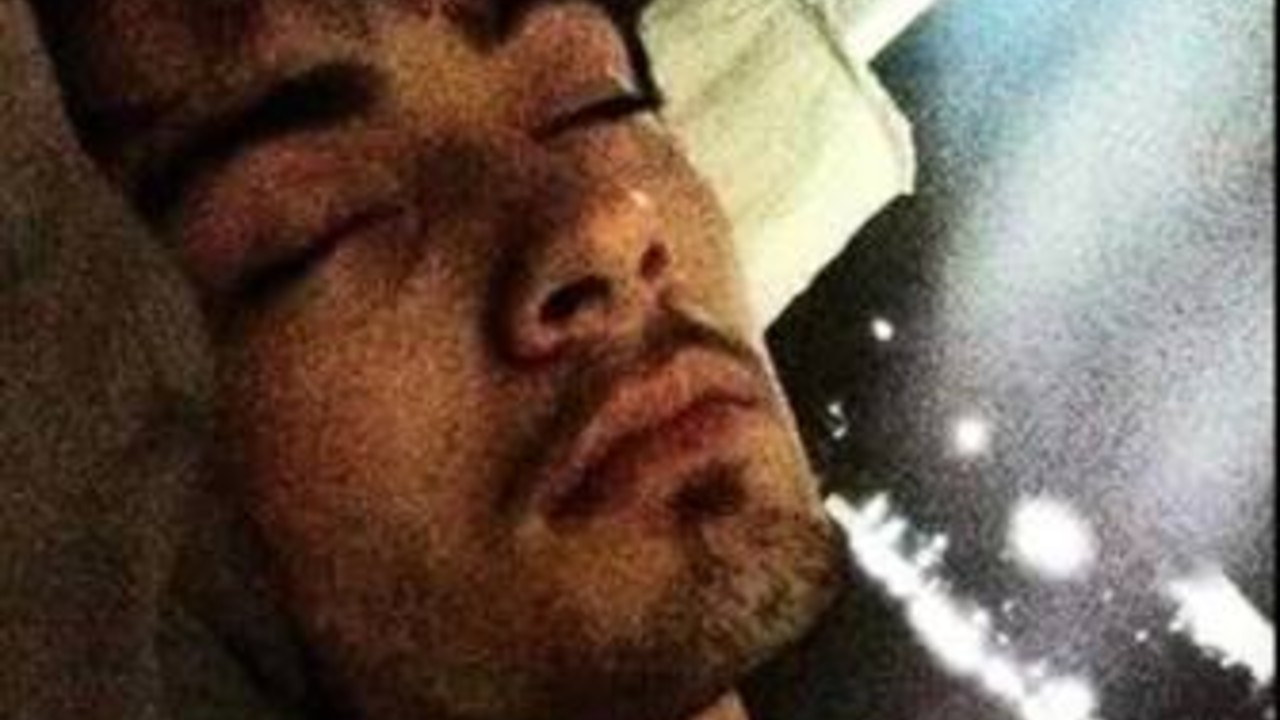
During the early 2010s, this image lived primarily within the echo chambers of Tumblr fan blogs, mood boards, and aesthetic curation pages. Across more than a decade, the image quietly accumulated over 59,000 notes on Tumblr. It functioned as a standard-issue teenage daydream catalyst—an idealized portrait of pop-star iconography packaged as a candid moment. For years, the image remained trapped in amber as a relic of peak directioner culture, largely invisible to mainstream algorithmic feeds until late 2026.
Phase II: The Spark on TikTok (Early September 2026)
The modern resurrection of the image occurred on September 4th, 2026, when TikTok user @timmy.thick47 uploaded a deceptively simple short-form video. The clip opens with the iconic, high-definition photo of Malik asleep before abruptly cutting to a series of photos of the creator himself attempting to sleep in various mundane, highly unglamorous environments.
Superimposed with the text, "Why am i low key giving zayn malik sleeping photo?", the video struck a chord with internet users who recognized the immense chasm between the idealized pop-star aesthetic and the brutal reality of human sleep postures. The post defied initial expectations, rocketing past 1.8 million views within a single month and establishing the structural blueprint for a new viral format.
Phase III: Exponential Spread and Mutation (Mid-to-Late September 2026)
As is characteristic of modern internet phenomena, the meme underwent rapid mutation as it propagated through TikTok’s recommendation algorithms. Users quickly realized that the humor scaled exponentially when the visual contrast between the source image and the user-generated content was widened.
- On September 7th, 2026, TikToker @ilove2000sshows posted a variation featuring a photograph of herself that bore zero physical or stylistic resemblance to Malik’s photo. The sheer irony of the comparison propelled the video to over 8.5 million views in under a month.
- On September 23rd, @anahyy.lol applied the format to romantic relationships, comparing an unflattering candid photograph of her sleeping boyfriend directly to Malik’s immaculate portrait. The video amassed over 4.8 million views in two weeks, triggering a sub-trend of partners playfully roasting their significant others’ sleep aesthetics.
- On September 26th, @cancelmil contributed another high-performing iteration, generating over 3 million views within a fortnight and cementing the meme as a staple of late-September digital culture.
Supporting Context & Metrics
The "Zayn Malik Sleeping" trend is not an isolated incident; rather, it is part of a broader algorithmic shift toward ironic self-comparison. Understanding the mechanics of its success requires analyzing the quantitative reach and qualitative appeal of the format.
Quantitative Breakdown of Key Viral Posts
| Date (2026) | Creator Handle | Core Premise / Contrast | Approximate Views |
|---|---|---|---|
| September 4 | @timmy.thick47 | Creator compares his own sleeping photos to Malik’s. | 1.8 Million |
| September 7 | @ilove2000sshows | Extreme contrast (completely unrelated, unglamorous photo). | 8.5 Million |
| September 23 | @anahyy.lol | Roasting a boyfriend’s sleeping posture against Malik. | 4.8 Million |
| September 26 | @cancelmil | Standardized ironic aesthetic comparison. | 3.0 Million |
The Psychology of "Lowkey Giving"
The linguistic anchor of the trend—the phrase "Why am I lowkey giving [X]?"—is rooted in contemporary digital slang where "giving" implies projecting a specific vibe, energy, or aesthetic. By applying this phrase to an impossible standard of beauty (a professional pop star captured in optimal lighting), users engage in a form of hyperbole known as delusional self-aggrandizement.
This rhetorical device relies on deadpan irony. The creator knows—and expects the audience to know—that they look nothing like Zayn Malik. The humor is derived precisely from the audacity of the comparison. In an internet landscape saturated with hyper-curated, filtered perfection, the "Zayn Malik Sleeping" meme offers a refreshing dive into communal ugliness, awkward angles, and unglamorous reality.
Cultural Impact & Industry Perspectives
While the music industry and pop culture institutions often view viral memes as fleeting novelties, cultural analysts suggest that trends like the Zayn Malik sleeping phenomenon reveal deeper shifts in how younger generations interact with celebrity culture.
The Democratization of Pop Icons
In the 2010s, boyband members like Zayn Malik were placed on inaccessible pedestals by traditional media and public relations apparatuses. Fanbases worshiped them through pristine, approved imagery. TikTok has effectively dismantled that pedestal. By dragging a 2013 fan-favorite image into the mud of shitpost comedy, modern internet users flatten the hierarchy between global superstar and everyday consumer. Malik is no longer an untouchable idol in this context; he is a prop, a baseline unit of measurement for human slumber.
Nostalgia as a Comedic Currency
The trend also highlights the aging demographic of internet users. The teenagers who obsessively reblogged the original Malik photo on Tumblr in 2013 are now in their mid-to-late twenties, navigating the exhausting realities of adulthood, full-time jobs, and sleep deprivation. For this demographic, the meme serves as a bridge across time—a nostalgic nod to their youth weaponized to cope with the unglamorous reality of how they actually look when they wake up in 2026.
Future Outlook
As the initial wave of algorithmic novelty begins to plateau, where does the "Zayn Malik Sleeping" meme head next?
- Brand and Corporate Co-Optation: Predictably, corporate social media accounts are beginning to eye the format. Expect logistics companies, mattress brands, and coffee chains to attempt variants of the meme ("Why is our Monday morning inventory count lowkey giving Zayn Malik sleeping photo?"), which will likely signal the immediate death cycle of the trend.
- Meta-Irony and Saturation: As creators exhaust the direct comparisons between themselves and Malik, the format is expected to evolve into hyper-abstract meta-irony—comparing inanimate objects, historical figures, or absurd abstract concepts to the legendary photograph.
- The Archival Afterlife: Ultimately, the meme has permanently altered the digital footprint of the original image. Whenever someone searches for Zayn Malik’s archival photos in the future, the primary association will no longer be 2013 teen idol worship, but rather the collective, self-deprecating laughter of millions of TikTok users wondering why they, too, are "lowkey giving" a sleeping pop star.