
Executive Overview
Morale has plummeted to historic lows at Flock Safety, one of the most polarizing private technology companies operating in the United States today. According to recent reports citing insider sources, the artificial intelligence surveillance startup is bracing for substantial corporate restructuring, planning to slash roughly 18 percent of its total workforce. This impending reduction is expected to impact approximately 270 employees out of a total headcount of 1,500, with final terminations slated to take effect by the end of October.
The layoffs come on the heels of an aggressive internal buyout initiative launched earlier in the fall, which featured generous severance packages designed to mitigate employee friction. This internal distress is not happening in a vacuum; it is the direct consequence of a rapidly escalating public relations crisis. Flock Safety, once celebrated in venture capital circles as a disruptive innovator in community-oriented law enforcement tech, has rapidly morphed into a lightning rod for national controversy.
Specializing in the deployment of AI-powered Automated License Plate Reader (ALPR) cameras mounted strategically on urban thoroughfares and suburban light poles, Flock has seen its hardware proliferate across thousands of municipalities nationwide. However, this sweeping expansion has triggered an intense, cross-ideological revolt. From state governors and municipal police departments to high-profile media pundits spanning the entire political spectrum, opposition to Flock’s omnipresent surveillance apparatus has solidified into a formidable political movement.
Compounding these top-down regulatory hurdles is a wave of bottom-up grassroots hostility, marked by viral instances of vigilante vandalism and the physical destruction of company hardware. As state funding dries up, high-profile contracts dissolve, and internal dissent mounts, Flock Safety stands at a perilous historical crossroads. The company’s trajectory offers a profound case study in the friction between aggressive corporate expansion, mass surveillance capabilities, and the limits of public tolerance in a privacy-conscious society.
Detailed Chronology: The Rise and Fall of a Surveillance Giant
To understand the suddenness of Flock Safety’s current crisis, one must examine the meteoric rise of the company and the compounding events that triggered its rapid descent into public disfavor. Founded with the mission of eliminating crime through technology, Flock rapidly carved out a lucrative niche by offering police departments, homeowners associations, and local municipalities access to a vast, interconnected network of optical sensors. These cameras do more than simply capture license plates; they utilize advanced machine learning algorithms to log vehicle makes, models, colors, and even unique physical modifications, creating searchable, real-time databases for law enforcement agencies.
The Turning Point: Summer to Fall 2026
The structural integrity of Flock Safety’s business model began to fracture under the weight of sustained political and public scrutiny during the second half of 2026. The timeline of its decline reveals a cascade of regulatory blows and internal fractures:
- Early September 2026: Cracks in the corporate facade widened significantly when WIRED reported that Flock Safety had quietly initiated an employee buyout program. Facing mounting moral objections from within its own ranks—where engineers and support staff increasingly questioned the societal utility and ethical implications of their work—management offered lucrative exit packages. This voluntary exodus was an early indicator that the company’s internal culture was buckling under the pressure of external stigma.
- Late September 2026: State governments began aggressively severing ties with the company. Texas emerged as a major battleground when Governor Greg Abbott announced that the state would cut off all funding for Flock-related infrastructure, aligning his administration with voters deeply skeptical of automated tracking systems ahead of the crucial November midterm elections. Concurrently, local resistance in states like Florida resulted in sweeping legislative bans targeting highway surveillance hardware.
- Early October 2026: The crisis deepened as institutional clients began backing away. The Los Angeles Police Department (LAPD)—one of the company’s most prominent municipal partners—officially declined to renew its contract for Flock cameras, citing escalating community pushback and legal uncertainties.
- Mid-October 2026: Financial realities forced the company’s hand. Sources speaking to Reuters confirmed that voluntary buyouts would be insufficient to right the sinking ship, forcing leadership to transition toward involuntary layoffs targeting nearly one-fifth of the company’s workforce.
Supporting Context & Metrics: The Scale of the Backlash
The friction facing Flock Safety is uniquely defined by its cross-partisan nature. In an era of intense political polarization, where consensus is rare, opposition to ubiquitous automated surveillance has united progressives, libertarians, and traditional law-and-order conservatives.
The Bipartisan Political Front
The regulatory assault on Flock’s business model transcends traditional party lines:
- The Right-Wing Critique: Prominent conservative figures and lawmakers have increasingly framed automated license plate readers as the infrastructure of an emerging authoritarian surveillance state. Florida Governor Ron DeSantis made national headlines by enforcing a state highway ban against the company, explicitly stating, "I don’t want to have this become a surveillance state." Similarly, conservative media personality Tucker Carlson and various grassroots conservative groups have targeted the company for building centralized databases that track ordinary, law-abiding citizens without a warrant.
- The Left-Wing and Centrist Critique: On the other side of the aisle, civil liberties advocates, progressive organizers, and moderate Democrats have raised alarm bells regarding racial profiling, data security, and the erosion of the Fourth Amendment. In Pennsylvania, Democratic Governor Josh Shapiro publicly panned Flock’s technology as an overreaching tool of mass law enforcement surveillance, declaring that he would "welcome" comprehensive legislative bans. Progressive commentators, including popular media figure Hasan Piker, have continuously spotlighted the company, framing it as corporate overreach enabled by municipal panic over crime rates.
The Grassroots and Vigilante Factor
Beyond legislative chambers and executive mansions, public hostility has manifested in unconventional, highly disruptive ways. Over the past year, "Flock hunting" has emerged as a bizarre viral subculture on platforms like TikTok, X (formerly Twitter), and Instagram.
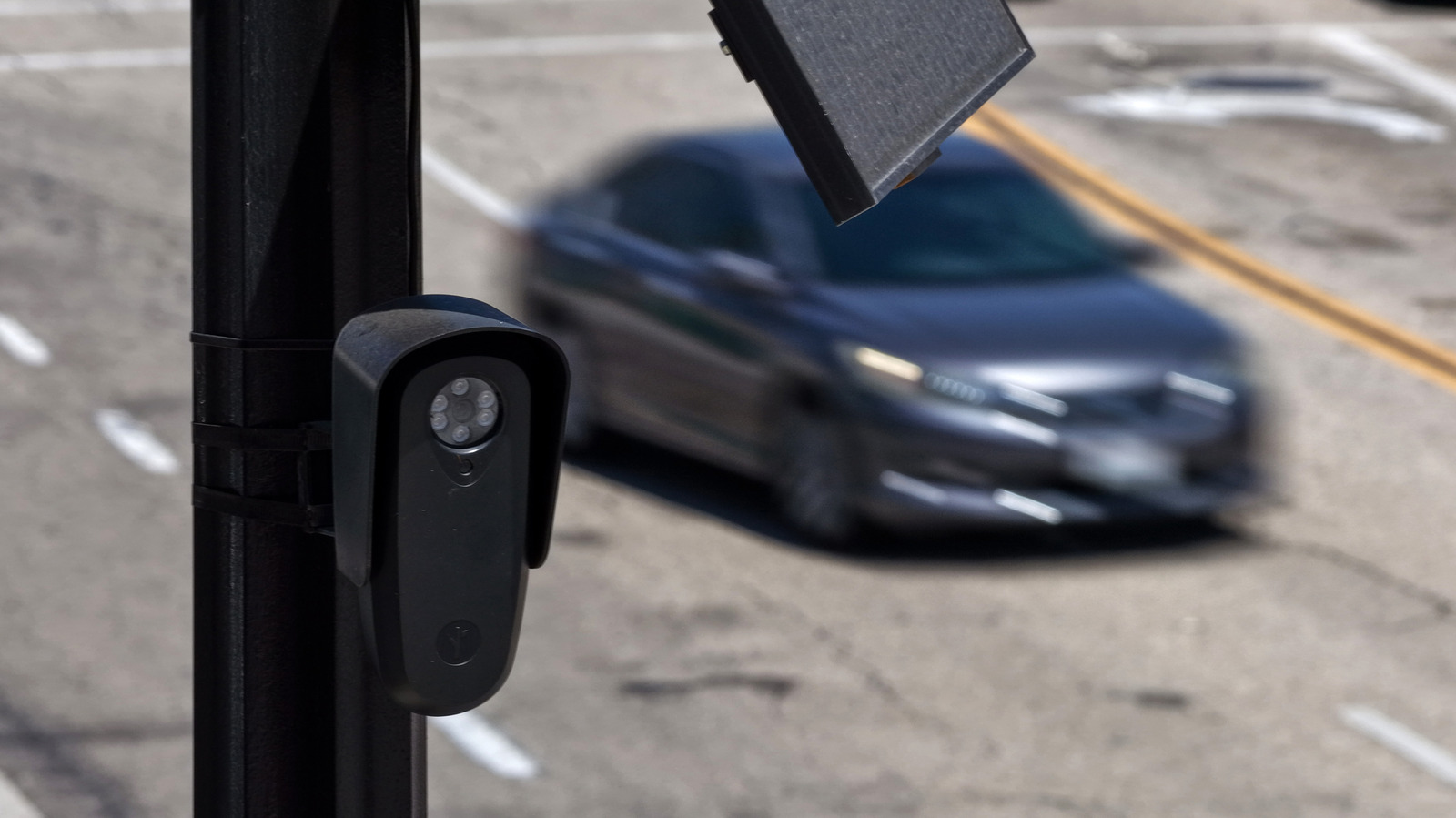
Anonymized vigilantes have uploaded numerous videos detailing the physical dismantling, spray-painting, and outright theft of Flock cameras mounted on public infrastructure. These acts of civil disobedience—or criminal mischief, depending on the legal perspective—have frequently garnered hundreds of thousands of supportive comments, illustrating a profound collapse in public trust. When citizens begin actively cheering the destruction of corporate property designed to monitor their daily commutes, a company’s license to operate within the public sphere is severely compromised.
Official Statements and Industry Reactions
As the crisis unfolds, the silence from Flock Safety’s executive leadership has been deafening, punctuated only by carefully managed public relations statements and leaked internal memos. Industry analysts note that the company’s traditional talking points—emphasizing that its technology helps solve violent crimes, locate missing persons, and recover stolen vehicles—are no longer resonating with a public increasingly sensitized to digital privacy violations.
The Law Enforcement Dilemma
Law enforcement agencies that integrated Flock systems into their daily operations now find themselves in a precarious position. Police chiefs and municipal leaders who once championed the technology as a cost-effective force multiplier are now forced to weigh the operational benefits against the political liability of retaining controversial contracts.
In cities where contracts have been allowed to lapse, such as Los Angeles, police unions and department administrators are scrambling to find alternative, less visible methods for tracking vehicle movements, or are scaling back predictive policing initiatives altogether. Security experts point out that the sudden loss of thousands of active nodes across the national network significantly degrades the utility of the broader system, creating blind spots that could trigger a cascading loss of enterprise value for the firm.
Venture Capital and Tech Sector Implications
Within the broader technology sector, Flock’s struggles are being closely monitored by venture capitalists investing in GovTech (government technology) and public safety AI. For years, the prevailing wisdom in Silicon Valley was that selling software and hardware to law enforcement was a recession-proof, politically insulated enterprise. Flock Safety’s rapid descent suggests a new paradigm: that public backlash, privacy advocacy, and reputational damage can erode enterprise value just as swiftly as regulatory penalties or market competition.
Future Outlook: Can Flock Safety Pivot, or Is the Brand Irreparably Damaged?
As Flock Safety prepares to execute its 18 percent workforce reduction at the end of October, the immediate future looks bleak. The fundamental challenge facing the company is not merely financial; it is existential.
Navigating the Brand Crisis
To survive, Flock must navigate a three-pronged crisis:
- Restoring Internal Stability: The impending layoffs and prior employee buyouts have drained institutional knowledge and severely damaged internal morale. Rebuilding a cohesive, motivated engineering and sales culture will require significant leadership changes and a clear strategic pivot.
- Addressing Regulatory Headwinds: With key states like Texas and Florida actively hostile to its business model, and other jurisdictions weighing similar bans, the company’s addressable domestic market is shrinking rapidly. Flock will either need to successfully lobby and compromise on strict privacy guardrails—such as mandatory data purging protocols and independent auditing—or accept a vastly diminished geographical footprint.
- Combating Public Perception: Overcoming the stigma of being viewed as a private "surveillance contractor" requires a fundamental re-branding effort. However, short of a complete structural overhaul and a dramatic shift toward transparent, privacy-first technologies, public hostility is likely to persist.
Conclusion
Flock Safety’s current travails serve as a cautionary tale for the modern surveillance-industrial complex. The company built an extraordinarily effective product that met a specific municipal demand, but it did so at the expense of public trust, civil liberties consensus, and democratic transparency. As the company trims its workforce by nearly 300 employees and watches its state-level partnerships disintegrate, it remains to be seen whether Flock Safety can adapt to a nation increasingly hostile to unvetted corporate surveillance—or if it will become a historical casualty of the digital privacy era.