For decades, the trajectory of display technology has been written as an unbroken line of technological progress. We traded bulky, earth-heavy cathode-ray tube (CRT) monitors for sleek, flat liquid-crystal displays (LCDs), which in turn yielded to the vibrant, infinite-contrast illumination of organic light-emitting diodes (OLEDs). Thinness, weight reduction, absolute pixel density, and raw resolution became the metrics by which hardware was judged.
Yet, as display refresh rates have climbed to dizzying heights—scaling from standard 60 Hz up to blistering 540 Hz and beyond—a subtle realization has dawned on display purists, retro gaming enthusiasts, and hardware engineers: modern flat-panel displays, for all their technical wizardry, are still struggling to match the pristine motion clarity of the analog heavyweights of the past.
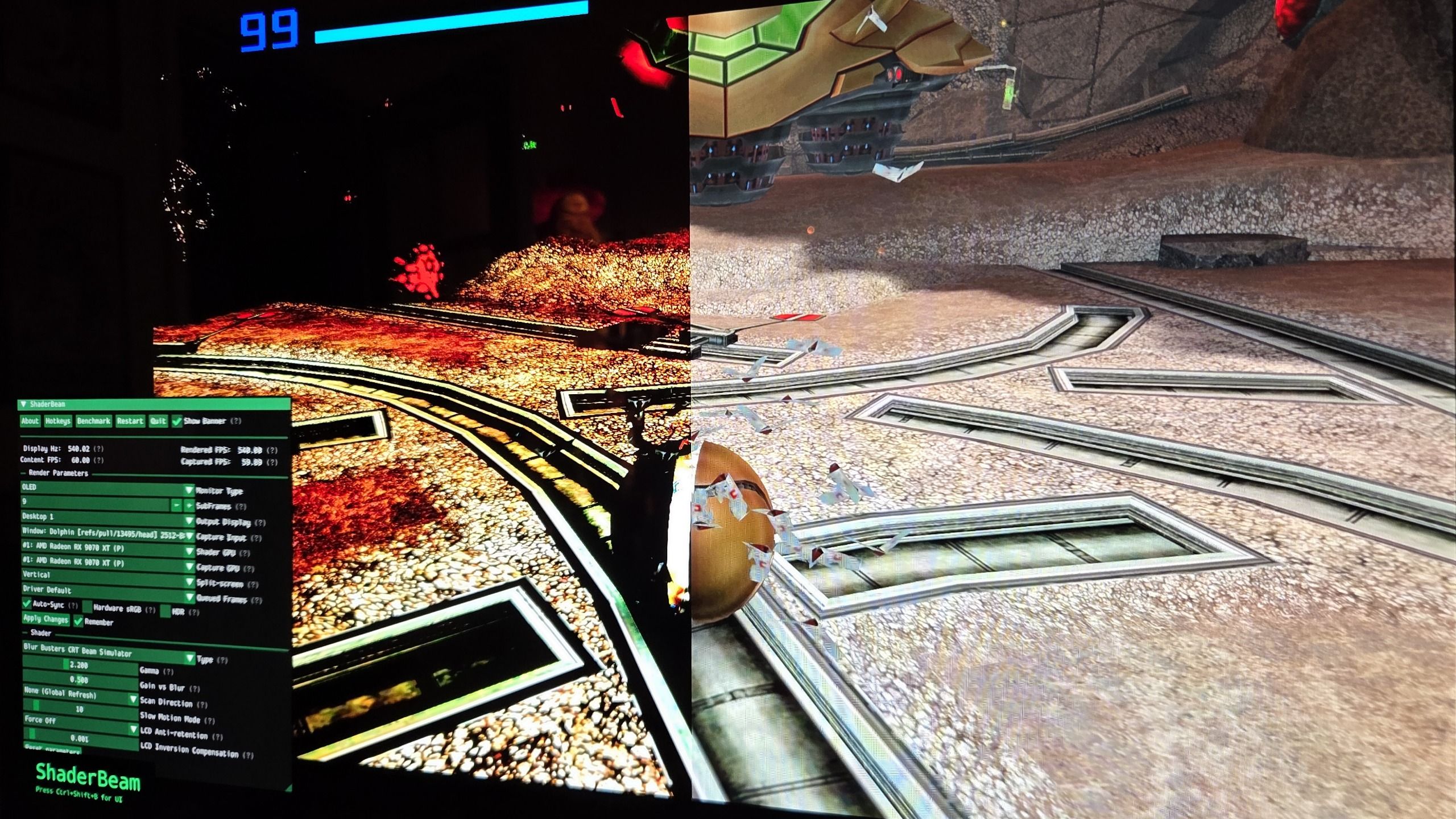
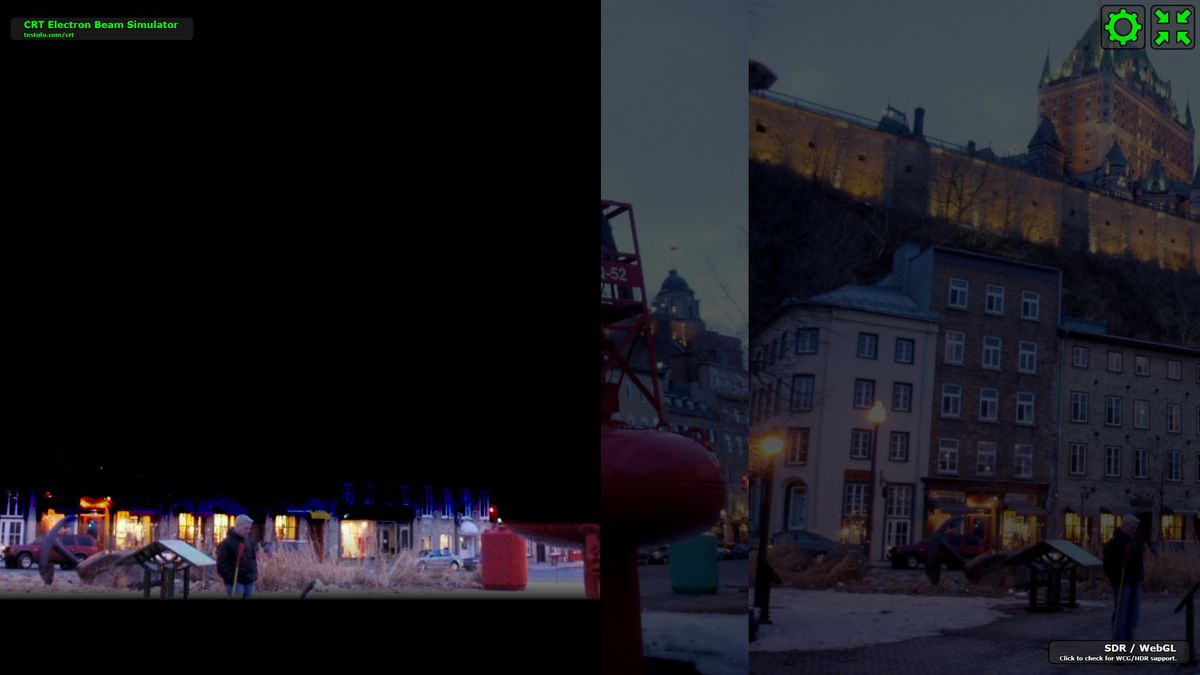
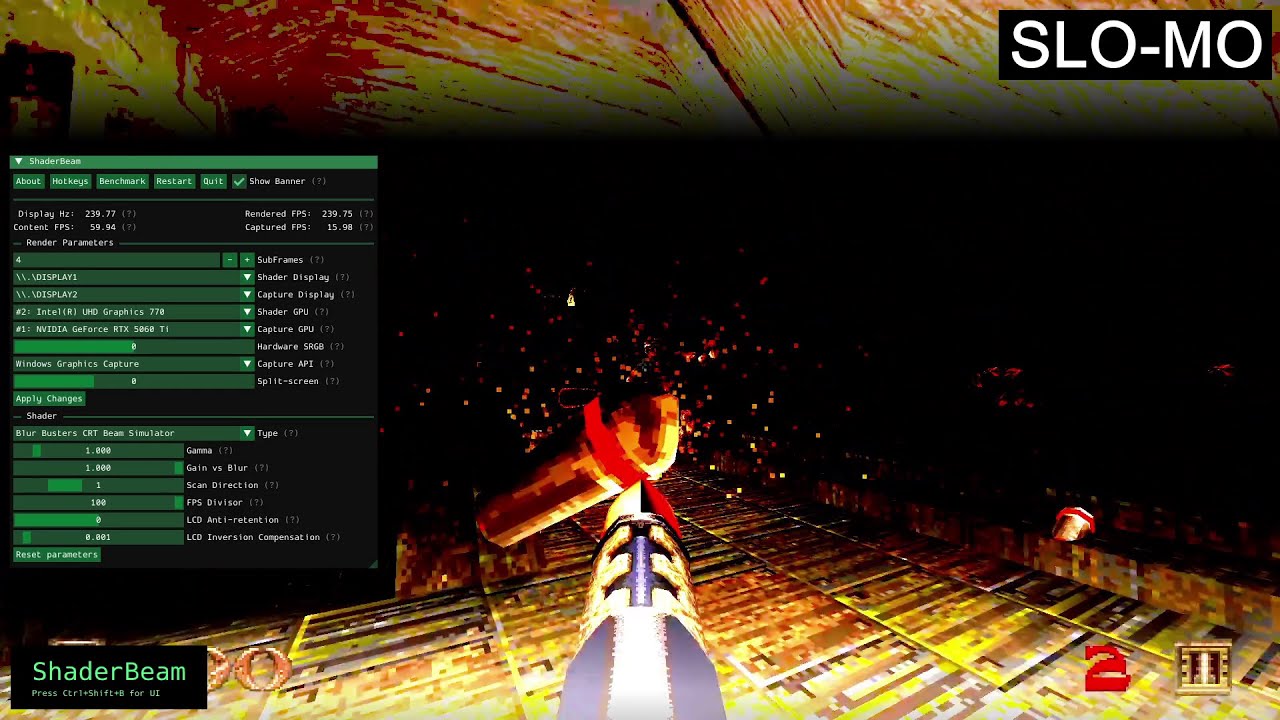
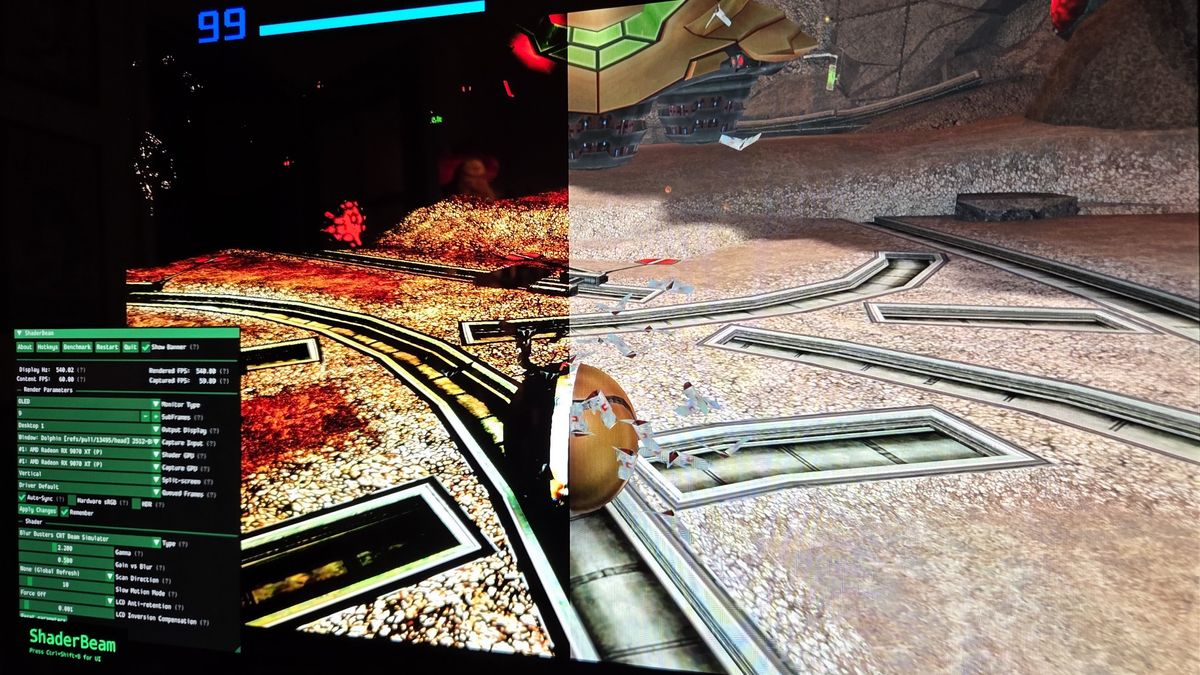
Enter the world of CRT simulation. Driven by innovators like Mark Rejhon of Blur Busters and independent developer Mausimus, a burgeoning software and hardware movement is attempting to resurrect the visual behavior of electron beams. Utilizing high-refresh-rate OLED and LCD panels, cutting-edge GPU shaders like ShaderBeam, and specialized hardware like Nvidia’s G-Sync Pulsar, this community is proving that you don’t necessarily need a 540 Hz graphics card to make 60 frames-per-second content look buttery smooth. Instead, by mathematically recreating phosphor fade and rolling scanlines, developers are teaching old monitors new tricks—forcing the industry to reckon with the motion clarity it left behind at the turn of the millennium.
Detailed Chronology: From Analog Dominance to the Flat-Panel Compromise
To understand why enthusiasts are working frantically to emulate 20th-century display tech, one must examine the fundamental architectural shift that occurred during the mid-2000s.
The High-Water Mark of the CRT
Before the mass adoption of HD flat panels, CRTs reigned supreme. Operating via an electron gun that swept rapidly across a phosphor-coated glass screen from top to bottom, a CRT illuminated pixels instantaneously and allowed them to fade away almost immediately via "phosphor decay." Because the electron beam acted like an ultra-fast camera shutter, a CRT could pulse brightly for less than a thousandth of a second. The result? Pin-sharp motion clarity. Even when objects raced across the screen at 60 frames per second, the human eye perceived them with crystal-clear definition, entirely free of the modern smear we call motion blur.
The Great Flat-Panel Trade-Off
The transition to early LCD technology, which gathered steam around 2005 to 2007, was heralded as a revolution. Heavy, curved monitors gave way to razor-thin, high-resolution digital panels. For a generation of college students and PC gamers dropping a month’s paycheck on early 1366×768 or 1080p displays, the benefits seemed obvious: razor-sharp desktop space, no geometric distortion, and zero flicker.
However, a steep performance tax was hidden beneath the surface. Early LCD pixels took an eternity to shift from one color state to another, creating notorious "ghost trails" behind fast-moving images. While contrast ratios, color spaces, and resolutions steadily improved over the next fifteen years, the underlying sample-and-hold nature of modern panels meant that images were continuously displayed on screen for the entire duration of a frame. To our eyes, tracking moving objects across a sample-and-hold display inevitably introduces perceptual motion blur.
The Software Counter-Revolution (2024–Present)
Fast forward to late 2024. Display engineering reached an inflection point where high-refresh-rate panels (240 Hz and beyond) became accessible to mainstream consumers. Recognizing this headroom, Mark Rejhon of Blur Busters—alongside former Nvidia developer Timothy Lottes—debuted a breakthrough algorithm designed to simulate a CRT tube entirely via GPU shaders.
Initially introduced via emulation frontends and experimental overlays like ShaderGlass, this technology eventually spun off into ShaderBeam, a dedicated standalone tool developed by Mausimus. By leveraging high-refresh displays, ShaderBeam bypasses the limitations of traditional Black Frame Insertion (BFI)—which often results in harsh, fatiguing flicker—and instead models the gentle, rolling phosphor fade of an analog tube.
Supporting Context & Metrics: Decoding the Math of Motion Blur
To grasp the engineering hurdles behind CRT simulation, one must look at how modern displays handle frames compared to their CRT ancestors.
The Two Paths to Clarity: According to Rejhon, reducing display motion blur fundamentally boils down to two strategies: either flash the frames briefly (like a CRT or using strobing) or vastly increase the frame rate and refresh rate. While brute-forcing high frame rates requires top-tier silicon (such as an RTX 5090 paired with a 540 Hz Asus ROG Swift OLED PG27AQWP-W), CRT simulation achieves low motion blur at standard 60 Hz or 120 Hz lock-ins.
The Phosphor Fade Advantage: Traditional BFI cuts motion blur by inserting a harsh black frame between every rendered frame. However, doing this at 60 Hz causes severe, eye-straining flicker. CRT simulation mimics a rolling top-to-bottom scan and phosphor fade, meaning some light is continuously emitted somewhere on the screen at all times, making the visual flicker significantly gentler on the human eye.
The GPU Pipeline Challenge: Running ShaderBeam is not for the faint of heart. Because the software sits outside the standard rendering pipeline—acting as an overlay that captures screen data and applies a subframe-timed CRT beam—it is entirely at the mercy of the operating system and GPU scheduler. An ideal setup often requires disabling Variable Refresh Rate (VRR), killing background applications, using priority-management tools like Process Lasso, and even offloading the shader calculations to an integrated secondary GPU to prevent frame desynchronization.
Official Statements and Industry Insights
The pursuit of authentic motion clarity has forced software developers and hardware architects to confront the limitations of modern operating systems and display pipelines.
Mark Rejhon emphasizes that the push for CRT emulation is ultimately an educational advocacy tool meant to change how display manufacturers think about future hardware:
"The two main ways to reduce display motion blur is either flicker the frames (like a CRT) or add more frame rate (for high Hz)… The bonus with CRT is you do not require more frame rate to achieve low motion blur."
Looking toward the next decade, Rejhon remains optimistic that operating system developers will eventually build these capabilities natively into system software, citing Blur Busters’ Open Source Display Shaders Initiative:
"In the future, when shader hooks are built into operating systems, as well as video-processing GPUs are integrated into the display of the 2030s, it will be much more user friendly."
Meanwhile, Mausimus, the developer behind ShaderBeam, highlights the delicate tightrope walk required to make desktop-level CRT simulation function without catastrophic stutters or input lag:
"The ideal application of beam simulation technology requires perfect synchronization with both the display… and input content. ShaderBeam tries to use whatever’s available, like screen capture and window transparency… to compensate for the inability to insert itself into the rendering pipeline."
Mausimus notes that single-GPU systems often struggle not from a lack of raw graphical horsepower, but from unpredictable resource distribution by the OS scheduler:
"By moving beam simulation to another GPU there is less contention for the primary GPU’s time and effectively better scheduling consistency; it does provide a much more stable experience."
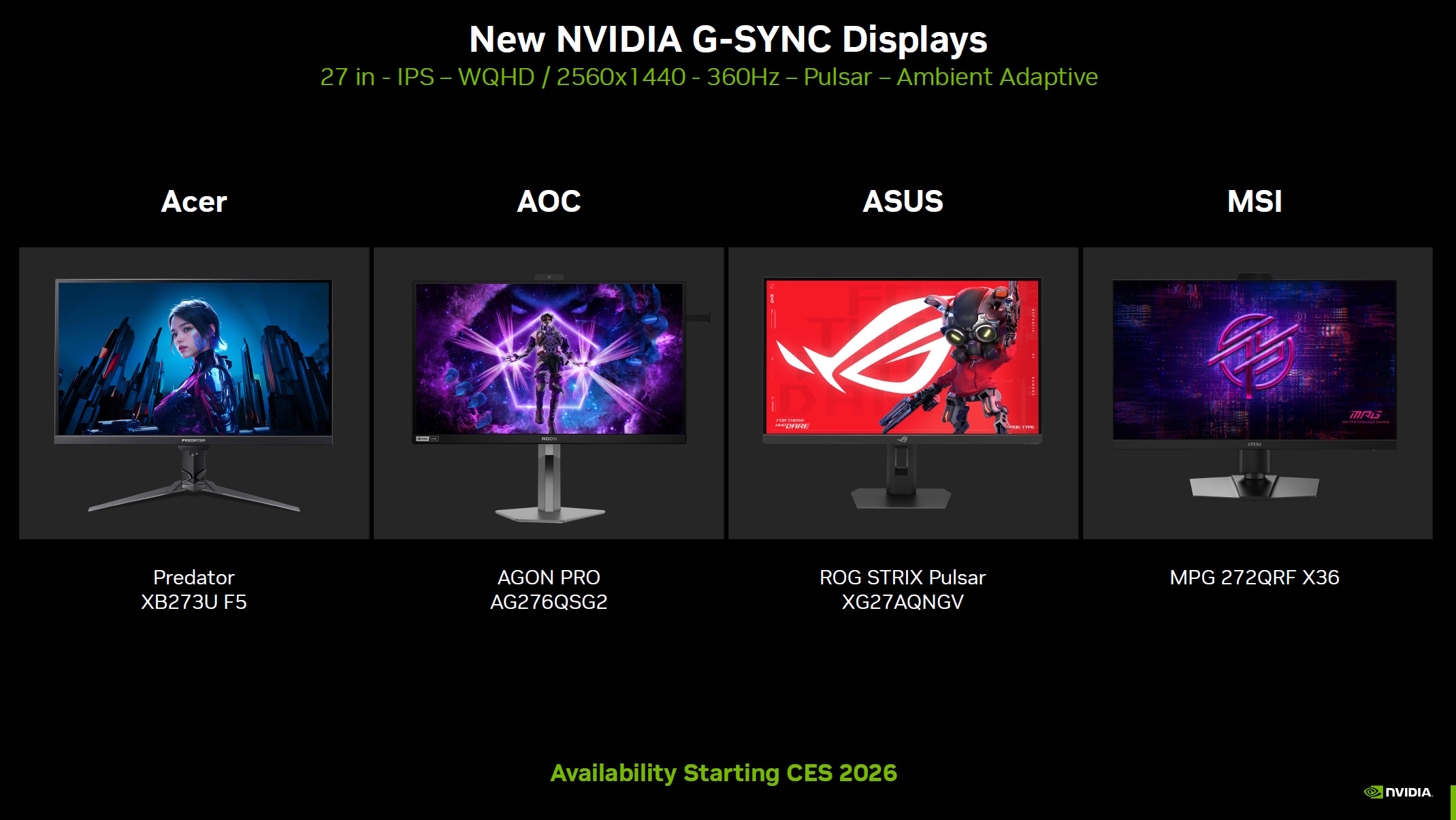
Hardware giants are also moving in parallel. Nvidia’s G-Sync Pulsar technology, integrated into select high-end gaming monitors, combines variable refresh rates with backlight strobing and a rolling top-to-bottom refresh cycle. This achieves a "perceived clarity" of 1,000 Hz, echoing the behavior of CRT electron beams entirely at the hardware level—albeit locked strictly to proprietary GPU ecosystems.
Future Outlook: Going Back to Move Forward
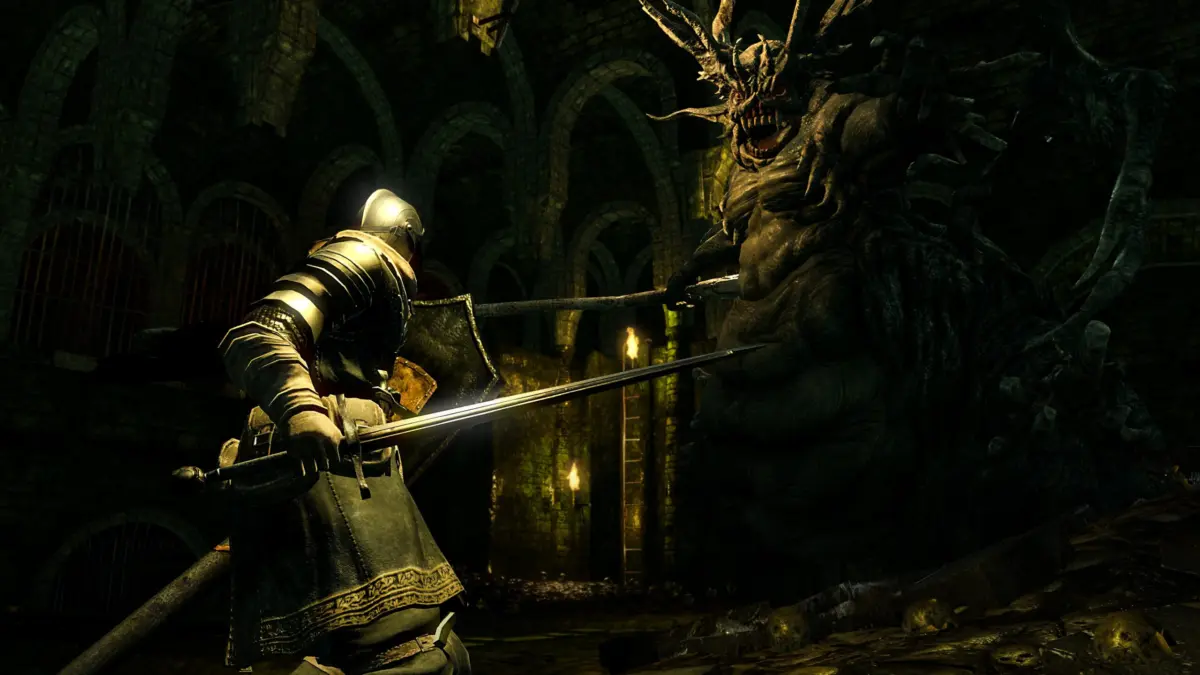
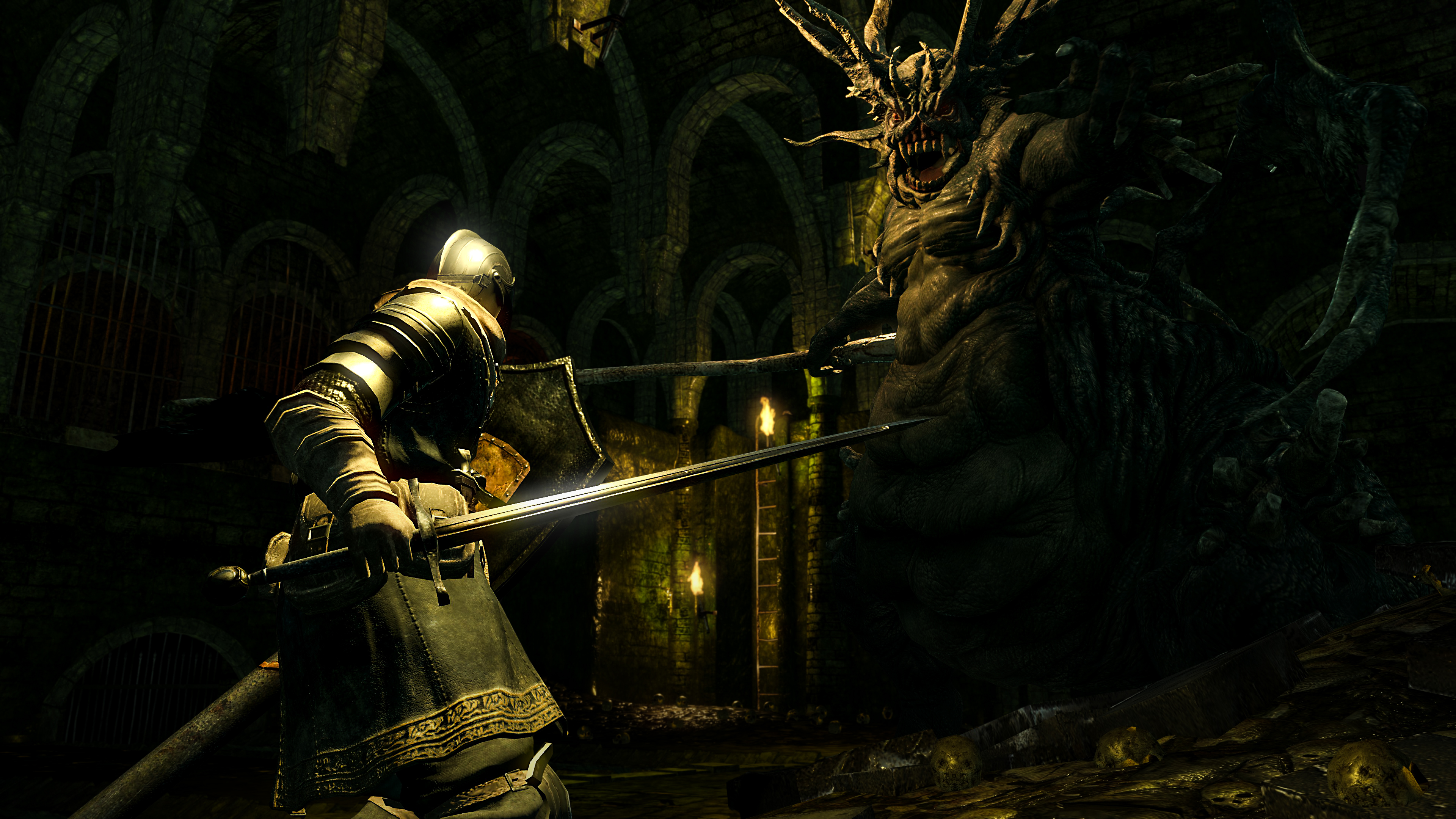
The current state of CRT simulation is undeniably an enthusiast’s labyrinth. Wrestling with subframe timings, configuring secondary integrated graphics chips, and troubleshooting color banding or micro-stutters to play a 20-year-old game like Metroid Prime 2: Echoes or a 60-fps-locked PC classic like Dark Souls: Remastered or Nier: Automata can feel like an exercise in technical masochism.
Yet, when the stars align—when you roll Samus’s morph ball in a tight circle and watch architectural columns remain pin-sharp instead of dissolving into an incoherent smear—the payoff is undeniable. You are witnessing the absolute preservation of pixel art and texture detail as artists originally intended them to be seen, uncompromised by the smeary persistence of early LCDs or the sample-and-hold limitations of modern OLEDs.
Whether makeshift software overlays like ShaderBeam remain a niche curiosity or serve as the catalyst for widespread OS-level transformation remains to be seen. What is clear, however, is that the display industry can no longer treat motion clarity as a solved problem simply by throwing raw refresh rates at the wall. As hardware manufacturers, operating system architects, and open-source developers begin to look backward for inspiration, the ghost of the CRT is proving to be the ultimate guide for the future of visual technology.