Executive Overview
In the hyper-accelerated ecosystem of modern internet culture, the lifecycle of a meme is traditionally measured in days, if not hours. Yet, internet users frequently demonstrate a paradoxical ability to unearth artifacts from the early days of social media, recontextualizing them through contemporary satirical lenses. The latest phenomenon capturing the collective imagination of TikTok is known broadly as the "Zayn Malik Sleeping" trend—or by its more common, self-deprecating textual refrain: "Why am I lowkey giving Zayn Malik sleeping photo?"
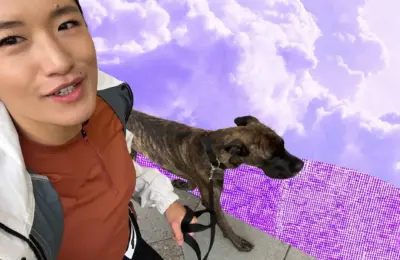
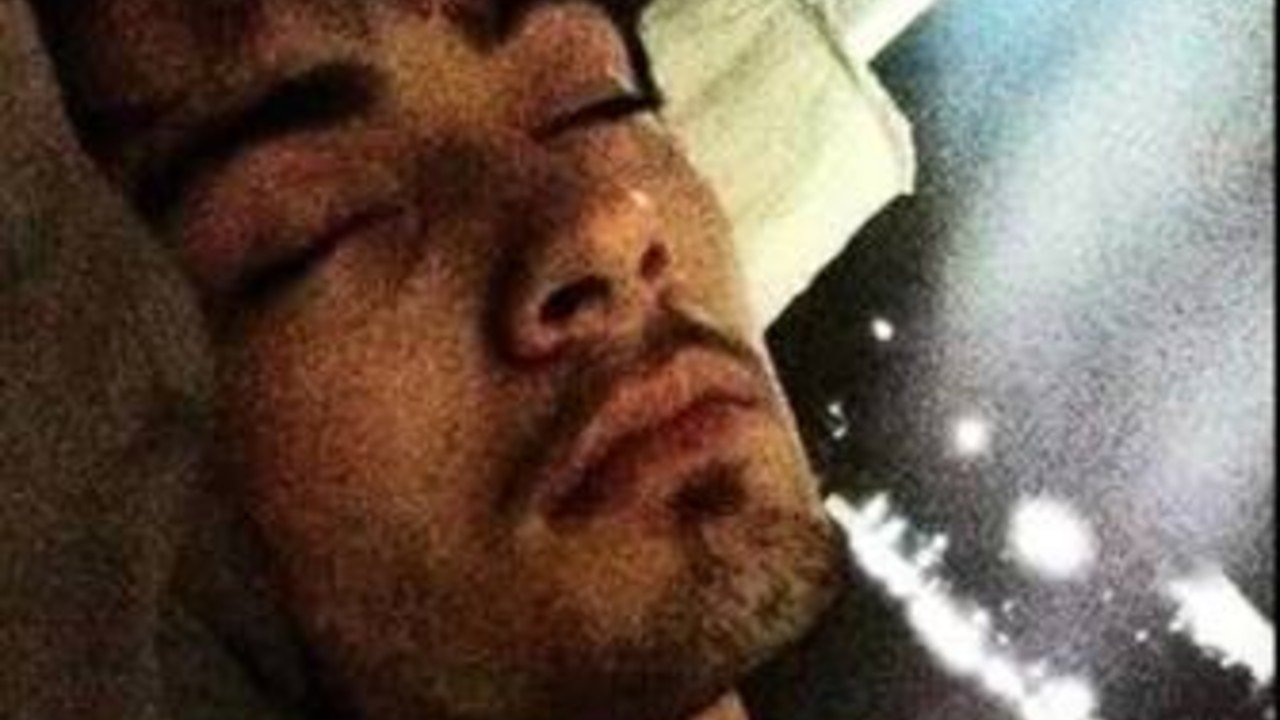
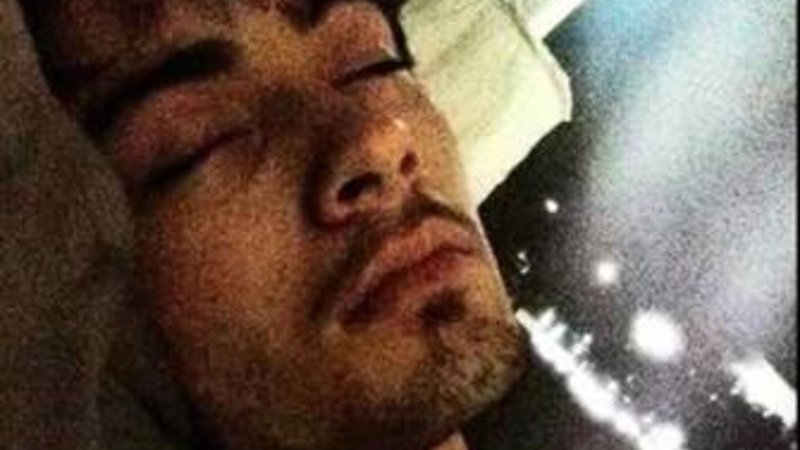
Originating in early September 2026, this viral trend centers on a vintage, shirtless photograph of former One Direction member Zayn Malik asleep, which has circulated online domains since 2013. The format relies on a juxtaposition: users pair the iconic, aesthetically pristine image of Malik with photographs of themselves, friends, or romantic partners slumbering in remarkably unglamorous, awkward, or comedically dissimilar positions.
What began as a localized ironic post by a TikTok creator quickly snowballed into a cross-platform phenomenon, racking up tens of millions of views. This cultural wave sheds light on contemporary internet humor, the mechanics of nostalgia, and the enduring parasocial fascination with mid-2010s pop-star aesthetics. This report provides an exhaustive investigative breakdown of the trend’s origins, its rapid acceleration across social platforms, the underlying psychological drivers of its virality, and its lasting impact on digital culture.
Detailed Chronology: From 2013 Tumblr Relic to 2026 TikTok Sensation
Phase I: The Archives (2013–2026)
To understand the current virality, one must look back over a decade. Long before TikTok dominated the social media landscape, the internet—specifically Tumblr—operated as the primary epicenter for fandom culture, mood boards, and teen idol worship.
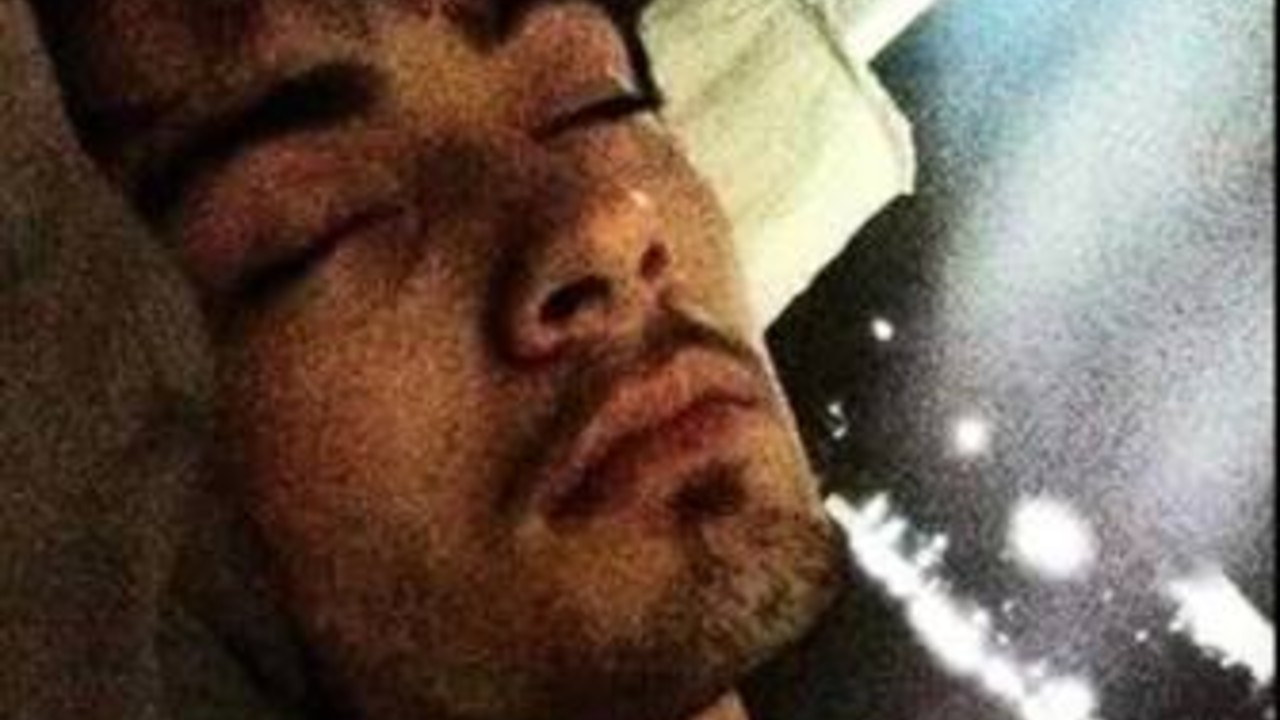
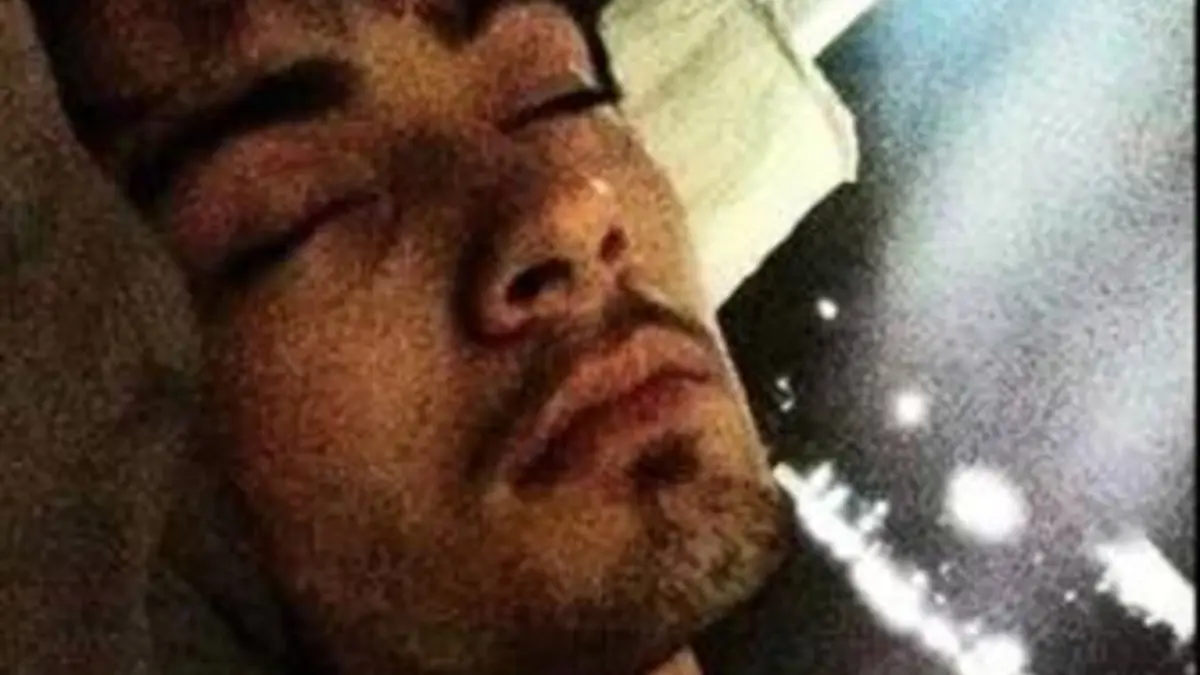
Sometime around 2013, at the height of One Direction’s global domination, a candid photograph of Zayn Malik sleeping shirtless began circulating among fans. The image caught on because of its casual, unguarded aesthetic, contrasting sharply with heavily styled promotional shoots. Over the next thirteen years, the image quietly lived on in digital archives, accumulating tens of thousands of notes, reblogs, and saves on Tumblr. It remained a dormant piece of pop-culture ephemera, recognized primarily by elder Gen Z and millennial fans who had lived through the peak 1D era.
Phase II: The Spark on TikTok (September 2026)
The modern renaissance of the photograph began on September 4th, 2026. TikTok user @timmy.thick47 uploaded a short-form video that juxtaposed the legendary 2013 Zayn Malik sleeping photo with subsequent images of the creator himself attempting to sleep. The video was overlaid with the now-infamous caption: "Why am i low key giving zayn malik sleeping photo?"
[The Trend Formula]
┌──────────────────────────────────────────────┐
│  Slide 1: Peak Aesthetics                    │
│  (Zayn Malik, shirtless, peaceful slumber)   │
└──────────────────────┬───────────────────────┘
                       ▼
┌──────────────────────────────────────────────┐
│  Slide 2: The Reality Check                  │
│  (Creator/Partner drooling, contorted, etc.) │
└──────────────────────┬───────────────────────┘
                       ▼
┌──────────────────────────────────────────────┐
│  Text Overlay: "Why am I lowkey giving..."   │
└──────────────────────────────────────────────┘
The post struck a chord with the algorithm, leveraging audio tracks associated with Malik’s solo work (such as "Pillowtalk"). Within a single month, the inaugural video surpassed 1.8 million views, signaling to the wider TikTok community that a new, highly replicable format had been born.
Phase III: Exponential Spread and Mutation (Mid-to-Late September 2026)
As is characteristic of successful TikTok trends, users quickly began iterating on and subverting the original premise, introducing varying degrees of irony.
- September 7th, 2026: TikToker @ilove2000sshows published a variation featuring a candid photograph of herself that bore zero physical resemblance to the sleek Malik photo, accelerating the joke into pure self-deprecation. The video exploded, crossing 8.5 million views within weeks.
- September 23rd, 2026: The trend expanded to interpersonal relationships. User @anahyy.lol posted a comparison between her boyfriend sleeping in an awkward, crumpled posture and the pristine Malik photo, generating over 4.8 million views.
- September 26th, 2026: Further variations by creators like @cancelmil continued to pull in millions of views, cementing the meme as a staple of late-September social media feeds. By early October, thousands of users were posting their own iterations, utilizing audio clips and compiling deep cuts from early-2010s pop culture archives.
Supporting Context & Metrics
Quantitative Impact
While individual metrics fluctuate daily, the cumulative engagement surrounding the "Zayn Malik Sleeping" trend illustrates the sheer scale of modern algorithmic distribution:
- Initial Catalyst Views: Over 1.8 million views on the foundational TikTok post within 30 days.
- Peak Outlier Views: Leading variations, such as the self-deprecating upload by @ilove2000sshows, shattered previous benchmarks with upwards of 8.5 million views.
- Archival Longevity: The original 2013 Tumblr post accumulated over 59,000 notes across 13 years before experiencing a massive influx of modern interest in late 2026.
The Psychology of "Lowkey Giving"
Linguistically, the phrase "Why am I lowkey giving [X]?" relies on modern internet slang where "giving" implies embodying a specific energy, aesthetic, or archetype. By applying this phrase to an impossibly attractive, professionally styled pop star while presenting an image of oneself or a partner sleeping awkwardly (often with open mouths, contorted limbs, or messy hair), creators engage in strategic self-deprecation.
This humor style resonates deeply with contemporary audiences, who reject curated perfection in favor of relatable, grounded reality. The joke relies entirely on the absurdity of the comparison: nobody is genuinely "giving Zayn Malik," and that precise gap between aspiration and reality forms the core of the comedy.
Cultural Analysis & Industry Implications
The rapid resurrection of a 13-year-old pop-star photograph offers valuable insights into how digital culture consumes and recycles media.
- The Compression of Nostalgia: The gap between 2013 and 2026 represents a generational shift within internet culture. The teenagers who originally pinned the photo on Tumblr are now adults participating on TikTok, bridging the gap between old-school fandom spaces and modern short-form video formats.
- Algorithmic Archeology: TikTok’s recommendation engine thrives on shared cultural touchstones. By tapping into millennial and elder-Gen-Z nostalgia for One Direction, creators can instantly hook a massive demographic that remembers the original era of the band.
- The Weaponization of Mundanity: The trend subverts traditional influencer culture. Instead of striving to look flawless, creators win algorithmic approval by highlighting their least flattering, most human moments—elevating them through ironic comparison to an impossible gold standard of early-2010s heartthrob culture.
Future Outlook
As the "Zayn Malik Sleeping" trend matures, its trajectory points toward inevitable saturation followed by archival preservation in meme databases like Know Your Meme. However, the underlying mechanics of the trend—juxtaposing hyper-curated pop-culture relics with mundane reality—will likely inspire future iterations across platforms.
For Zayn Malik, who has spent years distancing himself from his boy-band origins to cultivate a mature, independent musical identity, the trend serves as an unexpected reminder of his enduring cultural footprint. Whether he acknowledges the viral sleeping photo or not, the meme proves that once an image enters the digital ether, it can be resurrected, re-engineered, and laughed at by entirely new generations of internet users, proving that on the internet, nothing is ever truly lost to history.