Executive Overview
Film history is littered with performances that initially baffled audiences only to be re-evaluated as daring masterclasses decades later. Among the most fascinating anomalies in modern cinema is Robert De Niro’s transformation into the unnamed creature in Kenneth Branagh’s 1994 Gothic horror epic, Mary Shelley’s Frankenstein. Known primarily for his gritty, grounded portrayals of urban alienation and complex criminality—such as Travis Bickle in Taxi Driver (1976), Jake LaMotta in Raging Bull (1980), and Vito Corleone in The Godfather Part II (1974)—De Niro’s venture into high-concept, grand-scale literary horror stands out as a unique pivot in a legendary career.
Released during a transitional era for blockbuster horror, Branagh’s adaptation aimed to strip away the camp and universal monster-movie tropes that had defined cinematic representations of the character for decades, returning instead to the profound philosophical heartbreak of Mary Shelley’s 1818 foundational text. While the film received mixed reviews upon its initial theatrical run—critics were often polarized by Branagh’s maximalist, hyper-theatrical direction and melodramatic pacing—time has been kind to the picture. Today, Mary Shelley’s Frankenstein is recognized as a visually striking, emotionally operatic piece of cinema, anchored largely by De Niro’s remarkably mournful, physically taxing, and philosophically complex performance. Currently streaming on Netflix, the film offers contemporary viewers a chance to look past its stylistic excesses and appreciate a rare, tragic monster movie that dared to ask deep existential questions.
Detailed Chronology: From Arctic Ice to Promethean Hubris
The narrative framework of Mary Shelley’s Frankenstein establishes its haunting tone right from the opening frames, framing the tragedy as a confession born of ice and isolation.
The Arctic Prologue (1794)
The film opens in the frozen expanse of the North Pole in 1794. Captain Robert Walton (played by Aidan Quinn) and his demoralized ship crew find their vessel completely trapped and immobilized by impassable pack ice. Amid the howling winds and suffocating whiteness, a deafening, inhuman roar echoes across the glaciers. Soon after, a severely frostbitten and exhausted traveler named Victor Frankenstein (Kenneth Branagh) is hauled aboard. Before he can succumb to the freezing elements, Victor insists on sharing his harrowing life story, setting up a framing device that mirrors Mary Shelley’s epistolary structure.
The Genesis of Ambition
Through flashbacks, the narrative explores Victor’s idyllic upbringing in Geneva, his loving relationship with his adoptive sister and future wife Elizabeth (Helena Bonham Carter), and his early, insatiable obsession with medical science. Following the traumatic death of his mother during childbirth, Victor’s academic pursuits at the University of Ingolstadt transition from noble medical breakthroughs to a desperate, hubristic quest to conquer death itself.
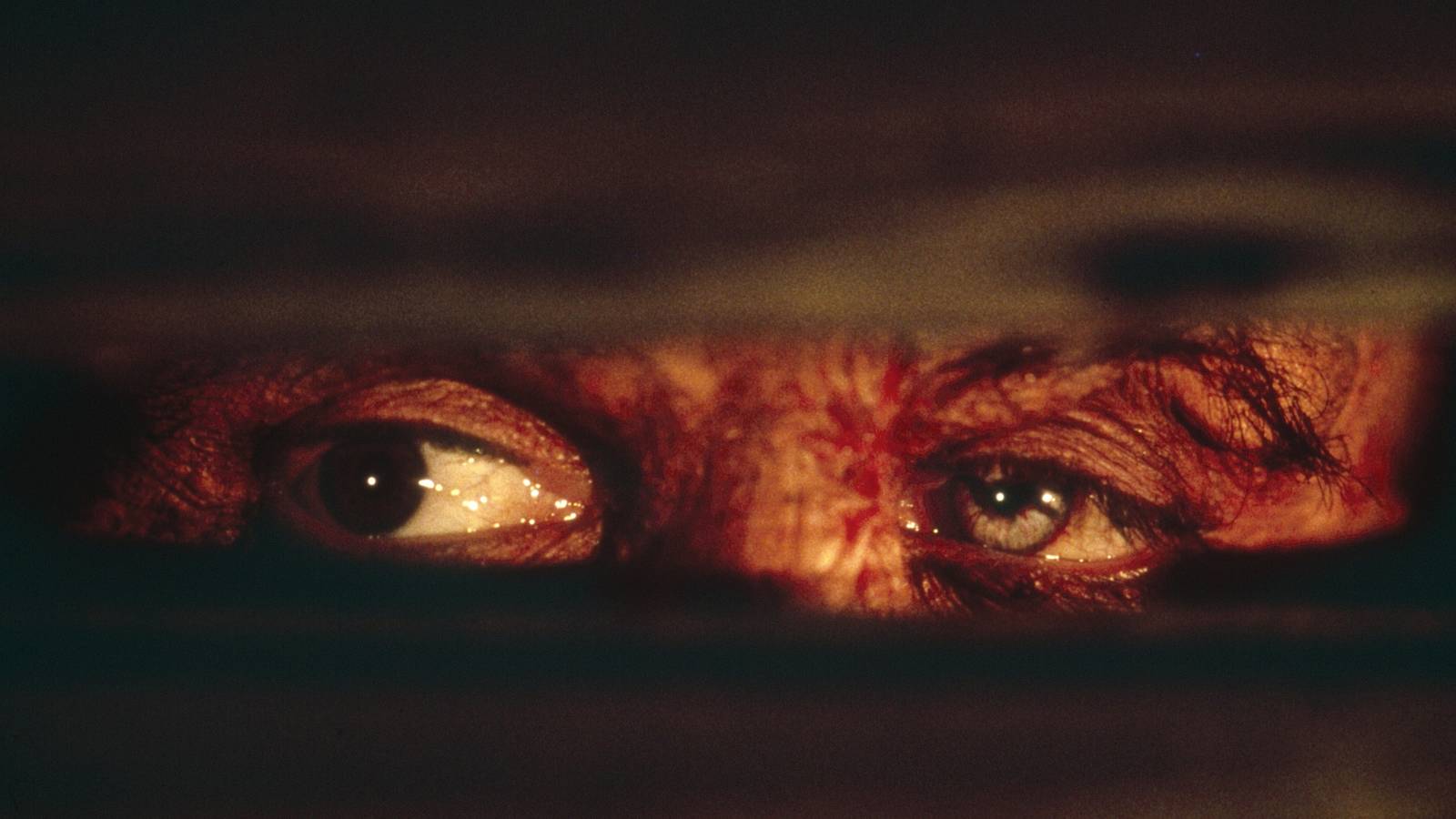
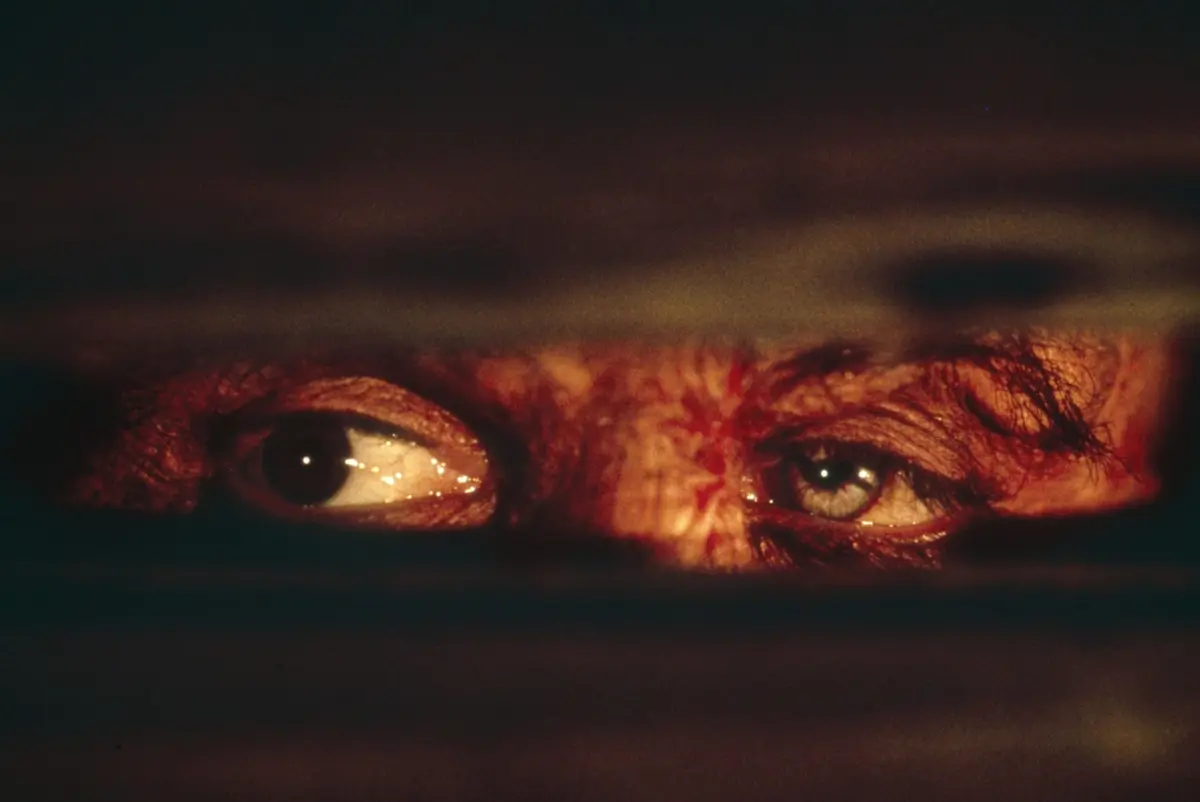
Working in a secret laboratory lit by crackling electrical apparatuses and raw anatomical waste, Victor successfully stitches together a patchwork man from corpses and successfully channels a massive bolt of lightning to spark life into his creation. However, the moment the creature opens its eyes, Victor is instantly overcome by revulsion. Horrified by the very life he has birthed, the young scientist flees the room, abandoning the newborn creature to navigate a terrifying, incomprehensible world entirely alone.
Exile, Agony, and Vengeance
The film faithfully traces the creature’s tragic education in the margins of society. Shunned and violently attacked by everyone he encounters due to his grotesque, stitched-together appearance, the creature finds a temporary, hidden sanctuary near a humble family’s cottage. Secretly observing them, he teaches himself to speak, read, and understand human emotion, even attempting to befriend a blind patriarch.
When the family eventually discovers him and drives him away with stones and fire, the creature’s sorrow hardens into unmitigated fury. Armed with self-awareness and a profound sense of betrayal, he tracks down his creator to demand justice. He presents Victor with a single ultimatum: construct a female companion to share his exile, and he will forever leave humanity in peace. Victor initially agrees, driven by guilt and fear, but ultimately destroys the second creation in a panic just moments before completion. This act seals the doom of everyone Victor holds dear, culminating in a trail of gruesome murders—including the assassination of Elizabeth on her wedding night—and setting the stage for the relentless, fatal pursuit across the globe that ultimately leads back to the frozen wastes of the Arctic.
Supporting Context & Metrics: Navigating De Niro’s Career Pivots and Branagh’s Maximalism
To fully appreciate Mary Shelley’s Frankenstein, one must contextualize where both star and director stood within the cinematic landscape of the mid-1990s.
The De Niro Paradox
By 1994, Robert De Niro was universally acknowledged as one of the greatest actors of his generation. His filmography was a masterclass in internal intensity and psychological realism. However, the late 20th century also introduced a period of career diversification where De Niro began experimenting with high-profile character acting in genre films. While his chilling turn as Louis Gara in Quentin Tarantino’s Jackie Brown (1997) remains a masterclass in understated cool, other genre and comedic efforts from later decades—such as Righteous Kill (2008) and Dirty Grandpa (2016)—pushed him into territory that critics occasionally dismissed.

Stepping into the heavy prosthetics and theatrical makeup of Frankenstein’s monster was an immense risk. Unlike Boris Karloff’s iconic Universal Studios portrayal, which relied heavily on silent menace and iconic visual signifiers, De Niro’s creature was conceptualized as a thinking, feeling, weeping philosophical entity. De Niro infused the character with physical vulnerability, groaning under the weight of his own stitched limbs, moving with awkward, painful grace, and delivering lines with a raw, cracked vocal delivery that emphasized the agony of a soul trapped inside a ruined, assembled body.
Branagh’s Operatic Aesthetic
Director Kenneth Branagh has always possessed an unbridled passion for high-octane theatricality and large-scale period adaptations. Prior to Frankenstein, Branagh earned international acclaim for his vibrant, accessible Shakespearean adaptations, most notably his four-hour, uncut epic Hamlet (1996) and Henry V (1989). He would later bring this same sweeping, cinematic romanticism to mainstream franchises and whodunnits, including Murder on the Orient Express (2017) and Death on the Nile (2022).
In Mary Shelley’s Frankenstein, Branagh applied this exact maximalist sensibility to horror. The camera swoops and swirls around characters in dizzying 360-degree pans; the musical score by Patrick Doyle swells with unrelenting, operatic grief; and the lighting shifts dramatically between warm, golden hearths and stark, lightning-lit laboratories. While this relentless intensity occasionally alienates viewers looking for slow-burn, atmospheric dread, it successfully mirrors the frantic, unchecked passion of Victor Frankenstein himself—a man consumed by his own ego and emotional turbulence.
Official Statements and Critical Re-Evaluation
When TriStar Pictures released Mary Shelley’s Frankenstein in the fall of 1994, the critical response was fiercely divided. Prominent reviewers praised the film’s production design, costume work, and the sheer commitment of its lead actors, but many took aim at Branagh’s relentless, sensory-overload direction.
In contemporary retrospectives, however, film historians and genre critics have championed the movie as an unfairly maligned masterpiece. Speaking on the film’s unique approach to the monster’s psychology, Branagh noted in historical promotional interviews that the central goal was never to scare audiences with cheap jump scares, but rather to break their hearts.
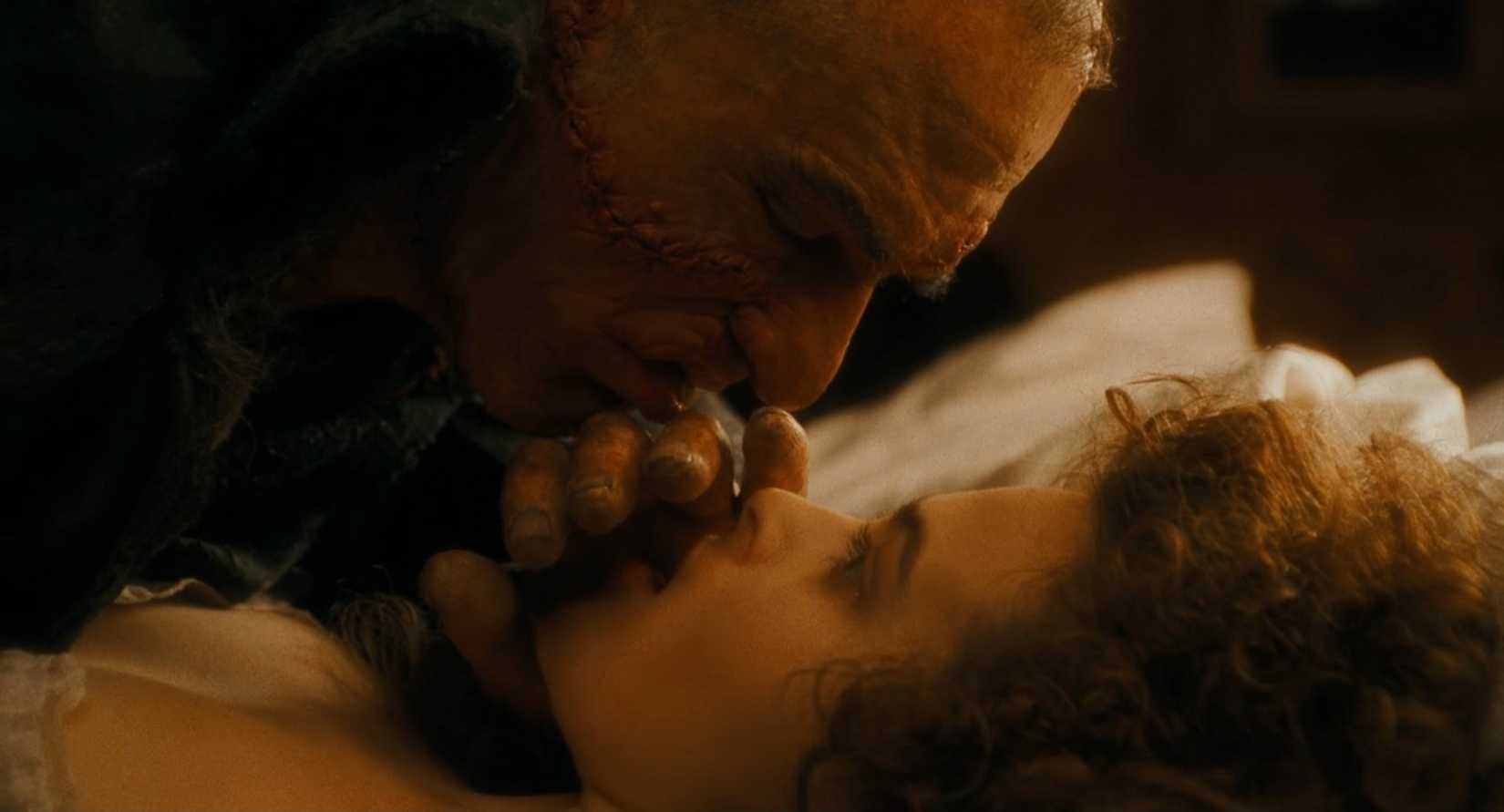
"We wanted to make a film about the absolute agony of abandonment," Branagh explained during the film’s press junket. "The horror of Frankenstein’s monster isn’t that he looks different; it’s that he asks the exact same existential questions that every human being asks: Why am I here? Who made me? Do I have a soul? And when his maker turns his back on him, the tragedy becomes universal."
Critics have increasingly highlighted De Niro’s monologue scenes—specifically where the creature confronts his creator about the nature of his existence—as some of the finest dramatic work of the actor’s 1990s output. By treating the monster not as a mindless beast, but as an abandoned child endowed with immense intellect and zero emotional guidance, De Niro elevated the material far above standard monster-movie fare.
Future Outlook: The Enduring Legacy of Literary Horror Adaptations
As modern cinema continues to revisit classic monster myths—most notably with Guillermo del Toro’s highly anticipated, upcoming adaptation of Frankenstein for Netflix—the conversation around how filmmakers interpret Mary Shelley’s timeless text remains intensely relevant.
Branagh’s 1994 film occupies a vital space in this lineage. It serves as a bridge between the classic Universal creature features of the golden age and the psychologically complex, prestige-horror revivals of the 21st century. By refusing to soften the gore or shy away from the deeply romantic, melodramatic pain written into Shelley’s pages, the film created a blueprint for how classic literary monsters can be reimagined through the lens of high-end dramatic acting.
For audiences accustomed to modern CGI spectacles, Mary Shelley’s Frankenstein remains a breathtaking, tactile reminder of what happens when a legendary director and an iconic dramatic actor commit entirely to the profound, tragic poetry of a literary classic. As it continues to find new generations of viewers on streaming platforms like Netflix, Robert De Niro’s mournful, skin-crawling, yet deeply empathetic monster secures its place not just as a fascinating career detour, but as one of the most compelling monster performances in cinematic history.