Executive Overview
In an era dominated by relentless hustle culture and the grueling demands of high-performance athletics, the modern endurance narrative is undergoing a radical paradigm shift. Gone are the days when marathon training required an ascetic, joyless lifestyle marked by pre-dawn suffering, rigid deprivation, and an uncompromising "no pain, no gain" ethos. Enter the new wave of everyday runners—individuals who balance demanding careers, social obligations, and a profound appreciation for comfort, yet still manage to conquer the classic 42.195-kilometer distance.
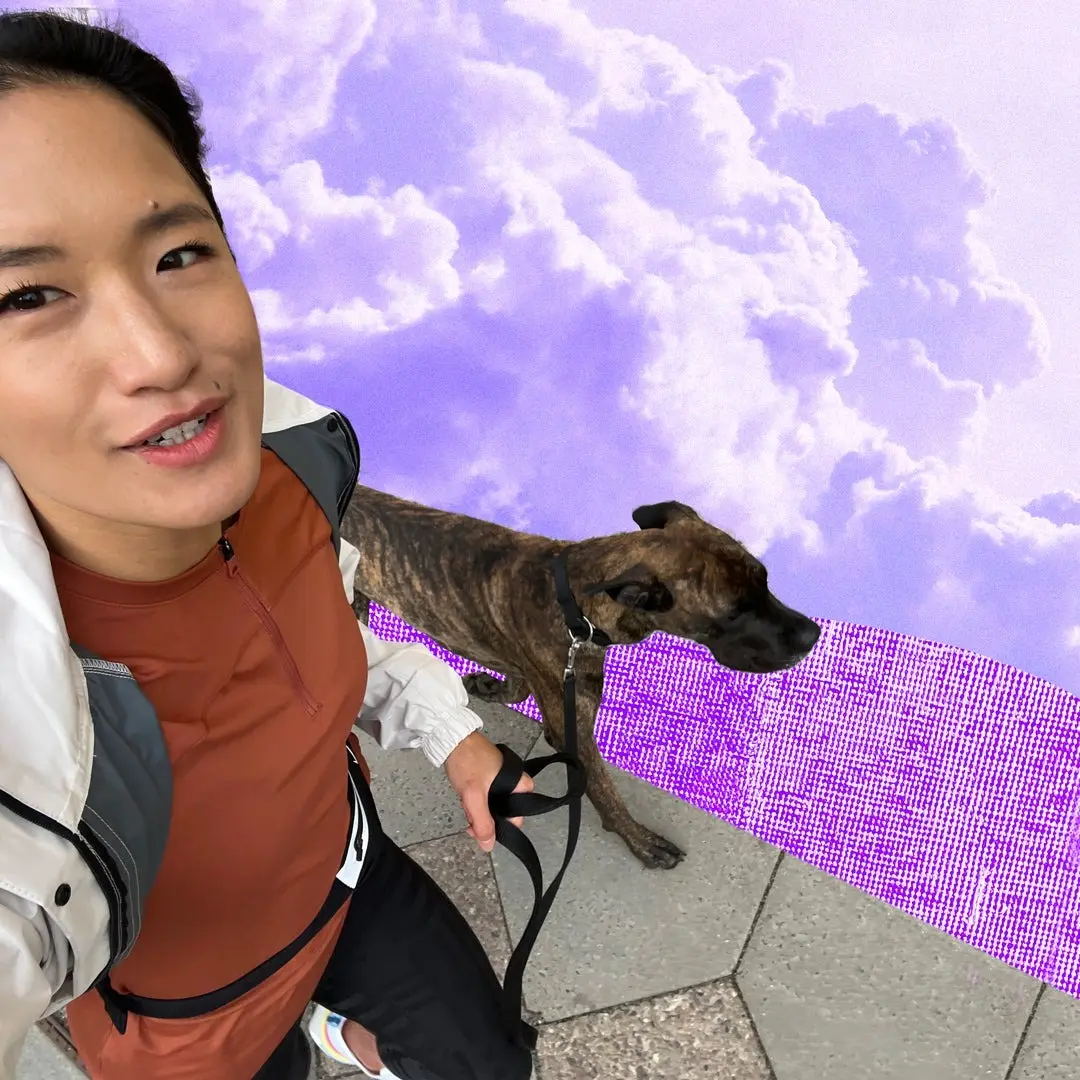
At the forefront of this movement is Hong, a Berlin-based designer and flight attendant who once firmly categorized herself as a "non-runner." Today, Hong is actively preparing for her seventh marathon. Her secret? A philosophy that shatters the false dichotomy between high-level athletic performance and absolute personal comfort. By integrating holistic cross-training, mental well-being, community support, and a steadfast refusal to sacrifice lifestyle quality, Hong has crafted a sustainable blueprint for endurance success.
This deep-dive journalistic feature explores Hong’s weekly training chronology, dissects the physiological and psychological pillars of her routine, examines the broader cultural shift within modern running communities, and provides actionable insights for anyone looking to bridge the gap between cozy living and competitive endurance sports.
Detailed Chronology: A Week in the Life of a Comfort-First Marathoner
Balancing a dual-career lifestyle—switching between the high-altitude demands of aviation and the meticulous creativity of graphic design—requires a masterclass in time management. For Hong, consistency is not born from military discipline, but from psychological safety, smart pacing, and an unwavering commitment to enjoyment. Here is how a typical training week unfolds in the German capital.
Monday: The Rhythm of the Start and Singing Through the Slump
Mondays are notoriously challenging for the workforce at large, compounded for Hong by the jetlag and erratic sleep schedules inherent to her role as a flight attendant. To combat the early-week drag, she relies on a carefully curated running playlist—a dynamic sonic landscape featuring disco, house, and techno beats designed to bypass mental fatigue.
However, music is not her only psychological hack. On runs where energy plummets and breathlessness sets in, Hong employs an unconventional yet remarkably effective strategy: she starts singing out loud.
- "When I run out of breath, I shift gears and begin to sing," Hong explains. "It forces me to slow down and regain control of my breathing. Suddenly, the run becomes fun again, and I can’t help but smile when I see passersby doing a double-take at the singing runner."
To add a social dynamic to her solitary miles, Monday’s mileage often involves canine companionship. By borrowing a friend’s energetic dog, Mia, Hong transforms a routine recovery jog into an interactive game of pacing. "At the beginning, she pulls me; at the end, I pull her," Hong notes. While the dog might hold the advantage in pure velocity, Hong claims ultimate victory in endurance.
Tuesday: Beyond the Pavement – Yoga, Strength, and Injury Prevention
A common pitfall for aspiring marathoners is the misconception that endurance is built exclusively on asphalt. Tuesday marks a strategic departure from running as Hong pivots to holistic body maintenance. Her mid-week regimen incorporates dedicated yoga flows, targeted strength training, and clinical physiotherapy sessions.
This multi-disciplinary approach is not merely supplemental; it is foundational. By fortifying stabilizing muscles and enhancing joint mobility, Hong builds a robust physiological armor that protects her joints against the high-impact stress of marathon volume. Crucially, this cross-training enables her to step outside her comfort zone during hard runs without courting overuse injuries. Following a strenuous session, she factors in mandatory rest—viewing downtime not as a lapse in productivity, but as an active, non-negotiable component of athletic growth.
Wednesday: Global Horizons and Urban Culture
As an international flight attendant, Hong’s professional life is defined by constant motion. When she touches down in Berlin, her social calendar fills up rapidly. Wednesday serves as a crucial buffer in her weekly periodization—a day dedicated entirely to mental restoration and human connection.
Rather than cramming a double-session into her schedule, Hong honors her need for social fulfillment by visiting contemporary art exhibitions across Berlin. Maintaining vibrant relationships outside the running bubble prevents burnout and ensures that her athletic pursuits remain a source of joy rather than an isolating obligation.
Thursday: Pushing Limits and the Science of Cushioning
If Monday is about finding rhythm and Tuesday is about structural integrity, Thursday is the crucible where speed and grit are forged. Preparing for a marathon demands structured intensity, and Thursday brings the week’s primary track workout.
"Some people think marathoners bounce out of bed at 5:00 AM and effortlessly knock out 20 kilometers," Hong observes. "In reality, I sometimes need an extra dose of motivation."
To bridge the gap between hesitation and execution, footwear technology plays a pivotal role. During high-intensity track sessions, Hong favors the Nike Invincible 3. The shoe’s responsive, highly cushioned "bouncy" sole and secure lockdown across varied terrain provide the psychological and physical reassurance needed to tolerate high speeds and extended intervals. By leaning into the discomfort of the track while cradled in maximum comfort, she safely tests her anaerobic thresholds and pace-holding capacity.
Friday: Active Recovery and Creative Recharge
Recovering from Thursday’s anaerobic assault requires deliberate care. Friday is characterized by gentle active recovery—perhaps a restorative yin yoga session—followed by further immersion in Berlin’s cultural landscape. Meeting friends for gallery openings allows Hong to anchor herself in her home city, feeding her creative eye as a designer while allowing her central nervous system to recover from the physical stresses of the track.
Saturday: The Landwehrkanal Sanctuary and the Post-Run Reward
Saturday morning belongs to the Landwehrkanal, Hong’s spiritual home in Berlin. This iconic route offers a tactile smorgasbord of surfaces: smooth asphalt, damp grass, and uneven dirt paths.
With an immersive narrative podcast playing through her headphones—or sometimes, complete silence to absorb the ambient acoustic footprint of the city—Saturday runs are designed for mental detachment. Hong enjoys the voyeuristic pleasure of watching the city wake up around her.
The non-negotiable conclusion to the Saturday long run is the post-workout ritual: a meticulously chosen artisanal coffee and a warm pastry or savory bite from a local market stall in Kreuzberg. For Hong, the promise of this sensory reward is as potent a training motivator as any training split.
Sunday: Community Miles and Dumpling Dreams
The culmination of the training week takes place on Sunday, executed in concert with her running collective, the Joy Run Collective. Today’s objective is the long, slow distance (LSD) run through the sprawling expanse of the Tiergarten.
Navigating longer durations in cooler weather requires strategic preparation: thermal layering, adequate hydration, and collective morale. Running in a pack transforms an intimidating double-digit mileage goal into a shared social experience.
The ultimate reward awaits at the finish line. Following Sunday’s endurance effort, the collective gathers for a communal brunch. For this specific session, the host prepares homemade dumplings—a culinary carrot that Hong admits to visualizing during the final, freezing kilometers of her run.
Supporting Context & Metrics: The Evolution of the Modern Runner
Hong’s journey is emblematic of a broader demographic shift documented by sports sociologists and fitness economists across Europe and North America. The traditional archetype of the elite, austere runner is steadily making space for the "lifestyle runner"—individuals who refuse to let training cannibalize their professional ambitions, social lives, or personal comforts.
The Physiology of Comfort-First Training
Sports medicine experts increasingly validate the approach of balancing high-intensity output with radical recovery. According to recent exercise physiology data, psychological comfort directly correlates with lower cortisol levels, which in turn enhances immune function and accelerates muscular repair.
| Training Pillar | Primary Objective | Psychological Impact |
|---|---|---|
| Easy Runs / Singing | Aerobic base building; breath control | Reduces anxiety; reframes running as play |
| Cross-Training / Yoga | Injury prevention; core stability | Builds body awareness and resilience |
| Track Workouts / Gear | Anaerobic capacity; speed endurance | Enhances self-efficacy via reliable support |
| Community / Brunch | Social cohesion; psychological safety | Combats isolation; provides extrinsic rewards |
By integrating high-tech footwear (such as highly cushioned daily trainers) with low-tech mental hacks (singing aloud, running with dogs), runners like Hong mitigate the micro-traumas of high-volume training. This holistic framework significantly reduces drop-out rates among adult-onset runners.
Official Statements & Personal Reflection
Reflecting on her four-year evolution from a reluctant beginner to a seasoned marathoner preparing for her seventh 42K venture, Hong offers a perspective that transcends athletic statistics:
"I started running four years ago. At 30, I am healthier and fitter than I ever was in my twenties. But running is so much more than physical training. As a female runner, I’ve gained immense self-confidence because I now know the depth of my own resilience—even on days when I feel low. I’ve learned that consistency and comfort do not have to be mutually exclusive. I can set ambitious new boundaries for myself while staying completely comfortable in my own skin. Next stop: my 7th marathon."
Hong’s narrative challenges industry gatekeeping. It demonstrates that peak athletic output does not require a monastic lifestyle of self-flagellation. Instead, true longevity in endurance sports is achieved through a delicate equilibrium of high performance, deep community roots, aesthetic pleasure, and mental self-compassion.
Future Outlook: The Sustainable Future of Endurance Sports
As urban running communities continue to burgeon globally—fueled by social running clubs, design-forward athletic apparel, and inclusive digital spaces—the blueprint established by runners like Hong points the way toward the future of endurance sports.
The next generation of marathoners will not be measured solely by their split times or VO2 max scores, but by their ability to sustain a lifelong, joyful relationship with movement. By proving that premium performance gear, artistic appreciation, social brunch culture, and high-mileage training can coexist harmoniously under one roof, Hong has outlined a new standard for modern athletics: one where comfort is not the enemy of progress, but its ultimate vehicle.
Hong’s 3 Golden Rules for Maximum Running Joy:
- Prioritize Footwear and Comfort: Never underestimate the psychological and physical boost of reliable, supportive, and cushioned running shoes (such as the Nike Invincible 3) that make every stride feel effortless.
- Curate Your Acoustic Environment: Equip yourself with a versatile playlist spanning disco, house, and techno—or embrace the therapeutic silence of your local park. (And never be afraid to sing when you run out of breath!)
- Design a Post-Run Reward: Pair every scenic route with a tangible culinary destination—whether it’s specialty coffee in Kreuzberg or homemade dumplings with your running collective.