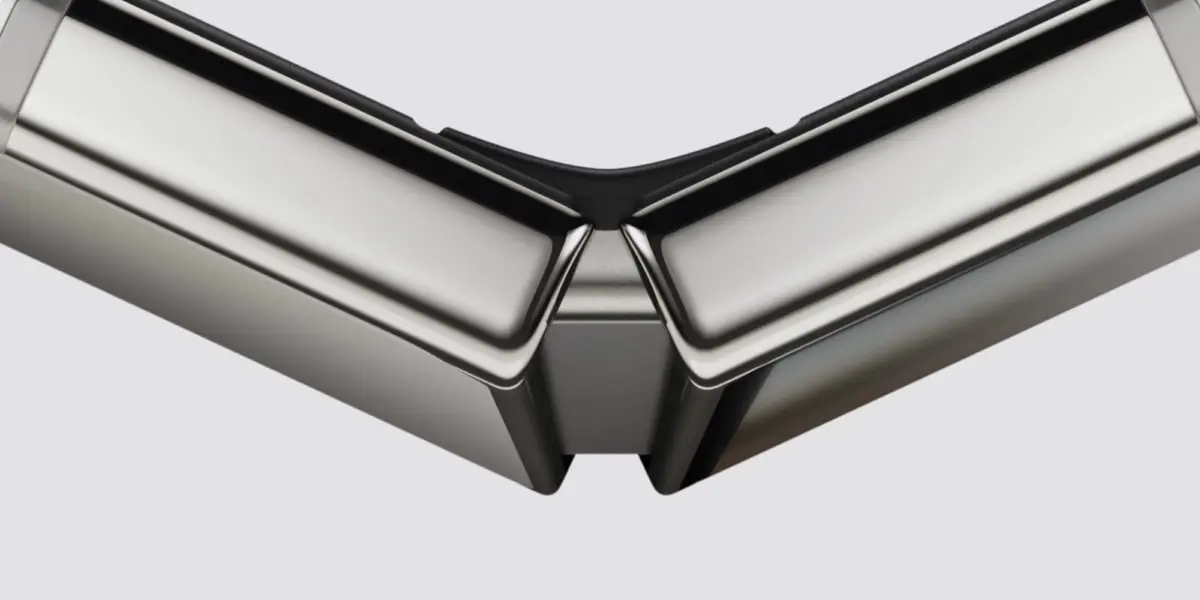
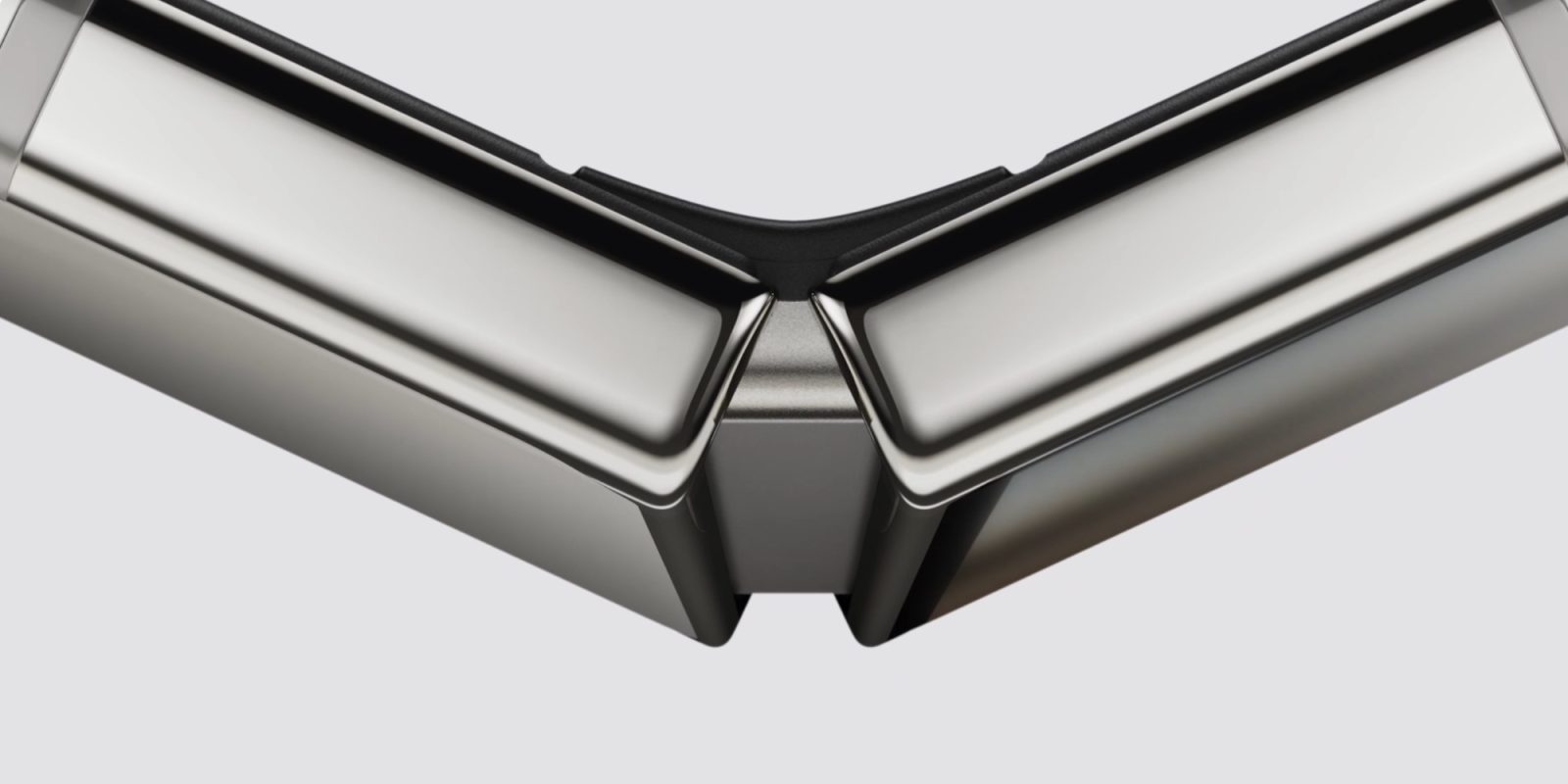
The landscape of mobile computing underwent a seismic shift with the introduction of Apple’s long-anticipated foldable device, the iPhone Duo. Positioned alongside the iPhone 18 Pro and iPhone 18 Pro Max, the iPhone Duo represents a masterclass in industrial design, material science, and semiconductor engineering. However, building a dual-screen foldable device introduces a labyrinth of physical constraints, none more daunting than thermal dissipation.
When a smartphone folds, its internal volume undergoes a radical transformation. Heat management becomes a formidable obstacle as components are compressed into tighter spaces, and the device doubles in thickness when closed. For Apple’s thermal engineering and silicon architecture teams, this challenge demanded an entirely new approach to thermodynamics.
In a revealing deep-dive interview with PCMag, Apple’s Vice President of Silicon Engineering, Dan Murray, and Senior Manager of Thermal Product Design, Banafsheh Barabadi, pulled back the curtain on the architecture of the A20 Pro chip and the ingenious engineering triumphs that keep the iPhone Duo running cool. Chief among these breakthroughs is an unprecedented thermal conduit: a flexible graphite pipe routed directly through the device’s hinge, allowing heat to flow seamlessly between both halves of the chassis.
This article explores the intricate engineering behind the iPhone Duo, examining how Apple leveraged the 2-nanometer A20 Pro chip, pioneered "metal over foam" thermal coupling, and transformed a mechanical hinge into a critical thermal dissipation asset.
Detailed Chronology of the A20 Pro and iPhone Duo Architecture
The 2nm Leap: Laying the Foundation
The journey toward the iPhone Duo’s thermal architecture began years prior in Apple’s silicon labs. Powered by the new A20 Pro chip, the iPhone 18 lineup and the iPhone Duo represent Apple’s commercialization of the 2-nanometer (2nm) fabrication process. This technological leap follows the debut of 2nm architecture earlier in August with the rollout of the M6 chip in the redesigned Mac mini.
Transitioning to a 2nm process yields unprecedented transistor density, enabling massive performance and energy-efficiency gains. Yet, higher transistor density packed into tightly sealed mobile enclosures inherently generates intense localized heat flux. For standard slab phones like the iPhone 18 Pro, dissipating this thermal energy is challenging enough. For a foldable device like the iPhone Duo, which features two expansive screens and complex internal folding mechanics, standard cooling solutions were entirely insufficient.
Customizing Silicon for Dual-Screen Workloads
While the base architecture of the A20 Pro is shared across the iPhone 18 Pro, Pro Max, and Duo, the version powering the iPhone Duo required bespoke modifications. To orchestrate a foldable user experience seamlessly, Apple’s silicon team customized the SoC specifically for dual-screen mechanics.
According to Dan Murray, the iPhone Duo variant of the A20 Pro incorporates a second dedicated display engine. This hardware addition is vital for running both the inner foldable screen and the outer cover display simultaneously without stuttering or drawing excessive power. Furthermore, the chip’s CPU and GPU blocks were tuned to sustain high-performance output across both canvases.
Another breakthrough nestled within the iPhone Duo’s display assembly is the integration of an under-display FaceTime camera, hidden discreetly beneath the inner folding panel. Balancing the thermal output of the camera sensor, display drivers, and processing units immediately adjacent to each other required a revolutionary rethink of Apple’s thermal product design.
Supporting Context & Metrics: Solving the Thermal Equation
The "Metal Over Foam" Innovation
To bridge the gap between the blazing-fast A20 Pro silicon and the iPhone Duo’s newly engineered vapor chamber, Apple’s thermal team developed an entirely new class of interface material. Dubbed "metal over foam," this material was recently highlighted during teardown analyses conducted by repair advocates like iFixit on the standard iPhone 18 Pro.
In the iPhone Duo, metal over foam plays an even more critical role. Banafsheh Barabadi explained that the material creates a direct, mechanically compliant thermal coupling between the SoC and the vapor chamber. Because folding devices experience microscopic shifts and mechanical stresses every time they open and close, traditional rigid thermal pastes or static pads would degrade or lose contact over time.
The metal over foam composite adapts to these mechanical tolerances while maintaining maximum thermal conductivity. Developing this material required months of exhaustive testing to ensure its physical properties could withstand the rigors of daily consumer use while efficiently vacuuming heat away from the silicon die.
The Hinge as a Thermal Highway
The crown jewel of the iPhone Duo’s thermal system—and perhaps the most technically impressive feat of engineering in the entire device—is how Apple solved the problem of heat distribution across two separate chassis halves.
In a traditional smartphone, heat radiates outward through the back glass and frame. When a foldable device is closed, one half effectively insulates the other, trapping thermal energy and creating hot spots that can throttle processor performance. Rather than viewing the mechanical hinge as a barrier to thermal management, Apple’s engineers transformed it into a bridge.
Apple routed a flexible graphite pipe directly through the center of the iPhone Duo’s hinge mechanism. This pipe acts as a thermal highway, transferring heat generated by the A20 Pro (housed in one half of the device) across the hinge and into the secondary chassis half. By bridging the two halves, Apple effectively doubled the surface area available for passive heat dissipation, preventing localized thermal throttling and maintaining stable peak performance during heavy workloads, such as multi-window multitasking or high-end gaming.
Official Statements and Engineering Insights
The technical hurdles overcome by Apple’s engineering squads cannot be overstated. In their interview with PCMag, Murray and Barabadi provided rare, transparent insights into the collaborative effort required to bring the iPhone Duo to life.
Banafsheh Barabadi reflected on the immense difficulty of designing the hinge-integrated graphite pipe:
"This was one of the most technically challenging aspects of our design," Barabadi noted.
To make the graphite pipe viable, Apple had to co-engineer the component jointly between its thermal product design team and its mechanical engineering group. A standard rigid pipe would snap or shear under the twisting forces of repetitive folding. Therefore, the team engineered a specialized flexible material capable of enduring tens of thousands of hinge cycles.
"It’s a flexible material that needs to survive, as you can imagine, many hinge cycles while maintaining its thermal connectivity, and also its structural integrity throughout the product life cycle," Barabadi explained.
On the silicon front, Dan Murray emphasized the rigorous optimization required to support the iPhone Duo’s dual-display ecosystem:
"For iPhone Duo, we added a second display engine to support simultaneous operation of the inner and outer displays," Murray stated. "And with the increased CPU and GPU performance, we ensure we can deliver a smooth user experience across the displays. For the inner display, we also added support for placing the FaceTime camera behind the display."
Furthermore, the design choices extended beyond just the cooling pipes and display engines. Apple opted to place the device’s DRAM directly adjacent to the processor rather than adopting a stacked package-on-package (PoP) DRAM configuration. This lateral placement reduces thermal buildup stacking directly over the CPU, spreading the heat profile across a wider footprint before it reaches the vapor chamber and metal-over-foam layers.
Future Outlook
The launch of the iPhone Duo and the integration of advanced thermal systems like the flexible graphite hinge signal a mature new phase in the evolution of foldable technology. For years, critics of foldable phones pointed to thermal throttling, bulky chassis designs, and fragile internal cabling as insurmountable roadblocks to mainstream consumer adoption.
By redefining the hinge not merely as a mechanical joint, but as an active thermal conduit, Apple has established a new architectural blueprint for the industry. The successful deployment of the 2nm A20 Pro chip, paired with novel materials like metal over foam and flexible graphite pipes, proves that future mobile devices will rely heavily on cross-disciplinary engineering—where mechanical, thermal, and silicon teams must operate as a single unified front.
As competitors race to respond, the iPhone Duo sets a rigorous benchmark. It demonstrates that thin, elegant foldable hardware no longer has to come at the expense of sustained performance. For Apple, the graphite hinge is more than just a clever engineering fix; it is a clear statement that the company has solved the physics of the fold, opening the door to a powerful, cool-running generation of multi-screen computing.