Executive Overview
Nearly three decades after its initial debut on the Nintendo 64, The Legend of Zelda: Ocarina of Time remains a towering monument in the interactive entertainment landscape. Holding a pristine position at the pinnacle of Metacritic’s all-time rankings—outscoring legendary peers like Soulcalibur, Grand Theft Auto IV, and Super Mario Galaxy 2—the 1998 masterpiece is widely credited with successfully bridging the gap between two-dimensional sprite work and three-dimensional exploration.
When Nintendo officially announced that it was completely rebuilding the title from the ground up for the upcoming Nintendo Switch 2, the gaming world greeted the news with a predictable mixture of ecstatic reverence and cautious skepticism. Can lightning truly be struck twice?
Having spent extensive hands-on time with an early preview build of the Switch 2 remake, the answer is a resounding yes. Slated for an official release on November 5 at a retail price of $60—with pre-orders currently live—this reimagining goes far beyond a simple coat of digital paint. Nintendo has meticulously balanced modern quality-of-life mechanics and breathtaking visual fidelity with the core level design and atmospheric soul that made the original a timeless classic. For veterans and newcomers alike, Ocarina of Time on the Switch 2 proves to be an experience that plays even better than it looks.
Detailed Chronology & Evolution: From the N64 to the Switch 2
To understand the magnitude of this remake, one must appreciate the hardware limitations of 1998. The Nintendo 64 was a pioneering platform for 3D graphics, but its muddy textures, dense fog, and rigid polygon counts left much to the imagination. Over the past twenty-plus years, while ports and the 3DS remaster brought incremental improvements, the core architecture of Hyrule remained tethered to late-90s constraints.
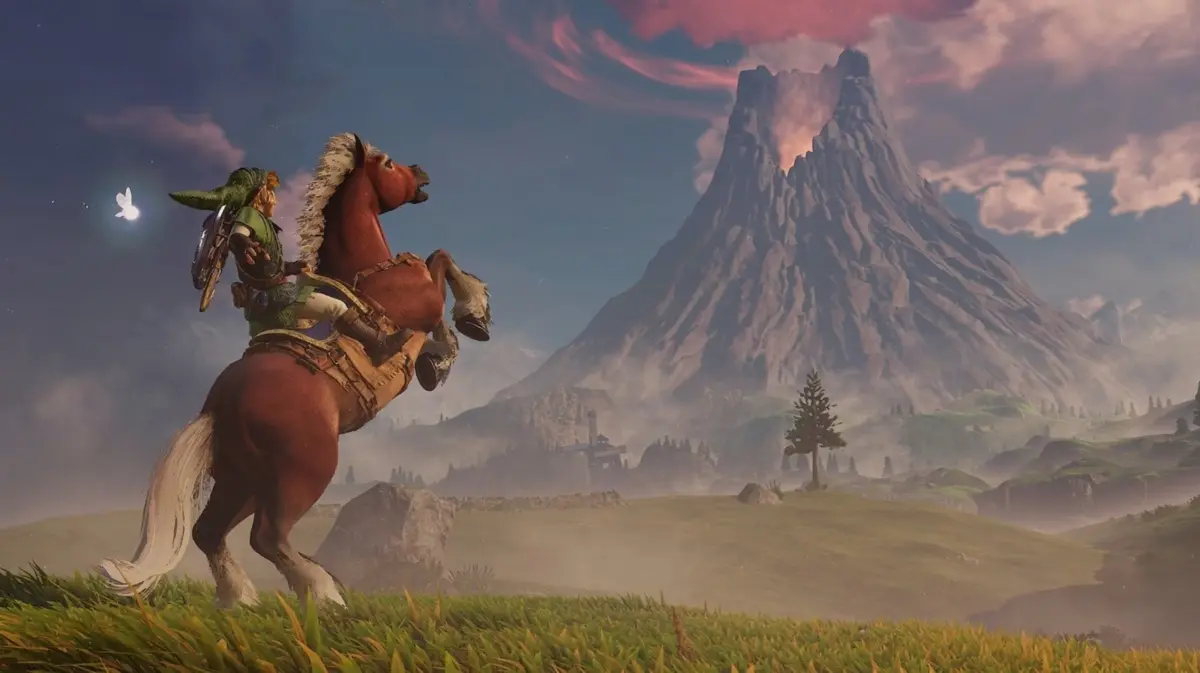
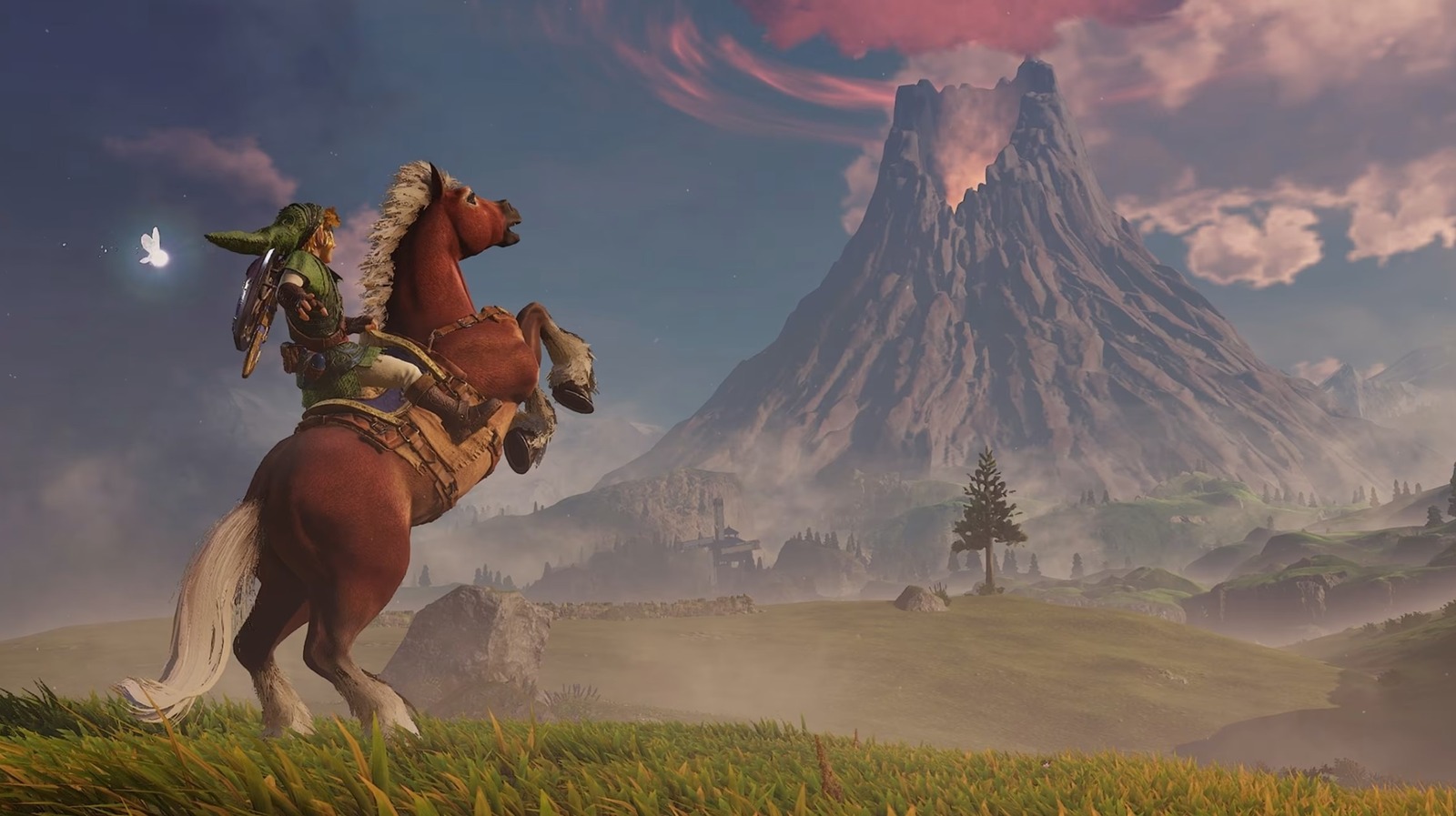
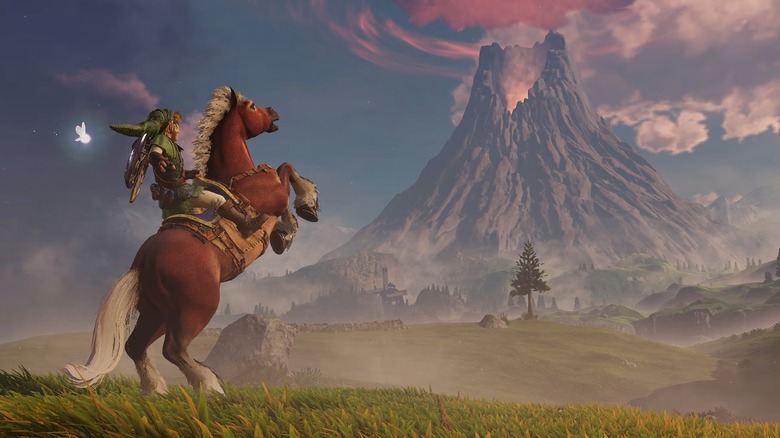
The transition to the Nintendo Switch 2 has allowed Nintendo’s development teams to completely unshackle the world of Hyrule. The graphical overhaul is immediately apparent upon stepping out into the Kokiri Forest. Gone are the flat, low-resolution planes of old; in their place is a lush, hyper-detailed woodland bursting with overgrown vegetation, dynamic lighting, and a tangible sense of humidity.
Key visual enhancements span every corner of the redesigned world:
- Hyrule Castle Town: The central hub is no longer a sparsely populated courtyard. It is a bustling, vibrant township filled with diverse citizens and stray pets, featuring taller, multi-layered buildings that grant the environment verticality and profound spatial depth.
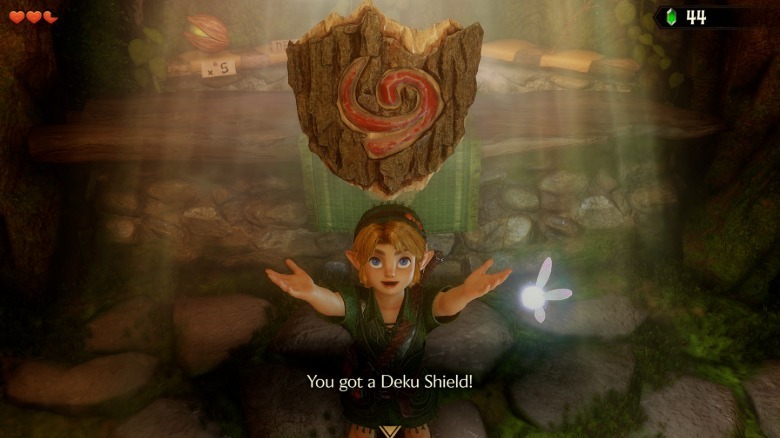
- Textural Authenticity: Minor assets have received immense attention. Kaepora Gaebora, the wise old owl, appears wonderfully fluffy yet retain his authoritative, distinguished demeanor. The iconic Deku Shield no longer resembles a painted piece of cardboard; its textured wooden bark reveals the true natural craftsmanship of the forest. Even Link’s character model has been refined, smoothing out the sharper, angular edges of his original facial features into a more natural, expressive design.
- Atmospheric Polish: Inside dungeons like the Forest Temple, volumetric, low-lying fog swirls dynamically around the player as they hunt for keys and hidden rooms, drastically amplifying the psychological tension and spooky ambiance.
- Combat Feedback: Swinging the Master Sword yields tactile visual rewards. Striking an enemy triggers brilliant particle bursts, while the updated animation for Link’s signature Spin Attack projects visible waves of raw energy across the screen.
Naturally, no overhaul is entirely without flaws. Water rendering remains a minor sticking point. Streams, rivers, and post-swim droplets occasionally evoke a viscous light-blue gelatin or high-fructose corn syrup rather than pristine liquid H2O. However, given how successfully modern game engines struggle with fluid dynamics, this visual quirk is remarkably easy to forgive against the backdrop of an otherwise stunning graphical masterwork.
Supporting Context & Metrics: Gameplay Mechanics and Modernization
While the visual modernization is striking, the true triumph of the Ocarina of Time remake lies beneath the hood. Nintendo resisted the temptation to completely upend the foundational gameplay loop, preserving the iconic Z-targeting system (which lets players lock onto targets via the shoulder buttons) as a nostalgic, foundational pillar of 3D action-adventure combat.
However, modern expectations demanded modern mobility. Nintendo has introduced crucial mechanical updates that fundamentally alter how players traverse Hyrule:
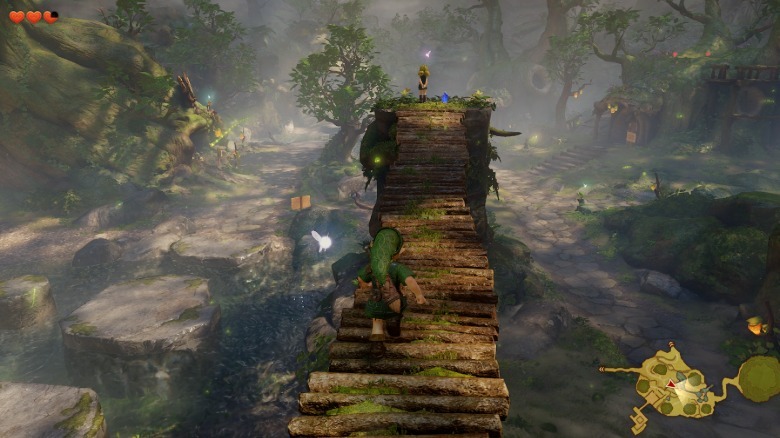
- Dedicated Jump Button: Gone are the days of auto-jumping off ledges. Players now have direct command over a jump button for platforming and environmental navigation, making exploration feel remarkably fluid.
- Sprint Functionality: A new dedicated sprint button allows for rapid transit across open fields. Purists who prefer the quirky charm of rolling everywhere can still do so, but the overall velocity of movement makes the sprawling map feel modern and responsive.
- The "Threads of Time" System: Addressing modern gaming habits where players may take days or weeks between sessions, this new quality-of-life framework introduces dynamic story summaries and contextual tooltips, ensuring players never lose track of their current objectives.
- Camera Freedom: Full, uninhibited control over the camera angle has been integrated, reducing awkward navigation in tight corridors, though the intelligent default camera rarely requires manual correction.
- Enhanced Swimming & Inventory: Underwater navigation has been completely overhauled to feel fast and intuitive, while a streamlined inventory wheel allows for instantaneous swapping of items and weaponry.
- Innovative Ocarina Input: For players seeking an immersive alternative to traditional button inputs, the Switch 2 hardware enables players to literally hum or sing into the console’s microphone to play precise notes on Link’s in-game ocarina. Hearing timeless melodies like the Song of Time reproduced with modern acoustic fidelity carries profound emotional weight.
Voice acting has also been selectively introduced for major cutscenes, lending appropriate gravitas to monumental moments like Link’s first encounter with the Great Deku Tree. Crucially, beloved touchstones remain intact—Navi’s infamous "Hey, Listen!" cries are present and accounted for, maintaining the classic dynamic between guide and hero.
Official Statements and Industry Impact
Industry analysts and Nintendo developers have framed this remake not as an attempt to rewrite history, but as an act of digital preservation and elevation. Speaking anonymously ahead of the preview event, members of the development team emphasized the delicate tightrope walk of updating a sacred text in gaming history.
"When you touch a game like Ocarina of Time, you are tampering with the foundational memories of millions of players worldwide," one developer noted. "Our goal was not to replace the 1998 original, but to build the definitive version of the experience that players remember having in their heads, rather than the polygon counts their older televisions actually displayed."
Public reception from early preview attendees has heavily validated this design philosophy. Critics and long-term fans alike have lauded the seamless integration of modern quality-of-life amenities with the timeless, intricate puzzle design that defined the late-90s golden era of Nintendo. By avoiding the pitfalls of over-simplification while aggressively adopting contemporary engine capabilities, Nintendo has set a new benchmark for how legacy intellectual property should be handled on next-generation hardware.
Future Outlook: The Path to November 5
As the November 5 release date rapidly approaches, The Legend of Zelda: Ocarina of Time stands as the definitive early showcase title for the Nintendo Switch 2 ecosystem. Priced competitively at $60, it bridges the gap between historical reverence and technical innovation, offering an unmissable proposition for veterans who wept through the N64 era and younger generations experiencing the Hero of Time’s journey for the very first time.
With pre-orders already driving heavy digital and physical traffic through retail channels, the early consensus is clear: Ocarina of Time is poised to dominate the holiday season. If this preview build is any indication of the final product, Nintendo hasn’t just polished a classic—they have revitalized the beating heart of modern video game design.