Executive Overview
For modern gamers balancing demanding work schedules and high-stress daily lives, the leisure hours of the evening are a precious, limited commodity. Historically, the extraction shooter genre—characterized by high stakes, unforgiving loss states, and the constant, paranoid threat of player-versus-player (PvP) combat—has rarely been considered a relaxing pastime. Getting abruptly ambushed by a hidden adversary while simply trying to explore a beautifully rendered, post-apocalyptic world can turn a soothing escape into an exercise in frustration.
Enter Embark Studios and Arc Raiders. Following months of community feedback and revealing internal data metrics indicating a massive player appetite for a more passive, cooperative experience, the developers have introduced a temporary PvE (Player versus Environment) toggle alongside the major "Frozen Trail" update.
This long-requested mode strips away the threat of human-on-human violence, leaving players to contend solely with the lethal, mechanized Arc threat. Far from homogenizing the experience, this temporary toggle has fundamentally altered the social dynamics of the game, transforming a high-anxiety survival sandbox into a masterclass in emergent, cooperative storytelling. This report examines the technical rollout of the PvE test, player reactions, the behavior of new mechanical adversaries like the Bully and the Skulker, and what this paradigm shift means for the future of Arc Raiders.
Detailed Chronology of the Update and PvE Rollout
The road to the PvE test has been a deliberate, data-driven journey for Embark Studios. Weeks prior to the rollout, developers hinted that internal metrics could no longer ignore a significant segment of the player base that consistently favored a less adversarial approach to the surface world. While the expansive "Frozen Trail" update went live earlier in the week—introducing sweeping additions such as personal, customizable outposts, map overhauls, and upgraded gun progression—the highly anticipated PvE toggle arrived slightly later, immediately capturing the community’s attention.
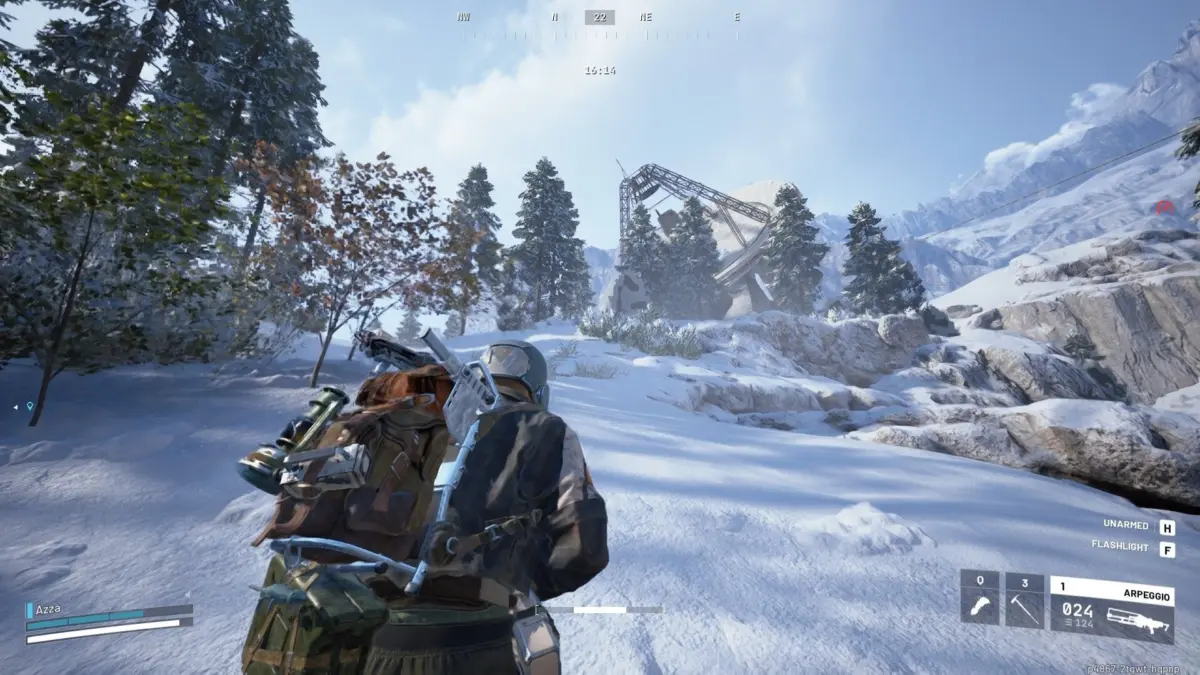
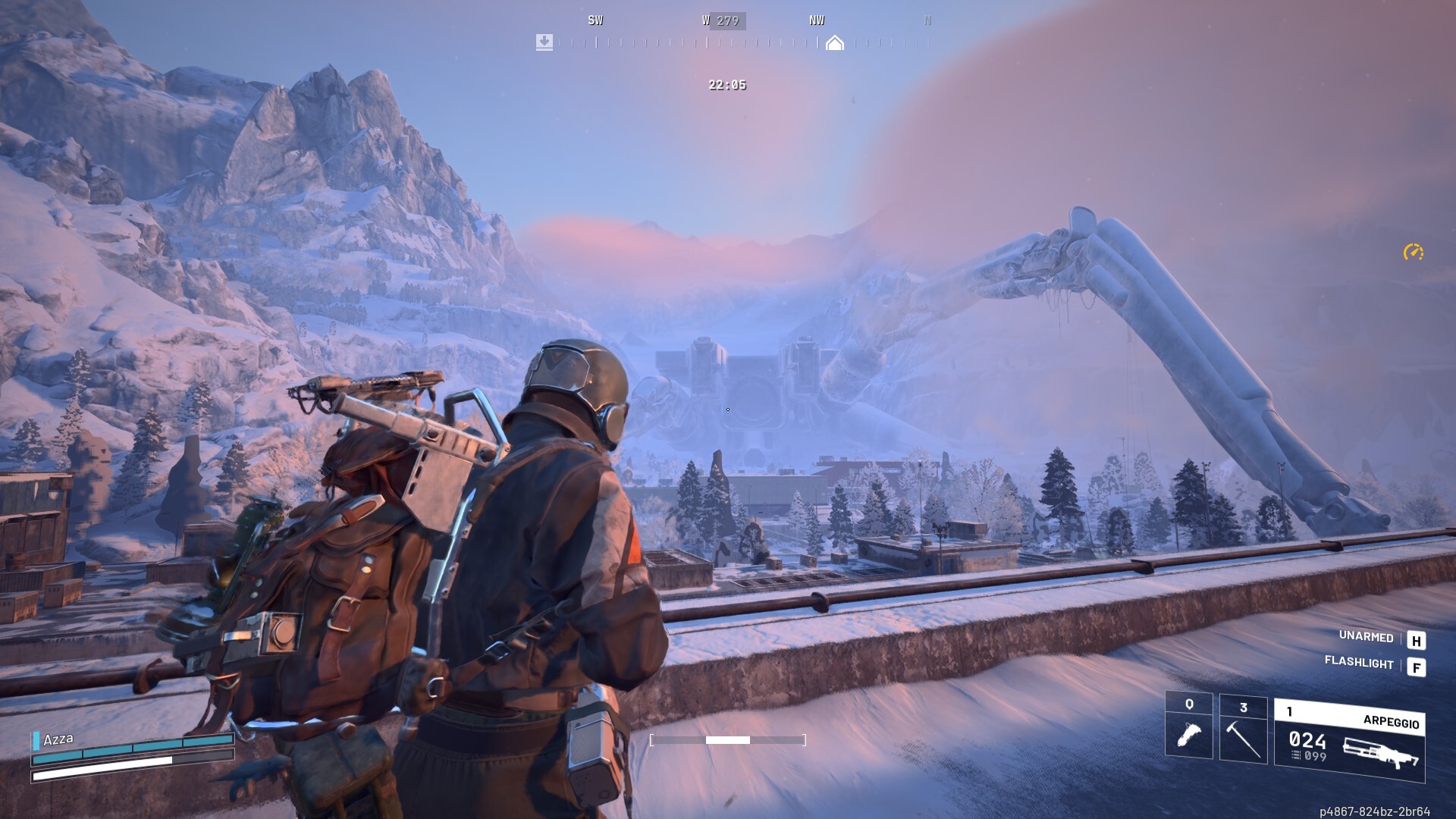
Upon dropping into the newly atmospheric Pendola Pass under the PvE parameters, the immediate psychological shift for veterans of the genre is palpable. Rather than creeping from bush to bush with weapon raised and heart pounding at every rustle of the wind, players step out of their subterranean bunkers into an environment governed by shared survival rather than cutthroat competition.
In one notable early encounter during the test phase, emerging from a bunker immediately hurled the player into the thick of a chaotic firefight. Rather than hiding from opportunistic raiders, the local vicinity was buzzing with cooperative energy as multiple players converged to take down a "Bully"—a robust, mid-tier member of the Arc mechanical menace introduced in recent patches.
While the Bully proved surprisingly resilient, soaking up heavy ordinance like the Wolfpack grenade with ease, the absence of griefing or crossfire betrayal turned a potentially lethal encounter into a celebratory community event. The experience validated a core constituency of the player base: those who seek the adrenaline of mechanical boss fights, breathtaking environmental vistas, and resource gathering without the perpetual dread of a sniper bullet to the back of the head.
Supporting Context & Metrics: Why Embark Had to Listen to the Data
The decision to trial a pure PvE mode in Arc Raiders is indicative of a broader industry trend. Extraction shooters have long wrestled with a fundamental design paradox: how to maintain high-stakes tension without alienating casual players who lack the time to master twitch-reflex PvP gunplay.
The Casual Burnout Crisis
Modern gaming demographics are aging. Many early adopters of extraction shooters now juggle careers, families, and limited free time. For these players, spending a rare two-hour gaming window enduring repeated ambushes from hidden campers acts as an immediate deterrent. Arc Raiders possesses an undeniably magnetic world—steeped in rich mystery, grandiose visual design, and unique atmospheric storytelling that sets it apart from gritty military shooters. Restricting access to this world behind a mandatory PvP wall risked locking out a massive demographic of potential fans.
Emergent Cooperation vs. Toxic Paranoia
In traditional PvPvE environments, encountering another player is almost universally treated as a hostile event. Trust is a rare commodity, usually resulting in preemptive strikes. However, the PvE test has inverted this social contract.
During mid-game excursions toward objectives like the Observatory, encounters with other players shift from terrifying to reassuring. When the hubris of a solo player leads them to underestimate the newly introduced "Skulker"—a small, deceptively lethal Arc enemy that easily swarms careless operators—the presence of nearby strangers becomes a lifeline rather than a death sentence. In instances where players find themselves pinned behind crates, exhausting precious ammo reserves, anonymous saviors frequently materialize to clear the threat before vanishing back into the frost.
This dynamic fosters a profound sense of camaraderie. Without the looming threat of backstabbing, players readily engage in "paying it forward"—distracting swarms of Wasps from outbuildings, trading waves of acknowledgment, and successfully extracting without losing faith in humanity.
Official Statements and Developer Insights
Embark Studios has maintained a transparent dialogue with its community regarding the implementation of the PvE test. In statements leading up to the Frozen Trail release, development leads acknowledged that the game’s data telemetry revealed a stark divide in player preferences.
"We cannot ignore what the data is telling us," an Embark representative noted during pre-launch communications. "A substantial portion of our audience engages with Arc Raiders primarily for its world, its cooperative tension against the Arc machines, and the overarching narrative. While the PvP extraction loop remains the heartbeat of our core design, exploring alternative ways for players to enjoy the universe safely is a vital experiment for the health of the game."
While Embark has explicitly framed this rollout as a test and a temporary toggle rather than a permanent structural overhaul, the overwhelmingly positive reception from a large sector of the player base has sparked intense debate within community forums. Developers are closely monitoring player retention, extraction rates, and resource accumulation metrics during this testing window to determine how player behavior changes when the human threat is removed.
Future Outlook: What the PvE Test Means for the Genre
The success of the Arc Raiders PvE test raises critical questions about the future of the extraction shooter genre as a whole. Can these games survive—and indeed thrive—by offering bifurcated experiences that cater to both hardcore PvP veterans and casual PvE explorers?
1. Retention and Accessibility
By lowering the barrier to entry, Embark Studios is successfully capturing an audience that would otherwise bounce off the game entirely. For players with limited time, a session in which they can reliably explore, craft, upgrade their personal outposts, and tackle high-tier Arc units without unfair setbacks is infinitely more appealing than losing hours of progress to an unseen sniper.
2. Balancing and Game Economy Challenges
A purely PvE environment introduces significant balancing hurdles. In standard extraction shooters, the risk of PvP loss justifies high-tier loot rewards. If players can farm high-value materials and take down bosses in a risk-free environment, the game’s economy risks inflation. Embark will need to carefully analyze whether loot drop rates, material scarcity, or progression speeds require adjustment should a PvE mode become a permanent fixture.
3. The Identity of Arc Raiders
Purists argue that the constant threat of other players is what gives the world its teeth—that the beauty of the landscape is enhanced precisely because it is dangerous. However, the counter-argument is equally compelling: the Arc machines themselves are uniquely terrifying and mechanically complex enough to anchor the gameplay loop entirely on their own. The addition of varied enemies like the Bully and the Skulker proves that Embark’s PvE design is robust enough to sustain intense, tactical combat without needing human antagonists to spice up the mix.
Conclusion
As the Arc Raiders PvE test continues, it stands as a shining example of a developer listening to its community and utilizing data to innovate within a rigid genre. For players who simply want to lose themselves in the mysteries of the surface world, take down towering mechanical threats, and share a quiet wave with a fellow survivor, these few days in the wasteland have proven nothing short of revolutionary. Whether Embark chooses to make the PvE toggle a permanent option or keeps it as a rotating curated experience, one thing is certain: the wasteland is far richer when humanity remembers how to work together.