Executive Overview
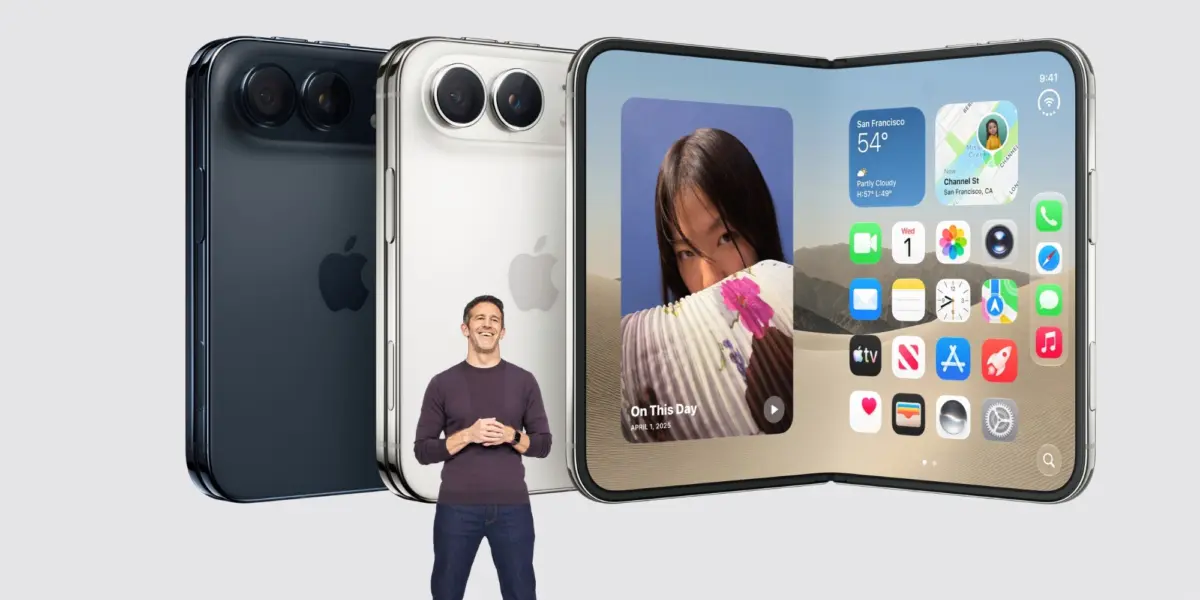
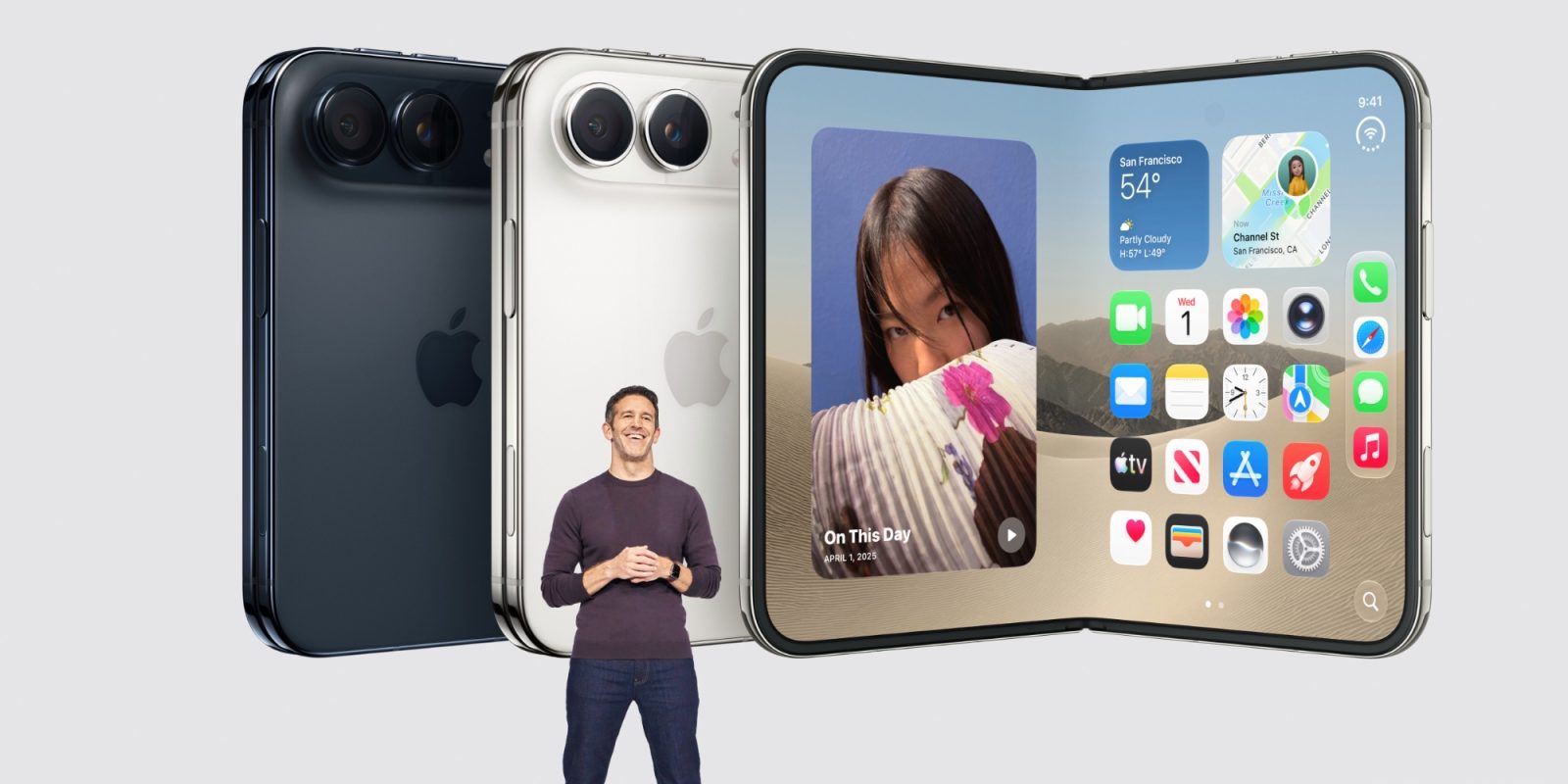
In the fast-paced ecosystem of consumer electronics, patience is rarely rewarded. Companies race to be first to market, often trading long-term reliability and refinement for early adopter hype. Yet, when TIME magazine unveiled its prestigious list of the best inventions of 2026, it was Apple—a notoriously late entrant to the foldable device category—that captured the industry’s attention. Headlining the cover alongside the newly released iPhone Duo was Apple’s chief executive, John Ternus, signaling a profound transitional era for the world’s most valuable technology company.
The iPhone Duo’s arrival nearly a decade after competitors popularized folding smartphones might look like uncharacteristic hesitation to casual observers. However, an exclusive, wide-ranging interview with TIME reveals that the device is the culmination of a deliberate, fifteen-year technological odyssey. Far from rushing to capitalize on a fleeting trend, Apple waited for the material sciences, manufacturing precision, and user experience paradigms to catch up to its exacting standards.
This deep dive explores the fascinating origins of Apple’s foldable ambitions dating back to 2011, the internal friction over settling for "good enough" versus engineering perfection, and how Ternus has deeply embedded himself in the design studio during his early tenure as CEO.
Detailed Chronology: From 2011 Patents to the 2026 Debut
To understand the engineering marvel that is the iPhone Duo, one must look backward rather than forward. The journey of Apple’s first foldable device did not begin in a panicked response to rival devices hitting shelves in the late 2010s; it started in the conceptual era of flexible OLED displays.
The Genesis: 2011 and the Flexible Display Bet
In 2011, at a time when the broader mobile industry was dominated by candy-bar smartphones and the nostalgic final breaths of traditional flip phones, John Ternus and a tightly knit strike team of five Apple engineers filed a foundational patent application for flexible electronic devices.
Even then, the engineering group was attempting to answer fundamental questions that would baffle manufacturing supply chains for the next decade:
- What kind of flexible circuit boards would be required to withstand hundreds of thousands of bends?
- How could a battery be safely segmented and folded without degradation or safety risks?
As Ternus reflected in his interview with TIME, the roadmap was clear conceptually long before it was physically possible to manufacture at scale. "It felt clear that we were going to eventually get to a place where OLED displays were going to be flexible," Ternus noted. Yet, clarity of vision did not mean immediate execution. Apple deliberately chose to wait out the awkward adolescent phase of the foldable market.
Rejecting the "Cheap and Crappy" First Wave
As early foldable smartphones emerged on the commercial market throughout the late 2010s and early 2020s, tech enthusiasts marvelled at the shifting form factors, but critics routinely pointed out glaring flaws: visible and intrusive screen creases, fragile plastic polymer surfaces susceptible to fingernail scratches, and fragile hinges vulnerable to dust and particle ingress.
Ternus watched these iterations from inside Apple’s Cupertino labs with a critical eye. Unimpressed by the compromises made by competitors to achieve early market dominance, Ternus bluntly assessed the early wave of foldables, remarking that they "felt kind of cheap and crappy."
Rather than succumbing to the pressure of industry analysts demanding an Apple folding phone year after year, executive leadership sheltered the research and development teams, allowing them to iterate in secret until they could produce a device that met Apple’s gold standard of industrial design.
Supporting Context & Metrics: Engineering the Invisible Crease
The defining hallmark of any foldable device is its hinge mechanism and the screen surface it supports. For years, consumers accepted screen creases as an unavoidable tax for owning a device with a larger, transforming display. Apple’s engineering team, led by VP of Product Design Richard Dinh under Ternus’s watchful eye, sought to eliminate this visual and tactile interruption entirely.
The Turning Point: Rejecting "Good Enough"
During the final phases of product development, the tension between hitting a product deadline and achieving engineering perfection came to a head. In a revealing anecdote shared with TIME, Richard Dinh approached Ternus with a dilemma. Dinh had been evaluating a top-surface display material similar to those utilized by industry competitors—a material that Dinh acknowledged had lingering flaws, but was arguably "good enough" to ship.

Ternus’s response became the defining philosophy of the iPhone Duo project. According to Dinh, Ternus simply replied:
"Look, Rich, you’ll know when it’s the right thing."
That single directive gave the product design and manufacturing teams the psychological and financial runway needed to completely rethink the device’s architecture. It spurred a massive, global logistics effort. Apple engineers flew across the world to coordinate with specialized suppliers, ultimately inventing a proprietary nanotexture surface technology tailored specifically for the foldable display.
Precision Engineering Breakdown
The resulting hardware architecture of the iPhone Duo stands apart from anything else on the market:
- The Hinge Mechanism: Constructed using more than 100 tiny interior precision components, the hinge distributes tension evenly across the display panel, allowing the device to snap shut flush while protecting the inner screen from debris.
- The Custom Polymer: Abandoning standard commercial plastics, Apple developed a multi-layered polymer matrix that provides structural rigidity while retaining microscopic flexibility.
- The Crease Reduction Metric: Early reviewers and first-wave users have universally praised the physical profile of the iPhone Duo, noting that the screen crease is virtually imperceptible to both the eye and the fingertip.
Official Statements: John Ternus and the Renaissance of Apple Design
The launch of the iPhone Duo is not just a triumph of engineering; it also marks a pivotal cultural shift within Apple’s executive suite. Since stepping into the role of Chief Executive Officer, John Ternus has signaled a deliberate return to Apple’s roots: a hyper-fixation on the intersection of industrial design and human interface.
A Hands-On Approach at the Top
While modern tech CEOs are frequently bogged down by regulatory hearings, shareholder meetings, and global supply chain logistics, Ternus has carved out protected time to return to the drafting table. According to reports, Ternus has devoted a significant portion of his early tenure as CEO to obsessing over design, spending multiple days every single week locked inside the studio alongside Apple’s industrial-design and human-interface teams.

This hands-on leadership style mirrors the legendary product-first obsession of Steve Jobs and early-era Tim Cook, bridging the gap between corporate management and grassroots engineering. By keeping a direct line of communication open with designers and material scientists, Ternus ensures that Apple’s corporate strategy is dictated by what is physically possible and aesthetically stunning, rather than arbitrary financial quarter deadlines.
Beyond hardware foldables, Ternus’s TIME interview touched upon the broader currents shaping the technology sector, including the rapid maturation of artificial intelligence. While competitors race to integrate generative AI features that often feel disjointed or rushed, Ternus emphasized Apple’s strategy of contextual integration—ensuring that computational intelligence serves to enhance, rather than overshadow, the physical and human experience of Apple’s hardware ecosystem.
Future Outlook: What the iPhone Duo Means for the Next Decade
The debut of the iPhone Duo and its subsequent recognition by TIME as one of the defining inventions of 2026 establishes a new baseline for the smartphone industry. Apple has effectively proven that being first is secondary to being right.
Shifting Market Dynamics
By entering the foldable category with a mature, virtually crease-free device, Apple is positioned to rapidly capture the premium tier of foldable phone adopters. Consumers who previously held back from purchasing folding devices due to durability concerns now have an option backed by Apple’s renowned build quality and ecosystem integration.
Furthermore, the manufacturing techniques pioneered for the iPhone Duo—ranging from advanced hinge engineering to custom polymer nanotexture displays—will likely cascade down into future product lines, potentially transforming iPad and Mac form factors in the latter half of the decade.
Conclusion
As the dust settles on the launch of the iPhone Duo, the overarching narrative is clear. Under John Ternus’s leadership, Apple has not lost its appetite for calculated, long-term risk. By nurturing a foldable concept through fifteen years of technological evolution, rejecting subpar industry compromises, and fostering an internal culture of uncompromising design integrity, Apple has once again rewritten the rules of consumer technology. The iPhone Duo is more than just a phone that folds; it is a testament to the power of patience, precision, and a refusal to settle for anything less than perfection.