
Executive Overview
As Dell’s premier gaming sub-brand, Alienware, fast approaches its monumental 30th anniversary this coming October, the company continues to anchor its reputation at the bleeding edge of desktop hardware innovation. In a sweeping hardware rollout, Alienware has officially pulled back the curtain on two cutting-edge OLED gaming monitors that leverage advanced tandem OLED technology to shatter previous industry benchmarks for panel brightness, response times, and visual fidelity.
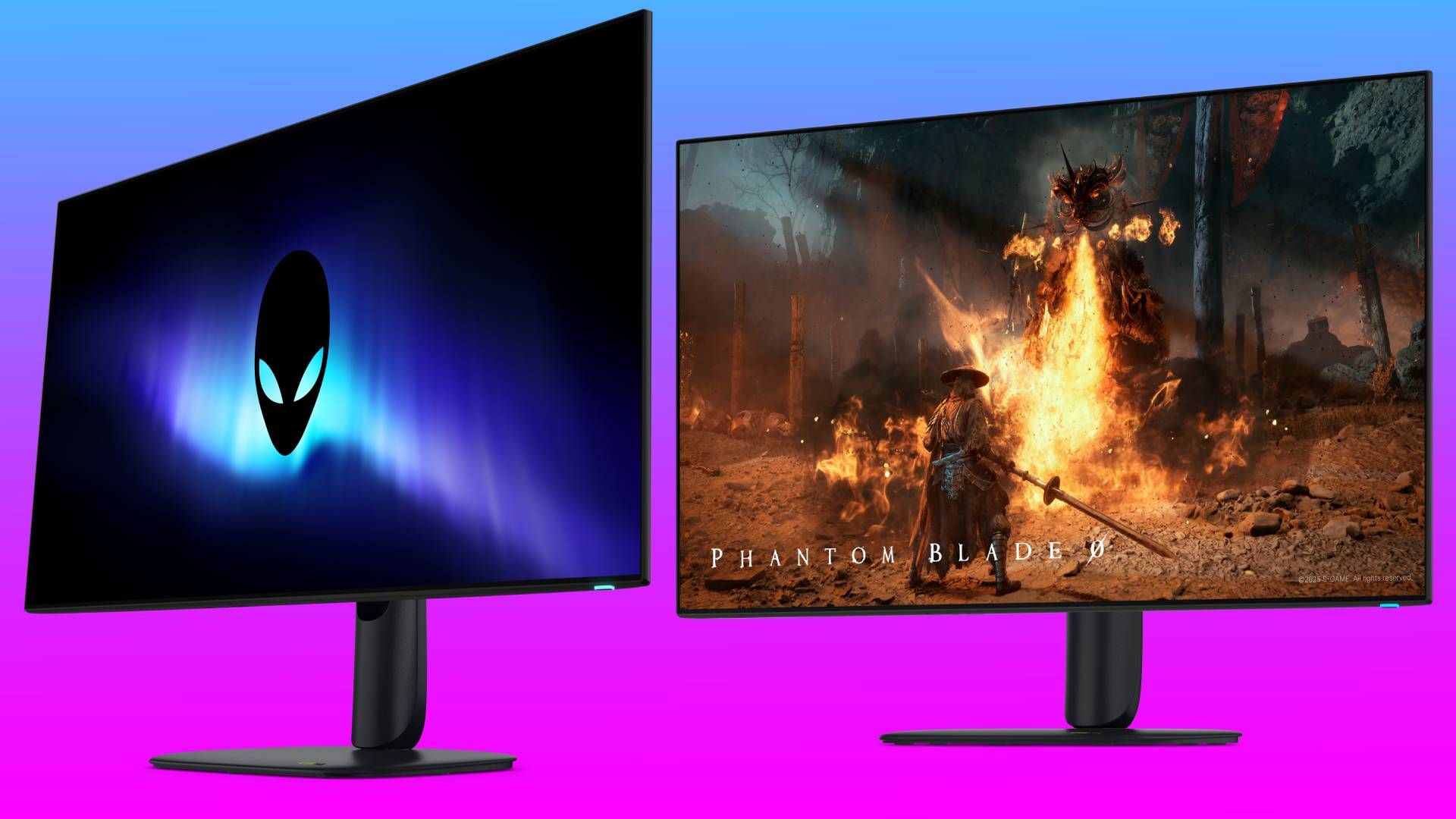
The announcement introduces a dual-pronged hardware strategy designed to capture distinct segments of the enthusiast market. At one end sits the esports-engineered AW2527HX, an ultra-fast 25-inch panel boasting an eye-watering 560 Hz refresh rate and co-designed alongside multi-time World of Warcraft Race to World First champions, Team Liquid. At the other end is the AW3226Q, a versatile, premium 32-inch 4K monitor designed to balance cinematic visual splendour with high-end desktop productivity, priced aggressively at $699 and slated for a Fall 2026 launch.
By adopting LG’s innovative tandem OLED architecture—and incorporating specialized Penta-tandem layers for its esports tier—Alienware is actively tackling the historical Achilles’ heel of organic light-emitting diode technology: peak luminance limitations. As the competitive gaming landscape shifts heavily toward high-refresh OLED adoption, Alienware’s latest line-up signals a concerted effort to out-manoeuvre rivals like Asus and MSI through a potent mix of competitive specification-chasing and aggressive pricing models.
Detailed Chronology & Hardware Lineup
The unfolding narrative of Alienware’s latest display hardware reveals a meticulously planned release schedule and a targeted roadmap aimed at capturing both professional tournament spaces and high-end consumer desktops.
The Esports Titan: AW2527HX
Slated for a formal release and detailed pricing announcement in Q1 2027, the AW2527HX has been built from the silicon up for the competitive multiplayer circuit. Head of Product Matt McGowan has pitched the unit as Alienware’s "fastest monitor ever," a claim backed by jaw-dropping core specifications:
- Refresh Rate: 560 Hz
- Response Time: 0.03 ms (Gray-to-Gray)
- Panel Size: 25-inch
- HDR Standard: VESA DisplayHDR True Black 600
Co-developed in direct collaboration with elite esports organization Team Liquid, every ergonomic and functional detail of the AW2527HX is informed by real-world competitive telemetry. "Every detail has been informed by how pros actually set-up and compete," McGowan noted during the unveiling.
The Cinematic All-Rounder: AW3226Q
Moving away from pure tournament speeds, the AW3226Q targets the high-end consumer and multi-use creator demographic. Arriving much sooner in Fall 2026 with an MSRP of $699, this 32-inch 4K panel seeks to democratize ultra-bright, large-format OLED gaming without demanding the four-figure price tags typically commanded by early-adopter flagship displays.
- Resolution: 4K UHD
- Refresh Rate: 165 Hz
- Response Time: 0.03 ms
- Peak Brightness: 1,000 nits via Tandem OLED tech
- HDR Standard: VESA DisplayHDR True Black 400
- Warranty: Comprehensive 3-year burn-in protection warranty
Supporting Context & Technical Metrics
To truly appreciate the significance of Alienware’s new hardware, one must examine the underlying physics and engineering shifts taking place across the monitor industry. For years, standard OLED panels struggled to achieve the soaring peak brightness levels demanded by HDR content creators and sun-drenched desktop environments, often resulting in aggressive Automatic Brightness Limiting (ABL) algorithms dimming the display during bright, full-screen white scenes.
The Rise of Tandem OLED Architecture
Tandem OLED technology—originally pioneered in the mobile display sector—solves this fundamental limitation by stacking multiple emissive organic layers on top of one another. Instead of driving a single layer to its thermal and electrical limits (which rapidly degrades the organic compounds and accelerates burn-in), a tandem stack distributes the electrical current across two or more independent light-emitting layers.
The benefits are profound:
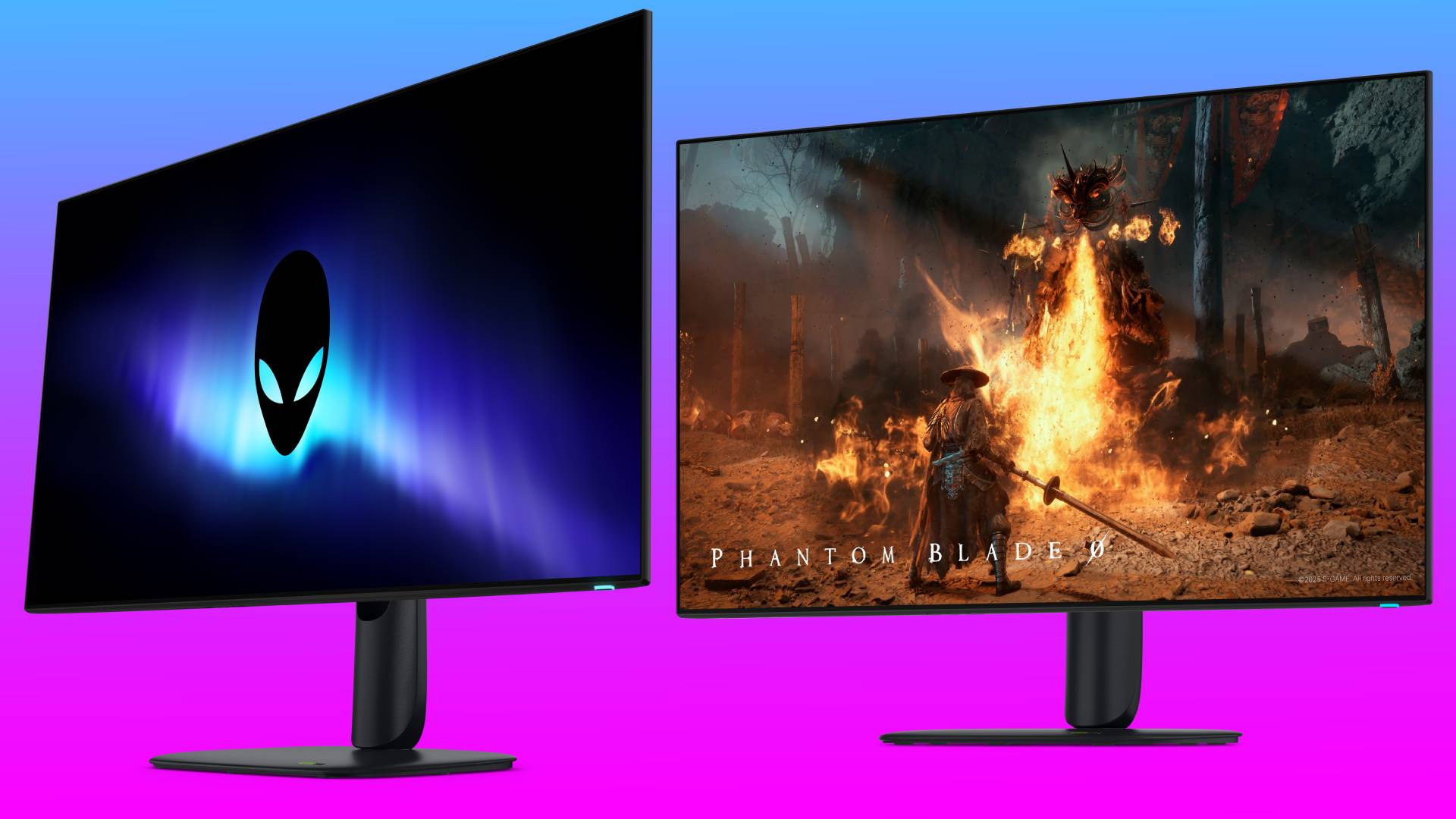
- Dramatically Increased Peak Brightness: The AW3226Q achieves a blistering 1,000 nits of peak brightness, while the esports-focused AW2527HX utilizes an even more advanced Penta-tandem structure to overcome the light-transmission penalties inherent in high-refresh-rate substrates.
- Extended Panel Longevity: By sharing the luminance workload, individual subpixels experience significantly less voltage stress, directly mitigating degradation and burn-in risks.
- Enhanced Subpixel Clarity: Both monitors incorporate RGB Stripe subpixel layouts, effectively eliminating the fuzzy text fringing that plagued early generations of QD-OLED and WOLED desktop panels, ensuring razor-sharp typography for productivity tasks.
Specifications at a Glance
| Feature | AW2527HX (Esports Tier) | AW3226Q (Consumer/Creator Tier) |
|---|---|---|
| Screen Size | 25-inch | 32-inch |
| Resolution | To be announced | 4K UHD |
| Panel Technology | Penta-tandem OLED | Tandem OLED |
| Peak Brightness | High-output Penta-tandem spec | 1,000 nits peak |
| Response Time | 0.03 ms | 0.03 ms |
| Refresh Rate | 560 Hz | 165 Hz |
| HDR Certification | VESA DisplayHDR True Black 600 | VESA DisplayHDR True Black 400 |
| Ergonomics & Extras | Telescopic stand (155mm adjustment), rear-flip headset hanger | Personalized burn-in mitigation algorithm, 3-year warranty |
| MSRP / Release | TBD (Q1 2027) | $699 (Fall 2026) |
Official Statements & Industry Positioning
Alienware’s strategic pivot is heavily focused on market accessibility and pro-grade validation. During the product briefing, Head of Product Matt McGowan emphasized that the brand’s overarching goal is to deliver "more price points people can actually reach," while simultaneously ensuring that professional-tier hardware does not compromise on build quality or specialized features.
Regarding the AW3226Q, McGowan positioned it as a dual-threat device, stating that it will be "stunning for gaming and equally impressive for everyday use."
However, Alienware is entering a fiercely contested arena. The battle for tournament supremacy is reaching fever pitch. Last month, Asus staked its claim on the competitive landscape by designating the ROG Swift OLED PG259QWS Ace as the official monitor for the upcoming Counter-Strike 2 PGL CS2 Major Singapore 2026. While Asus boasts slightly more aggressive raw specs on paper—featuring a 720 Hz refresh rate and a 0.02 ms response time—Alienware is banking on its deep-rooted partnership with Team Liquid and an anticipated aggressive pricing structure to sway both tournament organizers and grassroots competitive players.
Furthermore, the pricing strategy for the AW3226Q at $699 represents a seismic shift in the 32-inch 4K OLED market. For context, while Alienware offers budget-conscious options like the 27-inch AW2726DM for $350 (though lacking tandem architecture), competing multi-layer tandem QD-OLEDs from rival manufacturers—such as the MSI MPG 322UR X24—routinely command retail prices well in excess of $1,000. By undercutting the competition while matching or exceeding luminance outputs, Alienware is positioning the AW3226Q as an exceptional value proposition for high-end enthusiasts.
Future Outlook
As we look toward the remainder of 2026 and the opening quarter of 2027, the display market is undergoing its most rapid technological evolution in a decade. The transition from single-layer OLEDs to multi-layer tandem architectures represents a generational leap forward, effectively erasing the traditional compromises between visual brightness, HDR impact, and long-term panel durability.
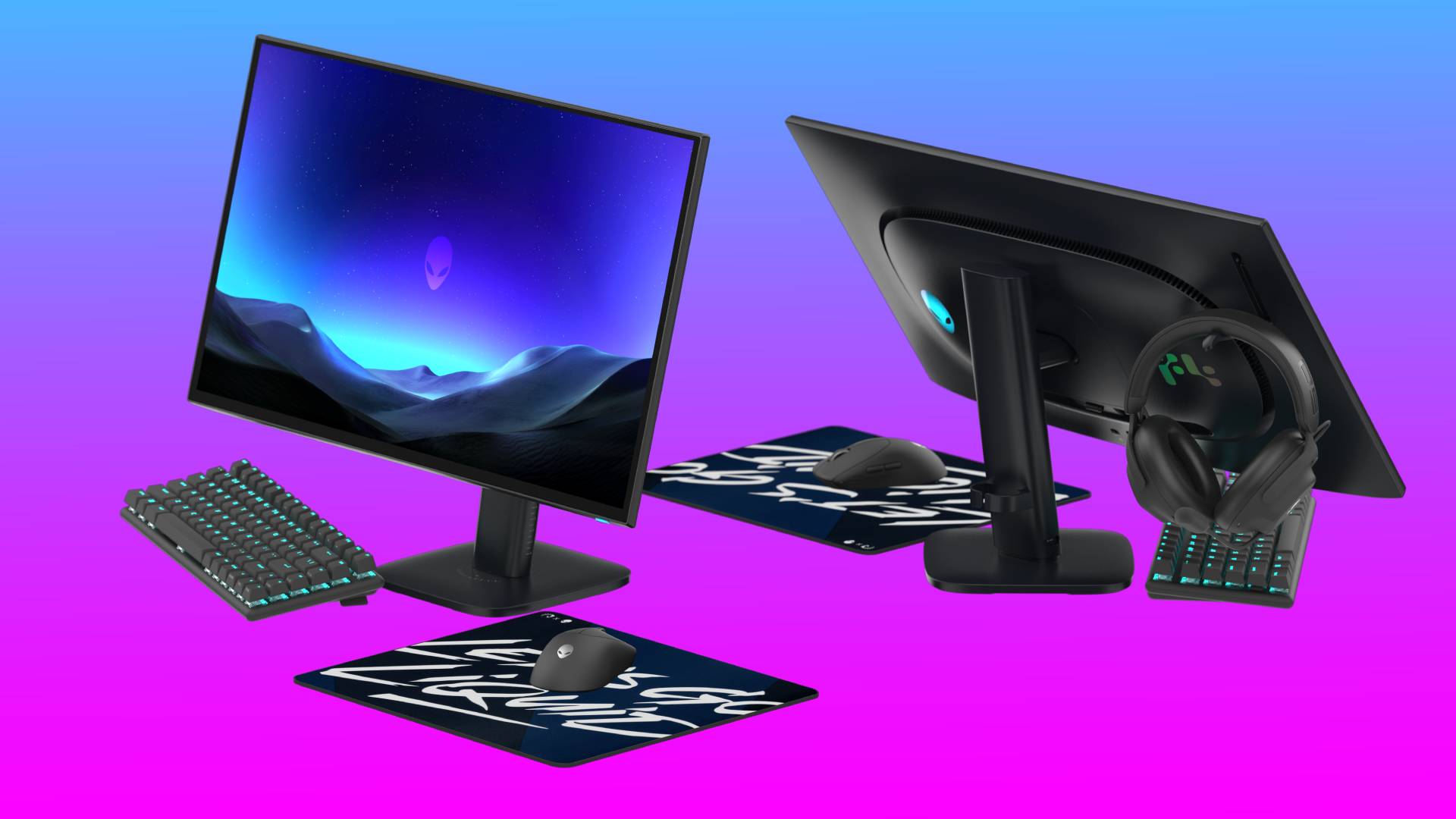
For consumers, the arrival of the AW3226Q this Fall at a $699 price point will apply immense downward pressure on rival hardware manufacturers, likely accelerating price normalization for 4K OLED technology across the board. Meanwhile, competitive purists will be watching the calendar closely for early 2027, eager to see how the 560 Hz AW2527HX performs in the wild and whether its Penta-tandem technology can successfully wrest tournament dominance away from competing ultra-high-refresh panels.
One thing is certain: as Alienware celebrates three decades at the forefront of PC hardware, its engineering teams have ensured that the brand’s next chapter will be illuminated by some of the brightest, fastest pixels the industry has ever seen.