Executive Overview
The video game industry is mourning the shuttering of one of its most storied and influential institutions. Following a shocking corporate announcement by Electronic Arts, legendary computer role-playing game (CRPG) developer BioWare has officially been closed down. For over three decades, BioWare stood as the gold standard for narrative-driven, choice-heavy role-playing games, effectively resurrecting a dying genre in the late 1990s and shepherding it into the modern era.
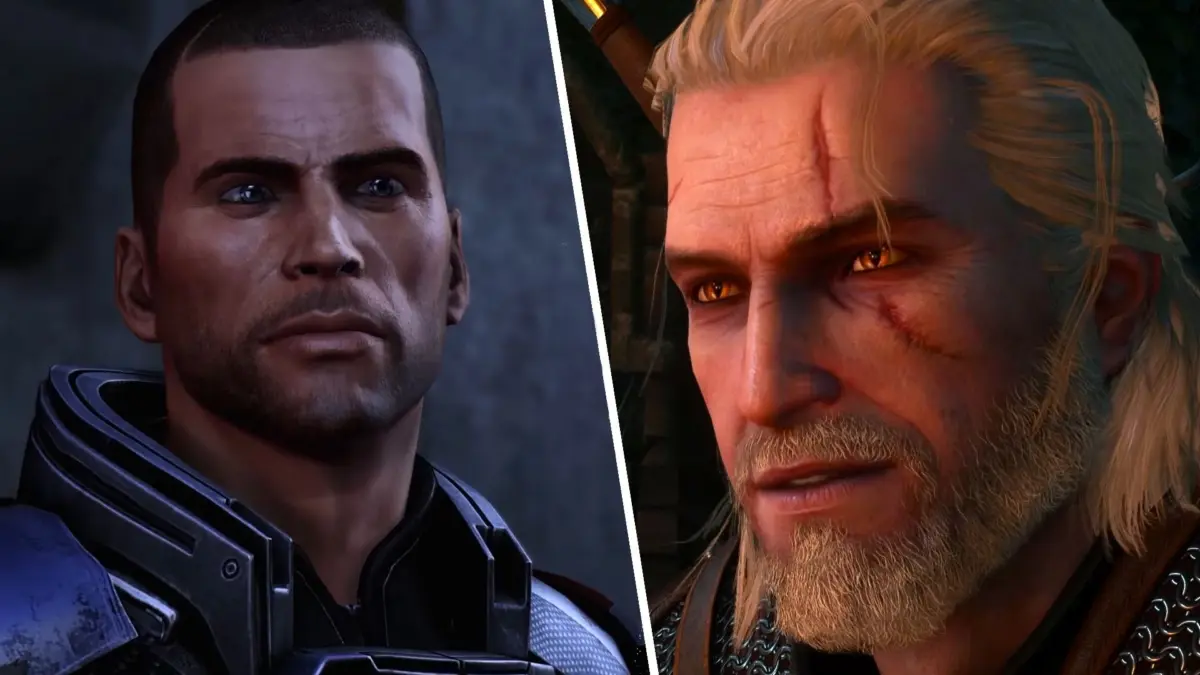
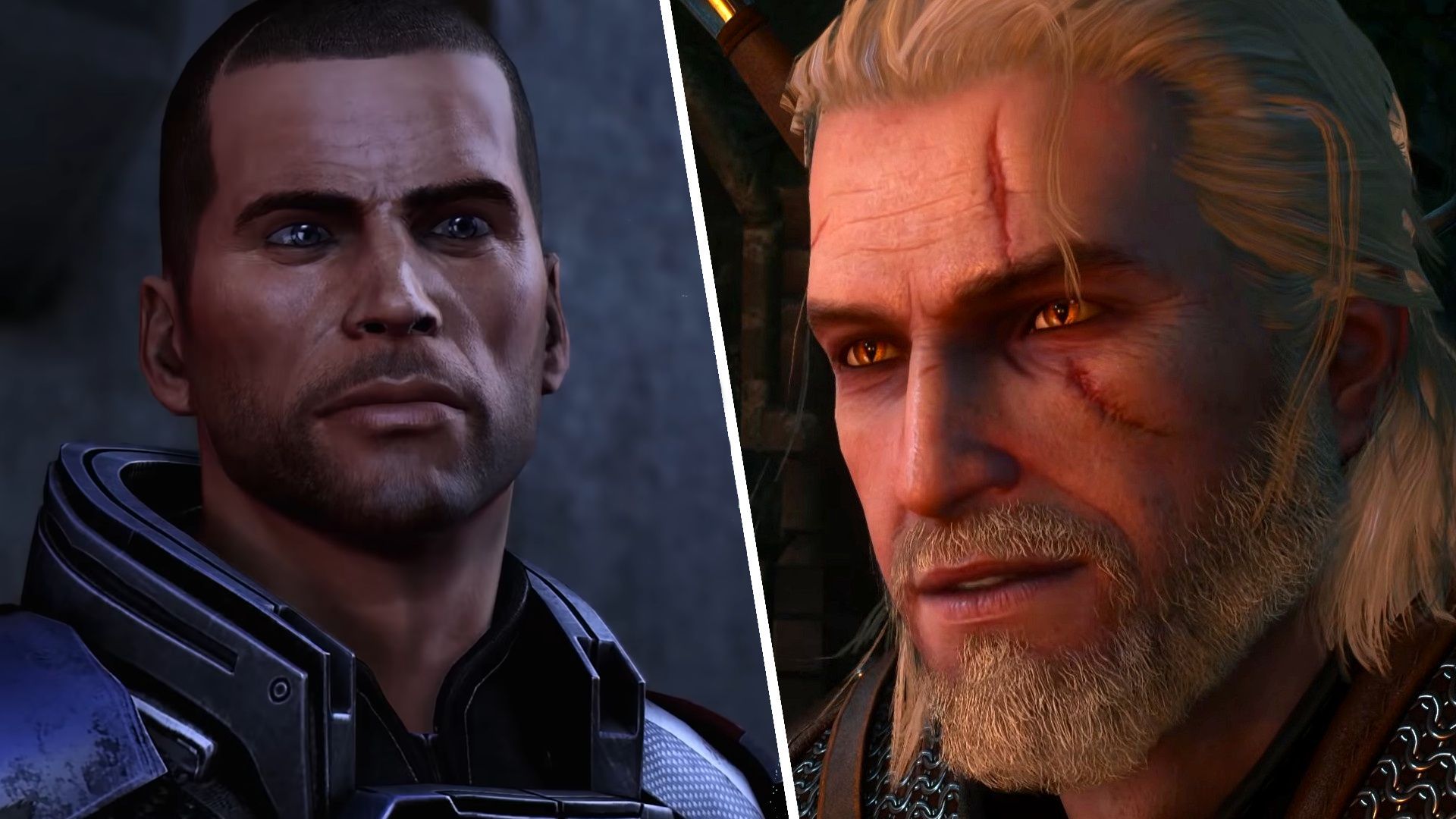
The news of the studio’s closure has sent shockwaves through the global gaming community, inspiring heavy tributes from fans, industry veterans, and competing studios alike. Among the most poignant and revealing tributes came from Michaël Nowakowski, joint CEO of CD Projekt, who detailed the foundational role BioWare played in the creation and eventual rise of The Witcher franchise.
Long before CD Projekt Red became a AAA powerhouse and household name responsible for The Witcher 3: Wild Hunt and Cyberpunk 2077, the Polish studio was an up-and-coming local distributor with a dream of building its own world-class RPGs. That dream, as it turns out, was realized in large part due to the generosity, mentorship, and foundational technology provided by BioWare. This retrospective examines the deep historical ties between these two titans of the RPG genre, chronicling how BioWare’s guidance directly birthed modern Polish game development, and assessing what the loss of this legendary studio means for the broader industry.
Detailed Chronology: The Intertwined Roots of BioWare and CD Projekt
To understand the magnitude of BioWare’s influence on the global gaming landscape—and on CD Projekt specifically—one must travel back to the late 1990s and early 2000s, an era when the PC role-playing game market was struggling to find its footing after the golden age of classic tabletop adaptations.
The Resurrection of the CRPG
Founded in 1995 by medical doctors Ray Muzyka, Greg Zeschuk, and Augustine Yip in Edmonton, Alberta, BioWare initially tried its hand at medical software before pivoting to video games. Their early projects, such as the mech combat game Shattered Steel, kept the lights on, but it was their partnership with publisher Interplay Entertainment that changed history.
In 1998, BioWare released Baldur’s Gate, utilizing their proprietary Infinity Engine. The game was a monumental critical and commercial success, single-handedly reviving the isometric CRPG market and establishing BioWare’s reputation for intricate storytelling, memorable companion characters, and branching dialogue systems.
Bridging Eastern Europe: The Localization Era
Half a world away, CD Projekt was founded in Warsaw in 1994 by Marcin Iwiński and Michał Kiciński. Initially operating as a small-scale software importer and localizer, the company made a massive gamble: bringing Western PC games packaged with high-quality localized text and voice acting to the burgeoning Polish market.
Seeking to capitalize on the massive critical acclaim of Baldur’s Gate, CD Projekt approached BioWare and Interplay to secure the rights to localize and distribute the game in Poland, the Czech Republic, and Slovakia.
"Bioware has been a massive part of CDPR history," Michaël Nowakowski wrote in a public statement following the news of BioWare’s closure. "We befriended them when localizing and selling Baldur’s Gate games in Poland, Czech, and Slovakia."
The localized Polish release of Baldur’s Gate was not merely a local success; it was a cultural phenomenon. It proved that Eastern European markets possessed an immense appetite for deep, complex Western RPGs, and it forged a lasting, respectful professional relationship between the developers in Edmonton and the entrepreneurs in Warsaw.
The Aurora Engine and the Birth of The Witcher
As the partnership deepened, CD Projekt attempted to expand their collaboration by securing the localization rights for Baldur’s Gate: Dark Alliance, a console-focused action-RPG spin-off. However, internal turmoil and financial troubles at Interplay ultimately caused that deal to collapse.
Left without the project, CD Projekt made a fateful pivot. Rather than remaining strictly a localization and publishing house, they decided to build their own original role-playing game based on Andrzej Sapkowski’s acclaimed fantasy book series, The Witcher.
Building a AAA-grade RPG from scratch with a nascent internal development team was a daunting, near-impossible task. Recognizing this, BioWare stepped in to offer unprecedented assistance to their Polish partners.
BioWare licensed out their advanced Aurora Engine—the 3D game engine they created for 2002’s Neverwinter Nights—to CD Projekt. This technological foundation served as the structural skeleton for the original The Witcher (2007). Beyond handing over the technical keys to their engine, BioWare actively shared their institutional wisdom, offering production guidance, narrative structuring advice, and technical mentorship.
The apex of this mentorship occurred at E3 2004. Recognizing the immense potential of the fledgling Polish studio, BioWare gave CD Projekt a physical corner within their own exhibition booth on the convention floor. Behind a set of curtains, CD Projekt showcased an early, rough demo of The Witcher running on the Aurora Engine to an international audience for the very first time.
Supporting Context & Metrics: BioWare’s Monumental Industry Footprint
To grasp why the gaming world is in mourning, one must look at the sheer breadth and depth of BioWare’s catalog. Throughout its decades of operation, BioWare did not merely develop games; it continually redefined the grammar of interactive storytelling.
| Era / Period | Key BioWare Releases | Engine / Tech | Industry Impact |
|---|---|---|---|
| Late 1990s | Baldur’s Gate, Baldur’s Gate II: Shadows of Amn | Infinity Engine | Resurrected the isometric CRPG genre; set the gold standard for party-based storytelling. |
| Early 2000s | Neverwinter Nights, Star Wars: Knights of the Old Republic | Aurora Engine / Odyssey Engine | Revolutionized 3D RPG design; proved licensed intellectual property (Star Wars) could yield high art in gaming. |
| Mid 2000s | Jade Empire, Mass Effect (Original) | Eclipse Engine / Unreal Engine | Pioneered cinematic dialogue wheels, action-oriented real-time combat, and sprawling sci-fi universes. |
| Late 2000s – 2010s | Dragon Age: Origins, Mass Effect 2, Mass Effect 3, Dragon Age: Inquisition | Eclipse / Frostbite Engine | Defined the modern prestige RPG; popularized persistent player choices carrying over across multi-game sequels. |
The Human Cost of Corporate Consolidation
The closure of BioWare under Electronic Arts—which acquired the studio in 2007 for approximately $775 million—highlights a recurring and painful trend within the modern video game industry: the systematic dismantling of legendary studios by massive corporate conglomerates.
In its prime, BioWare Edmonton and its sister studio BioWare Austin employed hundreds of developers, writers, programmers, and artists. Over the last decade, the studio had faced numerous high-profile departures of foundational veterans, shifting corporate mandates, and turbulent development cycles on projects like Anthem and Mass Effect: Andromeda.
When a studio with the historical weight of BioWare is closed, the loss extends far beyond financial metrics or missing quarterly earnings reports. It represents an irrevocable erasure of institutional knowledge—decades of accumulated design philosophy, artistic intuition, and storytelling mastery scattered to the wind as hundreds of talented developers join the industry’s ever-growing unemployment pool.
Official Statements and Industry Tributes
The gaming community and industry leaders flooded social media platforms to express their grief and pay homage to BioWare’s legacy. The sentiment was universally heavy, acknowledging both the direct contributions BioWare made to individual careers and its overarching impact on interactive entertainment.
Michaël Nowakowski’s statement on X (formerly Twitter) captured the emotional gravity of the moment, detailing the personal and professional ties that bound CD Projekt to the Canadian developer:
"Bioware has been a massive part of CDPR history. We befriended them when localizing and selling Baldur’s Gate games in Poland, Czech, and Slovakia. And later they were great help when lending us their engine for Witcher 1, sharing their wisdom and even giving us a spot at their booth at E3. I had a pleasure to visit them a few times in Edmonton and also host them in our Warsaw office. Very sad for the people affected, but also sad to see a legendary brand go down. Not a great day in the games industry."
Ryszard Chojnowski, a veteran translator and localizer who worked on both Baldur’s Gate II and the original The Witcher, echoed these sentiments while sharing historical photographs from E3 2004:
"A tu jeszcze jedno wspomnienie z BioWare. Rok 2004 i po raz pierwszy pokazujemy Wiedźmina na ich stoisku. Mamy oddzielone kotarą miejsce z komputerem, na którym działa jako tako demo na silniku Aurora…" (And here is another memory from BioWare. The year 2004, and for the first time we are showing The Witcher at their booth. We had a curtained-off space with a computer running a makeshift demo on the Aurora engine…)
These accounts paint a picture of an industry era defined not by cutthroat corporate hostility, but by cross-continental camaraderie, where an established giant was willing to take a chance on a small group of ambitious developers from Eastern Europe. Without that culture of mentorship, the modern landscape of high-end Western RPGs—including masterpieces like The Witcher 3 and Cyberpunk 2077—might look entirely different, or perhaps never have existed at all.
Future Outlook: The Legacy Left Behind
As the dust settles on Electronic Arts’ restructuring and the official closure of BioWare, the industry is forced to contemplate an uncertain future.
The Orphaned Franchises
BioWare leaves behind two of the most beloved intellectual properties in gaming history: Mass Effect and Dragon Age. While the rights to these franchises remain locked within Electronic Arts, the creative soul that breathed life into Commander Shepard, the Grey Wardens, and the sprawling galaxies they inhabited has been extinguished. Whether corporate entities will attempt to farm these IPs out to other internal or external studios remains to be seen, but fans and veterans alike remain deeply skeptical that any future entries can capture the distinct voice and emotional resonance of classic BioWare.
A Warning for the AAA Ecosystem
The demise of BioWare serves as a grim cautionary tale regarding the sustainability of modern AAA game development. As budgets balloon into the hundreds of millions of dollars, timelines stretch to six or seven years per project, and publishing conglomerates demand immediate, hyper-profitable returns on investment, the margin for creative risk-taking has evaporated. Studios that once operated as creative sanctuaries are increasingly treated as disposable assets, easily discarded when market conditions fluctuate.
The Eternal Echo
Despite the corporate tragedy of its closure, BioWare’s DNA will persist for generations. It lives on in the developers who cut their teeth under its roof and have since gone on to found independent studios. It lives on in every game that features branching narrative choices, deeply developed romantic subplots, and companion loyalty missions.
And, most tangibly, it lives on in the workshops of CD Projekt Red, where the foundational lessons learned from an Aurora Engine demo and a shared booth at E3 2004 transformed a local Polish distributor into a global titan.
BioWare may be gone, but the worlds they built, the stories they told, and the industry they permanently altered will echo through the halls of gaming history forever. It is, without a doubt, a dark day for the video game industry—reminding us all of the fragility of art and the institutions that create it.