The video game industry is an unforgiving high-stakes environment where multi-million-dollar gambles are made daily. No developer sets out to craft a critical or commercial failure. The soaring costs of modern AAA game development demand nothing less than a monumental effort, often at the direct expense of developer well-being and creative freedom. Even the industry’s most revered auteurs must eventually answer to publishers and investors for their bold creative decisions.
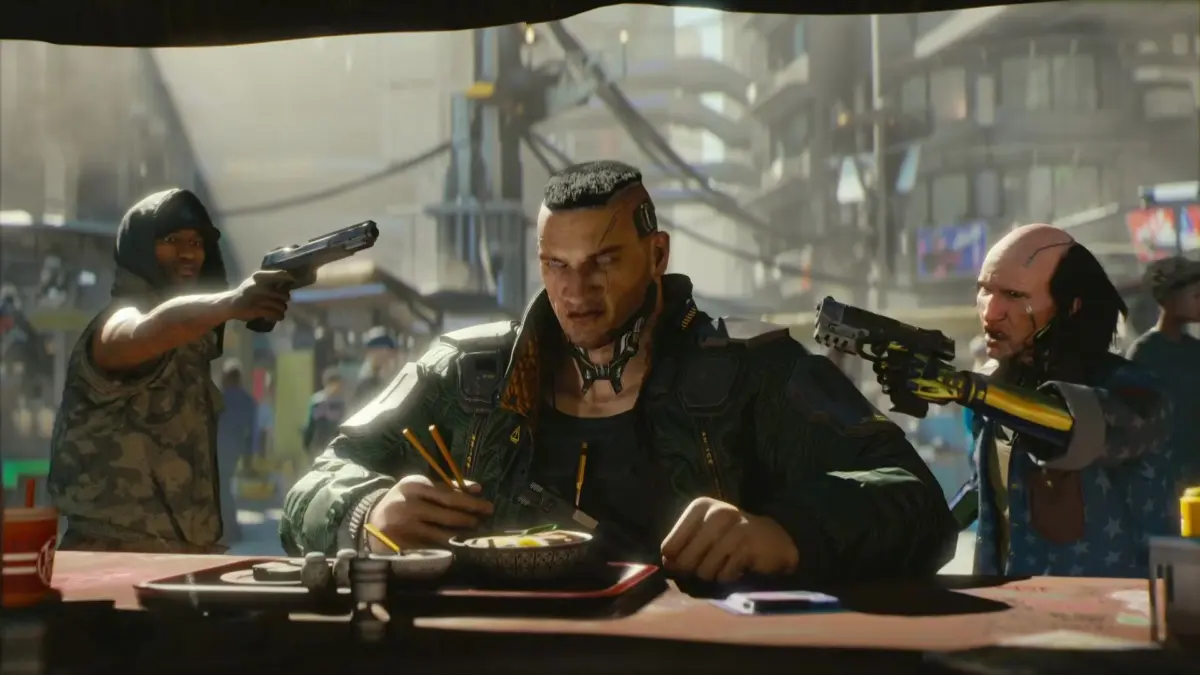
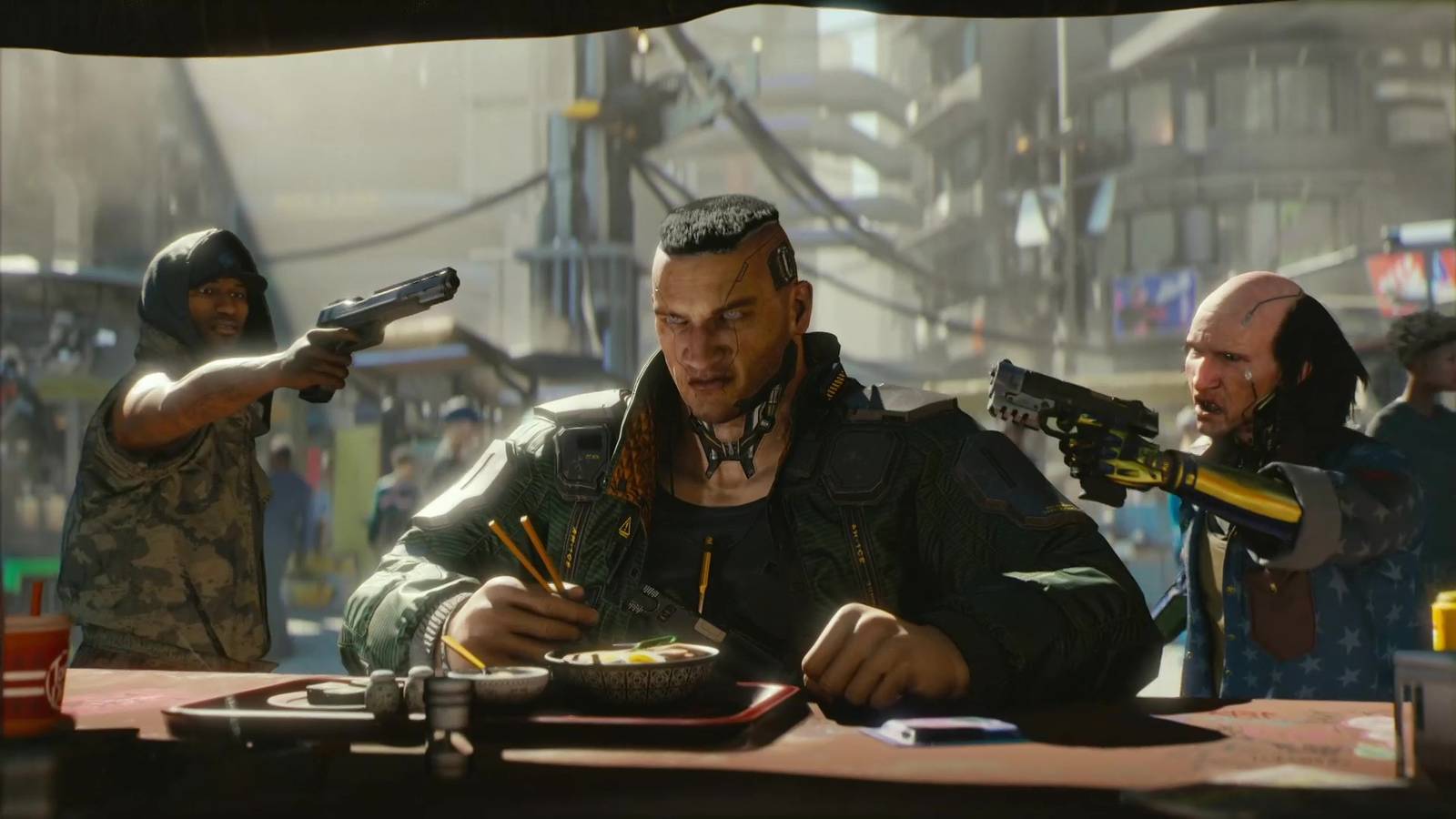
With so many corporate safeguards, Quality Assurance (QA) pipelines, and marketing safety nets in place, most titles manage to secure a reasonable baseline of success. Moreover, in the modern era of post-launch patches and live-service redemptions, even catastrophic early misfires like Cyberpunk 2077 or No Man’s Sky can ultimately claw their way back to critical appreciation and massive financial viability.
However, exceptions remain. These are the colossal failures—titles that completely missed their target audience, imploded under the weight of insurmountable development hell, or fundamentally misunderstood what makes a game playable. They inspired no sales, generated immense consumer backlash, and permanently altered the destinies of the studios that birthed them. Below is an in-depth retrospective of the most monumental gaming flops of all time, serving as a permanent testament to the perilous nature of interactive entertainment.
Detailed Chronology of Failure
1. E.T. the Extra-Terrestrial (Atari 2600, 1982)
The grand-daddy of all video game catastrophes, E.T. the Extra-Terrestrial for the Atari 2600 is the legendary flop that nearly dragged the entire nascent console ecosystem down with it. After shelling out an astronomical sum for the intellectual property rights, Atari gave a solitary programmer, Howard Scott Warshaw, a punitive five-week deadline to build a tie-in game for the holiday season.
Warshaw performed miracles under the circumstances, but the resulting product featured confusing puzzle mechanics, labyrinthine pit-traps, and impenetrable objectives. Children who wanted a fun, accessible arcade experience were instead handed a frustrating exercise in falling into holes. Atari manufactured millions more cartridges than there were active consoles in the wild. When millions of unsold copies piled up in warehouses, Atari notoriously hauled them away under the cover of night to be crushed and buried in a New Mexico landfill. This miscalculation, combined with market saturation and a lack of quality control, triggered the infamous North American video game crash of 1983.
2. Too Human (Xbox 360, 2008)
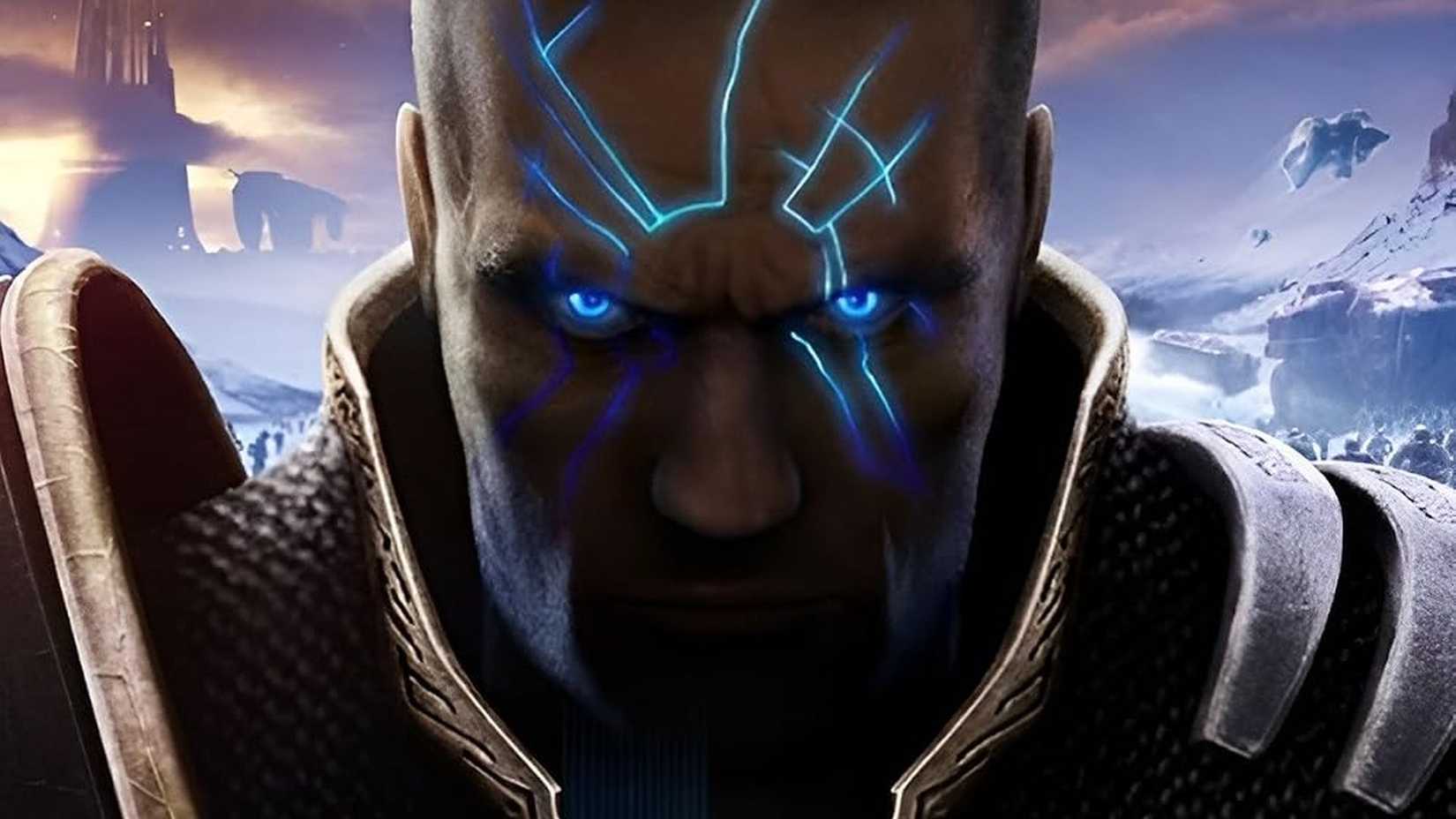
Conceived as the opening salvo in a grand sci-fi-meets-Norse-mythology trilogy, Silicon Knights’ Too Human was supposed to be a crown jewel for Microsoft’s Xbox 360. Funded heavily by Microsoft after a tortured, decade-long development cycle that jumped across multiple console generations, the game launched to a lukewarm reception characterized by repetitive combat and awkward camera systems.
However, the game’s commercial failure was compounded by a catastrophic legal war. Silicon Knights sued Epic Games, claiming Unreal Engine 3 was delivered in an unfinished state. Epic counter-sued, revealing during discovery that Silicon Knights had systematically copied thousands of lines of Epic’s proprietary code into their own proprietary engine. A federal judge ordered Silicon Knights to pay millions in damages and—most damagingly—destroyed all unsold physical copies of Too Human and X-Men: Destiny, effectively sealing the studio’s bankruptcy.
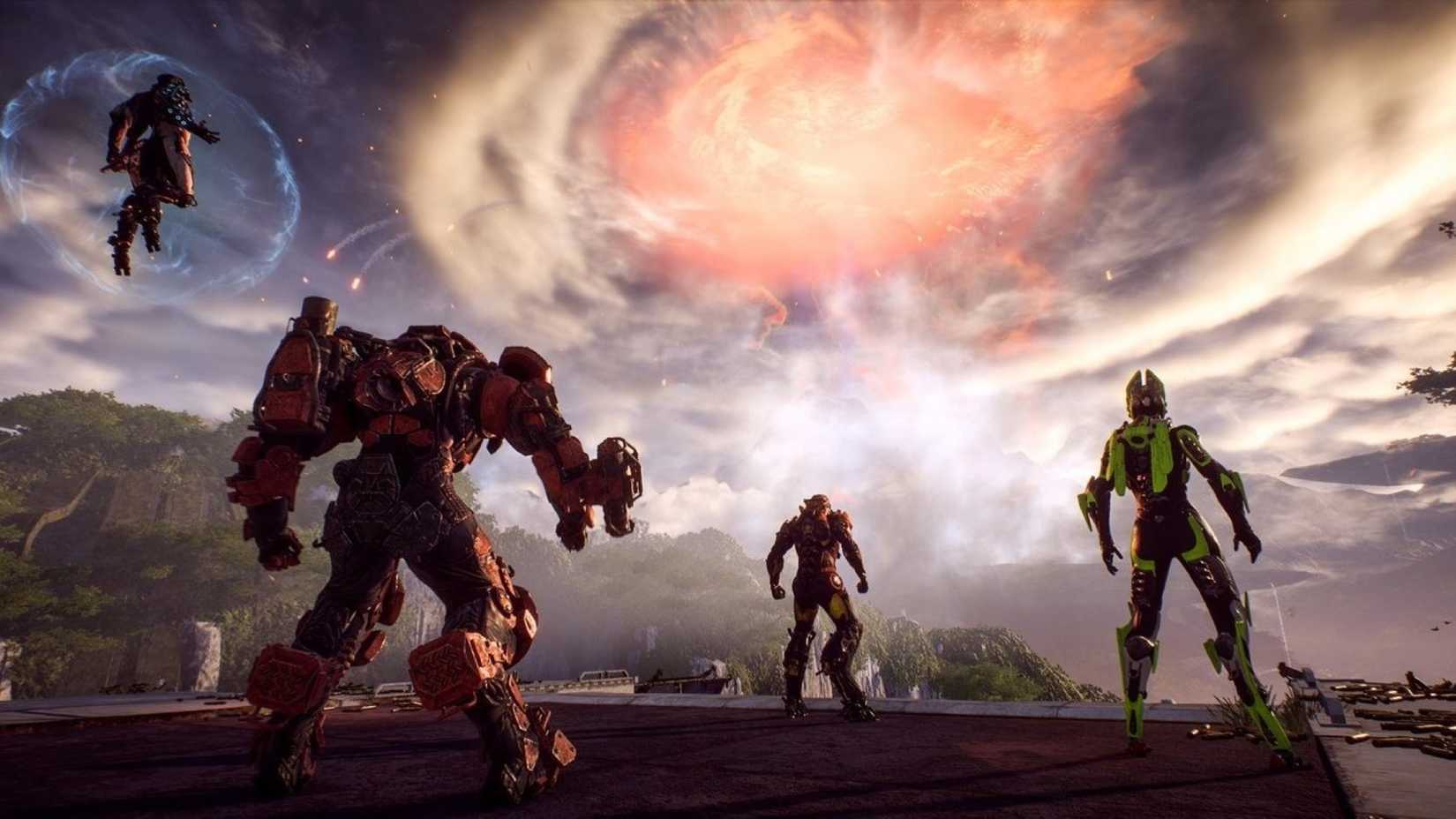
3. Anthem (PC, PS4, Xbox One, 2019)
BioWare was once considered infallible, the undisputed king of immersive, character-driven storytelling behind Mass Effect and Dragon Age. Cracks began to show with Mass Effect: Andromeda, but management assured fans that the studio’s heavy hitters were hard at work on a revolutionary new IP: Anthem.
Unveiled at E3 2018 with jaw-dropping graphics, Anthem promised breathtaking flight mechanics and dynamic cooperative combat. Upon its 2019 launch as a live-service loot shooter, however, it bore little resemblance to the promised vertical slice. Beset by years of directionless management, engine disputes with Electronic Arts’ Frostbite framework, and hollow endgame content, the game flatlined. A promised "Anthem 2.0" overhaul was eventually canceled by EA, and the game’s servers were unceremoniously shut down, marking the tragic twilight of BioWare’s golden era.
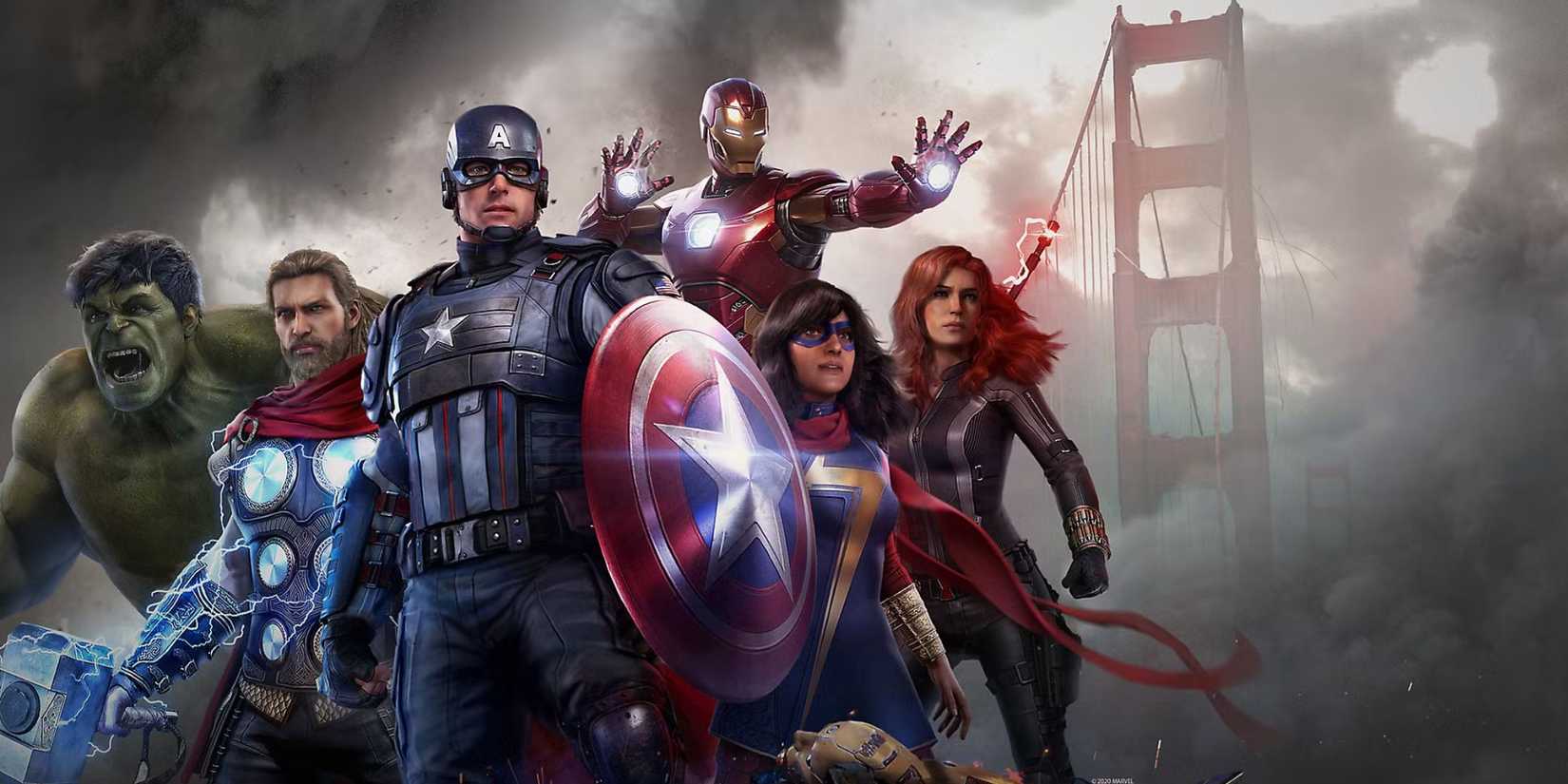
4. Marvel’s Avengers (PC, PS4, Xbox One, Stadia, 2020)
Crystal Dynamics is celebrated for its stellar work on the Tomb Raider reboot trilogy, but their pivot into the live-service superhero ecosystem with Marvel’s Avengers was a miscalculation of staggering proportions. Despite a competent single-player campaign, the core game was shackled to a predatory monetization model.
Players were expected to grind repetitive corridor-brawls while navigating microtransactions for cosmetic skins and battle passes—all on top of a full-price retail tag. Development was severely disrupted by the COVID-19 pandemic, resulting in a buggy, content-starved endgame. The game bled millions for Square Enix, ultimately serving as a primary catalyst for the publisher’s decision to sell Crystal Dynamics to the Embracer Group and resulting in the digital delisting of the game entirely.
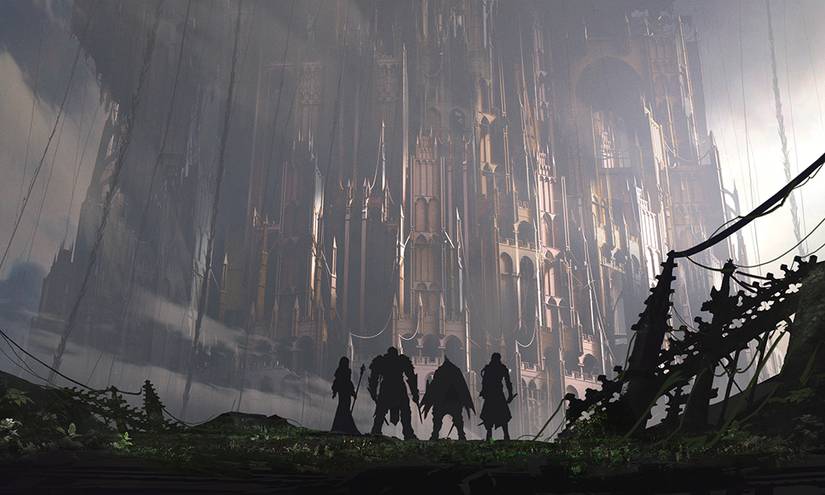
5. Babylon’s Fall (PC, PS5, 2022)
PlatinumGames built an enviable reputation for high-octane action masterpieces like Bayonetta and NieR: Automata. Yet, their collaboration with Square Enix on the live-service action-RPG Babylon’s Fall was an unmitigated disaster from day one.
Featuring muddy, washed-out oil-painting aesthetics that masked uninspired level design, the game leaned heavily into microtransactions that alienated its target audience immediately. Combat felt sluggish—a cardinal sin for PlatinumGames. The player base evaporated almost instantly. In a surreal display of market failure, GameStop stores began giving physical copies away for free. Square Enix mercifully pulled the plug, shutting down the servers just months ahead of its first anniversary, rendering physical copies into expensive plastic coasters.
6. The Callisto Protocol (PC, PS4, PS5, Xbox One, Xbox Series X/S, 2022)
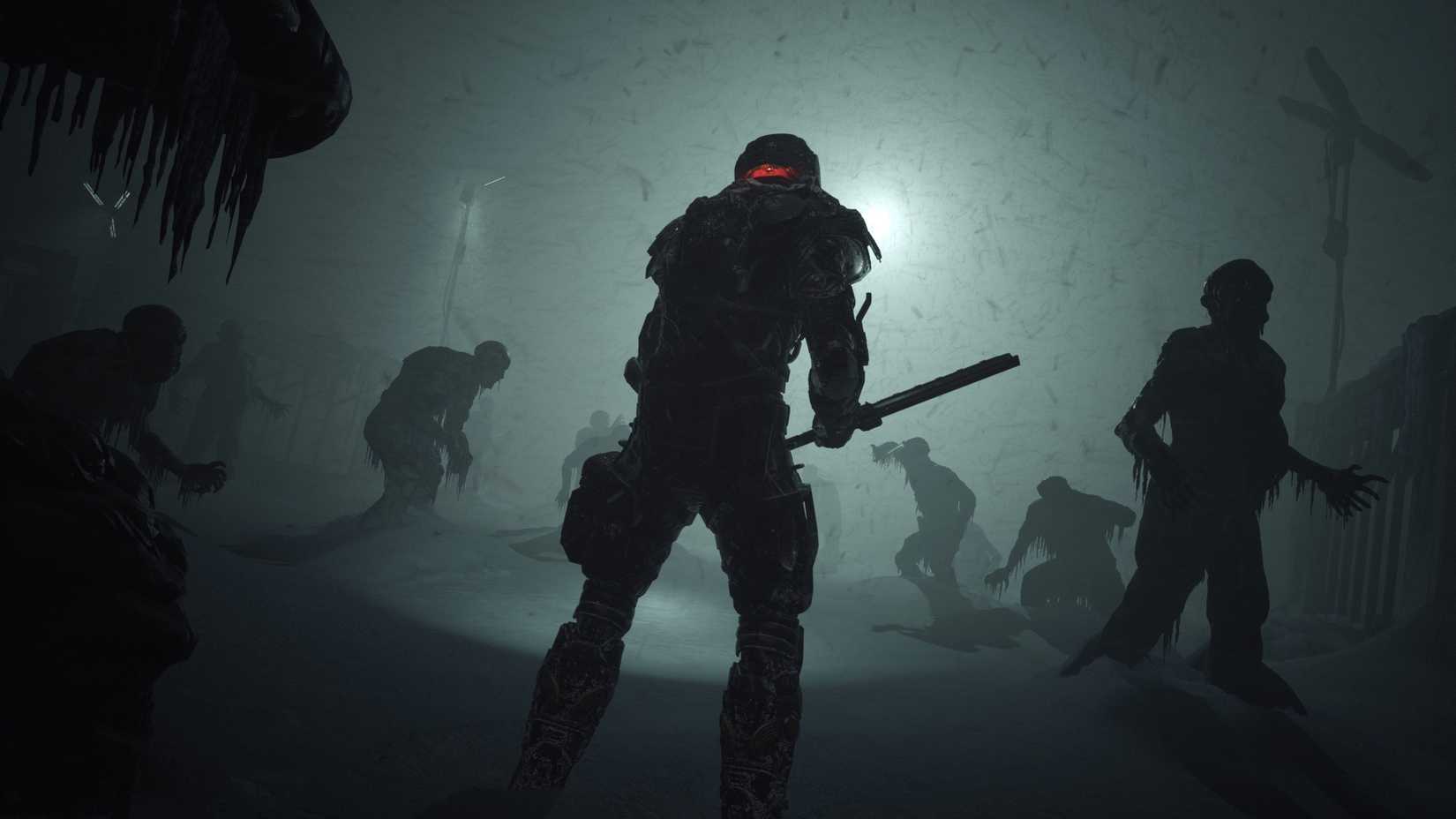
Helmed by Dead Space co-creator Glen Schofield at Striking Distance Studios, The Callisto Protocol was positioned as the spiritual successor to survival-horror royalty. Publisher Krafton invested massive sums into the project, expecting a blockbuster franchise launcher.
While the game was visually stunning, its gameplay loop relied heavily on linear, dodge-and-strike melee mechanics that quickly grew repetitive, failing to match the atmospheric tension of its spiritual predecessor. Plagued by performance issues at launch and underwhelming sales, Schofield stepped down from the studio shortly thereafter. Though the studio managed to pivot its created universe into other successful spinoffs like Redacted, the initial launch stood as a bittersweet and expensive swan song.
7. Forspoken (PC, PS5, 2023)
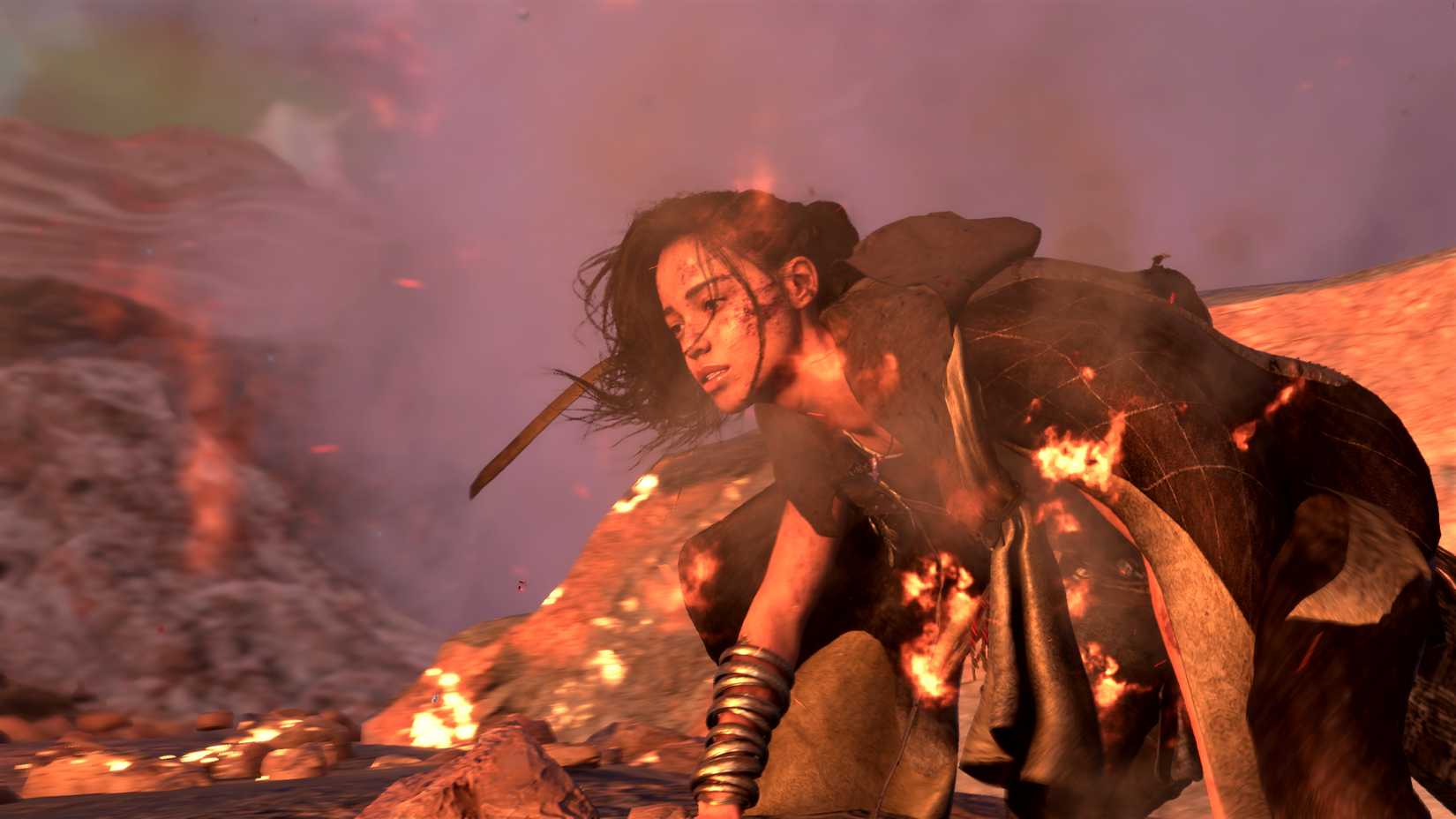
Square Enix’s Luminous Productions was tasked with a dual mission: build a system-selling next-gen fantasy epic and prove the commercial viability of the proprietary Luminous Engine. What emerged was Forspoken, an open-world action-RPG following Frey Holland, a modern New Yorker transported to a magical realm.
While the game’s magical parkour and traversal mechanics were undeniably fluid, they were buried under a mountain of critical issues. A controversial script spawned internet memes prior to launch, setting a negative tone. Combined with technical optimization issues and washed-out visuals, the game failed to capture an audience. Faced with mounting losses, Square Enix absorbed Luminous Productions back into the corporate fold, permanently shelving the Luminous Engine in favor of industry standards like Unreal Engine.
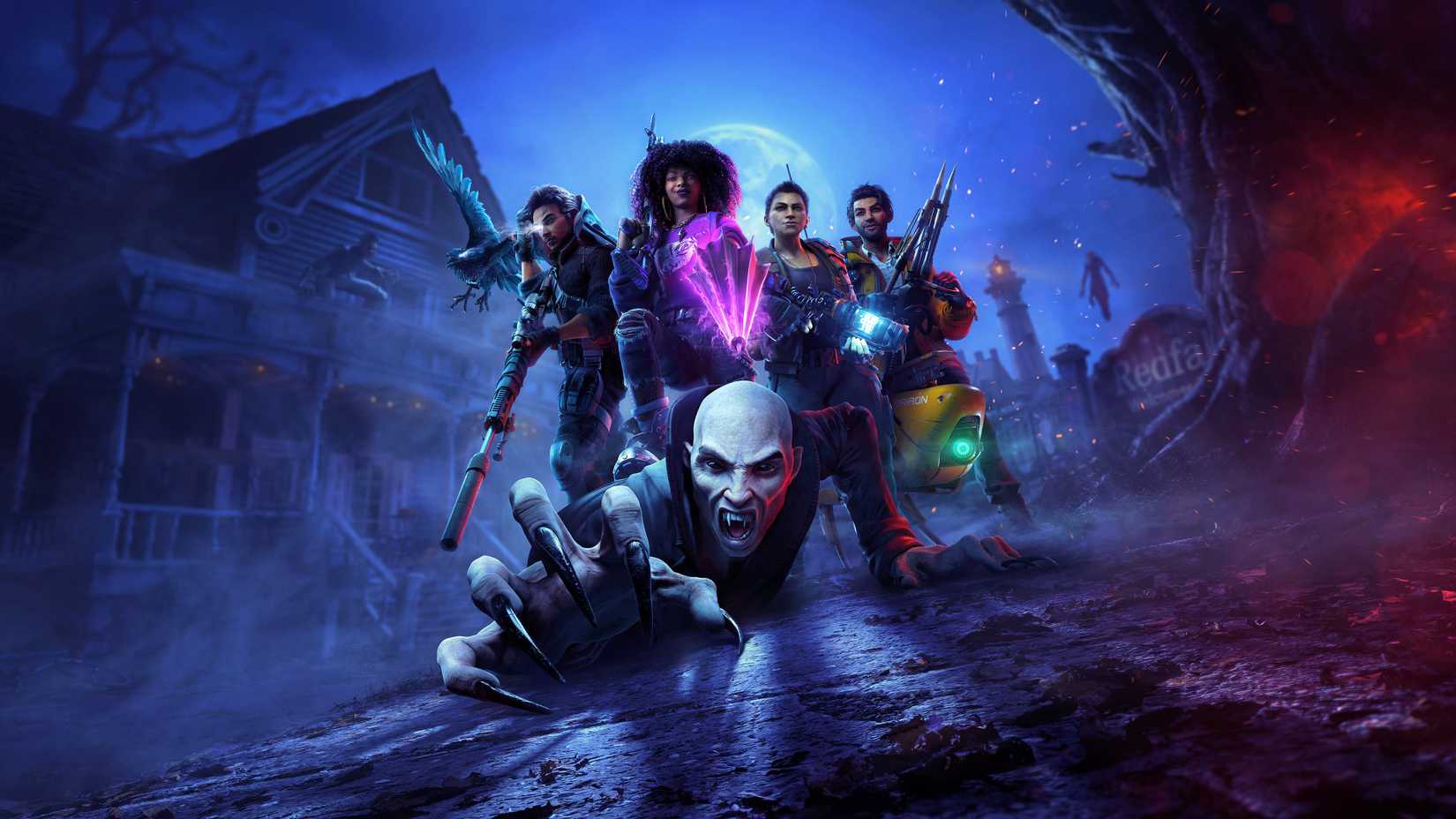
8. Redfall (PC, Xbox Series X/S, 2023)
Arkane Austin was revered for crafting immersive, critically acclaimed masterpieces like Prey and Dishonored. When Microsoft acquired Bethesda, anticipation was high for Redfall, an open-world, co-op vampire-hunting shooter.
However, red flags accumulated rapidly during the marketing cycle: the game was locked at a sluggish 30 frames per second on the Xbox Series X at launch, and it required a persistent online internet connection even for solo play. When it finally debuted, players encountered broken AI, unresponsive gunplay, and game-breaking bugs. The backlash was severe enough to force public apologies from leadership. Ultimately, Microsoft pulled the trigger on a devastating corporate restructuring in 2024, permanently shuttering Arkane Austin.
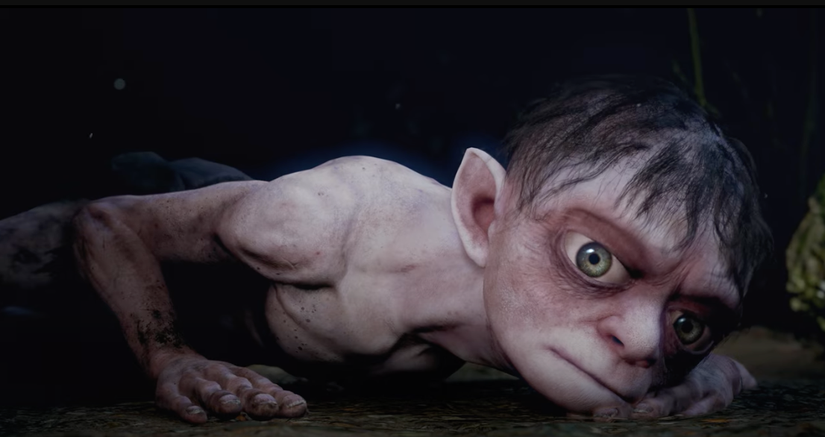
9. The Lord of the Rings: Gollum (PC, PS4, PS5, Xbox One, Xbox Series X/S, 2023)
As a massive swing for the fences by German developer and publisher Daedalic Entertainment, The Lord of the Rings: Gollum aimed to tell an untold chapter of Tolkien’s universe from the perspective of its most wretched creature.
Instead, it became a punchline. The game was universally mocked for its antiquated level design, a complete lack of narrative personality, and a staggering array of game-breaking bugs. Sales cratered immediately, aligning with universally scathing reviews. The financial and reputational fallout was so severe that Daedalic Entertainment permanently abandoned internal game development, shuttering its development division to pivot entirely to third-party publishing.
10. Immortals of Aveum (PC, PS5, Xbox Series X/S, 2023)
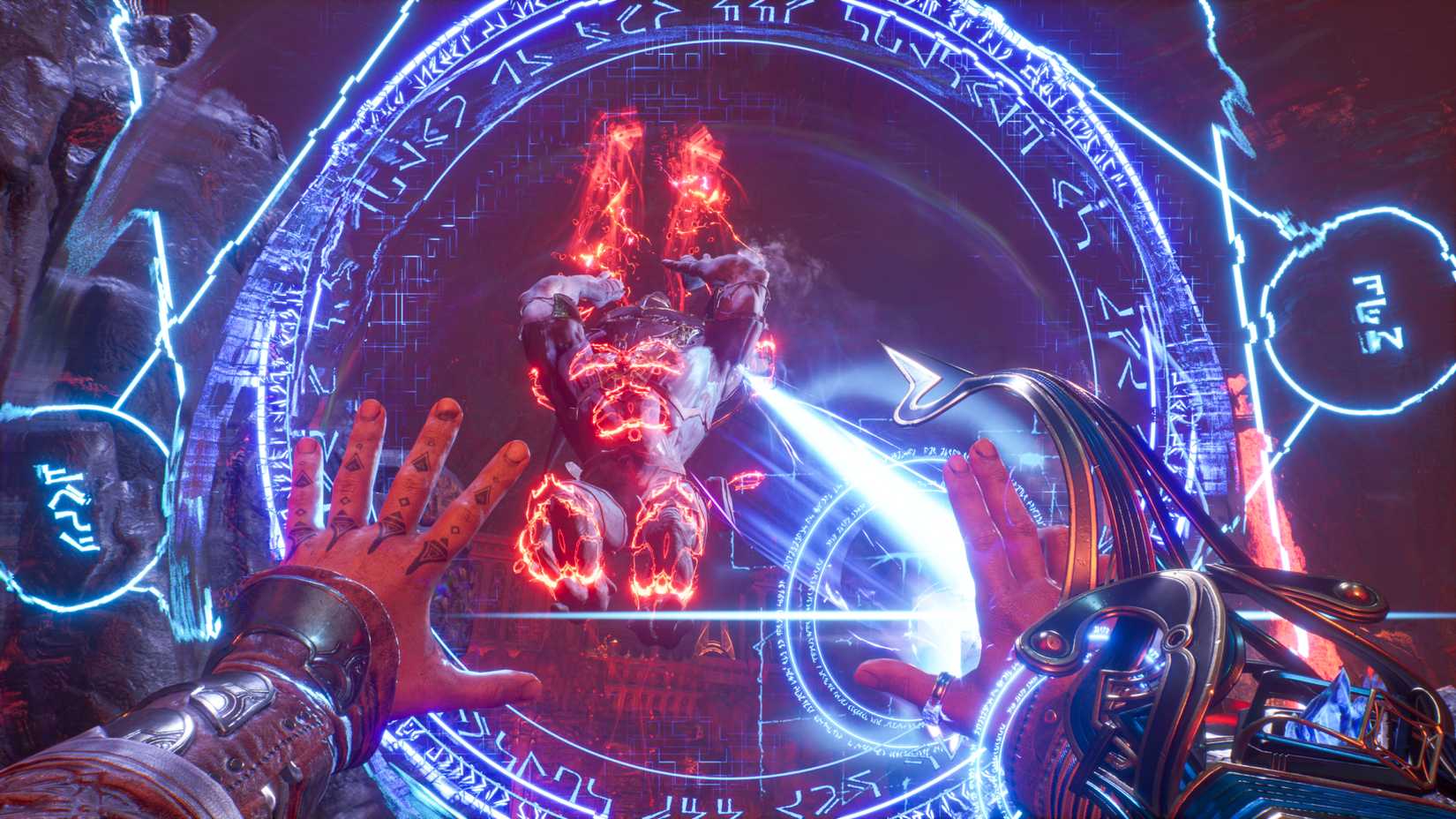
Ascendant Studios’ Immortals of Aveum promised a fresh twist on the first-person shooter genre: replacing traditional firearms with colorful, flashy magic. Backed by Electronic Arts under the EA Originals label, the development budget ballooned past the $100 million mark.
Despite earning decent pre-launch previews, the game launched directly into the jaws of a hyper-competitive 2023 window dominated by cultural titans like Baldur’s Gate 3 and Starfield. Players struggled to separate it from the military-shooter tropes it ostensibly tried to subvert. Failing to recoup its massive budget, Ascendant Studios was forced to lay off nearly half its workforce mere weeks after launch, demonstrating how financial timing can torpedo even competent games.
Supporting Context & Metrics
To understand why these failures occurred, one must examine the macro-economic metrics of modern software production. According to industry analyst estimates:
The Budget Inflation: Average AAA development costs have risen from $20 million in the Xbox 360 era to upwards of $200–$300 million in the current generation.
The Break-Even Threshold: A modern AAA title often requires sales of 5 million to 10 million copies just to break even, leaving virtually no margin for error or mediocre word-of-mouth.
Engine Transitions: As seen with Forspoken (Luminous Engine), Anthem (Frostbite), and Too Human (Unreal Engine legal disputes), building or forcing teams to utilize ill-suited proprietary technologies accounts for upwards of 40% of pre-launch development delays.
Official Statements
Corporate accountability—or the lack thereof—often punctuates these failures.
Following the disastrous rollout of Redfall and the subsequent studio closure, Xbox Game Studios Head Matt Booty addressed internal morale and consumer trust:
"We evaluate every studio based on what our players are asking for and what makes sense for our platforms. We take full responsibility for ensuring our games meet a high threshold of quality, and clearly, we missed the mark with Arkane Austin’s launch trajectory. Our focus must shift to supporting teams with the right production infrastructure from day one."
Similarly, following the catastrophic commercial underperformance of Marvel’s Avengers, Square Enix issued a frank financial post-mortem regarding Crystal Dynamics:
"The game produced exciting innovations in its core mechanics, but ultimately failed to generate sufficient recurring revenue to offset its protracted, pandemic-impacted development cycle. We have restructured our studio holdings to prioritize core competencies and proven intellectual property foundations."
Future Outlook
The graveyard of video game flops offers a stark, enduring lesson for the interactive entertainment sector: hype is not a substitute for execution, and live-service models are not a guaranteed license to print money.
As development costs continue to climb into astronomical figures, publishers are becoming increasingly risk-averse. The era of blind faith in "too big to fail" studios is officially over. Moving forward, the industry is seeing a structural contraction—fewer mega-budget gambles, a renewed focus on mid-budget (AA) innovation, and a greater reliance on battle-tested engines like Unreal Engine 5 rather than risky, proprietary tech builds.
Ultimately, while the financial scars left by E.T., Anthem, and Redfall will take years to heal, they serve as vital guardrails for an industry constantly trying to balance high-art aspirations with cold economic reality.