Executive Overview
In a sweeping move designed to streamline device protection for multi-device households, Apple has officially introduced a brand-new, comprehensive tier to its insurance ecosystem: the AppleCare One Family plan. Unveiled during a high-profile hardware launch event that also debuted the radical iPhone Duo and the flagship iPhone 18 Pro, this new offering targets the modern household’s ever-growing fleet of consumer electronics.
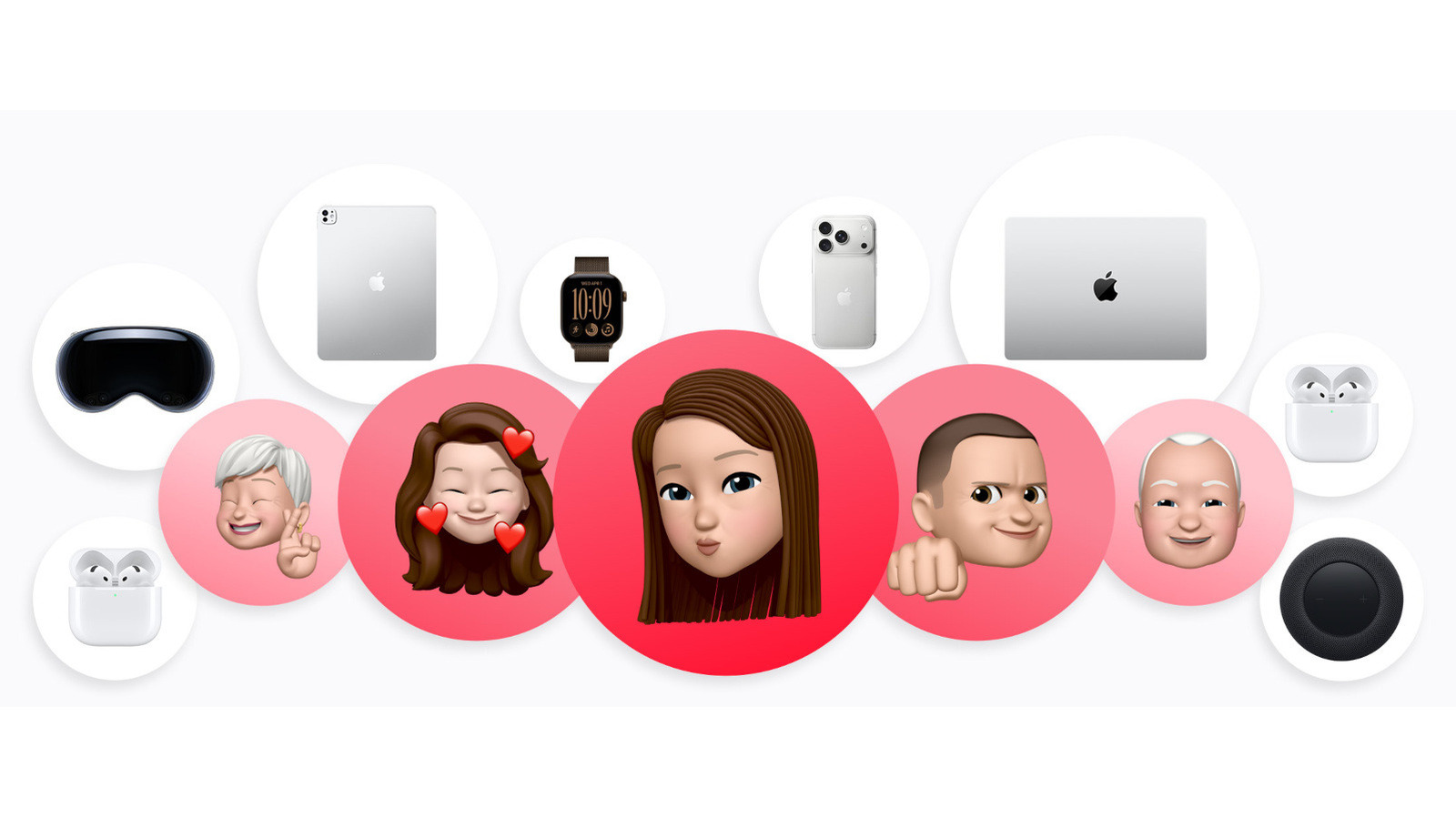
Priced at $50 per month, the AppleCare One Family tier covers all eligible devices belonging to up to six family members under a single, unified subscription. This represents a monumental shift from Apple’s historical model of single-device insurance or limited multi-device plans tied exclusively to one individual’s Apple ID. By leveraging Apple’s existing Family Sharing infrastructure, the tech giant aims to eradicate the administrative headache of managing disparate, piecemeal warranties across multiple iPhones, iPads, Apple Watches, MacBooks, and AirPods.
This deep dive explores the mechanics of the new family-centric insurance tier, analyzes how it compares to legacy AppleCare offerings, outlines the claims and coverage parameters, provides a step-by-step onboarding guide, and evaluates the broader strategic implications for Apple’s booming services sector.
Detailed Chronology & Service Evolution
To understand the magnitude of the AppleCare One Family plan, it is vital to trace how Apple has systematically evolved its device protection frameworks over the past decade.
From Granular Protection to Unified Portfolios
For years, AppleCare+ functioned on a strictly per-device basis. Consumers purchasing an iPhone, Mac, or iPad had to evaluate whether the peace of mind justified an upfront or recurring fee for each individual piece of hardware. While robust—offering unlimited accidental damage protection and express replacement services—the cost compounded rapidly for power users and tech-heavy households. A family of four juggling four iPhones, two MacBooks, and three iPads faced a labyrinth of recurring warranty charges, varying expiration dates, and complex renewal timelines.
The Introduction of AppleCare One for Individuals
Recognizing consumer fatigue, Apple previously experimented with consolidated coverage by launching AppleCare One for individuals. This tier allowed a single user to cover up to three devices registered under their personal Apple ID. While successful among tech enthusiasts who owned an iPhone, Apple Watch, and iPad simultaneously, it failed to solve the logistical pain point for multi-person households, where family members maintained separate Apple IDs. Parents, spouses, and children remained siloed, requiring separate insurance policies for every individual user.
The 2026 Hardware Showcase and the Family Tier Breakthrough
The launch of the iPhone Duo and iPhone 18 series served as the ideal backdrop for Apple to bridge this final gap. During the keynote presentation, executives highlighted that hardware longevity and ecosystem integration must be matched by equally seamless support frameworks. The introduction of the $50-per-month AppleCare One Family plan marks the culmination of this strategy, extending comprehensive, multi-user protection across an entire household footprint.
Comprehensive Breakdown of Coverage and Mechanics
The AppleCare One Family plan is structured to balance maximum convenience with clear boundaries. Below is a detailed analysis of what is included, who qualifies, and how claims are processed.
Eligibility Criteria and Device Inclusion
Under the official policy guidelines, the $50 monthly subscription covers all plan members’ eligible devices. To qualify as "eligible," the hardware generally must meet two core criteria:
- Age Threshold: The device must typically be less than four years old from its original purchase date. This ensures that legacy devices still in active use can be onboarded, provided they are not excessively outdated.
- Ecosystem Integration: Any newly purchased product that utilizes a plan member’s Apple ID will be automatically included in the coverage pool the moment it is activated and linked to the account.
This automated inclusion removes the friction of manually registering serial numbers or filing separate proof-of-purchase documents for new hardware acquisitions.
Comparative Analysis: Legacy vs. New Tiers
| Feature | Standard AppleCare+ | AppleCare One (Individual) | AppleCare One (Family) |
|---|---|---|---|
| Monthly Cost | Varies by device model | Tiered pricing | $50 / month |
| Covered Users | 1 user | 1 user | Up to 6 family members |
| Device Limit | 1 device | Up to 3 devices | All eligible devices for all members |
| Theft & Loss Claims | 2 claims per year | Up to 3 claims per year | Up to 6 claims total per year (shared) |
| Prerequisites | None | Single Apple ID | Family Sharing group configured |
Understanding the Claims Pool
While the coverage footprint is expansive, Apple has instituted specific guardrails regarding high-risk incidents, specifically theft and loss.
The entire Family plan is restricted to a combined pool of six theft and loss claims per year. In a household maximizing the six-member limit, this effectively translates to an average allocation of one theft or loss claim per person annually. By comparison, traditional individual AppleCare+ provides two claims per device, and the individual AppleCare One tier allows up to three.
However, for standard repairs—such as accidental damage, cracked screens, back glass damage, and hardware failures—the core protections of AppleCare+ remain intact. Crucially, the family tier includes battery replacement at no additional cost when a battery retains less than 80% of its original capacity, a massive cost-saving measure for households running aging iPhones or iPads.
Supporting Context & Financial Metrics
Apple’s expansion into bundled family insurance is not merely a customer-service initiative; it is a calculated masterstroke within the company’s broader financial ecosystem.
The Services Revenue Engine
In recent years, Apple’s Services division—encompassing iCloud, Apple Music, Apple TV+, Apple Pay, and AppleCare—has emerged as its primary growth driver, boasting gross margins significantly higher than hardware sales. By locking households into a recurring $50 monthly subscription ($600 annually), Apple secures high-visibility, predictable recurring revenue.
Psychological and Behavioral Economics
From a consumer psychology perspective, a flat $50 monthly fee feels vastly more manageable and predictable than unpredictable out-of-pocket repair costs or tracking half a dozen distinct annual warranty renewals. Industry analysts note that subscription bundling dramatically reduces churn. Once a household integrates all its iPhones, iPads, Macs, and wearables into a single AppleCare One Family umbrella, the friction of leaving the Apple ecosystem—or even dropping individual devices from insurance coverage—increases exponentially.
Step-by-Step Onboarding Guide
Setting up the AppleCare One Family plan requires navigating Apple’s Family Sharing infrastructure. Below is the precise procedural roadmap to initiate coverage for your household.
Phase 1: Establishing the Family Sharing Group
Before you can subscribe to the family insurance tier, you must ensure your household is formally organized via Apple’s Family Sharing feature:
- Open the Settings app on your primary Apple device (iPhone, iPad, or Mac).
- Tap on your Apple ID profile name at the top of the screen.
- Select Family Sharing.
- Tap the icon in the top-right corner of the screen to begin inviting members.
- Send invitations to up to five family members via their Apple IDs. Ensure all members accept the invitations and join the group.
Phase 2: Activating the Subscription
Once your Family Sharing circle is active, you can purchase the insurance tier:
- Return to the main Settings menu on your device.
- Navigate to General > AppleCare & Warranty.
- Locate the AppleCare One Family tier ($50/month).
- Review the terms, confirm payment authorization via your linked Apple account payment method, and complete the subscription setup.
Upon successful subscription, all eligible devices currently registered to the six participating Apple IDs will be automatically scanned, cataloged, and protected under the unified policy.
Future Outlook and Industry Implications
The introduction of the AppleCare One Family plan sets a new benchmark for consumer electronics after-sales support. As hardware prices continue to rise—with flagship devices like the iPhone 18 Pro pushing premium pricing thresholds—comprehensive protection is no longer a luxury; it is a financial necessity for risk-averse consumers.
Will Competitors Follow Suit?
The move is expected to put pressure on competing ecosystem players, such as Google and Samsung, to reevaluate their own insurance offerings. While carriers and third-party insurers like Asurion offer multi-device plans, they rarely integrate natively into the device operating system with the frictionless automation demonstrated by Apple’s ecosystem hooks.
Potential Future Iterations
Industry watchers are already speculating on how Apple might further refine this tier in future software updates. Potential roadmap additions could include customizable tier scaling (e.g., options for smaller families of two or three at a reduced rate) or integration with smart home hardware like HomePod and Apple TV, which currently sit in a gray area regarding consumer insurance.
For now, the $50 AppleCare One Family plan represents an undeniable win for multi-user Apple households—delivering absolute peace of mind, streamlined administrative control, and significant long-term value for families deeply embedded in the digital ecosystem.