Executive Overview
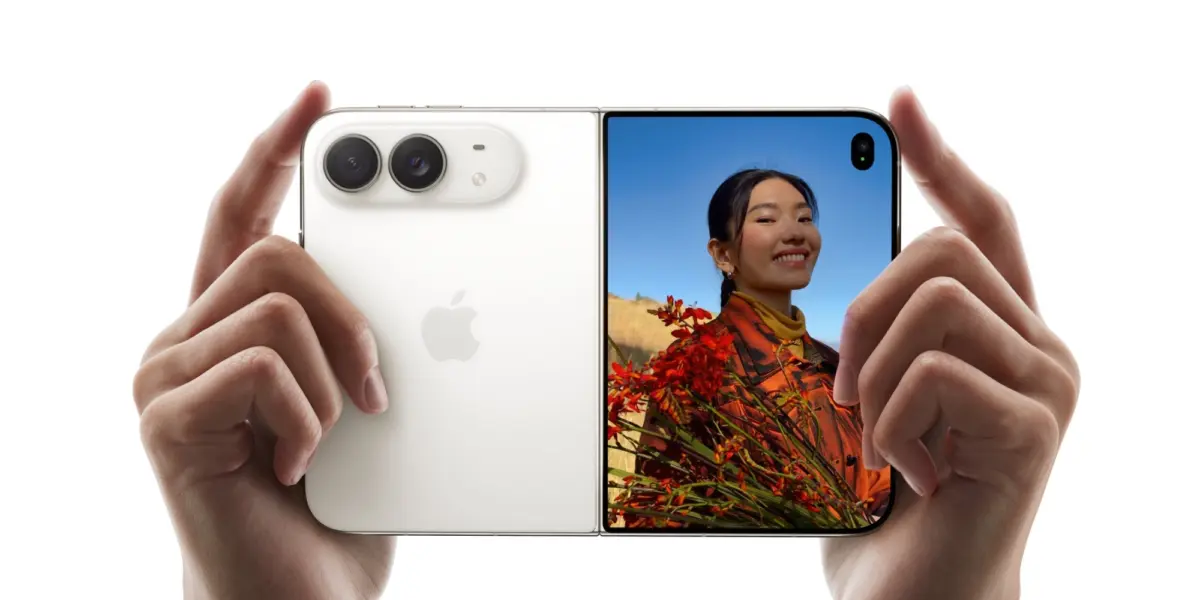
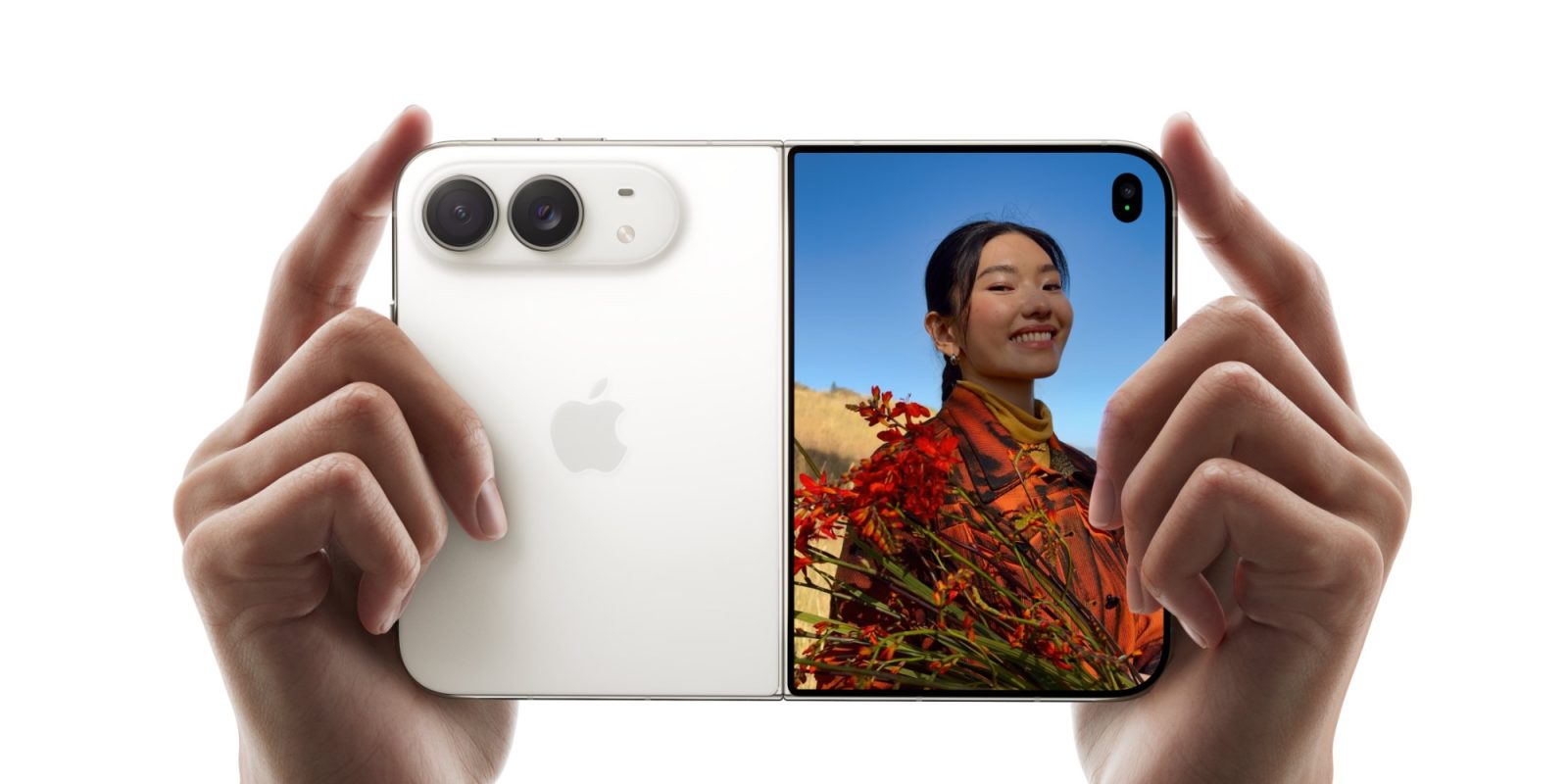
Apple’s highly anticipated entry into the foldable device market, the iPhone Duo, represents a monumental shift in hardware design for the Cupertino-based tech giant. However, alongside the physical engineering marvel of its folding inner screen, the device introduces a calculated and potentially disruptive software gamble.
To leverage the expansive estate of the inner display, Apple is enforcing a strict standard: all applications must be recompiled for iOS 27.0 at a minimum. Furthermore, utilizing the Duo’s proprietary tab bar and advanced user interface (UI) components requires upgrading to iOS 27.1.
While this hard-line approach allows Apple to curate a uniquely tailored, deeply integrated foldable experience that avoids the "janky" compatibility layers seen on many Android devices, it places an immediate burden on the developer ecosystem. Applications that fail to update will be relegated to running inside pillarboxed black bars on the inner display. Compounding this friction is the concurrent requirement for developers to support Apple’s Liquid Glass interface design language, creating a double-hurdle that could lead to a rocky user experience during the device’s critical launch window.
Detailed Chronology of the Software Requirements
The path toward the iPhone Duo’s release has been marked by a carefully orchestrated rollout of developer tools and SDK updates, setting the stage for what many industry insiders view as a high-stakes transition period.
Early 2026: Setting the Stage with SDK Requirements
The groundwork for the iPhone Duo began long before the hardware’s unveiling. Apple laid out plans to update minimum SDK requirements for all App Store submissions, signaling to developers that a visual and architectural overhaul was on the horizon. This period introduced the preliminary concepts of Liquid Glass, forcing developers to reconsider how their apps handle depth, transparency, and responsiveness.
September 2026: Hardware Reveal and Xcode Updates
During the official hardware launch event, Apple showcased the iPhone Duo front and center, detailing its inner and outer display mechanics. Immediately following the keynote, Apple released Xcode 27.1 Beta, unlocking the native tools necessary for developers to build applications specifically targeting the Duo’s unique form factor and its novel UI components.
Concurrently, Apple outlined the harsh reality for non-optimized applications: apps not recompiled for iOS 27.0 would not automatically scale to fill the inner screen, resulting in standardized black bars flanking the application interface.
Supporting Context & Metrics: The Developer Dilemma
The debate surrounding the iPhone Duo’s software architecture boils down to a classic platform dilemma: native integration versus compatibility layers.
The Android Precedent and Apple’s Alternative Path
In the Android ecosystem, foldable devices from manufacturers like Samsung, Google, and OnePlus have largely relied on flexible scaling engines and compatibility modes that allow standard tablet or phone binaries to stretch, resize, or letterbox dynamically.
Apple could have easily adopted a similar strategy by allowing resizable iPad binaries to run natively on the iPhone Duo. However, doing so would have compromised the bespoke feel of the device. Apple’s design philosophy for the Duo centers on an intuitive, purpose-built interface that feels native to the foldable iPhone experience rather than a shoehorned tablet UI. By rejecting a generic compatibility layer, Apple preserved the premium feel of the hardware, but at the cost of immediate app compatibility.
The Double-Whammy: iOS 27 and Liquid Glass
Compounding the engineering challenge is the requirement to support iOS 27. Compiling for iOS 27 does more than just open the door to the Duo’s inner display; it strips away the legacy compatibility option that allowed developers to opt out of supporting Liquid Glass.
For resource-strapped development teams or indie developers who have not yet migrated their legacy codebases to the Liquid Glass design guidelines, updating for the iPhone Duo is not a simple toggle switch. It requires a comprehensive redesign of app layouts, navigation hierarchies, and asset management. Consequently, many developers are expected to drag their feet, leading to a fragmented early app ecosystem on the device.

Impact on Key Use Cases: Mobile Gaming and Split-Screen Productivity
The inner display of the iPhone Duo is anticipated to be a powerhouse for mobile gaming, multimedia consumption, and multitasking via split-screen views. However, the lack of full-screen optimization for a vast library of third-party apps could severely dampen user enthusiasm out of the gate.
While split-screen capabilities will soften the blow—allowing users to run multiple apps side-by-side even if they do not fill the entire physical display space—immersive gaming experiences demand a proper, uninhibited full-screen layout. Without it, early adopters may find certain favorite titles frustrating to play on the expansive inner canvas.
Official Statements and Industry Insights
While Apple’s official marketing emphasizes the seamless integration of hardware and software on the iPhone Duo, engineering communications and developer forums reflect a more cautious atmosphere.
Industry analysts and ecosystem observers have pointed out that Apple’s strict enforcement strategy is a double-edged sword. On one hand, it prevents the App Store from being flooded with poorly scaled, stretched tablet apps that degrade the user experience. On the other hand, it tests the patience of third-party developers who are already juggling annual OS updates, visionOS adaptation, and cross-platform compliance.
Developers discussing the Xcode 27.1 beta have noted that while the tools provided by Apple are robust, the sheer man-hours required to refactor apps for both Liquid Glass and folding display states simultaneously cannot be understated. Apple’s gamble relies entirely on the premise that the prestige of the iPhone brand and the lucrative nature of its user base will compel developers to prioritize these updates swiftly.
Future Outlook: What Lies Ahead for the iPhone Duo
As the iPhone Duo makes its way into the hands of consumers and early reviewers, the trajectory of its software ecosystem will dictate its long-term success.

Short-Term Turbulence
Over the next few months, users should expect a mixed experience. While Apple’s native applications and a handful of major enterprise and social media partners will showcase the Duo’s capabilities brilliantly, a significant tail of third-party apps will display black bars or require awkward scaling. Developers will be racing against time to push out iOS 27 updates, and the transition period will likely be bumpy.
Potential Fallback Plans
Apple has engineered this rollout as a strong push toward native optimization, but the company retains safety nets should adoption lag severely. As a worst-case scenario, industry watchers speculate that Apple could introduce a dedicated iPad app compatibility mode for the iPhone Duo in a subsequent major software update, such as iOS 28. Such a move would mirror historical precedents where Apple introduced temporary crutches to ease ecosystem transitions before tightening the screws again later.
Conclusion
The iPhone Duo is a triumph of modern engineering, proving that Apple is ready to conquer the foldable category on its own terms. However, by refusing to take the easy route of compatibility layers, Apple has shifted the weight of this innovation onto the shoulders of third-party developers. Whether the allure of the Duo’s revolutionary hardware interface will be enough to spur rapid, widespread developer compliance remains the defining question of Apple’s mobile software landscape this year.