Executive Overview
Federal law enforcement agencies in the United States and abroad have intensified a sprawling transnational investigation into the notorious cybercriminal syndicate ShinyHunters. Best known for a relentless campaign of high-profile data breaches and corporate extortion, the hacking collective recently crossed a critical red line by penetrating sensitive systems belonging to the Federal Bureau of Investigation (FBI).
As investigators trace the digital footprints of the threat actors—who have allegedly extorted more than $70 million from victims globally in 2026 alone—the scope of the probe has widened dramatically. Beyond tracking the core hackers, federal authorities have set their sights on a murkier element of the cybercrime ecosystem: the professional intermediaries who bridge the gap between extortionists and corporate victims.
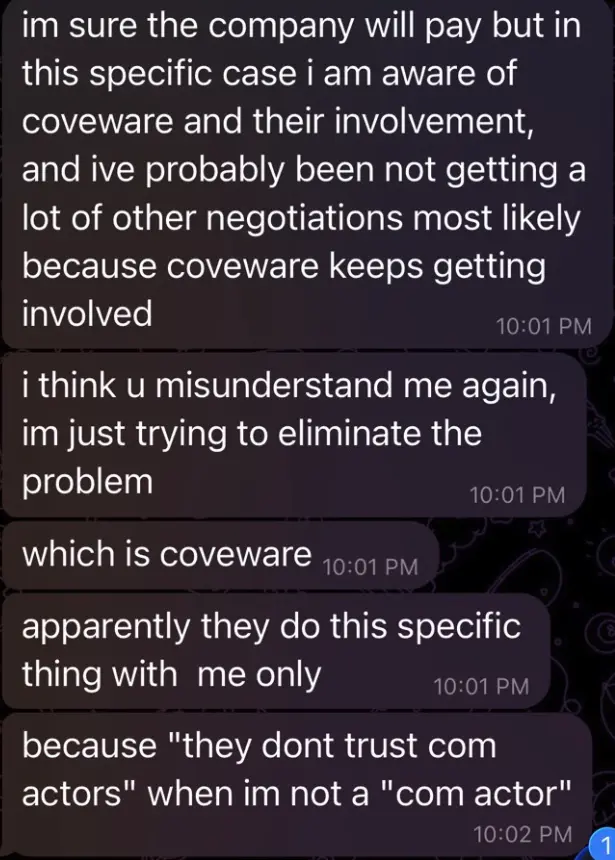
According to sources close to the ongoing investigation, U.S. and international investigators have identified executives at multiple prominent ransomware negotiation firms who maintained unusually intimate, and potentially criminal, ties with ShinyHunters leadership. In one particularly startling development, a U.S.-based consulting executive is suspected of actively helping the extortion group operate a public pressure website designed to coerce corporate victims into paying ransoms. This deep dive explores the anatomy of the ShinyHunters network, the pivotal arrests shaking the cybersecurity consulting sector, the structural conflicts of interest plaguing the ransom-negotiation industry, and the widening fallout from a betrayal that reached the highest levels of federal law enforcement.
Detailed Chronology: From Dutch Raids to FBI Arrests
The unraveling of the modern ShinyHunters apparatus represents a masterclass in digital forensics, cross-border police cooperation, and high-stakes law enforcement maneuvering.
The Evolution of a Cybercriminal Brand
Originally founded around 2019 by cybercriminals operating primarily out of France, ShinyHunters quickly established a reputation for industrial-scale data theft. As law enforcement systematically arrested and jailed the group’s founding members, operational control of the "ShinyHunters" moniker shifted. By late 2025, intelligence agencies identified the new administrative mastermind as "Rey"—a teenage hacker operating out of Amman, Jordan. Under Rey’s leadership, the syndicate accelerated its attacks, targeting massive enterprises, educational institutions, and government infrastructure.
The Breach of the FBI and International Fallout
The audacity of the group reached a crescendo in late September 2026, when hackers aligned with ShinyHunters successfully breached fbijobs.gov, the official recruitment portal of the FBI. To taunt federal investigators, the syndicate threatened to publish a trove of stolen personnel files containing highly sensitive information: medical records, psychological evaluations, Social Security numbers, home addresses, and details regarding specialized federal units.
The infiltration of an FBI web portal prompted an immediate and aggressive response from federal authorities. Moving with unprecedented speed, investigators began identifying, detaining, and questioning anyone who had maintained communications with Rey or his associates. On October 3, 2026, Reuters reported that Rey had been detained by Jordanian authorities and was actively cooperating with the FBI.

The Takedown of Pepijn van der Stap
Rey’s ascension to leadership had been made possible only because the previous senior administrator was abruptly neutralized. On the evening of September 15, 2026, Dutch law enforcement executed a dramatic raid in the Netherlands, arresting convicted hacker and ShinyHunters suspect Pepijn van der Stap. Utilizing flash-bang grenades to stun the suspect, Dutch police apprehended Van der Stap while he was actively logged into his digital accounts.
Crucially, authorities captured Van der Stap while his Signal instant messaging application was open and active. This real-time access allowed investigators to review recent communications with frequent contacts, including prominent ransomware negotiators based in the United States and Canada.
Sources close to the investigation revealed that Van der Stap’s decrypted Signal chats served as the Rosetta Stone for multiple criminal conspiracies. Beyond exposing rampant corporate extortion schemes, the messages provided the intelligence needed to unravel an alleged murder-for-hire plot. Dutch media outlet RTL reported that Van der Stap had seemingly given orders for two murders to be carried out abroad—though authorities found no indication that these lethal directives were ever executed.
The Arrest of Edward Dubrovsky
The decrypted communications quickly led federal agents to the doorstep of the established cybersecurity community. On October 9, 2026, the FBI arrested Edward Dubrovsky, a 54-year-old Canadian cybersecurity executive, charging him with threatening to disclose stolen data and interfering with interstate commerce through extortion.
Dubrovsky, who had recently published a book on handling cyber extortion that strongly advocated for engaging with threat actors, found himself on the wrong side of the law. According to federal court records, prosecutors requested that Dubrovsky remain in custody pending trial, keeping case-related documents strictly under seal.
Investigators analyzing Van der Stap’s Signal logs discovered that Dubrovsky—alongside an executive at a major U.S.-based consulting firm—frequently received inside details regarding new ShinyHunters victims before the targeted organizations even realized they had been breached. Most damningly, investigators uncovered evidence that Dubrovsky knew ShinyHunters had exfiltrated sensitive data from FBI servers yet failed to notify the bureau before the threat actors publicly weaponized the breach on social media.
Supporting Context & Metrics: The Extortion Ecosystem
To fully comprehend the gravity of the ongoing federal probe, one must examine the infrastructure utilized by ShinyHunters to monetize their thefts, as well as the historical ties linking negotiation personnel to the broader underground economy.

"Shinywire": The Mechanics of Public Shaming
Federal investigators believe that at least one executive at a prestigious U.S.-based consulting firm—one employing over 1,000 associates—played an active operational role in running shinywire[.]com, a now-defunct victim-pressure portal. Operating from approximately May 3, 2026, until mid-October, the Shinywire website cataloged nearly 100 corporate organizations compromised by ShinyHunters.
Each profile on the platform featured samples of stolen data and issued a stark ultimatum: engage with the cybercriminals to negotiate payment terms within seven days, or watch the entirety of the pilfered files be published on the group’s Tor-based shaming blog. Among those targeted was Intuitive Surgical, an American medical technology giant breached in March 2026 following a targeted employee phishing attack.
The "Ghostbyte" Connection and Historical Roots
The tangled web of ransomware negotiation reveals deep historical ties between remediation firms and threat actors. Investigative reporting and interviews with former colleagues indicate that years prior, a Canadian executive now embroiled in legal battles—Daniel Tobok, former CEO of the prominent incident response firm Cypfer—was known within ransomware circles by the handle Ghostbyte.
In 2018, when a Canadian corporation fell victim to Dharma, a prolific Russian-language ransomware affiliate program, the victim sought payment guarantees from the attackers. In a redacted email response recovered by researchers, the Dharma representative directly instructed the victim to contact an external IT specialist via the encrypted email address [email protected].
"If you want guarantees, you can write to the IT company," the Dharma rep advised. "Take the phone and negotiate with them. This IT company often solves such problems in Canada."
While Tobok has not responded to multiple requests for comment regarding the Ghostbyte moniker, threat intelligence firm Constella Intelligence noted that an email address frequently used by Tobok ([email protected]) is tied to online accounts operating under the username "ghostbyte," including a Snapchat profile. Furthermore, blockchain analysis linked the Dharma representative’s wallet to tens of thousands of dollars in illicit transactions.
Official Statements and Industry Friction
The unfolding scandal has sent shockwaves through the incident response and cyber insurance industries, prompting corporate distancing, fierce denials, and deep introspection regarding professional ethics.

Cypfer’s Response
In the wake of Edward Dubrovsky’s arrest, Cypfer issued a formal statement distancing itself from the fallout. The firm emphasized that its business model does not encompass making or facilitating ransomware payments, and asserted that it learned of Dubrovsky’s legal troubles solely through media reports.
"We had no prior knowledge of Mr. Dubrovsky’s arrest," a company spokesperson stated. "CYPFER has not received any outreach from law enforcement and, to our knowledge, is not the target of any law enforcement investigation."
Cypfer further clarified its corporate lineage, noting that it operates independently from CyberSteward Inc. and has recently been acquired by the Apros Group, a holding company led by former FBI special agent Jason Hogg.
The Conflict of Interest in Ransomware Negotiations
The crisis has reignited intense debate surrounding the financial incentives inherent in modern cyber extortion remediation. According to Mark Camillo, Chief Executive of CyberAcuView—an industry group founded by major cyber insurance carriers—the fee structures utilized by certain negotiation firms create an inherent, dangerous conflict of interest.
While some firms operate on a predictable flat-rate retainer, others charge a percentage of the total ransom payout. Camillo and other industry experts argue that percentage-based models incentivize negotiators to push for higher payouts, discourage aggressive pushback against threat actors, and align the financial interests of the mediator with those of the criminal extortionist.
"It has come to the industry’s attention that many of the ransomware payers charge a percentage of the final payment which may or may not be disclosed," Camillo noted. "This makes no sense if they are also the negotiator. There needs to be more transparency in the process as no one in the ecosystem should be profiting purely on the size of the ransomware transaction."
Federal prosecutors are increasingly validating these concerns. In October 2026, the Department of Justice charged MonsterCloud CEO Zohar Pinhasi with wire fraud and conspiracy, alleging he secretly went behind clients’ backs to pay hackers $8 million while billing customers $19 million. Similarly, in July, ransomware negotiator Angelo Martino was sentenced to 70 months in prison for conspiring with the BlackCat/ALPHV gang to exploit his own clients’ confidential negotiation strategies.

Future Outlook
The convergence of state-sponsored cyberattacks, corporate remediation firms, and international law enforcement interventions marks a watershed moment in the global fight against cybercrime. For years, the boundary separating legitimate incident response firms from underground extortion syndicates has been porous, clouded by corporate secrecy, non-disclosure agreements, and the desperate desire of victims to quietly recover stolen data.
The takedown of the ShinyHunters core—highlighted by the arrests of Pepijn van der Stap in the Netherlands, Rey in Jordan, and Edward Dubrovsky in North America—signals that law enforcement is no longer satisfied with simply chasing low-level hackers. By scrutinizing the financial conduits, negotiation intermediaries, and digital co-conspirators who help monetize these intrusions, federal investigators are dismantling the commercial infrastructure that sustains modern ransomware operations.
Moving forward, the cybersecurity and insurance industries face a mandatory reckoning. Increased regulatory scrutiny, demands for absolute transparency in ransom negotiations, and a zero-tolerance approach toward insiders who cross the line into active criminal conspiracy will permanently reshape how organizations respond to digital extortion. As the ShinyHunters case demonstrates, the greatest threat to corporate networks is no longer just the hacker knocking at the digital door—it is sometimes the trusted advisor standing quietly on the inside.