By Sam Hill
Published Nov 4, 2026, 5:32 PM EST
Executive Overview
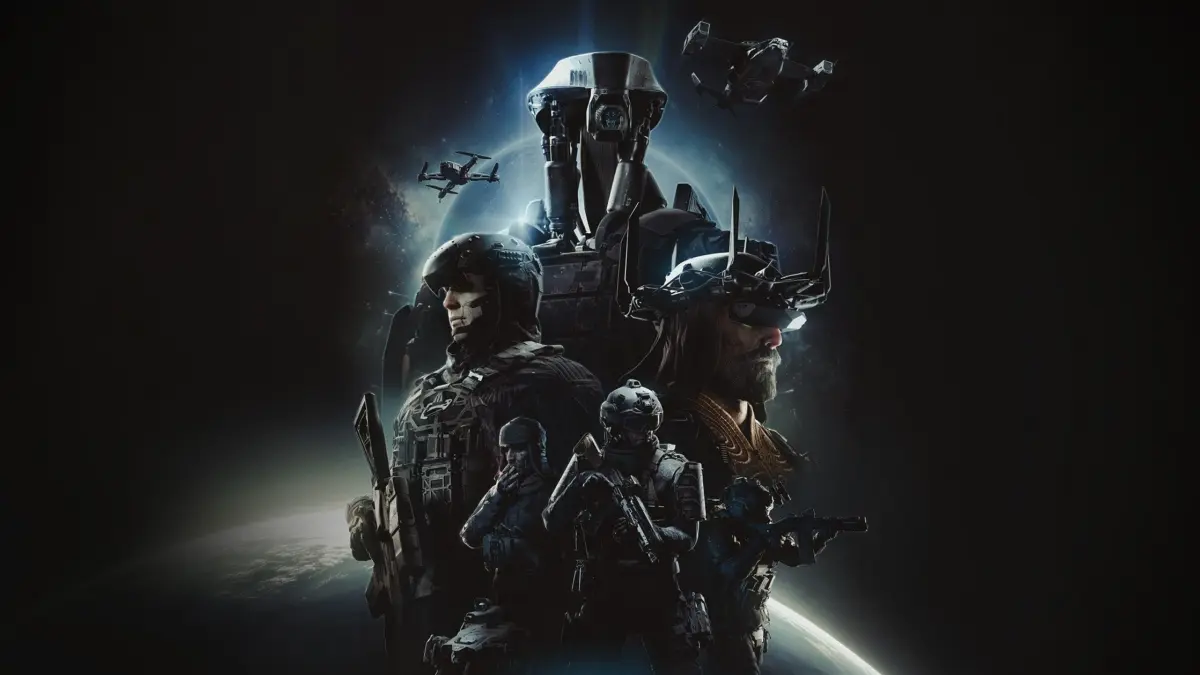
The landscape of hardcore tactical shooters is shifting toward the cosmos. Nikita Buyanov, the visionary game director best known for pioneering the genre-defining extraction shooter Escape from Tarkov, has officially unveiled his next major venture. Stepping away from the war-torn, gritty municipal zones of Eastern Europe, Buyanov’s newly revealed project—Fragmentary Order—transports the punishing, high-stakes mechanics of extraction gameplay into the vast, unforgiving vacuum of deep space.
Set in the Solar System of the year 2251, Fragmentary Order imagines a future where militarized conflict has evolved into a fully outsourced corporate commodity. Rather than risking actual human lives on the front lines, interstellar factions deploy remotely operated clones known as "RepEnts." This sci-fi narrative framework provides a clever in-universe justification for the classic extraction loop: death is not the end of a human life, but it remains a costly business expenditure.
The game broke cover with a substantial 14-minute in-engine gameplay showcase, offering fans a detailed look at expansive open environments, dynamic planetary weather systems, specialized tech equipment, and deep tactical firefights. While the game trades terrestrial ruins for futuristic off-world colonies, the underlying DNA is unmistakably familiar. Fragmentary Order features the complex inventory management, granular weapon customization, and intense risk-versus-reward tension that made Escape from Tarkov a cultural phenomenon. Alongside the gameplay reveal, Buyanov announced the "Prime Batch"—a paid closed-testing initiative designed to bring dedicated community members directly into the development pipeline ahead of the first alpha wave later this year.
Detailed Chronology: From Tarkov’s Trenches to the Interstellar Frontier
The journey toward Fragmentary Order represents a natural evolution for Buyanov and his development teams, who spent years refining the tactical shooter space through Escape from Tarkov. Released into closed alpha in 2016 and remaining a cornerstone of the PC gaming community for a decade, Tarkov established a notoriously uncompromising template: players enter a hostile map, scavenge for high-value loot, fight off both rival players and AI combatants, and must successfully reach a designated extraction point to keep their gear. Failure means losing everything.
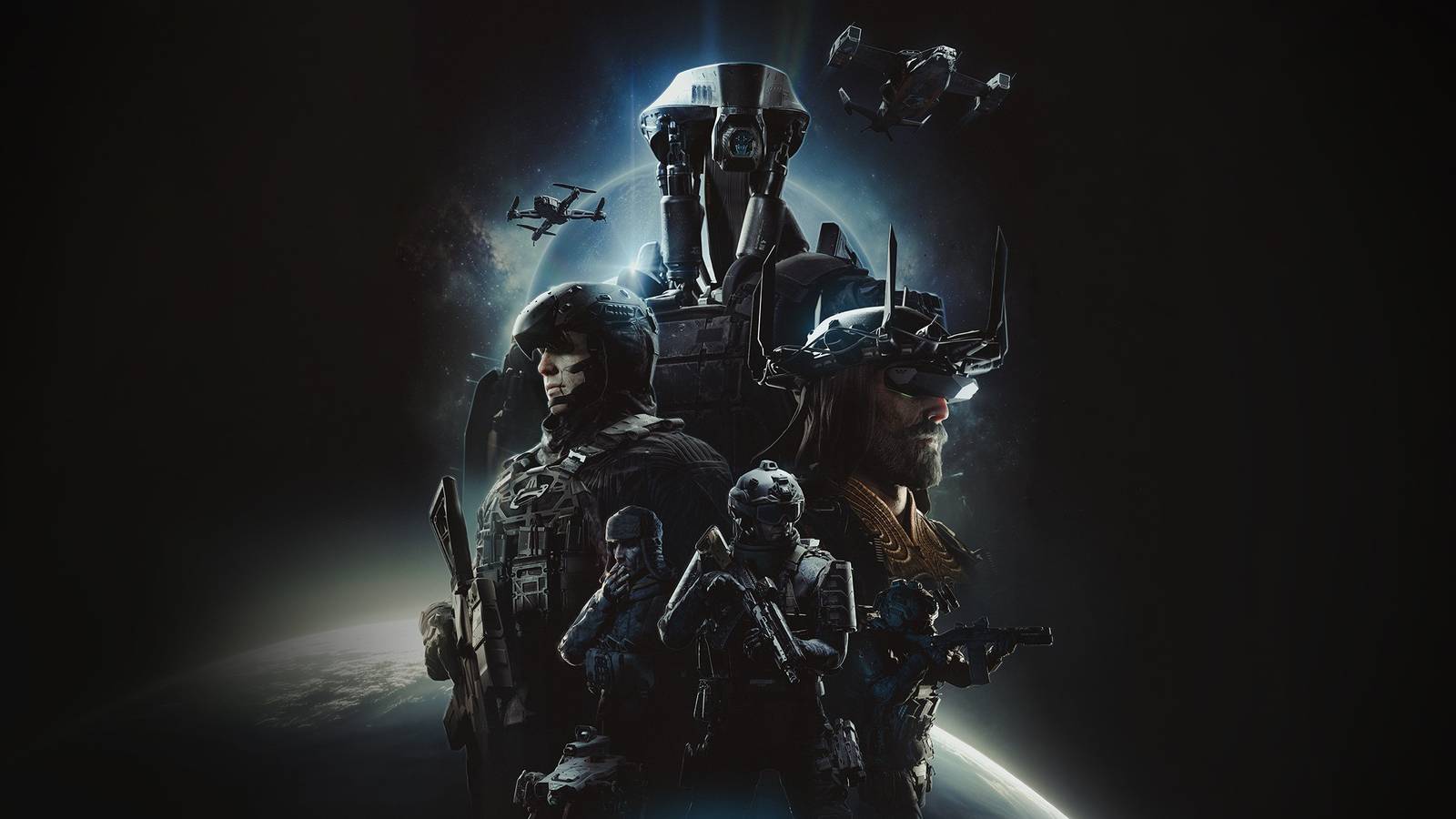
For years, rumors circulated regarding what Buyanov’s post-Tarkov creative ambitions might look like. Speculation ranged from conventional military sequels to entirely different genres. However, the conceptual pivot toward a futuristic, high-tech setting became apparent as development ramped up under Rant Gaming.
The timeline of the project culminated in its official public debut:
- Late 2026: Initial marketing assets and key art leaked, generating massive speculation across hardcore tactical gaming communities.
- November 4, 2026: The official gameplay reveal drops, showcasing a 14-minute, in-engine deep dive into the mechanics, lore, and visual fidelity of Fragmentary Order.
- Late 2026 (Upcoming): The rollout of the "Prime Batch" paid testing program, leading directly into the first wave of closed alpha testing under a strict non-disclosure agreement (NDA).
Supporting Context & Metrics: Analyzing the Formula
To understand the weight of Fragmentary Order, one must examine the metrics and cultural footprint of its predecessor. Escape from Tarkov single-handedly popularized the "extraction shooter" subgenre, inspiring countless clones and adaptations from major studios and indie developers alike. Games like Hunt: Showdown, Marauders, Dark and Darker, and extraction modes within AAA franchises all trace their conceptual lineage back to Buyanov’s initial design philosophies.
Fragmentary Order inherits this heavy legacy while introducing distinct systemic layers:
The RepEnt System and Lore
In the year 2251, corporate interstellar warfare is waged via proxy. Players command RepEnts—remotely operated human clones engineered specifically for combat operations across planetary bodies, orbital facilities, and desolate moons. This narrative device recontextualizes the extraction loop. When a player’s operative is gunned down mid-raid, they are not losing a physical human character in the traditional sense; rather, they are burning through corporate assets, draining financial resources, and sacrificing specialized cloned hardware.

Scale, Sandbox, and Equipment
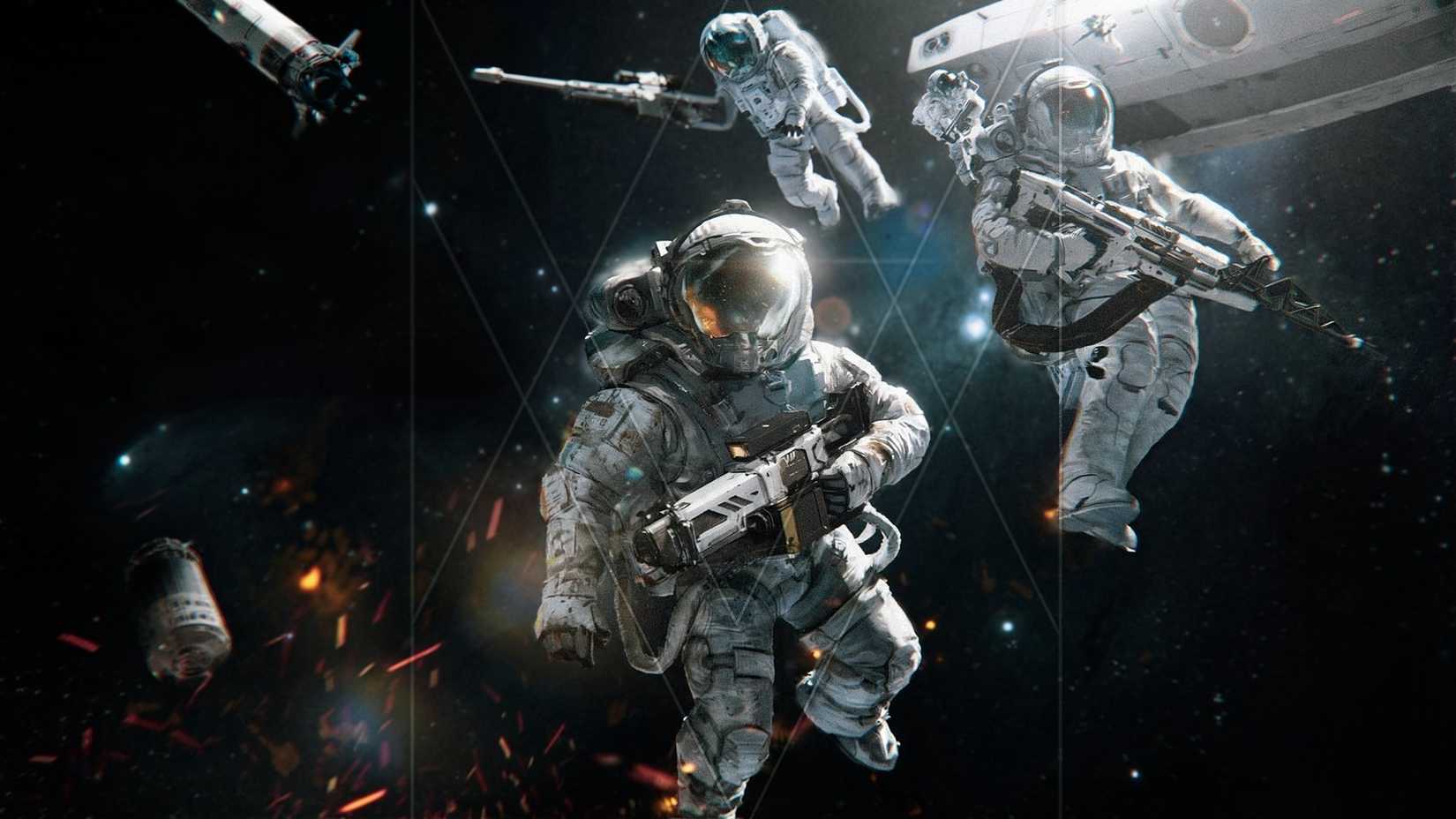
Unlike the enclosed, localized environments of Tarkov, Fragmentary Order takes advantage of its sci-fi premise to introduce vast, open-world combat zones. The gameplay footage highlighted:
- Environmental Hazards: Dynamic atmospheric changes and planetary weather conditions that directly impact visibility, thermal signatures, and tactical movement.
- Mechanized Warfare: Integrated vehicles, deployment drones, and advanced technological systems that expand squad-level tactics far beyond infantry gunfights.
- Squad Coordination: Designed explicitly around cooperation, the game supports tactical units of up to four players, emphasizing communication, role specialization, and methodical map progression.
Familiar Mechanics in a New Skin
Despite the futuristic backdrop, veterans of tactical shooters will feel immediately at home. The UI, looting procedures, medical animations, and deep ballistic simulation mirror the high-fidelity mechanics that Tarkov fans have spent years mastering. Weapon customization remains exceptionally granular, allowing players to swap out individual components, optics, and internal mechanisms to suit specific engagement ranges.
Official Statements and Vision
Nikita Buyanov has made it clear that Fragmentary Order is not designed to be a fleeting trend-chaser. In an official statement accompanying the reveal, Buyanov emphasized the long-term vision driving the project:
"We’re not building a match you play. We’re building a world you live in, for years."
Elaborating on the philosophy behind the studio’s design goals, Buyanov noted that the team intends to cultivate an ecosystem that remains vital and engaging a decade down the line—much like the enduring lifecycle of Escape from Tarkov. The ambition is to transition the tactical extraction genre from contemporary municipal warfare into a living, breathing sci-fi sandbox where player actions, corporate shifts, and economic loops continuously reshape the galactic theater.
To achieve this level of community integration, the development team introduced the Prime Batch program. This paid closed-testing framework is structured to give passionate early adopters direct channels into the testing pipeline, ensuring that the hardcore balance, economy tuning, and gunplay mechanics are rigorously vetted by the genre’s most dedicated players before a wide public release.
Future Outlook: What Lies Ahead for Fragmentary Order
As the gaming community digests the initial 14-minute gameplay reveal, several critical questions remain regarding the release trajectory of Fragmentary Order.
- Testing Phases: The first closed alpha wave—locked behind the Prime Batch initiative and guarded by a strict NDA—is slated to kick off later this year. How the community reacts to the integration of sci-fi tech, vehicles, and drone warfare will heavily dictate the pace of subsequent development.
- Release Date and Platforms: As of now, Rant Gaming and Buyanov have not committed to a concrete, full commercial release date. Given the notoriously extended development and testing cycles characteristic of the studio’s previous work, fans should anticipate a deliberate, community-driven alpha and beta roadmap.
- Genre Impact: The release of Fragmentary Order arrives at a time when the extraction shooter market is increasingly crowded. However, by injecting hard-sci-fi world-building, corporate proxy warfare, and massive planetary scales into the proven Tarkov formula, Buyanov may well carve out an entirely distinct sub-niche within the tactical space.
For now, hardcore tactical shooter enthusiasts and veterans of the genre have a sprawling, high-stakes universe to monitor. Whether Fragmentary Order can successfully bridge the gap between gritty realism and futuristic sci-fi combat will remain one of the most closely watched storylines in PC gaming over the coming years.