Executive Overview
When tens of millions of Americans headed to the polls for the 2026 midterm elections, political analysts largely focused on the seismic shifts playing out across federal and state races. A sweeping wave of generational Democratic victories fundamentally reshaped legislative bodies, widely interpreted by pollsters and political strategists as a decisive national rejection of Trumpism.
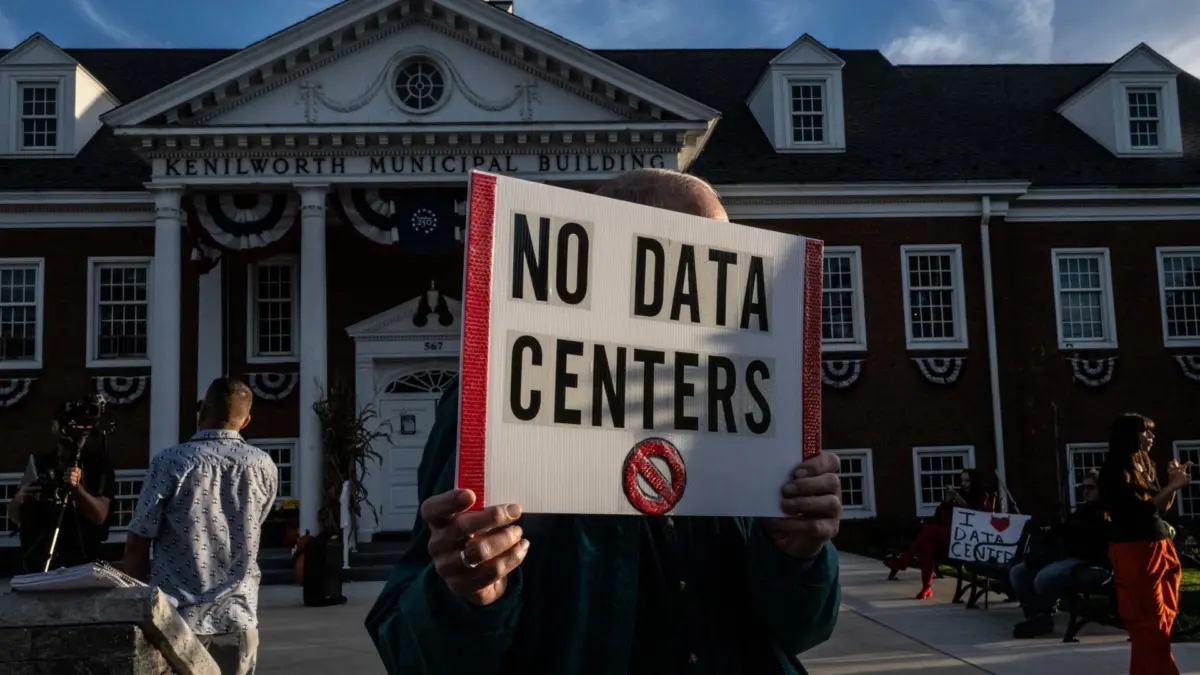
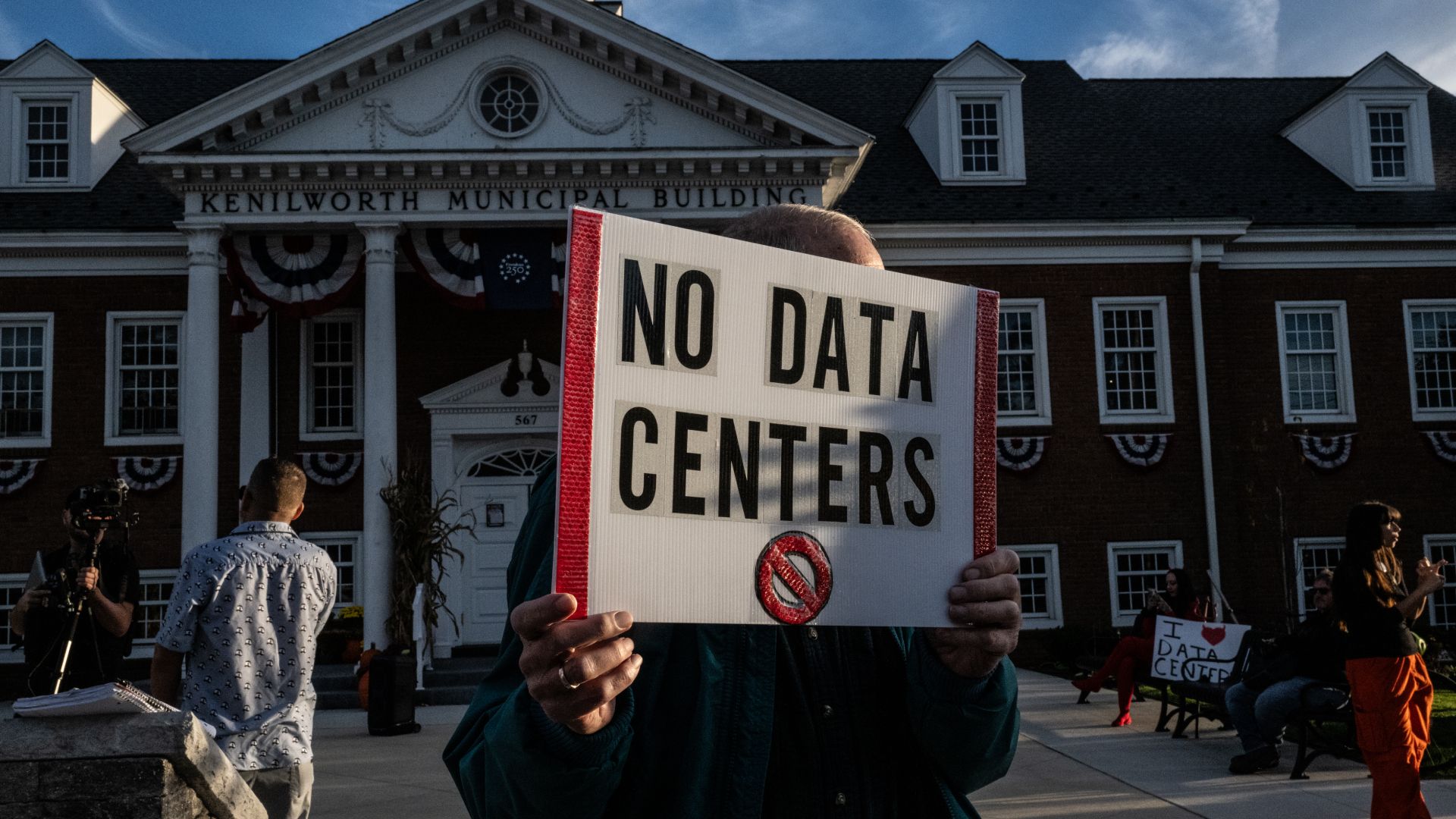
Yet, buried beneath the headline-grabbing federal results lay a quieter, equally profound electoral rebellion—one unfolding at the hyper-local level in municipal buildings, town halls, and ballot booths across the country. In communities from Kenilworth, New Jersey, to rural townships across the Midwest, voters delivered a stinging rebuke to a different, rapidly encroaching titan of modern infrastructure: the artificial intelligence data center.
At nearly every opportunity, American voters utilized local ballot measures to halt, slow, or impose stringent restrictions on the relentless pace of data center construction. According to tracking data from Data Centers on the Ballot, 47 local municipal elections featured ballot measures directly targeting data center expansion. The results were staggering: voters favored restrictions in 38 out of 39 completed counts, while leading in all remaining open races with partial reporting.
This widespread pushback highlights a growing tension between the soaring economic and technological ambitions of the tech sector—driven by an insatiable demand for AI compute power—and the daily realities of local communities forced to shoulder the heavy environmental and infrastructural burdens left in its wake.
Detailed Chronology: From Whispered Grumbles to the Ballot Box
To understand how data centers became one of the most contentious localized political issues of the mid-20th-decade, it is necessary to examine the rapid trajectory of the generative AI boom and its physical footprint.
The Land Grab (2023–2024)
Following the explosive public debut of generative AI models, major technology firms engaged in an unprecedented race to secure real estate, power grid interconnections, and fiber-optic access. Quietly, massive facilities began sprouting up across suburban and rural counties. Initially billed as clean, high-tech additions to local tax bases, these facilities quickly exposed their true operational nature: they required colossal amounts of electricity and water, produced relentless ambient industrial noise, and offered surprisingly few permanent local jobs once construction concluded.
The Backlash Builds (2025)
By the following year, the honeymoon phase between local municipalities and tech developers had entirely evaporated. Residents living within earshot—and line-of-sight—of newly erected server farms began organizing. Town hall meetings transformed into contentious battlegrounds. Citizens raised alarms over soaring regional utility bills, subterranean water table depletion, and the hum of thousands of industrial cooling fans running uninterrupted.
Recognizing that state-level regulators were often too quick to grant permits under the guise of economic development, grassroots activist networks pivoted toward direct democracy. They began drafting municipal charter amendments, zoning restrictions, and moratoriums to place directly on the ballot.
The November 2026 Reckoning
The culmination of these grassroots efforts arrived on Tuesday, November 2026. Across 47 distinct local jurisdictions, voters were given direct agency over the industrialization of their backyards.
The mandate was unambiguous. From comprehensive caps on daily energy consumption by single facilities to mandates for independent environmental impact studies, voters overwhelmingly chose restraint over rapid expansion. Out of dozens of decisions cast, only a single restrictive measure failed: an amendment in Harwood, North Dakota, which would have mandated an independent review prior to any new data center approval. In every other participating municipality, the message to tech developers and municipal planners was clear: the expansion cannot come at the expense of community livability.
Supporting Context & Metrics: The Numbers Behind the Backlash
The sheer scale of the local opposition is supported by comprehensive election data and national polling metrics compiled during the midterms.
The Electoral Scorecard
- Total Local Races Tracked: 47 municipal and township elections featuring data center ballot measures.
- Completed Counts: 39 races.
-
Restrictive Measures Passed: 38
out of 39 completed counts.
- Open Races (Partial Reporting): 8 races, with pro-restriction voter blocs leading in all 6 partially reported contests.
- Outliers: Only 1 measure (in Harwood, North Dakota) failed to pass.
Exit Polls and Voter Priorities
According to exit polls conducted by NBC News during the midterms, 56% of voters categorized AI data centers as either "crucial" or "a major factor" in determining their vote for Congress. This positions tech infrastructure alongside traditional wedge issues like healthcare, inflation, and reproductive rights in the minds of the American electorate.
What is driving this voter sentiment? Analysts point to a convergence of compounding grievances:
- Environmental and Ecological Toll: Massive water consumption used to cool server clusters has strained municipal water supplies, particularly in drought-prone regions.
- Energy Grid Strain: The sheer electrical load required by modern GPU clusters has threatened regional grid stability, frequently resulting in fears of blackouts and directly contributing to upward-spiraling residential utility bills.
- Noise Pollution: Industrial-grade HVAC and cooling systems generate relentless, low-frequency hums that degrade the quality of life in adjacent residential zones.
- Economic Disconnect: While tech conglomerates reap billions in enterprise value from AI deployment, local residents experience few direct economic benefits outside of temporary construction gigs, contrasting sharply with the permanent degradation of their local environment.
Official Statements and Industry Reactions
The sweeping rejection at the ballot box has sent shockwaves through Silicon Valley and data center development firms, prompting a scramble to recalibrate public relations and community outreach strategies.
Industry trade groups and corporate representatives have pushed back against the wave of restrictions, arguing that slowing down infrastructure development risks crippling America’s competitive edge in the global artificial intelligence race.
"The United States is currently locked in a generational technological race," noted a representative from a prominent digital infrastructure advocacy coalition. "While we deeply respect the concerns of local residents, halting or arbitrarily restricting the construction of modern computing facilities threatens to stall the very innovations that drive our national economy. We need constructive dialogue, not moratoriums, to solve our energy and infrastructure challenges together."
Conversely, grassroots organizers and municipal leaders who championed the ballot measures view the election results as a necessary corrective against corporate overreach.
"For years, tech companies operated under the assumption that they could drop massive, power-hungry industrial complexes into quiet residential towns without local consent," said a spokesperson for Data Centers on the Ballot. "Tuesday proved that communities are no longer willing to trade their clean air, quiet neighborhoods, and affordable electricity for empty promises of economic prosperity. Democracy won at the local level."
Future Outlook: Where Do We Go From Here?
The 2026 midterm results mark a permanent turning point in how digital infrastructure is planned, permitted, and built in the United States. The era of frictionless, rubber-stamped data center expansion is effectively over.
Looking ahead, tech developers and utility companies face a challenging road. To bypass local resistance, the industry will likely be forced to pivot toward several strategic adaptations:
- Behind-the-Meter Power Generation: Rather than drawing exclusively from local municipal grids—a primary driver of voter hostility—developers are increasingly exploring direct investments in dedicated nuclear, geothermal, or solar-plus-storage microgrids to power their facilities independently.
- Stricter Acoustic and Environmental Engineering: Future facility designs will require massive capital expenditures focused on noise mitigation and closed-loop, waterless cooling systems to appease local zoning boards.
- Proactive Community Benefit Agreements (CBAs): Tech firms will need to move past reactive lobbying and instead offer substantial, binding financial investments directly to host communities—such as funding for local schools, public parks, and utility rate-relief funds—before breaking ground.
Ultimately, the message sent by American voters on Tuesday is unmistakable. The technological revolution of artificial intelligence cannot succeed by alienating the communities that host its physical body. As developers return to the drawing board, they do so under the watchful eye of an electorate that has proven it possesses both the organization and the will to pull the emergency brake.