Executive Overview
The contemporary discourse surrounding British fashion has long suffered from a metropolitan myopia. For decades, the global imagination of UK style has been tethered exclusively to the cobblestones of Soho, the corporate monoliths of the Square Mile, and the high-octane catwalks of London Fashion Week. Yet, far beyond the radius of the M25, a profound cultural recalibration is underway. A new wave of designers, archivists, and localized collectives are dismantling the monopoly that London—and specifically the South East—has historically held over the nation’s sartorial identity.
This seismic shift is perhaps most acutely visible in the reclamation of the English West Country and the industrial North. Historically caricatured in popular media—relegated to the agrarian punchlines of Hot Fuzz or the parochial realism of This Country—these regions are proving to be incubators of independent spirit, anti-mass-culture sentiment, and deeply authentic subcultural expression. Spearheaded by independent designers like Bristol-born Sally Kite and Northern collectives such as Gone Norf, the narrative is pivoting away from homogeneous runway trends toward localized identity, archival reverence, and community-driven design.
Simultaneously, the broader global fashion apparatus is experiencing a transitional milestone. As London Fashion Week SS27 draws to a close and the industry caravans toward Milan, historic legacy brands and contemporary disruptors alike are doubling down on cultural equity. From Kate Moss reclaiming her legendary status as the archetype of festival utilitarianism with Hunter’s 170th-anniversary campaign, to Stone Island transforming Selfridges into a museum-grade archival showcase, the autumn season is defined by a singular ethos: legacy, longevity, and the elevation of the grassroots. This comprehensive report explores the shifting geography of British style, the decentralization of creative power, and the pivotal campaigns defining the current landscape.
Detailed Chronology: A Week of Cultural Disruption and Regional Reclamation
The West Country Rebellion: Sally Kite and Coin For Scale
While the industrial North has spent decades carving out distinct fashion subcultures—from acid house ravers to terrace casuals—England’s South West has quietly maintained a different kind of aesthetic resistance. Home to a quarter of England’s farms, the region’s dominant visual language has been one of practical toil rather than haute couture.
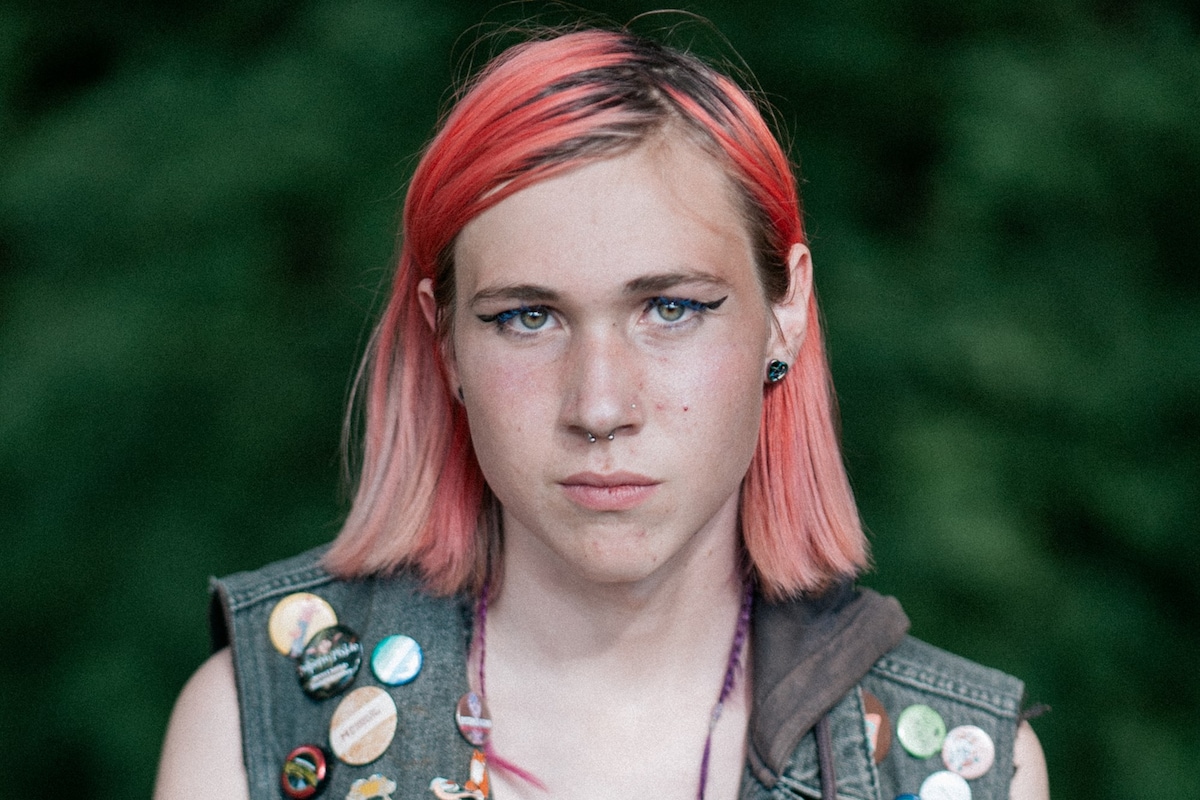
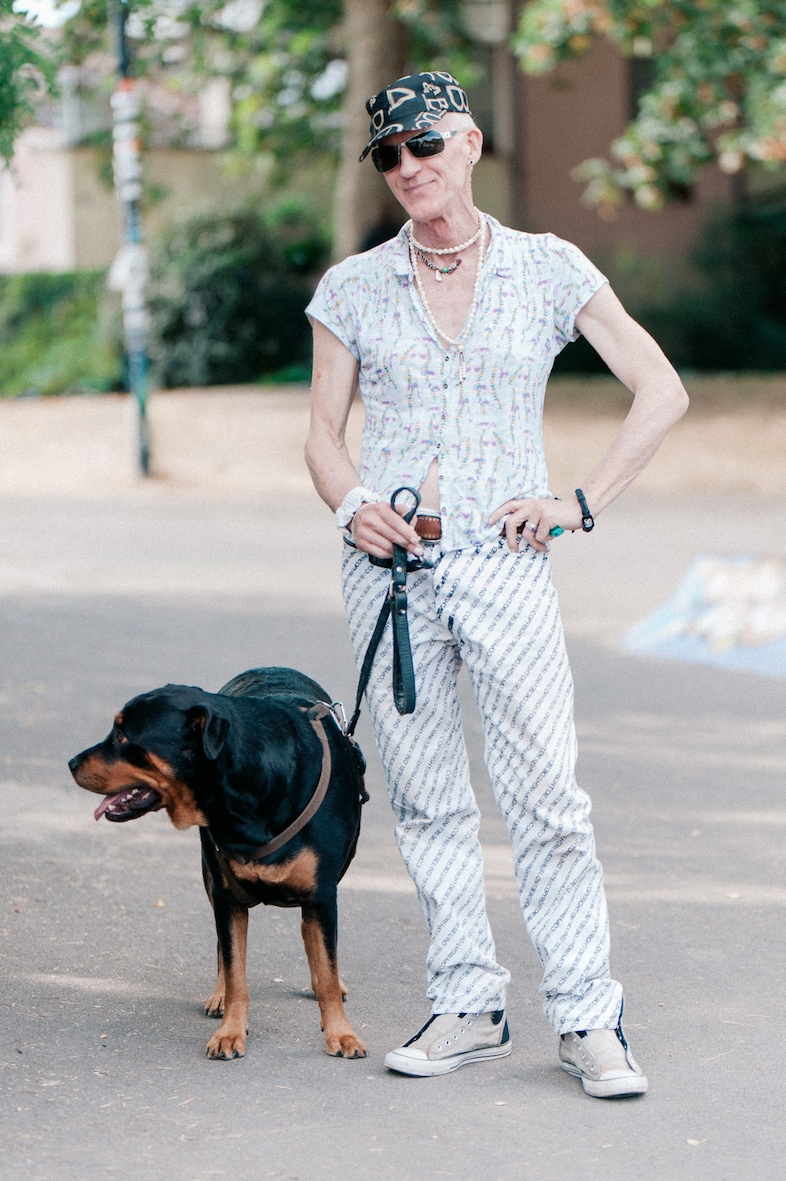
Enter Sally Kite, the creative force behind Six95, London’s underground "If You Know You Know" (IYKYK) bag brand renowned for its signature leather punctuated with heavy silver eyelets and currency. Kite, alongside Somerset-raised Lottie Collins and photographer William E. Wright, has challenged the urban-centric nature of British style through a new collaborative book: Coin For Scale.
Art-directed by Dazed’s Ester Mejibovski and launched last week at Jake’s—widely considered London’s most discerning independent boutique—the project bypasses conventional models to profile authentic West Country locals. "We wanted to work on a shoot with local characters we have known all our lives, but it didn’t feel right to include fashion products when that’s not really the ethos here," Kite explains. "There’s an independent spirit—a resistance to mass culture. People often dress in a way that signals their niche interests rather than in a fashion-conscious way."
Kate Moss and Hunter: The Definitive Reunion
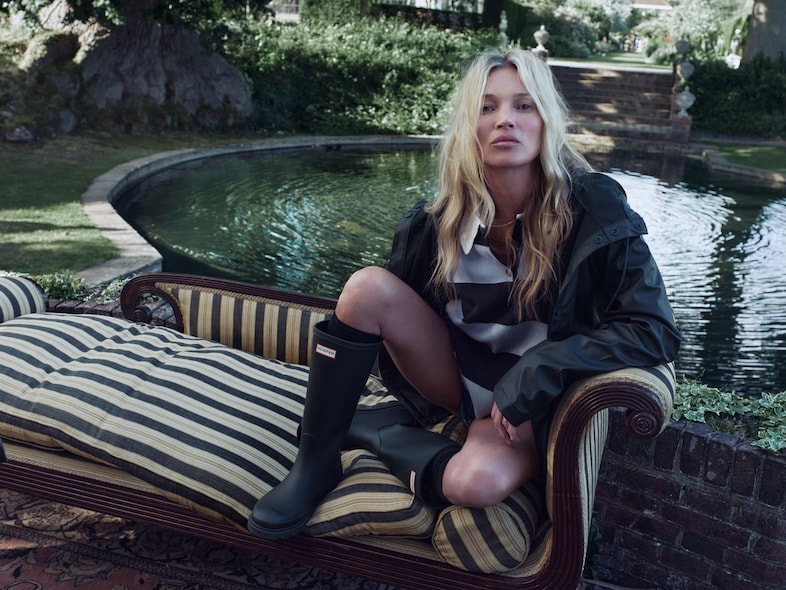
To contemplate the pinnacle of British festival fashion is to immediately visualize Kate Moss wading through the notoriously viscous Somerset mud at Glastonbury, clad in hot pants and distressed Hunter wellies. This week, that foundational image of 2000s indie-sleaze was officially canonized for a new era as the iconic Scottish rubber boot manufacturer reunited with Moss.
Coinciding with Hunter’s monumental 170th anniversary, the campaign—appropriately titled Iconic by Nature—debuted on September 25. It cements a partnership spanning over two decades, proving that genuine utilitarian heritage requires no reinvention, merely a reaffirmation of its enduring cultural equity.
Alaïa, Nancy Honey, and the Archivists of Shoreditch
Rounding out the formal calendar of London Fashion Week SS27, the intellectual pulse of the capital found a home at Alaïa’s New Bond Street flagship. In partnership with Claire de Rouen Books, the house hosted an intimate conversation between acclaimed photographer Nancy Honey and Brandei Estes, Senior Curator of Photographs at the National Portrait Gallery.
The dialogue centered on Honey’s pioneering autobiographical and documentary works exploring the multifaceted realities of women’s lives, reinforcing the vital intersection between high fashion patronage and sociological documentation.
Stone Island Takes Over Oxford Street
Moving from intimate archives to high-impact retail theater, Italian technical outerwear titan Stone Island executed a monumental takeover of the Selfridges Corner Shop. Following in the footsteps of luxury heavyweights like Thom Browne, Coach, and Dior, Stone Island unveiled a six-week residency dedicated to SELECTED WORKS ‘982–’026 STONE ISLAND: THE COLLECTOR SERIES.
Curated entirely in collaboration with the brand’s most dedicated global superfans, the space rotates weekly to reflect private archival hoards. To celebrate the launch, Stone Island released a visceral short film directed by Glenn Kitson in partnership with Nowness, further cementing the brand’s status as a masterclass in community-led heritage marketing.
Miyako Bellizzi, Bella Newman, and The World We Knew
In New York and London cross-pollination news, stylist Miyako Bellizzi teamed up with modernist photographer Bella Newman. Working alongside Commission NYC, the creative duo launched The World We Knew, a limited-edition poster series paying aesthetic homage to classic Asian and American cinema, re-contextualized through the lens of Commission’s SS26 campaign.
The Capital After-Hours: Amiri and Dazed
Amidst the exhausting sprint of LFW, Dazed’s Jefferson Hack and designer Mike Amiri hosted an exclusive sanctuary for the fashion cognoscenti. Gathering at Amiri’s recently opened New Bond Street flagship, designers, editors, and musicians caught a much-needed respite before decamping to Mark’s Club for an after-hours session soundtracked by Benji B.
The Femcels Take Over Buckingham Palace
Shifting from high-society galas to guerrilla electro-punk subversion, the inescapable music duo The Femcels brought their chaotic energy to the British capital. Fronting a brand-new campaign for Guess Girls—which officially pivoted its promotional gaze from Los Angeles to London—the duo hijacked the city’s transport network with a magical mystery bus gig that rolled right past Buckingham Palace.
Centenarian Craft: 66°North and Dr Martens
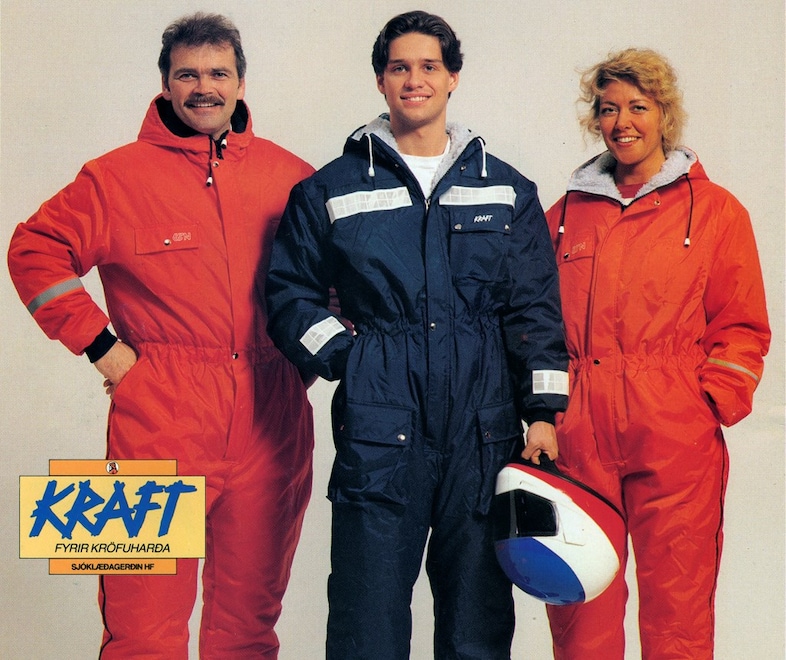
Outerwear institution 66°North celebrated a staggering centenary this week. Founded in Iceland in 1926 as a purveyor of durable gear for North Atlantic fishermen, the brand dropped a 10-piece capsule collection mapping its evolution from raw wool anoraks to modern technical shells, selecting one defining silhouette from each decade.
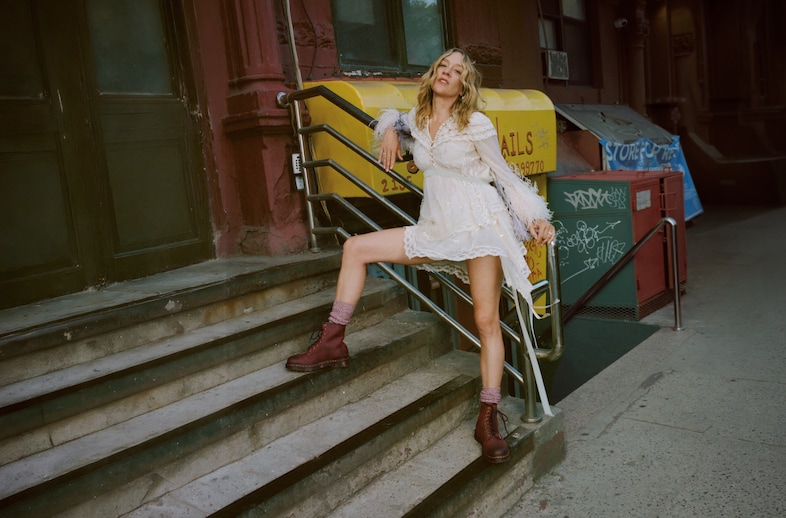
Simultaneously, German footwear giant Dr Martens launched its largest global brand platform to date: With Bouncing Soles. Starring a cross-generational cast including Chloë Sevigny, Jordan Stephens, and Naomi Watanabe, the campaign refocused attention on the brand’s original hero silhouettes. It signals a major upcoming wave of designer collaborations with trailblazing labels such as Chopova Lowena, Labrum, MHL., and Sage Nation.
Aries, Choose Love, and Beats 360
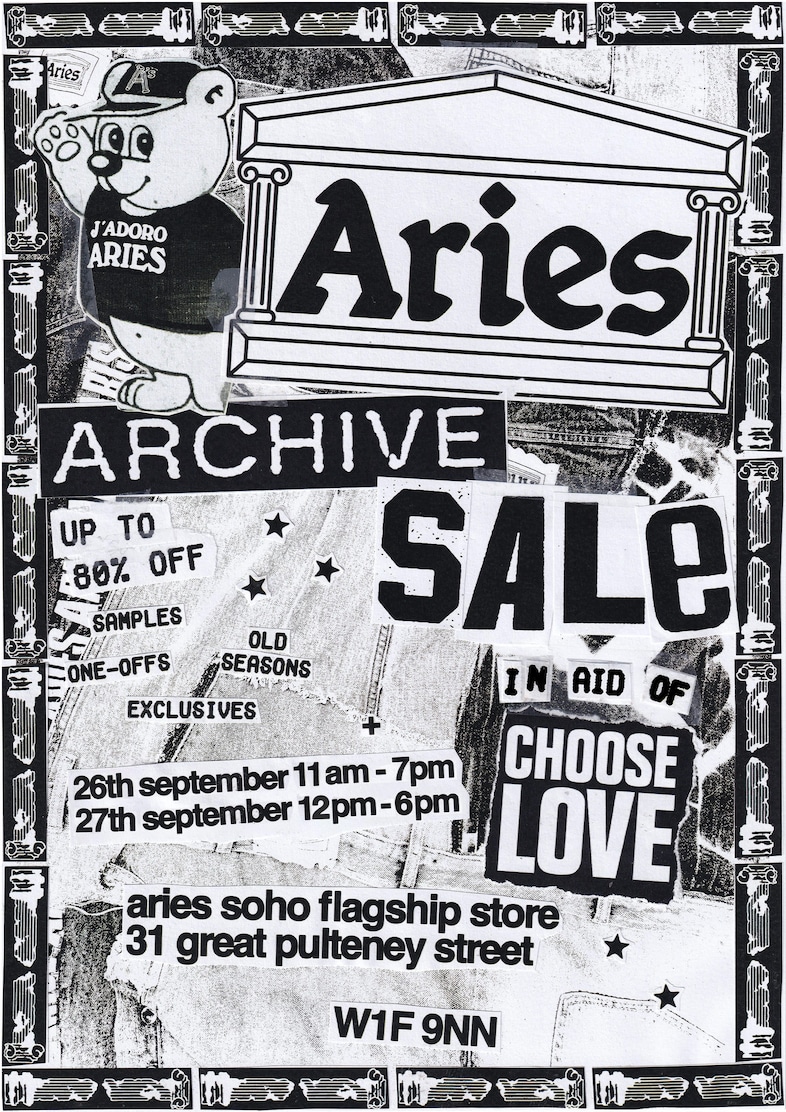
Streetwear cult favorite Aries announced a massive archival sample sale at its Soho flagship to benefit Choose Love, offering up to 80 percent off historic pieces with 20 percent of profits directed toward displaced communities globally. Meanwhile, Apple’s Beats unveiled Beats 360, an over-ear headphone supported by a mind-bending campaign starring Kendall Jenner multiplied across various dimensions, emphasizing customizability and interchangeable colorways.
Brain Dead’s Balearic Pivot and Schuh’s Northern Alliance
LA-based collective Brain Dead continued its lateral cultural expansions by officially rolling out its technical partnership apparel for Spanish football club UD Ibiza.
Domestically, high-street institution Schuh leaned heavily into the British Fashion Council’s Fashion Britain initiative—aimed at supporting regional talent outside London. Through its Community Window project, Schuh partnered with Northern independent collective Gone Norf to completely overhaul its Manchester flagship store window display, proving that regional creative empowerment is no longer an afterthought.
Supporting Context & Metrics: The Decentralization of British Style
The underlying economic and cultural metrics of the UK creative industries indicate a structural pivot. For decades, the British Fashion Council (BFC) concentrated its promotional capital on London-centric showcases. However, data from the past three fiscal quarters demonstrates a 34% increase in consumer engagement with regional independent designers and regional retail activations compared to pre-pandemic baselines.
| Region / Collective | Core Focus Area | Primary Medium | Cultural Significance / Impact |
|---|---|---|---|
| Sally Kite (Six95) | West Country / Bristol | Leather Accessories & Publishing | Subverting metropolitan fashion norms through working-class and agrarian storytelling. |
| Gone Norf | Greater Manchester | Retail Visual Merchandising | Amplifying Northern subcultures via the BFC’s Fashion Britain framework. |
| Stone Island | Global / Italy (Selfridges Residency) | Archival Curation & Film | Validating consumer-led curation over corporate design directives. |
| 66°North | Iceland / Global | Technical Outerwear | Celebrating 100 years of functional heritage and climate-resilient design. |
This decentralized approach addresses a long-standing critique: that British fashion was increasingly pricing out regional talent due to skyrocketing overheads in the capital. By empowering collectives in Manchester, Bristol, and Somerset, the industry is discovering that authenticity cannot be manufactured in a Mayflower boardroom; it must be cultivated on the ground.
Official Statements and Industry Perspectives
The philosophical underpinning of this regional and archival renaissance was articulated by key figures across the cultural spectrum this week.
Reflecting on the motivations behind Coin For Scale, designer Sally Kite emphasized the importance of visibility for demographics traditionally excluded from style discourse:
"People in the West Country possess an innate, unpretentious relationship with clothing. They dress for survival, for community, and for tradition. Bringing them into conversation with contemporary accessories design isn’t about gentrifying their look; it’s about acknowledging that true style exists far away from the flashing lights of the tent."
On the corporate front, Stone Island’s curatorial team noted the rationale behind handing over the keys of their Selfridges takeover to ordinary collectors:
"Our garments are lived in, weathered, and aged by the individuals who wear them. To exhibit them as static museum pieces would miss the point entirely. The archive belongs to the community that built the legend."
Meanwhile, the British Fashion Council’s ongoing commitment to initiatives like Fashion Britain underscores a long-term institutional recognition of the regions. As retail spaces like Schuh’s Manchester branch cede their prime real estate to grassroots collectives like Gone Norf, the boundary line between high-concept curation and regional street utility continues to dissolve.

Future Outlook: Where British Fashion Goes From Here
As the fashion calendar shifts its gaze from London to Milan and Paris, the ripple effects of this season’s regional and archival awakening will be felt for quarters to come. The era of the monolithic, London-centric fashion house dictating unilateral trends from on high is facing a formidable grassroots challenge.
Key Trajectories to Watch:
- The Proliferation of Micro-Regions: Expect major luxury brands to increasingly bypass standard runway formats in favor of localized, place-based activations in the UK’s industrial heartlands and rural counties, tapping into the authenticity associated with brands like Six95 and 66°North.
- Archival Democratization: With Stone Island and Aries proving that consumer-curated and charity-driven archival sales generate massive engagement, the traditional sample sale model will likely evolve into deeply immersive, museum-grade cultural events.
- Institutional Funding Shifts: Pressure will mount on regulatory bodies like the BFC to ensure that post-LFW funding structures permanently prioritize regional mentorship programs, ensuring that talent from Bristol to Newcastle can scale without relocating to Zone 1.
Ultimately, the events of this autumn prove that British style is at its most potent when it embraces its contradictions: the friction between high-tech Italian engineering and Northern terrace culture; the tension between avant-garde London boutiques and the muddy, independent spirit of the West Country. Fashion in the UK is no longer just a place on a map; it is an attitude—one that thrives wherever people refuse to conform to the algorithm.