Executive Overview
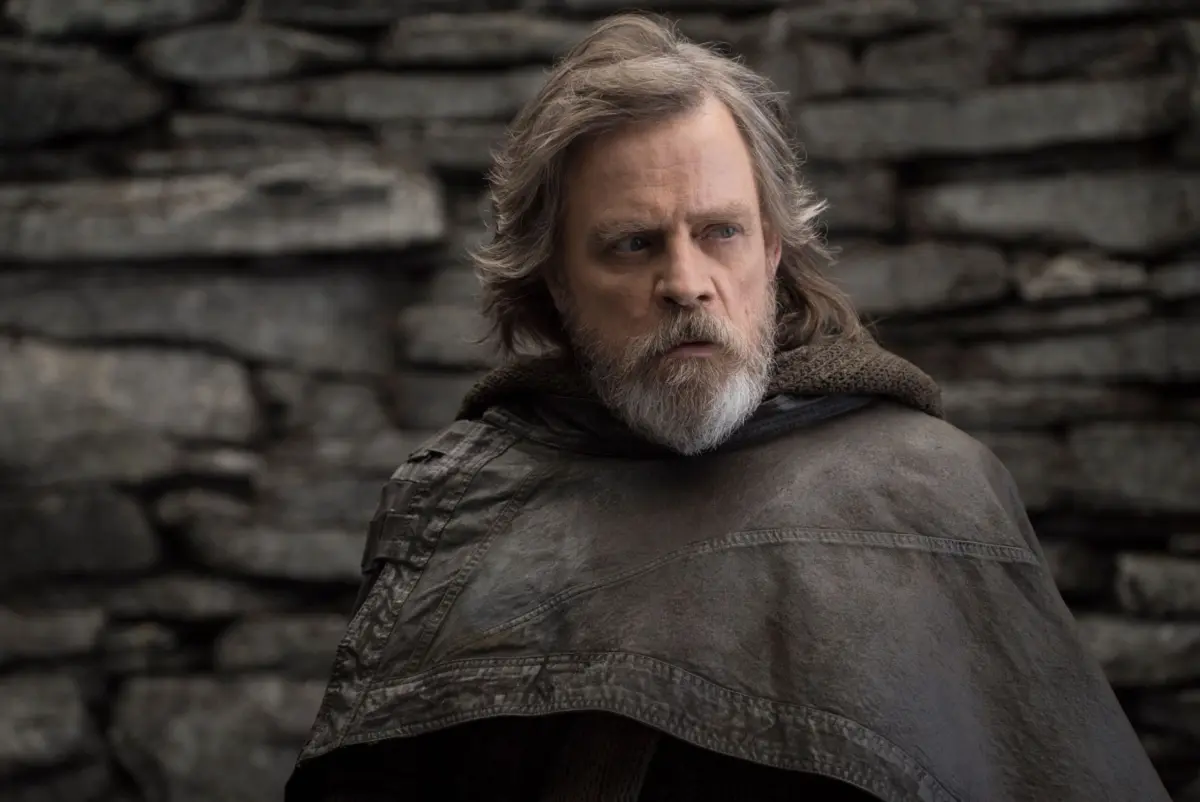
Nearly a decade after its polarizing theatrical debut in December 2017, Rian Johnson’s Star Wars: Episode VIII – The Last Jedi remains one of the most fiercely debated entries in modern cinematic history. While audiences and critics remain divided over its deconstruction of Jedi mythology, its subversive narrative turns, and its treatment of legacy characters, a profound consensus is quietly solidifying in the rearview mirror: the film delivered the most emotionally resonant, psychologically complex iteration of Luke Skywalker (Mark Hamill) ever committed to film.
Discussions surrounding Luke’s cinematic legacy inevitably circle back to iconic, thunderous proclamations—most notably his definitive declaration to the Emperor in Return of the Jedi: "I am a Jedi, like my father before me." It is a monumentally satisfying moment that solidifies Luke’s transition from a naive farm boy to a master of the Light. Yet, when evaluating the absolute zenith of Luke Skywalker’s philosophical and emotional evolution, one must look past his clashes with Darth Vader and turn instead to a quiet, unassuming moment of profound grace on the planet Ahch-To.
When Luke projects his consciousness across the cosmos to comfort his grieving sister, Leia Organa (Carrie Fisher)—who is mourning the apparent irrevocable loss of her son, Ben Solo, to the Dark Side—he delivers a deceptively simple, earth-shattering line: "No one’s ever really gone."
This article explores how this single, poignant phrase encapsulates the thematic core of the entire Star Wars saga, serves as the ultimate punctuation mark on Luke’s hard-won redemption, and offers multi-layered reflections on memory, legacy, and the spiritual mechanics of the Force.
Detailed Chronology: The Arc from Isolation to Illumination
To fully understand the weight of Luke’s declaration in The Last Jedi, one must examine the painstaking, often uncomfortable narrative trajectory that Rian Johnson mapped out for the aging Jedi Master.
The Burden of Failure
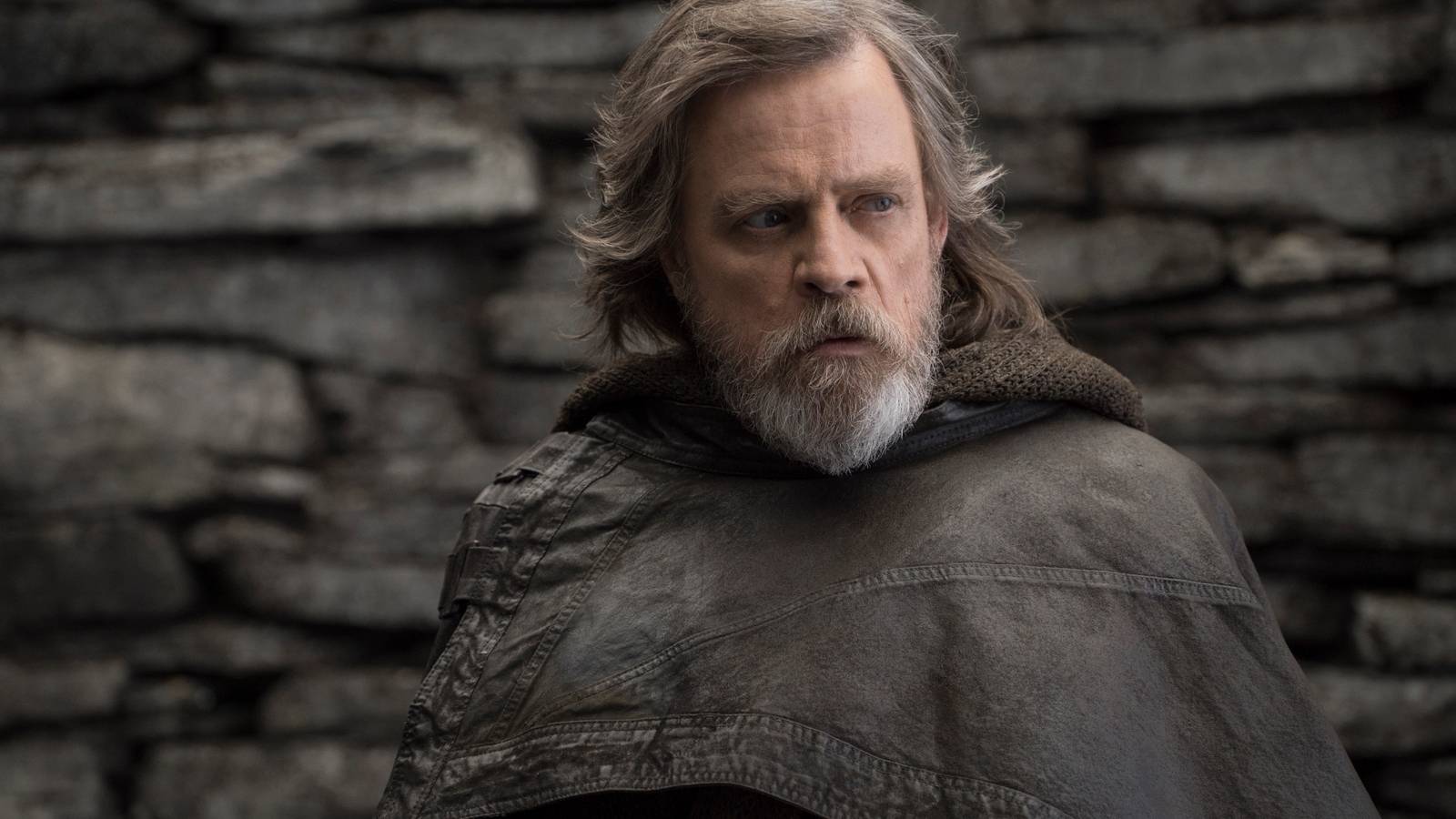
When viewers first encounter Luke in The Last Jedi, he is a shadow of his former self. Hidden away on the ancient, wave-lashed island sanctuary of Ahch-To, he has deliberately severed his connection to the Force. Driven by profound guilt, shame, and a deep-seated disillusionment with the Jedi Order—catalysed by his momentary lapse in judgment over a sleeping Ben Solo—Luke has chosen absolute isolation. He believes the galaxy would be better off without the Jedi, viewing their legacy as an endless cycle of hubris and violence that breeds its own destruction.
For a generation of fans who grew up idolizing the unfailingly optimistic hero of the Original Trilogy, watching Luke toss his father’s lightsaber over a cliff was nothing short of a betrayal. However, this narrative choice established a vital baseline for dramatic tension: Luke could not offer wisdom to the galaxy until he first healed his own soul.
The Catalyst of Rey and Yoda
Luke’s rehabilitation is not born of a sudden epiphany, but of relentless prodding. Rey (Daisy Ridley), demanding answers and refusing to accept his self-imposed exile, forces Luke to confront the very failures he fled from. Furthermore, the spectral return of Yoda—manifesting not as an ancient, untouchable sage, but as a mischievous teacher willing to burn down the sacred texts to teach a final lesson—reminds Luke that failure is the greatest teacher of all.
Yoda’s timeless advice—"We are what they grow beyond. That is the true burden of all masters"—shatters Luke’s paralysis. It prepares him for his final, transformative act of engagement: stepping out of the shadows to offer the Resistance a chance at survival.
The Projection and the Promise
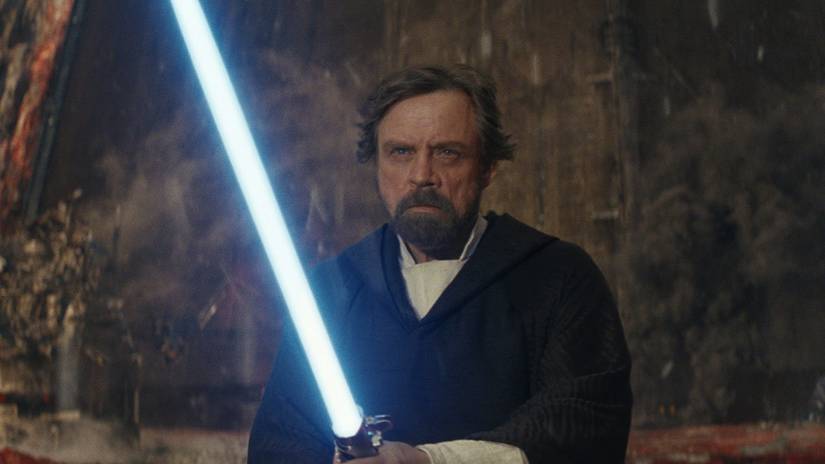
Before his transcendent final act on Crait—where his masterclass in Force projection saves the surviving members of the Resistance without him ever having to strike a blow—Luke reaches out to Leia. Their emotional exchange is fleeting, yet it carries the weight of decades of shared trauma, loss, and familial love. Leia is drowning in grief over her son’s descent into fascism as Kylo Ren.

Luke, once again radiant with the quiet confidence of a true Jedi master rather than the mythic warrior of legends, looks at his twin sister and offers the sentence that defines his entire character arc: "No one’s ever really gone."
In that single breath, Luke bridges the gap between his bitter past and his enlightened present, offering an anchor of hope not just to Leia, but to the entire Star Wars universe.
Supporting Context & Metrics: The Thematic Weight of Redemption
To measure the significance of Luke’s quote, one must contextualize the pervasive theme of redemption that binds the sprawling, multi-media Star Wars ecosystem together.
The Evolution of Redemption in the Galaxy
Redemption has always been the beating heart of Star Wars, but the franchise has consistently challenged how different characters perceive it.
- Anakin Skywalker’s Redemption: In Return of the Jedi, Anakin finds redemption through a personal, sacrificial act of love, saving his son from the Emperor. Yet, as the expanded canon demonstrates, Anakin’s path to redemption was strictly personal; to Leia, his atrocities as Darth Vader—including his complicity in the destruction of Alderaan—meant that his soul could never be easily absolved in her eyes.
- Ben Solo’s Trajectory: The ancillary canon, including novels like Han Solo: Hunt for the Falcon and various comic runs, paints a tragic picture of Ben Solo’s youth. He was not born evil; he was a sensitive, deeply conflicted child manipulated by external cosmic forces. When Leia mourns him in The Last Jedi, she is mourning the death of the innocent boy she raised, believing him entirely overwritten by Kylo Ren.
Luke’s quote reframes this entire dynamic. By asserting that "no one’s ever really gone," Luke rejects the binary morality that often plagues the galaxy. He acknowledges that people can change, fall, and commit atrocities, but the core essence of who they were—and who they have the capacity to become—remains recoverable. This philosophy directly anticipates Ben Solo’s eventual redemption and sacrifice in The Rise of Skywalker, proving that Luke’s wisdom outlived his physical form.
Critical Reception and Audience Metrics
While The Last Jedi divided the fanbase upon release—scoring a polarizing 42% audience score on Rotten Tomatoes despite a glowing 91% critical approval rating—retrospective analyses have been far kinder to its character writing. Longitudinal fan surveys conducted by platforms like IGN and Reddit’s r/StarWars consistently rank Luke’s narrative arc in The Last Jedi as one of the most daring pieces of character development in the franchise, even among those who remain critical of other plot threads in the sequel trilogy.
Official Statements and Creator Insights
The artistic intent behind Luke’s arc and dialogue in The Last Jedi has been extensively detailed by writer-director Rian Johnson and actor Mark Hamill, both of whom grappled intensely with the direction of the iconic character.
In interviews surrounding the film’s release, Rian Johnson emphasized that he did not view his portrayal of Luke as a betrayal, but as a logical extension of a flawed, aging hero facing an insurmountable crisis of faith.
"I didn’t want Luke to just be the badass action hero stepping out of a spaceship to slice up stormtroopers," Johnson explained during a 2017 press tour. "That’s fun, but it’s not interesting. What’s interesting is how a myth deals with failure. How does a man who saved the galaxy live with the terrifying realization that he almost created the next monster? His journey had to be about rediscovering his humanity, moving past his own legend, and finding a deeper, more mature understanding of the Force."
Mark Hamill famously admitted in early interviews that he initially struggled to reconcile Johnson’s vision with his own protective instincts over Luke Skywalker. However, Hamill ultimately embraced the profound emotional depth of the character’s maturity.
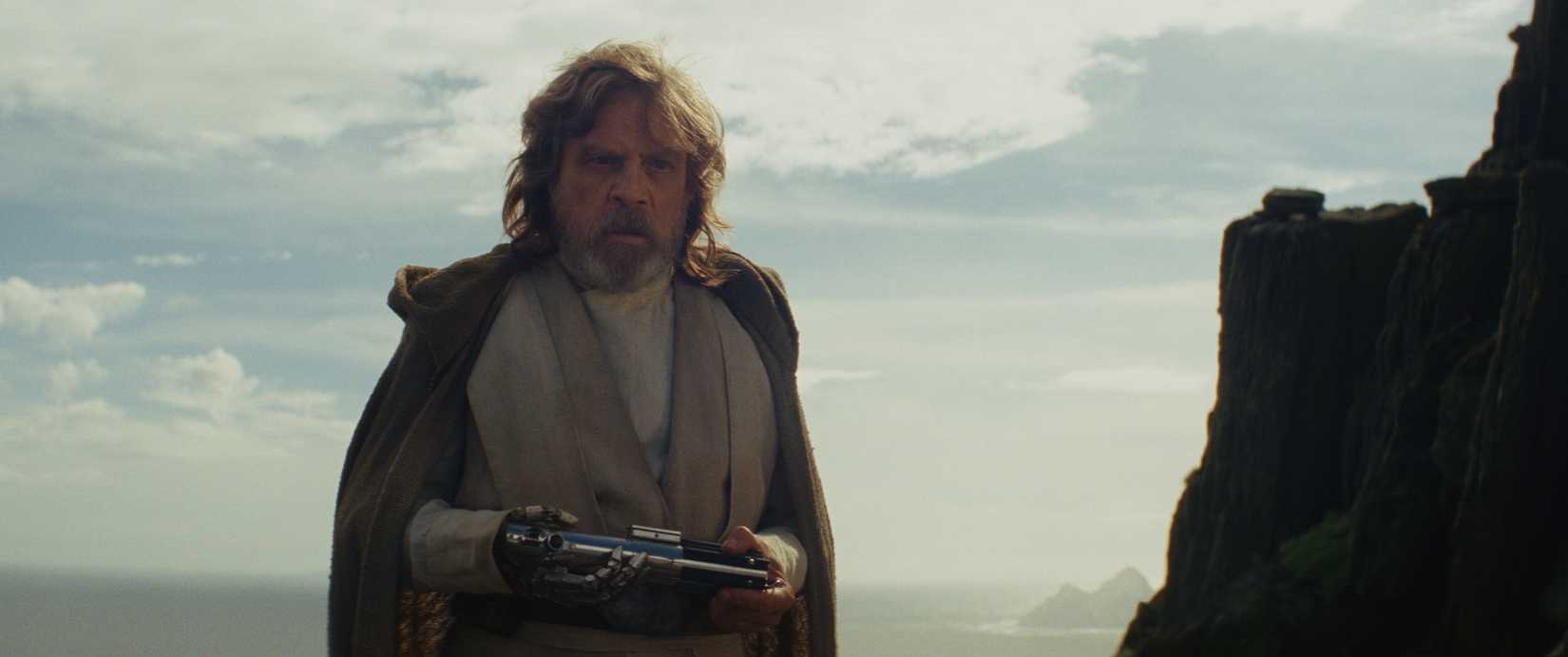
"When I first read the script, I said, ‘A Jedi would never give up,’" Hamill reflected in a retrospective featurette. "But Rian pushed me to see that Luke wasn’t giving up out of cowardice; he was doing it out of a misguided sense of profound responsibility. He thought he was protecting the galaxy from himself. And when he finally realizes his mistake—when he delivers that line to Leia—it’s pure redemption. It’s Luke stepping back into the light not as a warrior, but as a teacher, a brother, and a friend."
Future Outlook: The Enduring Legacy of Skywalker’s Philosophy
As Lucasfilm continues to expand the Star Wars timeline through upcoming feature films—such as Sharmeen Obaid-Chinoy’s upcoming New Jedi Order film focusing on Rey rebuilding the institution—the philosophical blueprint laid down by Luke in The Last Jedi will undoubtedly continue to cast a long shadow.
The phrase "No one’s ever really gone" has transcended its cinematic origins to become a meta-textual mission statement for the franchise itself. In a universe where characters can return as Force ghosts, where archival footage and digital artistry resurrect beloved actors, and where narrative threads are constantly revisited across decades of storytelling, the line serves as a comforting reassurance to the audience: the past of Star Wars is never truly dead, and its legends will always find a way to echo forward.
Ultimately, whether viewed through the lens of spiritual transcendence in the Force, familial forgiveness, or the cyclical nature of myth-making, Luke Skywalker’s quiet moment of reassurance to his sister stands tall. It strips away the laser swords, the epic space battles, and the cosmic wars, leaving behind something far more enduring—a reminder that empathy, hope, and love are the true powers that hold the galaxy together.