Executive Overview
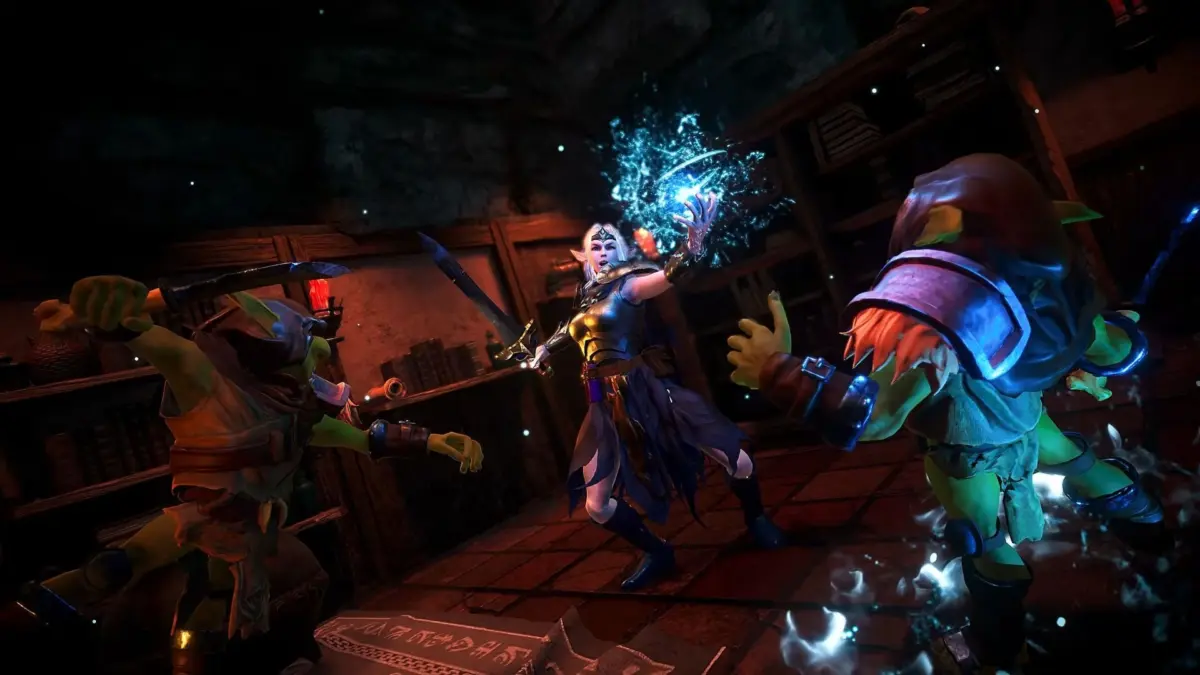
The legendary world of dungeon crawling is making a triumphant leap from tabletop to monitor screens. Avalon Hill’s deluxe, modern-day rerelease of the timeless fantasy board game HeroQuest is officially being adapted into a video game. Titled HeroQuest: Digital Edition, the project is being developed by Nomad Games, a studio renowned for its faithful and polished adaptations of tabletop classics such as Talisman, Love Letter, and Fury of Dracula.
Announced via an official trailer, the digital adaptation promises to capture the quintessential fantasy tropes that made the 1989 original a cultural touchstone: goblin-bashing, trap-disarming, treasure-hunting, and spell-casting. Designed to appeal to both nostalgic veterans and a new generation of tactical gamers, HeroQuest: Digital Edition bridges the gap between physical board gaming and modern digital convenience.
The title will feature robust single-player capabilities—where artificial intelligence takes on the mantle of the Evil Wizard and his minions—alongside comprehensive online multiplayer. Up to four players can band together as the heroic party, while a fifth player has the option to step into the boots of the villainous overlord, Zargon. (True to the modern Avalon Hill revival, the game is modeled after the North American release, retaining the iconic name Zargon rather than the UK’s Morcar.)
Perhaps the most exciting development for the community is the inclusion of an in-game quest editor. Backed by seamless mod.io integration, this tool will allow architects of the arcane to build, share, and download custom maps and harrowing missions directly within the ecosystem.
While the official launch on Steam is slated for 2027, eager adventurers won’t have to wait that long to test their mettle; a closed beta playtest is scheduled to arrive in the near future. As the industry watches closely, this digital revival promises to answer whether classic roll-and-move mechanics can successfully thrive in the modern era of PC gaming.
Detailed Chronology
The Legacy of a Tabletop Titan
To understand the significance of HeroQuest: Digital Edition, one must first examine the rich history of the franchise. Originally launched in 1989 as a collaborative effort between Milton Bradley and Games Workshop, HeroQuest became an instant phenomenon. It served as a gateway drug to tabletop role-playing games and complex dungeon crawlers for millions of children and teenagers worldwide. Its chunky plastic miniatures, cardboard furniture, and atmospheric game board captured the imagination of an entire generation.
However, complex licensing disputes between Games Workshop and Hasbro eventually pushed the game out of print, turning physical copies into coveted collector’s items traded at exorbitant prices on the secondary market.
The Tabletop Revival
The tide turned significantly when Avalon Hill (a subsidiary of Hasbro) launched a massively successful Crowdfunding campaign in 2020 to bring HeroQuest back to life. This deluxe rerelease modernized the components while preserving the beloved core gameplay loop. Following the core box’s success, Avalon Hill continued to expand the product line, releasing expansions like Karak Varn, Return of the Witch Lord, and introducing streamlined entry points such as HeroQuest First Light.
The Transition to Code
With the physical board game successfully revitalized, the natural next step for Hasbro and Avalon Hill was to bring the franchise to the digital realm. Enter Nomad Games. Known for translating complex rulesets, cards, and dice mechanics into digital interfaces without losing the physical board game feel, Nomad Games was handpicked to spearhead the project.
The announcement trailer dropped alongside the reveal of a dedicated Steam store page. The timeline moving forward is clear: a closed beta playtest is on the horizon, allowing early adopters to test the digital mechanics, with a full commercial release planned for 2027.
Supporting Context & Metrics
Gameplay Mechanics: Faithful Adaptation Meets Modern Quality of Life
HeroQuest: Digital Edition is fundamentally designed to replicate the tactile joy of rolling dice and moving miniature figures across a gridded board. Players can choose from the classic quartet of heroes:
- The Barbarian: A powerhouse in melee combat, relying on raw strength and a broadsword to cleave through hordes of greenskins.
- The Dwarf: A master of stonecraft, uniquely skilled at disarming deadly mechanical traps that threaten the party’s health.
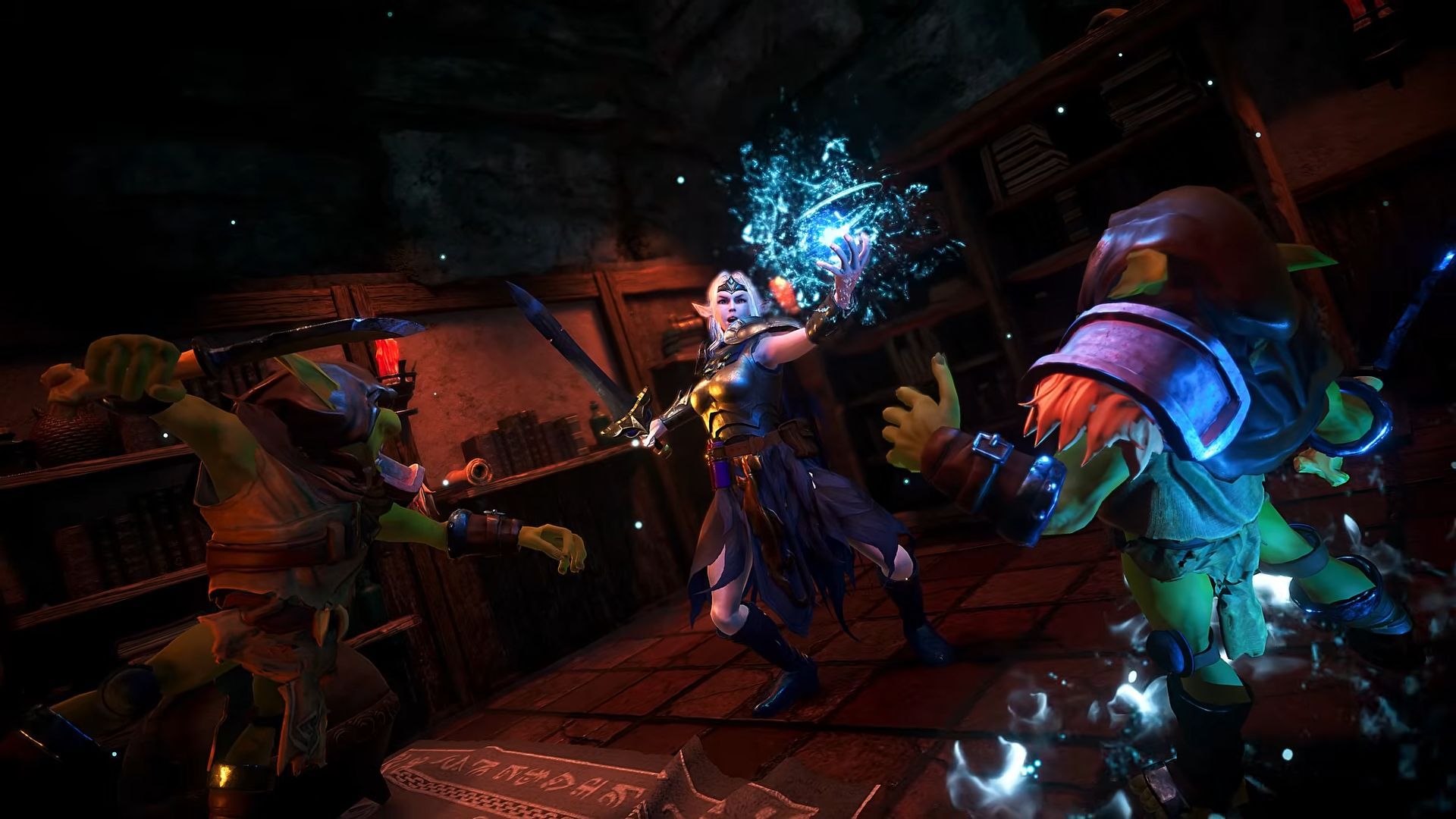
- The Elf: A versatile hybrid capable of wielding both sharp blades and supportive elemental magic.
- The Wizard: A fragile scholar of the arcane who possesses devastating offensive and defensive spells, though vulnerable if caught in direct combat.
However, digital adaptations of board games frequently grapple with pacing issues. In physical tabletop sessions, rolling two six-sided dice (2d6) to determine movement adds a layer of suspense. When applied to a video game—especially when heroes must backtrack through a cleared dungeon to reach the exit—this mechanic can quickly devolve into a tedious chore.
Fans are actively hoping that Nomad Games will incorporate quality-of-life rules introduced in recent physical iterations like HeroQuest First Light. Specifically, the ability to forgo dice rolls and simply move a flat eight squares per turn when no monsters remain on the board would drastically streamline traversal and improve the game’s overall pacing.
Multiplayer Architecture & Community Tools
The digital edition aims to cater to multiple playstyles through its flexible architecture:
- Solo Campaign: Players can journey through the dungeons alone, with the computer acting as the Game Master (Zargon), orchestrating monster spawns, traps, and secret doors.
- Cooperative Online Multiplayer: Up to four friends can team up online to tackle quests together.
- Asymmetric Multiplayer: A fifth player can take control of Zargon, actively plotting against their friends, deploying wandering monsters, and triggering cave-ins in real-time.
The Power of User-Generated Content
Perhaps the most robust feature announced is the Quest Editor. Long-term survival for digital board games heavily relies on community engagement and content longevity. By providing players with an intuitive map-creation tool and integrating mod.io, Nomad Games is laying the groundwork for an infinite dungeon engine. Players will not only be able to craft their own multi-tiered campaigns, intricate trap mazes, and custom boss encounters, but they will also be able to upload and download them with a single click, ensuring that the community can generate content long after the official developer-led expansions conclude.
Official Statements & Industry Reception
While formal press conferences regarding the game have been limited to initial trailer drops and store page descriptions, the partnership between Avalon Hill and Nomad Games has generated considerable buzz across both the tabletop and video game press.
Industry analysts note that Hasbro has been increasingly aggressive in licensing its powerhouse intellectual properties to digital developers, seeking to capture revenue from PC and console markets where board game cafes and physical hobby shops cannot reach. Nomad Games, having successfully navigated digital adaptations for over a decade, is viewed as a safe, highly competent pair of hands for the project.
Early reactions from the HeroQuest fan community—particularly within Reddit communities, BoardGameGeek forums, and PC gaming spaces—have been overwhelmingly positive, though tempered with cautious curiosity. Veterans of the 1989 original are eager to see how closely the digital UI mimics the physical components, while younger digital-native gamers are expressing excitement over the prospect of an accessible, cooperative dungeon crawler with native mod support.
Future Outlook
As the industry looks ahead to the 2027 release window, HeroQuest: Digital Edition stands poised to carve out a unique niche in the PC gaming landscape. It occupies a sweet spot between nostalgic tabletop recreation and modern tactical RPG.
What to Watch For:
- The Closed Beta: The upcoming playtest will be the ultimate litmus test for Nomad Games. Feedback from beta testers regarding movement speed, user interface design, and multiplayer stability will dictate the final polish of the product.
- Expansion Potential: Given Avalon Hill’s extensive catalog of physical expansions (such as Against the Ogre Horde and Witchlord’s Return), the digital edition has a clear roadmap for post-launch DLC content if the base game achieves commercial success.
- Cross-Platform Potential: While currently announced exclusively for Steam, successful digital board game adaptations frequently find their way to mobile devices and consoles (Nintendo Switch, PlayStation, Xbox). Should the Steam launch resonate with players, expansion to other platforms remains a logical next step.
For now, polish your broadswords, study your spell scrolls, and prepare your parties. The dungeons of Zargon are opening once again—and this time, you don’t even need to pack away the plastic miniatures when you’re done.