
Executive Overview
In an era characterized by relentless modernization, high-definition remasters, and full-scale remakes, the video game industry often treats its past as a construction site—a quarry of older intellectual properties ripe for structural reinvention. Modern hardware allows developers to resurrect decades-old codebases with photorealistic lighting, fully orchestrated scores, and fluid physics engines. Yet, this push toward contemporary aesthetic parity risks overlooking a fundamental truth of interactive entertainment: some creations achieve an equilibrium of design that transcends technological generations.
Certain classic video games are not merely historical milestones; they are complete artistic statements. They do not suffer from the passage of time. Instead, they stand as self-contained blueprints of mechanical ingenuity, pacing, and visual clarity.
This retrospective examines five foundational Nintendo titles—Super Mario World, The Legend of Zelda: A Link to the Past, Super Mario Kart, Super Mario Bros. 3, and Super Metroid—that refuse to age. Rather than calling for lavish multi-million-dollar modernizations, this analysis argues that these masterpieces should simply remain accessible across modern hardware platforms, preserved in their pristine, original state. Their fundamental mechanics, level designs, and atmospheres remain so robust that any attempt to remake them would risk diluting the purity of their execution.

Detailed Chronology: The Golden Era of Nintendo’s 8-Bit and 16-Bit Dominance
To understand why these five titles resist obsolescence, one must trace the rapid technological and design evolution that occurred within Nintendo’s internal development studios between the late 1980s and the mid-1990s. This period marked a transition from restricted hardware limitations to expansive, expressive processing power.
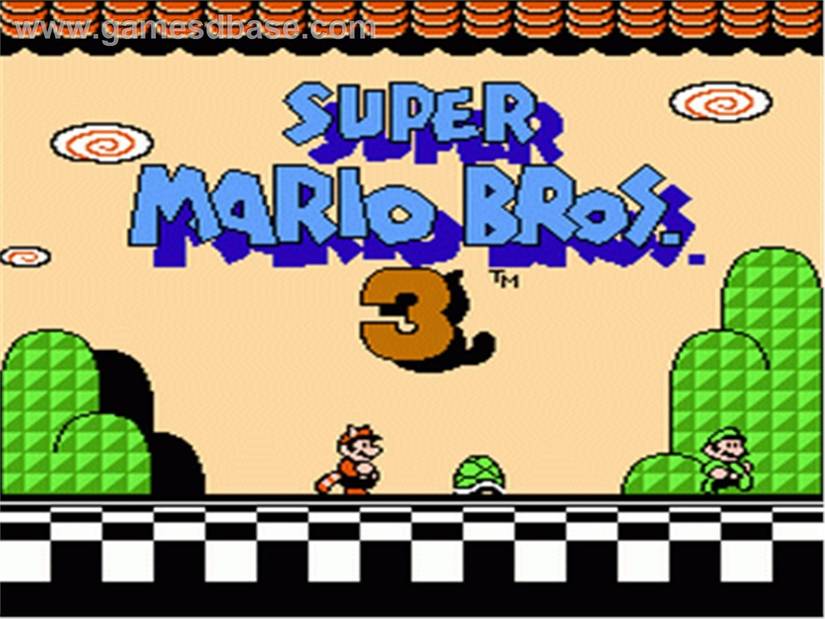
1. Super Mario Bros. 3 (Release Date: October 23, 1988)
Arriving late in the lifecycle of the Nintendo Entertainment System (NES), Super Mario Bros. 3 pushed an 8-bit console far beyond its intended architectural boundaries. Creators Shigeru Miyamoto and Takashi Tezuka reimagined the Mushroom Kingdom not as a simple string of linear levels, but as a sprawling theatrical stage complete with opening curtains, diverse geographical worlds (from icy tundras to desert dunes), and an overworld map packed with secrets and mini-games. The introduction of dynamic power-ups, such as the Super Leaf and the Tanooki Suit, fundamentally changed spatial navigation, turning platforming into a dance of momentum and vertical exploration.
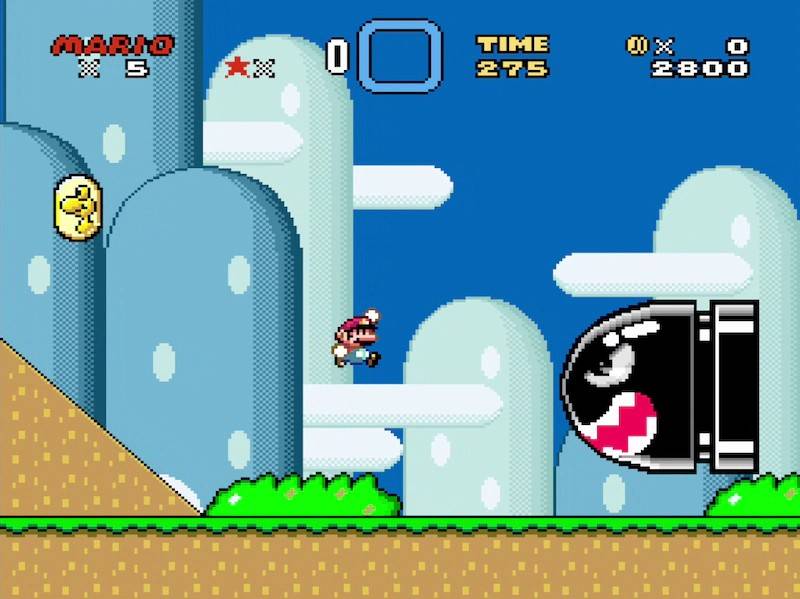
2. Super Mario World (Release Date: November 21, 1990)
Serving as the flagship pack-in title for the Super Nintendo Entertainment System (SNES), Super Mario World was designed to showcase the new 16-bit hardware capabilities. Utilizing advanced sprite-scaling, rich color palettes, and fluid parallax scrolling, Nintendo EAD crafted Dinosaur Land. The game introduced Yoshi—a dinosaur companion with unique traversal and combat mechanics—alongside an intricate web of hidden exits, secret levels (Star Road, Special Zone), and refined camera controls that gave players unprecedented foresight into upcoming hazards.

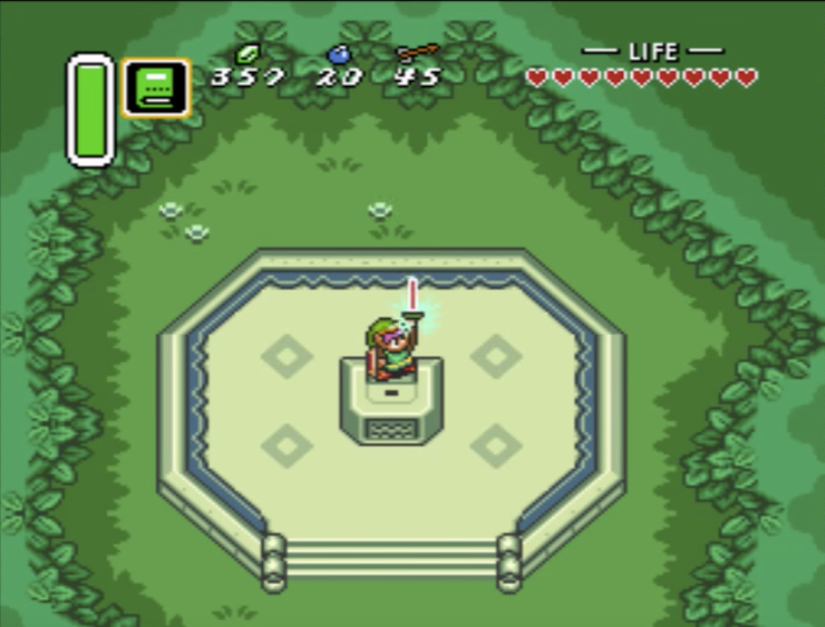
3. The Legend of Zelda: A Link to the Past (Release Date: November 21, 1991)
After experimenting with side-scrolling mechanics in Zelda II: The Adventure of Link, Nintendo returned to the top-down perspective with A Link to the Past, expanding it into an epic, dual-world odyssey. Opening with an unforgettable rainy night in a besieged Hyrule Castle, the game established a cinematic atmosphere driven entirely by 16-bit sprite animation. The inclusion of the Light and Dark Worlds doubled the physical geography of the game, while its labyrinthine dungeons required multi-layered spatial reasoning, vertical elevation puzzles, and strategic item usage that set the gold standard for action-adventure game design.
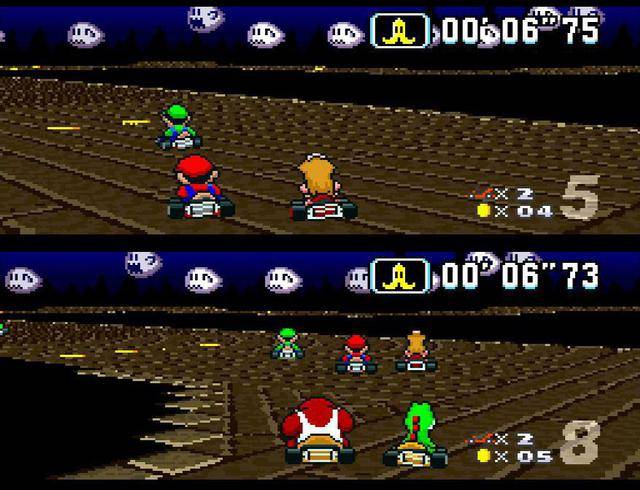
4. Super Mario Kart (Release Date: August 27, 1992)
Pioneering the kart-racing genre on the SNES, Super Mario Kart established a cultural phenomenon that persists over three decades later. Utilizing Mode 7 graphics to simulate pseudo-3D environments on a 2D console, the title distinguished characters through authentic physics profiles. Heavyweights like Donkey Kong Jr. and Bowser possessed immense top-speed momentum but sluggish handling, while lightweight racers like Koopa Troopa and Toad could slice through tight hairpins with surgical precision. By focusing on razor-thin driving margins and localized multiplayer competition, it created a timeless blueprint for competitive party racing.
5. Super Metroid (Release Date: March 19, 1994)
Closing out this golden era, Super Metroid transformed planet Zebes into an atmospheric, suffocating, and deeply immersive biome. Eschewing explicit exposition, the game relied on environmental storytelling, an unforgettable ambient soundtrack, and non-linear exploration. Every ability acquired by bounty hunter Samus Aran—from the Morph Ball to the Grapple Beam—acted as both a tool for combat and a key to unlock previously impassable terrain. Its level design remains an unyielding masterclass in pacing, tension, and player empowerment.
Supporting Context & Metrics: Why Simplicity Outlives Fidelity
The longevity of these five titles offers a vital lesson for contemporary game development: graphical fidelity is ephemeral, but mechanical design is permanent.
| Game Title | Original Platform | Core Innovation | Why It Defies Obsolescence |
|---|---|---|---|
| Super Mario Bros. 3 | NES (1988) | World map structure & momentum-based flight | Perfected 2D platforming physics; unmatched level variety. |
| Super Mario World | SNES (1990) | 16-bit hardware showcase & companion mechanics | Fluid traversal, sprawling secret paths, and timeless sprite art. |
| The Legend of Zelda: A Link to the Past | SNES (1991) | Dual-world mechanic & multi-layered dungeons | Environmental depth and complex spatial puzzles that require true strategy. |
| Super Mario Kart | SNES (1992) | Pseudo-3D Mode 7 racing & distinct vehicle physics | Pure, skill-based driving mechanics untainted by excessive modern rubber-banding items. |
| Super Metroid | SNES (1994) | Atmospheric isolation & non-linear progression | Masterful pacing, haunting audio design, and peerless environmental storytelling. |
Modern high-budget productions frequently lean on hyper-realistic graphics, motion-captured performances, and cinematic interludes. While these elements offer powerful cinematic experiences, they also tie a game to the visual standards of its specific release year. Photorealism ages rapidly; what looks cutting-edge today can appear stiff and uncanny within a decade.
Conversely, pixel art and crisp 16-bit sprite work operate in an abstracted visual language. They invite the player’s imagination to fill in the atmospheric gaps. When Mario swings his tail to glide across a chasm in Super Mario Bros. 3, or when Samus Aran steps out of her ship onto the desolate surface of Zebes in Super Metroid, the visual economy conveys everything necessary for emotional and mechanical engagement. Remaking these titles in 3D would not inherently improve them; in many cases, it would strip away the precise, frame-by-frame readability that makes their gameplay loops so addictive and satisfying.
Official Statements and Industry Perspective
Nintendo’s overarching philosophy regarding its classic library has evolved alongside its digital distribution services, moving from virtual console storefronts to the curated subscription libraries of Nintendo Switch Online. Executives and legendary developers alike have frequently emphasized that the integrity of original code is paramount to understanding the evolution of interactive media.
While Nintendo frequently introduces modern reimagining’s—such as The Legend of Zelda: Link’s Awakening on the Nintendo Switch—company leadership has maintained a cautious reverence for foundational masterpieces. In past interviews discussing game preservation, veteran designers have noted that the constraints of early hardware forced a level of creative focus that is difficult to replicate when processing power is virtually infinite.
Industry analysts and preservation advocates frequently echo this sentiment, pointing out that retro-accessible platforms act as digital museums. When a player boots up Super Mario World or Super Metroid via modern subscription services without artificial alterations or mandatory remakes, they are experiencing interactive history exactly as it was forged. The absence of modern quality-of-life crutches—such as excessive checkpointing or intrusive tutorial prompts—forces players to engage intellectually with the game systems, fostering a deeper sense of accomplishment.
Future Outlook: Preservation Over Reinvention
As the gaming industry looks toward future hardware cycles—including anticipated successor consoles and advanced streaming ecosystems—the debate between preservation and reinvention will only intensify. Publishers face constant financial incentives to repackage nostalgic properties as high-priced contemporary remakes.
However, the enduring popularity of speedrunning communities, retro tournaments, and digital archives proves that audiences do not demand total graphical overhauls to enjoy classic art. What players truly desire is availability, stability, and respect for the original works.
Nintendo’s primary responsibility toward Super Mario World, A Link to the Past, Super Mario Kart, Super Mario Bros. 3, and Super Metroid is not to rebuild them from the ground up with modern engines, but to ensure they remain playable, responsive, and legally accessible across every new generation of hardware.
These five masterpieces are complete. They are balanced. They are beautifully designed artifacts of human creativity that require no digital restoration, no polymer polish, and no modern reinvention. They are fine exactly as they are—and the best thing Nintendo can do is simply leave them untouched, while keeping the door wide open for new generations to discover their timeless brilliance.