Executive Overview
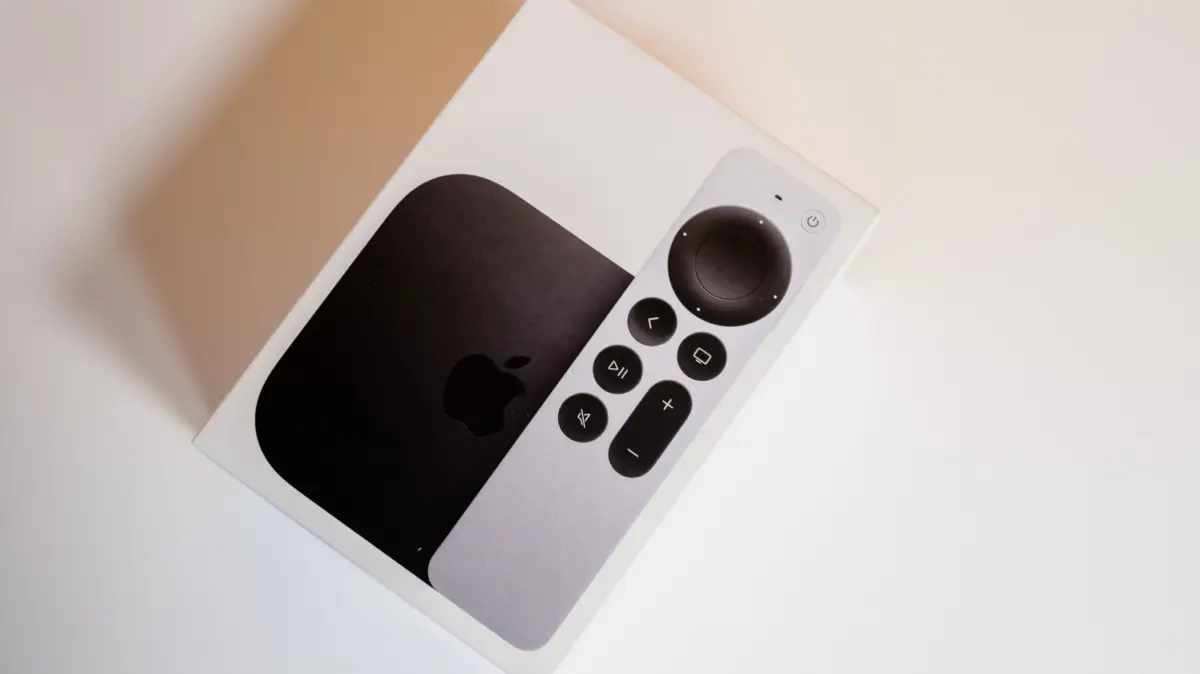
When Apple introduced the fourth-generation Apple TV 4K at a starting price of $299, it sent ripples through the consumer electronics market. For a compact black box designed primarily to sit quietly beneath a television and stream digital media, the price tag commands attention. Equipped with a cutting-edge A19 chip, an updated Siri Remote, and built-in microphones for hands-free Siri controls, the device represents the bleeding edge of home entertainment hardware. However, this premium price naturally forces a pragmatic question among prospective buyers: How many years of functional life and software updates can consumers realistically expect before the next upgrade cycle beckons?
Unlike some competitors in the streaming space—most notably Amazon, which explicitly promises minimum windows for software and security support—Apple does not formally guarantee a fixed timeline for tvOS updates or hardware lifecycle management. Cupertino operates under a policy of silence regarding future-proof timelines, leaving consumers to decode corporate patterns rather than read official roadmaps.
Yet, Apple’s historical track record offers a surprisingly consistent window into the future of its streaming hardware. Older Apple TV iterations have historically enjoyed up to a decade of major software updates, followed by intermittent security patches. While the physical hardware frequently outlives its software support cycle, the ultimate catalyst for replacement is rarely catastrophic hardware failure. Instead, it is the creeping obsolescence of app compatibility, shifting developer requirements, and evolving smart home integration demands that ultimately push consumers toward an upgrade. This deep-dive investigation examines Apple’s historical update cadence, contrasts it with industry competitors, evaluates the practical lifespan of legacy devices, and provides a framework for deciding when an upgrade is truly justified.
Detailed Chronology: Apple TV Software Support History
To project the lifespan of the latest Apple TV 4K, one must first examine the historical longevity of its predecessors. Apple’s long-term commitment to tvOS support has long been one of the industry’s gold standards, frequently outstripping the support lifecycles offered by competing Android TV boxes, Roku devices, and even smart television operating systems.
The Decadal Milestone: Apple TV HD (2015) and 1st-Gen Apple TV 4K (2017)
The Apple TV HD made its debut in October 2015, marking a monumental shift for the platform by introducing the App Store and a dedicated operating system, tvOS. Two years later, in September 2017, Apple released its maiden 4K-capable streaming box, powered by the A10X Fusion chip.
Remarkably, both of these legacy devices defied conventional consumer electronics obsolescence curves. Year after year, Apple continued to roll out major tvOS updates to both units. In 2025, remarkably, both the 2015 Apple TV HD and the 2017 Apple TV 4K were cleared to receive tvOS 26. Even more impressive was the continuation of security back-ports, highlighted by the release of tvOS 26.6 in July 2026.
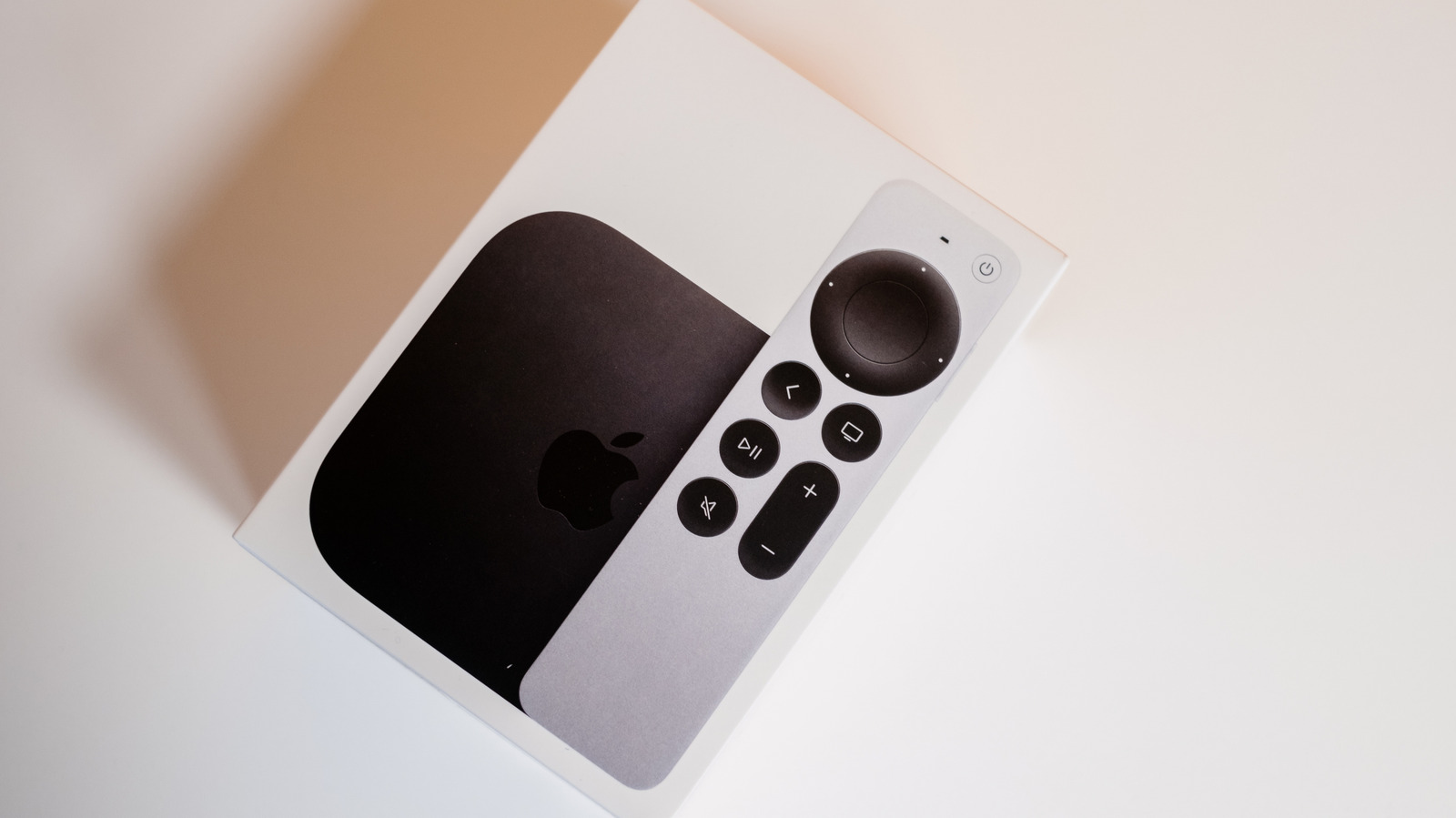
This translates to an astonishing 10 years of major software updates for the 2015 Apple TV HD and eight years for the original 4K model, supplemented by critical security patches. For a consumer electronics purchase, a decade of frontline software support is virtually unheard of outside of professional enterprise hardware.
The Watershed Moment: The Arrival of tvOS 27
All good things, however, must eventually come to an end. The historic support streak for the 2015 and 2017 models officially concluded in September 2026 with the rollout of tvOS 27.
A review of Apple’s official tvOS compatibility guidelines for version 27 reveals that the support ledger now begins exclusively with the second-generation Apple TV 4K, released in 2021. Consequently, the Apple TV HD and the original 2017 Apple TV 4K have been officially sidelined from receiving the latest annual platform overhaul.
As of late 2026, Apple has remained tight-lipped regarding whether these older, unsupported boxes will continue to receive intermittent security patches or critical vulnerability mitigations, leaving their ultimate post-support security posture in a gray zone. This pivotal cut-off serves as an essential reminder for buyers of the brand-new $299 model: historical precedent strongly suggests long-term viability, but it offers zero contractual guarantees.
Supporting Context & Metrics: Apple vs. The Streaming Industry
Evaluating the value proposition of a $299 streaming box requires looking beyond Apple’s ecosystem and examining how competing hardware manufacturers approach product lifecycles and software support windows.
| Streaming Platform / Brand | Typical Hardware Cost | Average Major OS Support Window | Explicit Minimum Support Guarantee | Primary Obsolescence Driver |
|---|---|---|---|---|
| Apple TV 4K (Latest Generation) | $299 | ~8 to 10 years (Historical estimate) | None | Third-party app minimum requirements / App Store policies |
| Amazon Fire TV (New Direct Purchases) | $30 – $130 | 3 to 5 years | Yes (At least 4 years of security updates from purchase) | Processor throttling, UI bloat, and ad integration |
| Roku Streaming Players | $30 – $100 | 4 to 7 years | None (Varies widely by model tier) | Dropped channel/app support and memory constraints |
| Google TV / Chromecast Devices | $20 – $100 | 3 to 5 years | Varies by manufacturer (Google promises 5–7 years for Pixel tablets/phones, less for TV dongles) | Storage limitations and heavy OS resource demands |
The Competitive Landscape: Amazon’s Transparent Guarantees
While Apple relies entirely on its implicit reputation for longevity, competitors like Amazon have begun taking a more structured approach to consumer transparency. Amazon formally promises a minimum of four years of security updates for Fire TV devices bought new directly from the company (or through the model’s published end-of-support date, whichever is later).
While an explicit security guarantee does not automatically equate to receiving major operating system feature upgrades—fire TV users frequently find their aging hardware running modified, legacy versions of Fire OS—having a minimum support deadline explicitly stated in writing provides consumers with clear expectations. Apple, by contrast, offers no such safety net in writing, meaning buyers must trust the company’s unwritten historical patterns.
Official Statements & Ecosystem Realities
Apple’s official documentation regarding tvOS lifecycle management remains sparse. The company treats software support as a dynamic, hardware-dependent metric rather than a scheduled service contract. When asked about specific end-of-life timelines for the Apple TV lineup, Apple representatives consistently point to hardware capabilities, developer tools, and overarching ecosystem synergy as the guiding metrics for software distribution.
The Reality of Post-Support App Longevity
Losing eligibility for the latest annual tvOS upgrade does not instantly transform an older Apple TV into an expensive paperweight. Software obsolescence in the streaming sector is a graduated descent rather than a sudden cliff.
For instance, mainstream media consumption platforms like Netflix continue to fully support the Apple TV HD and the first-generation Apple TV 4K, even though both models are locked out of tvOS 27. However, this grace period is entirely dependent on third-party developers. As app makers adopt newer application programming interfaces (APIs) and raise their minimum software requirements to leverage advanced video codecs or UI frameworks, older devices inevitably reach a tipping point where installing or updating core streaming apps becomes impossible.
Performance Over Chronology
Industry analysts and hardware repair advocates suggest that consumers evaluate their streaming boxes through the lens of performance metrics rather than simple calendar age:
- Interface Responsus and Latency: When navigating the home screen or app switching begins to feel sluggish, stuttering, or painfully slow.
- Application Stability: Frequent unexpected app crashes, memory exhaustion errors, or failure to resume video streams smoothly.
- Ecosystem Integration: The degradation of AirPlay stability, smart home responsiveness, or multi-room audio synchronization.
- Security Vulnerabilities: Especially critical if the Apple TV is designated as a HomeKit or Matter smart home hub, running an unpatched operating system introduces potential network attack vectors into the household.
Future Outlook: Is the $299 Price Tag Justified?
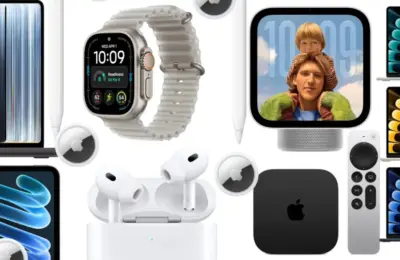
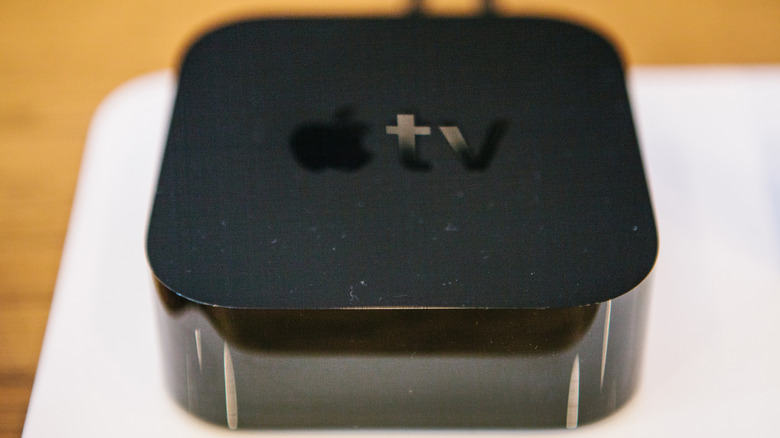
The introduction of the high-end Apple TV 4K at $299 complicates the upgrade calculus for many households. For users already deeply entrenched in the Apple ecosystem, the device serves multiple roles: a media consumption hub, a gaming platform via Apple Arcade, a Thread-enabled smart home router, and a spatial audio processing node.
Navigating the Apple Intelligence and Siri AI Dilemma
A major selling point for the latest hardware generation is the integration of advanced Siri AI features. However, Apple’s upcoming Siri AI beta features will also be backward-compatible with the second-generation Apple TV 4K (released in 2022) and newer variants—provided that the household’s designated Home administrator owns an Apple Intelligence-enabled iPhone or iPad. Consequently, consumers do not strictly need to purchase the newly released 2026 flagship box merely to access modern AI-driven voice capabilities if they already own a 2022-era 4K model.
The 2026 Apple TV 4K certainly justifies its existence through substantial under-the-hood enhancements. The inclusion of the ultra-responsive A19 processor and dedicated built-in microphones for hands-free voice control represent generational leaps over the 2022 hardware architecture. Yet, for users completely satisfied with the operational speed of their current Apple TV, a $299 investment is a steep financial hurdle.
The Siri Remote Factor
Another critical consideration in the overall cost of ownership is the hardware durability of the accessory people touch most: the Siri Remote. Frequently prone to disappearing between sofa cushions or sustaining accidental drops onto hard flooring, the remote has historically been a point of friction.
Fortunately, consumers facing a broken or lost remote do not need to discard or replace their entire streaming setup. Apple maintains broad backward compatibility; the latest Siri Remote works seamlessly across all Apple TV 4K generations and even reaches back to the 2015 Apple TV HD. Furthermore, for users who prefer a zero-cost temporary or permanent workaround, the iPhone functions natively as a fully featured Apple TV remote interface, eliminating the need to purchase a standalone replacement remote entirely.
Concluding Thoughts
Ultimately, purchasing a new Apple TV is an exercise in long-term amortization. While Apple declines to offer formal support guarantees, its historical precedent of delivering 8 to 10 years of major software updates suggests that investing in Apple’s premium streaming hardware yields an exceptionally durable lifecycle.
For owners of recent models (such as the 2021 or 2022 Apple TV 4K), upgrading to the $299 variant is an elective luxury rather than an immediate necessity. But for households transitioning from legacy HD boxes or first-generation 4K units that have finally hit the tvOS 27 support wall, investing in Apple’s latest hardware guarantees another extended window of seamless, secure, and cutting-edge home entertainment.