For most readers, classic literature functions as an academic checklist—a series of cultural milestones to be conquered during high school or undergraduate studies, only to be shelved permanently once the final term paper is submitted. We power through complex plots, highlight prominent thematic passages for examinations, and transition swiftly to contemporary releases.
However, this transactional approach to reading misses the core mechanics of enduring art. Great books rarely reveal their most profound tricks, structural masterstrokes, or intricate thematic architectures on an initial read-through. When the destination is already known—when the narrative arc, twists, and conclusions are no longer shrouded in mystery—the human brain stops racing ahead for answers. Instead, it begins to inspect the underlying machinery holding the work together.
Suddenly, an unreliable narrator’s sleight of hand becomes glaringly obvious, and a seemingly throwaway line in an early chapter hits with devastating emotional resonance in light of later developments. Whether reshaping our perspectives as we age or hiding masterclasses in foreshadowing in plain sight, certain foundational works offer exponential returns on investment. This report examines ten seminal texts that fundamentally transform upon a return trip, exploring the structural brilliance, psychological depth, and thematic staying power that make them perennial literary achievements.
Detailed Chronology of the Ten Essential Classics
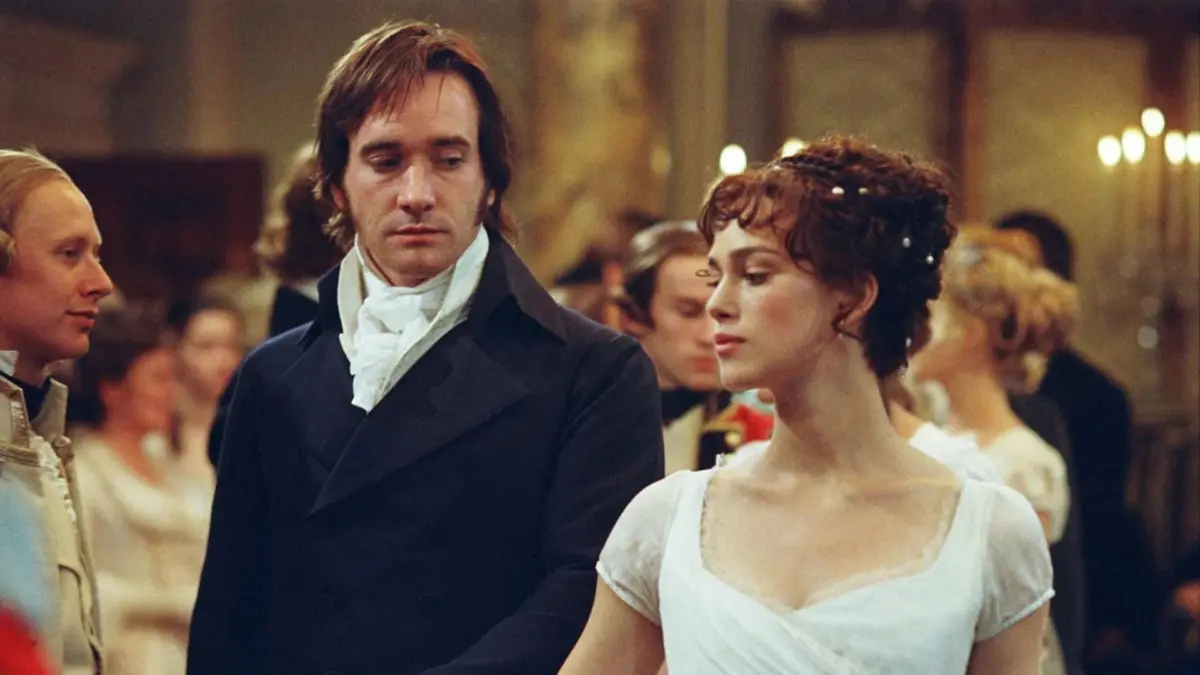
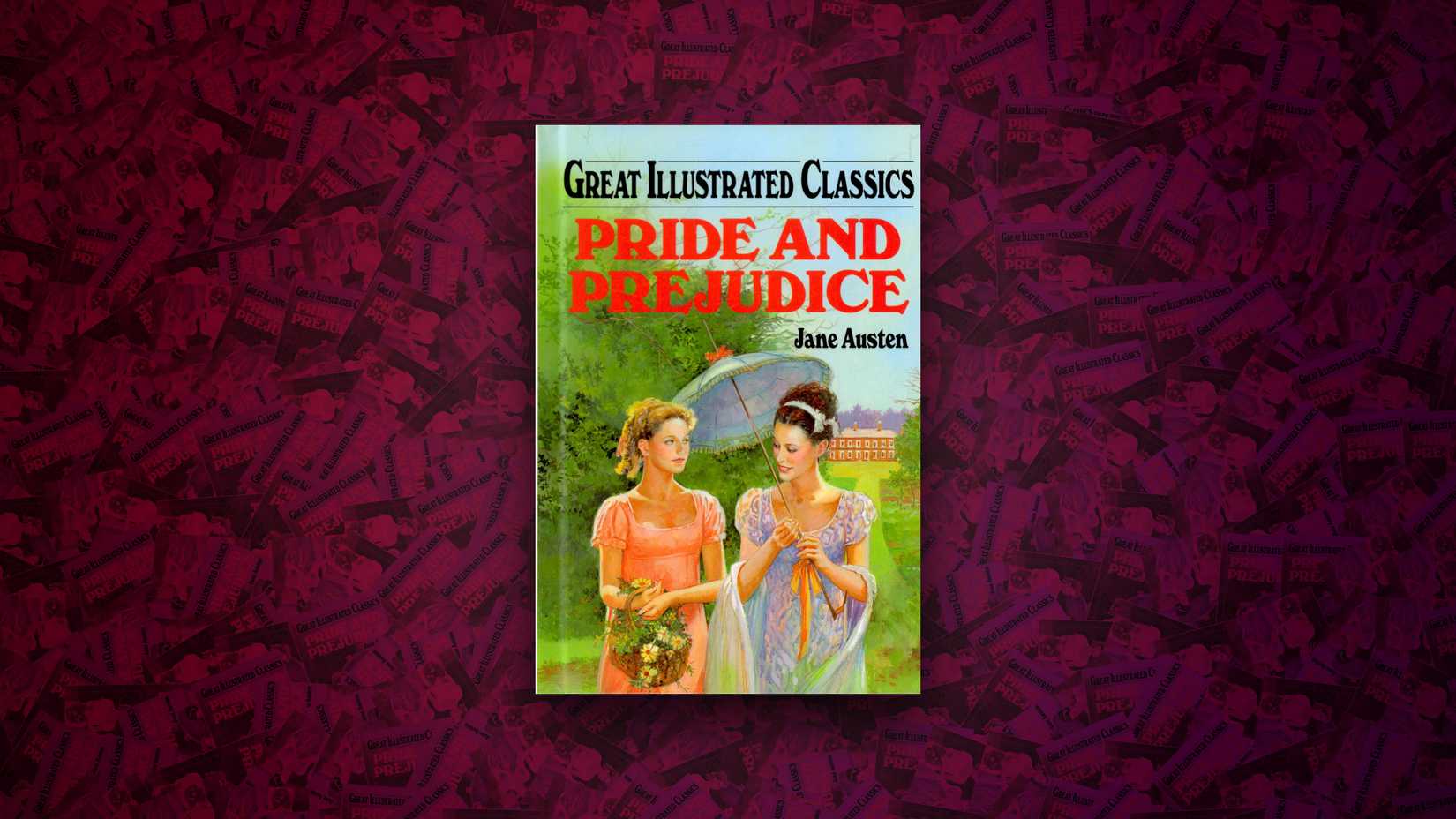
10. Pride and Prejudice (1813) by Jane Austen
Jane Austen’s Pride and Prejudice remains one of the most enduring romantic and satirical novels ever published, captivating readers more than two centuries after its debut. Set in rural Regency-era England, the story follows the sharp-witted Elizabeth Bennet as she navigates strict societal expectations while striving for a suitable marriage that does not demand the sacrifice of her personal independence. Her volatile, intellectually stimulating dynamic with the wealthy, aloof Mr. Darcy serves as the foundation for a blistering social satire that skewers class obsession and human bias.
The Reread Value: Much like a finely tuned dramatic comedy, the dialogue in Pride and Prejudice is razor-sharp. Austen’s observations regarding human vanity are remarkably timeless. Every reread reveals how subtly she signals Mr. Darcy’s early, consuming affection beneath layers of stiff manners and perceived arrogance. Experiencing Elizabeth’s stubborn miscalculations a second time transforms the narrative from a straightforward romance into a masterclass in psychological irony.
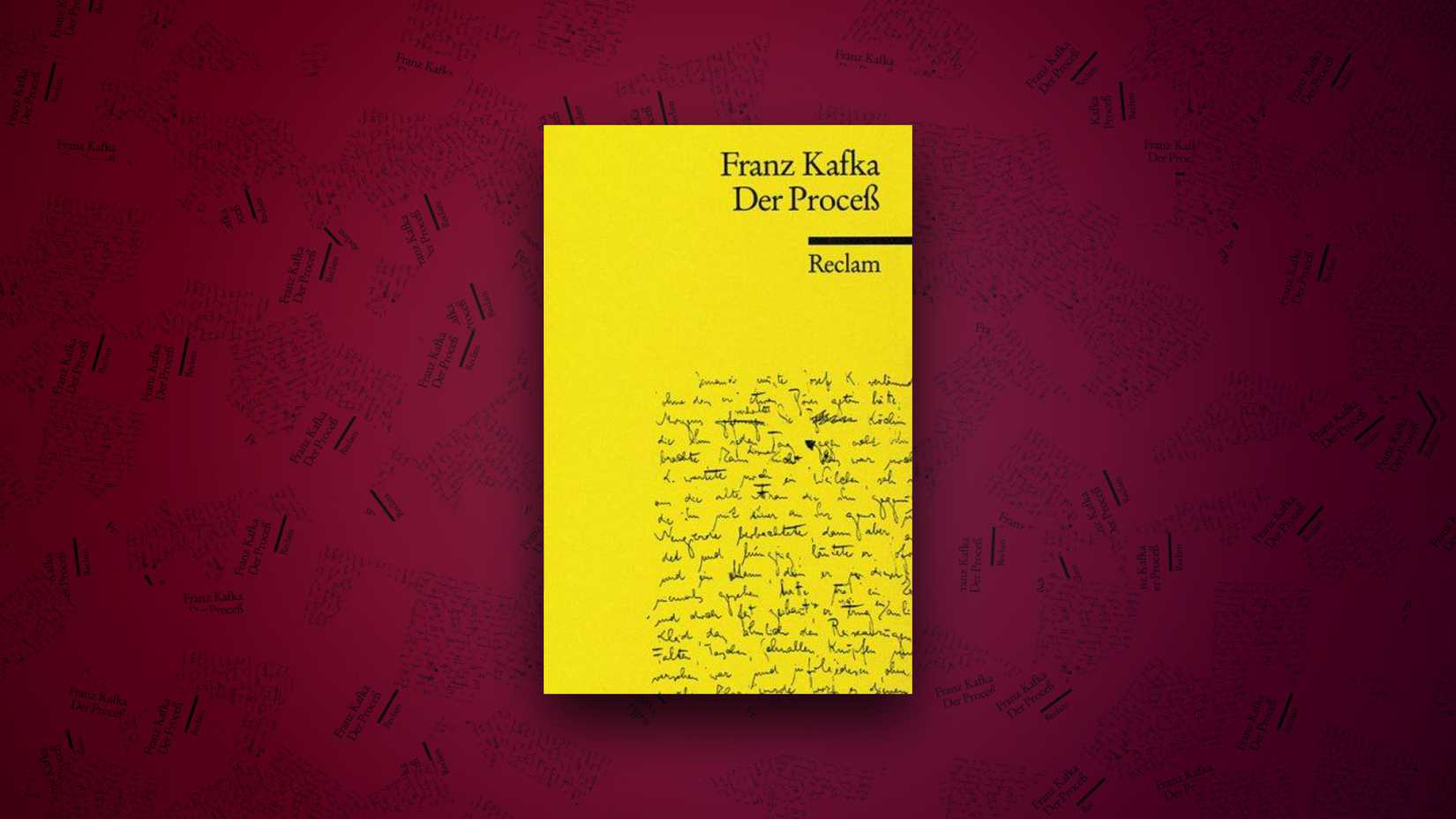
9. The Trial (1825) by Franz Kafka
Franz Kafka’s The Trial is a rare work of fiction that grows progressively more unsettling as a reader ages. The narrative follows Josef K., a respectable bank employee who is abruptly arrested by an inexplicable, omnipotent authority for an unstated crime. Confined to no traditional cell, Josef must navigate a labyrinthine, secretive court system whose administrative offices occupy cramped residential attics. He addresses unruly crowds at bizarre hearings and consults an ineffectual, bedridden lawyer named Herr Huld, making zero progress toward clearing his name.
The Reread Value: Kafka’s masterpiece stands as an uncompromising nightmare regarding institutional powerlessness and bureaucratic absurdity. Its themes have only amplified in modern relevance. A second read shifts the experience away from a futile search for logical plot explanations; instead, readers observe Josef as he slowly, agonizingly pieces together the irrational reality of the systems governing his life.
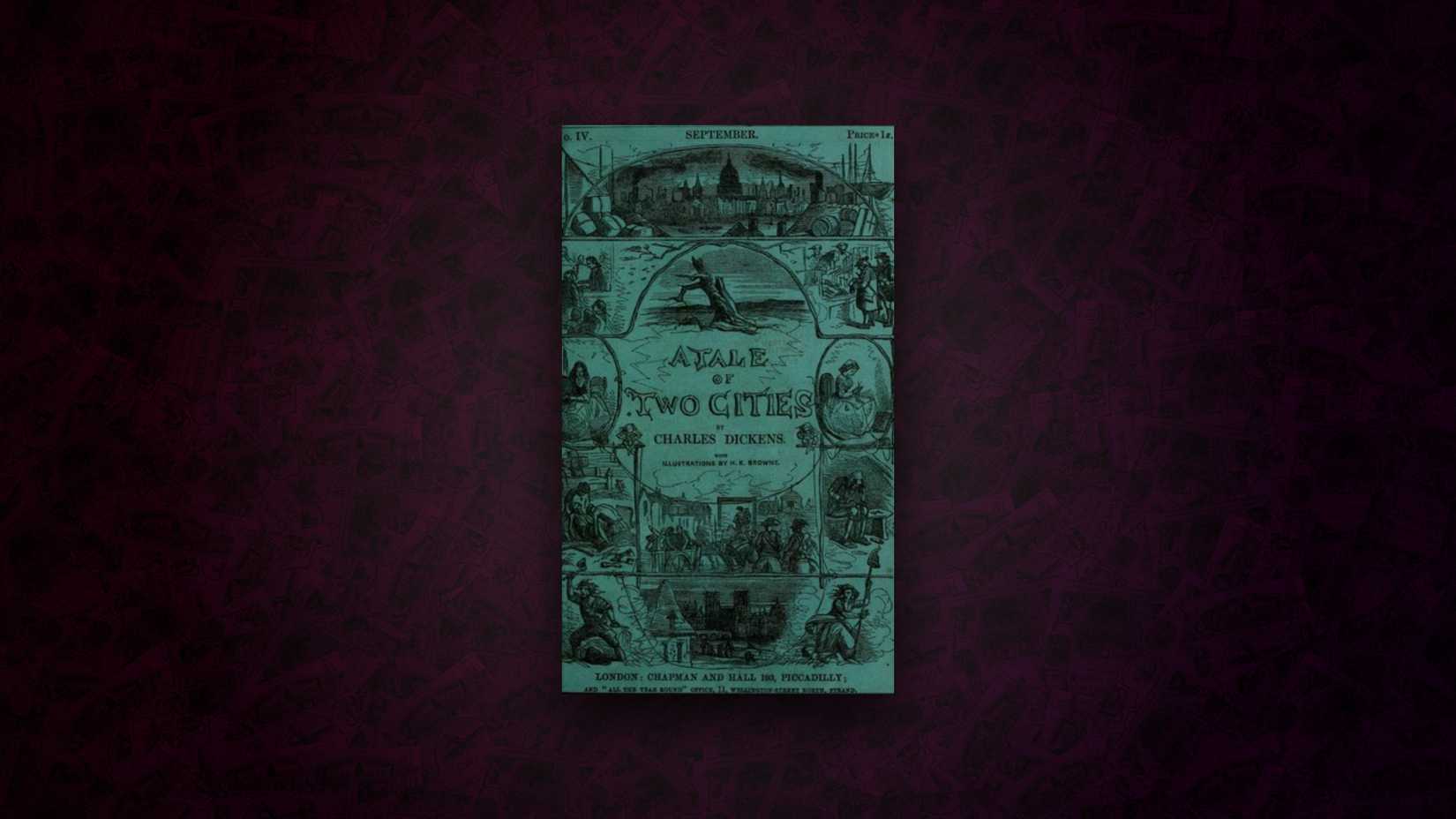
8. A Tale of Two Cities (1859) by Charles Dickens
Charles Dickens’ monumental historical drama unfolds against the violent backdrop of the French Revolution, contrasting the political upheaval of Paris with the fragile stability of London. At its core are Charles Darnay, a French aristocrat seeking to renounce his family’s brutal legacy, and Sydney Carton, a disillusioned, self-destructive English lawyer whose unrequited love for Darnay’s wife, Lucie, propels him toward an act of historic self-sacrifice.
The Reread Value: Dickens successfully balances macro-level societal chaos with microscopic human tragedy, building toward one of the most unforgettable conclusions in Western literature. Knowing the final destination fundamentally alters every preceding chapter. Sydney Carton’s early apathy, cynicism, and reckless drinking transform from mere character flaws into poignant, quiet clues regarding the extraordinary man he is destined to become.
7. Crime and Punishment (1866) by Fyodor Dostoevsky
Following an impoverished former student who subscribes to the dangerous philosophy that extraordinary individuals may commit atrocities for a greater good, Fyodor Dostoevsky’s Crime and Punishment is a harrowing psychological descent. Rodion Raskolnikov lives in the squalid slums of St. Petersburg, executing the murder of a pawnbroker to prove his supposed moral supremacy, only to be instantly consumed by crippling paranoia and the crushing weight of his own conscience.
The Reread Value: Dostoevsky borrows the pacing of a detective novel but subverts the traditional investigator-versus-killer dynamic, placing readers squarely inside the murderer’s fracturing mind. Without the frantic race to discover whether Raskolnikov will be caught by the investigator Porfiry Petrovich, readers can truly savor the intellectual cat-and-mouse games. Every feverish rationalization reads like a masterclass in self-sabotage.
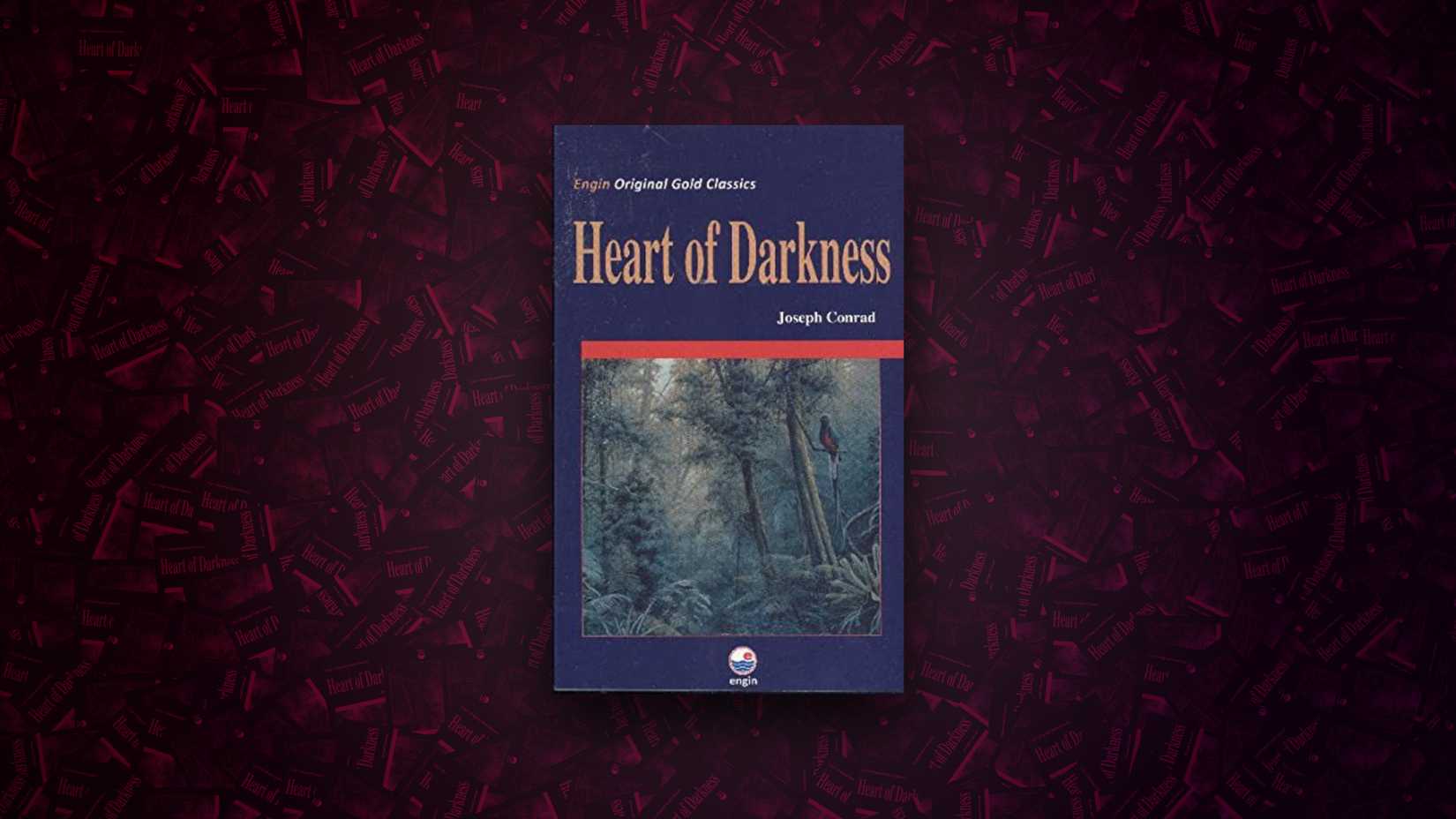
6. Heart of Darkness (1899) by Joseph Conrad
Joseph Conrad’s novella turns a routine riverboat expedition into a suffocating exploration of imperialist cruelty and human depravity. Charles Marlow, a British sailor, is hired to pilot a steamer up the Congo River to locate and retrieve Kurtz, a phenomenally successful ivory trader who has severed corporate ties to establish a brutal, remote personal kingdom.
The Reread Value: As Marlow pushes deeper into the jungle, the veneer of European civilization steadily dissolves, exposing unchecked greed and violence. On an initial pass, readers are easily swept up in the atmospheric prose and the overarching mystery of Kurtz. Rereading the text transforms Conrad’s fog-choked narrative into a precise trail of forensic evidence detailing Marlow’s own psychological complicity in the horrors he witnesses.
5. Siddhartha (1922) by Hermann Hesse
Set in ancient India, Hermann Hesse’s philosophical novel tracks the spiritual pilgrimage of Siddhartha, a young man of privileged Brahmin birth who abandons his home to seek ultimate enlightenment. His journey tests asceticism, material wealth, commercial success, and sensual love under the tutelage of various masters.
The Reread Value: Siddhartha ultimately discovers that wisdom cannot be taught through doctrine; it must be lived. On a repeat visit, the novel’s portrayal of personal growth resonates deeply because it frames spiritual evolution as messy and non-linear. Hesse demonstrates that true wisdom requires stumbling through failure, hubris, and worldly temptation before one can recognize what truly matters.
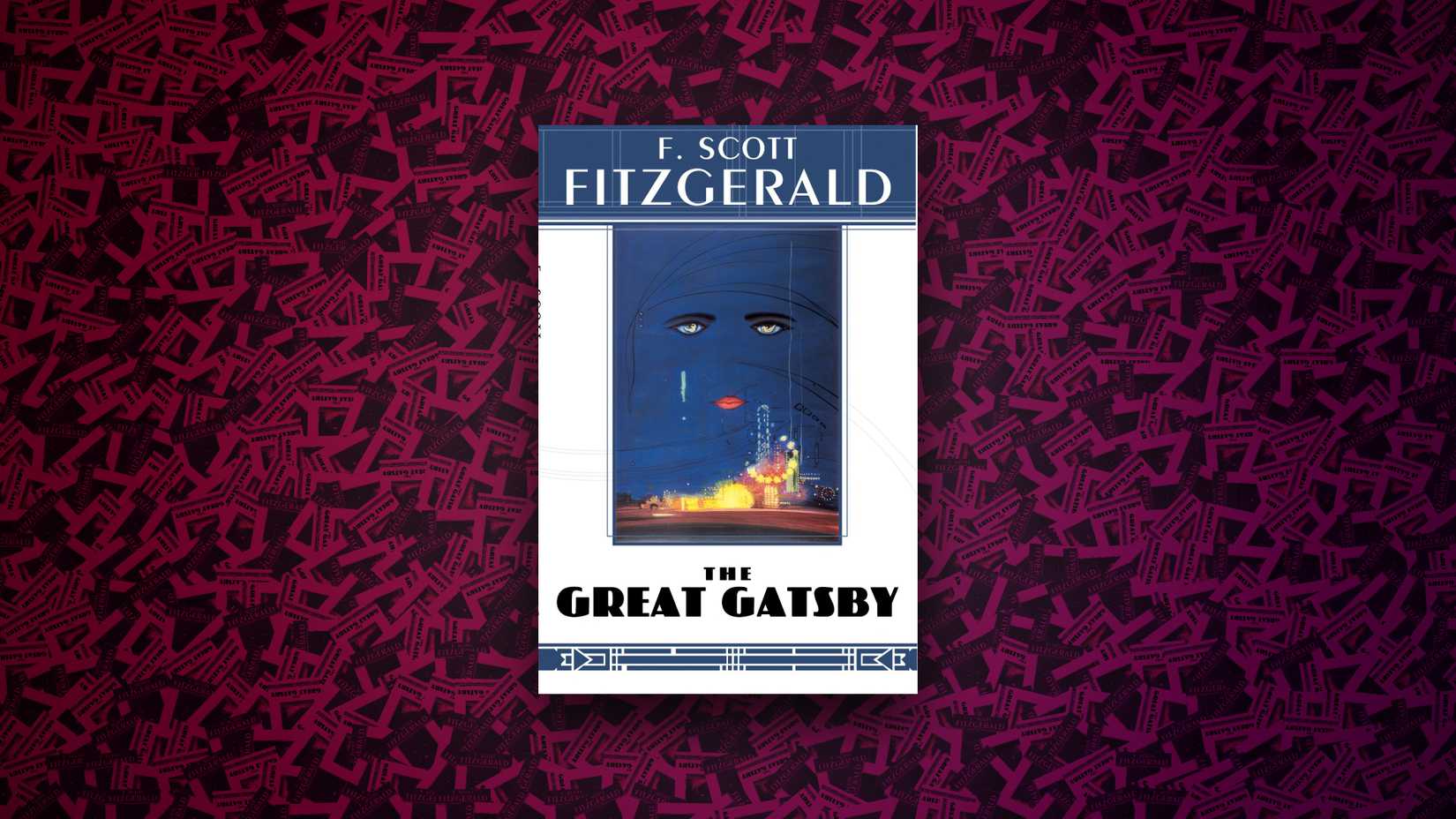
4. The Great Gatsby (1925) by F. Scott Fitzgerald
F. Scott Fitzgerald’s definitive Jazz Age tragedy explores the hollow core of the American Dream through the eyes of narrator Nick Carraway. Set in West Egg, Long Island, the narrative centers on the enigmatic millionaire Jay Gatsby, whose legendary, champagne-soaked parties conceal an obsessive, single-minded quest to recapture his romantic past with Daisy Buchanan.
The Reread Value: Fitzgerald’s prose style is peerless, but the true brilliance of The Great Gatsby emerges on a second trip. Once the tragic outcome of Gatsby’s romantic delusion is known, the subtle clues, class tensions, and hollow social posturing hit with significantly greater emotional impact, exposing the profound tragedy of a man chasing a green light across the bay.
3. The Sun Also Rises (1926) by Ernest Hemingway
Ernest Hemingway’s landmark novel captures the existential dislocation of the "Lost Generation" following World War I. Protagonist Jake Barnes, an American journalist physically and emotionally wounded by war, drifts through the cafes of Paris and the bullrings of Spain alongside a circle of expatriate friends drowning their traumas in alcohol.
The Reread Value: Hemingway’s famous "iceberg theory" of writing—where the most significant emotional weight remains unsaid beneath the surface—makes The Sun Also Rises an essential text for rereading. Stripped of the need to trace the plot, readers can appreciate the quiet heartbreak and profound disillusionment hidden inside seemingly mundane conversational exchanges.
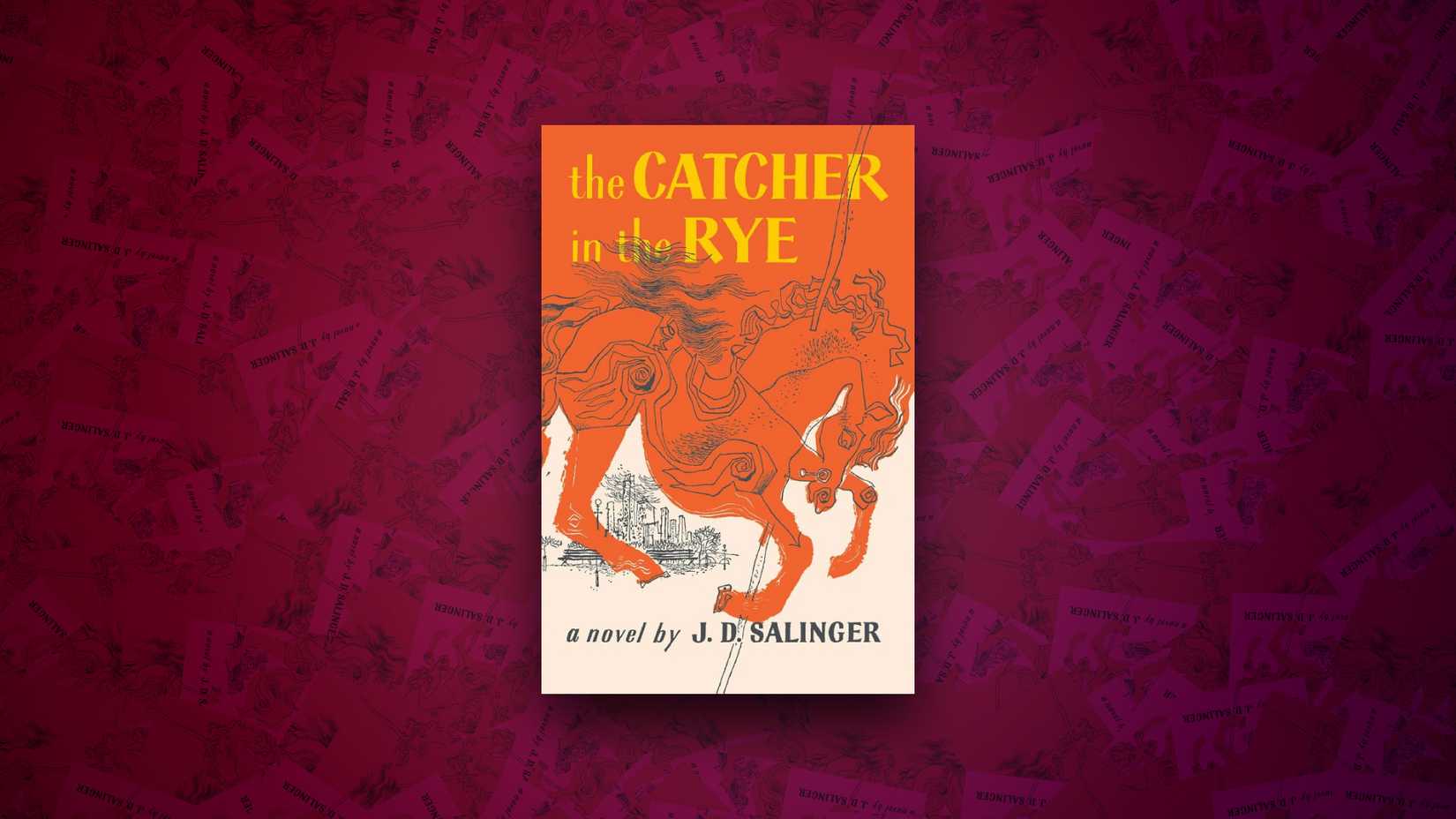
2. The Catcher in the Rye (1951) by J.D. Salinger
Few literary protagonists polarize audiences quite like Holden Caulfield, a grieving teenager wandering through Manhattan wearing a red hunting hat after being expelled from his prep school. Across three days of introspection and urban wandering, J.D. Salinger details Holden’s endless complaints about adult "phoniness," masking a deep well of trauma and paralyzing loneliness.
The Reread Value: While adolescent readers often view the book as an act of teenage rebellion, adult readers experience a profound transformation in perspective. Holden’s defensive anger morphs into a heartbreaking portrait of a boy suffering from unresolved PTSD following the death of his younger brother. Furthermore, the adults in the novel shift from one-dimensional villains into exhausted, well-meaning figures trying to keep a fragile youth from falling off an emotional cliff.
1. The Giver (1993) by Lois Lowry
Lois Lowry’s modern classic introduces Jonas, who inhabits a seemingly peaceful utopia where hunger, war, and emotional pain have been systematically eradicated. However, this stability requires the total stripping away of color, historical memory, and individual agency. At the Ceremony of Twelve, Jonas is selected as the community’s sole Receiver of Memory, tasked with absorbing the raw emotional history of humanity from his predecessor.
The Reread Value: Rereading The Giver injects a sense of quiet dread into the narrative because the reader already understands the dark truth behind the community’s euphemistic practice of "release." The polite daily rituals—such as the evening sharing of feelings—cease to look like signs of social harmony and instead read as indicators of a society chemically and socially sedated into compliance. The horror of the novel ultimately shifts from external plot twists to the horrifying complicity of ordinary adults who traded away their humanity for comfort.
Supporting Context & Metrics: The Cognitive Benefits of Re-reading
Literary scholarship and cognitive psychology increasingly point to the distinct neurological and developmental advantages of engaging with familiar texts. While contemporary publishing markets obsess over novelty—pushing consumers toward brand-new releases—scholars note that deep literacy depends heavily on recursive reading habits.
Cognitive Load Reduction: According to educational research, first-time reads dedicate up to 70% of cognitive processing power to decoding plot mechanics, anticipating outcomes, and tracking character introductions. Second reads free up cognitive bandwidth, allowing the brain to focus on stylistic nuance, thematic motifs, and structural motifs.
Empathy and Perspective Shift: Studies in neuro-literacy indicate that returning to classic texts across different life stages (e.g., reading The Catcher in the Rye at age 15 versus age 40) activates different neural pathways associated with theory of mind, shifting reader alignment from youthful identification to paternal or communal understanding.
Official Statements and Literary Perspectives
Prominent authors, critics, and educators have long championed the cultural necessity of returning to foundational texts rather than treating reading as a finite, linear progression.
"Classic a book is which never finishes saying what it has to say."
— Italo Calvino, Why Read the Classics?
Literary critics frequently emphasize that a book does not change over time; rather, the reader changes. As cultural critic and author Zadie Smith notes in discussions on canonical literature:
"You do not step into the same novel twice. The text remains static, but the lived experiences, heartbreaks, and political awakenings you accumulate between readings act as a brand-new lens, completely rewriting the subtext."
Academic institutions are also increasingly shifting course syllabi away from rigid, single-pass literary consumption toward modular, comparative re-evaluations, teaching students that profound works of art are built to withstand—and actively invite—sustained, lifelong interrogation.
Future Outlook: The Future of Canonical Reading in a Fast-Paced Media Landscape
As the contemporary media ecosystem accelerates toward short-form content, algorithmic recommendations, and rapid consumption models, the cultural space carved out for classic literature faces unique pressures. Streaming platforms, audio-first networks, and social media book communities (such as "BookTok") often incentivize volume, encouraging readers to rack up completion metrics rather than deep engagement.
However, a counter-movement is quietly taking root. Independent bookstores, book clubs, and academic reading societies report a significant surge in demand for curated reread challenges, collective deep-dives, and annotated classic editions. Readers overwhelmed by the relentless firehose of contemporary publishing are rediscovering the grounding psychological benefits of returning to texts that have weathered centuries of scrutiny.
Ultimately, the ten works explored in this report demonstrate that a truly great book is never fully consumed on a first pass. By looking beyond the academic checklist and returning to these foundational milestones with mature eyes, readers unlock entirely new layers of artistic brilliance—proving that the most rewarding literary journeys are often the ones we have already taken.