Executive Overview
When society invokes the word "hero," the cultural imagination reliably conjures up vivid, archetypal imagery: a firefighter descending into a smoke-filled corridor, a police officer running toward the crack of gunfire, or a soldier holding the line under enemy fire. Dictionary definitions of "heroism" often spin in circular loops, leaning heavily on synonymous words like "courage" or broadly categorizing heroes as individuals endowed with exceptional personal attributes or abilities.
Yet, in times of profound crisis—ranging from localized emergencies to catastrophic mass-casualty events—medical professionals operate at or near the immediate frontline, willing to risk their personal health, safety, and psychological well-being to rescue, stabilize, and save others. They share the core attribute of courage with traditional uniformed responders who confront physical obstacles and explicit danger. However, medical first responders are uniquely distinguished by a singular, primary imperative: to preserve human life and systematically bridge the gap between acute trauma and ultimate recovery.
Despite this unwavering commitment, non-medical responders routinely capture the lion’s share of public recognition, media acclaim, and heroic status, while physicians, paramedics, nurses, and emergency medical technicians (EMTs) often remain relegated to the background. This article investigates the systemic cultural biases that obscure medical heroism, explores the evolution of frontline medical response, examines the invisible psychological and physical tolls borne by healthcare providers, and argues for a necessary recalibration of how society defines and honors courage in the modern era.
Detailed Chronology: The Evolution of Frontline Medical Integration
To understand how medical professionals became integrated into the chaotic vanguard of disaster response, it is helpful to examine how emergency medicine and trauma care have evolved over the past several decades.
The Mid-to-Late 20th Century: Compartmentalized Roles
For decades, disaster response followed a rigid, linear hierarchy. The prevailing operational logic dictated that threats must be fully neutralized, and secure zones meticulously established, before any delicate medical care could be administered. Firefighters extinguished blazes, law enforcement secured perimeters, and emergency medical personnel staged safely in the background, waiting for the all-clear signal. While this approach prioritized safety, it frequently resulted in preventable fatalities, as critical minutes bled away before patients received definitive life-saving interventions.
The Battlefield Crucible (The 2000s)
The paradigm began to shift dramatically during the global conflicts in Iraq and Afghanistan. Military medicine faced unprecedented challenges from improvised explosive devices (IEDs), ballistic trauma, and complex urban warfare. Battlefield surgeons, combat medics, and tactical operators realized that waiting for total safety before initiating care was a luxury that cost lives. The military pioneered advanced pre-hospital trauma care, tourniquet deployment protocols, and damage-control resuscitation directly at the point of wounding, often under active fire.
The Civilian Translation (2010s to Present)
The hard-won lessons of the battlefield gradually filtered into civilian emergency management, accelerated by the tragic frequency of mass shootings, natural disasters, terrorist attacks, and major structural failures. Initiatives such as the "Stop the Bleed" campaign revolutionized civilian trauma response, training both laypeople and medical first responders to act rapidly in hot or warm zones.
Today, emergency physicians, paramedics, and tactical medical (TACMED) teams routinely work shoulder-to-shoulder with law enforcement and rescue personnel in active environments. Despite this integration—which has demonstrably driven up survival rates in mass-casualty incidents—society at large remains anchored to 20th-century paradigms, viewing physicians and health care workers as clinical healers operating within the sterile confines of hospitals rather than courageous frontline actors facing immediate physical peril.
Supporting Context & Metrics: The Invisible Dangers and Toll on Healthcare Providers
The hesitation to classify medical personnel as heroes often stems from the invisibility of the dangers they face. Unlike a raging fire or an armed assailant, many of the hazards inherent to emergency medicine are silent, microscopic, or psychological.
Occupational Hazards and Physical Risks
During the COVID-19 pandemic, the world was temporarily confronted with the stark reality of medical vulnerability, as healthcare workers faced unprecedented risks of occupational mortality from an invisible pathogen. Beyond viral contagions, emergency medicine providers in mass-casualty events are regularly exposed to environmental toxins, biohazards, and unpredictable violence from agitated, distressed, or intoxicated patients.
Recent occupational health data underscores these severe risks:
- Elevated Mortality Rates: Studies tracking occupational hazards in emergency medical services reveal that emergency physicians and pre-hospital providers face significantly higher risks of occupational injury and mortality compared to many standard healthcare professions.
- Psychological Vulnerability: Courage is universally defined as taking action in the face of intense fear. The psychological burden borne by medical first responders manifests in profound, prolonged stress.
- The PTSD Crisis: Research highlights a staggering disparity in mental health outcomes; the prevalence of Post-Traumatic Stress Disorder (PTSD) is significantly higher among emergency medicine providers than in the general population and even among many other healthcare specialties. Coupled with high rates of depression, anxiety, and moral injury—the distress stemming from being unable to save every patient—the emotional cost of medical heroism is immense.
Compassion and empathy, the very traits that draw individuals to the healing arts, act as a double-edged sword. The deeper a medical provider’s empathy, the more acutely they suffer alongside their patients and victims, bearing witness to tragedies that linger long after their shifts have ended.
Official Statements and Expert Perspectives
As the dialogue surrounding the nature of heroism evolves, medical ethicists, researchers, and frontline practitioners have weighed in on the complex implications of labeling—or failing to label—healthcare workers as heroes.
Dr. Marcus Knudson, a leading trauma surgeon and researcher, noted in landmark analyses of mass-casualty responses:
"The convergence of military trauma protocols and civilian emergency medicine has fundamentally changed survival curves. When we integrate medical professionals into the active response matrix, we are not just providing care; we are shifting the boundary between life and death. That level of tactical integration requires extraordinary personal bravery."
Conversely, some healthcare advocates have raised critical concerns about the uncritical deployment of the "hero" label during systemic crises. In a widely discussed commentary, emergency physician and author Dr. David Berger argued that romanticizing healthcare workers as "heroes" can inadvertently mask systemic failures, inadequate resource allocation, and institutional neglect:
"When society brands medical staff as heroes, there is a subtle cultural shift that frames self-sacrifice as an expected job requirement rather than an extraordinary act. It risks excusing burnout, chronic understaffing, and a lack of protective infrastructure. True appreciation must go beyond platitudes and translate into tangible systemic support, safety, and mental health resources."
Public health researchers specializing in first-responder well-being, such as those contributing to the Texas Research-to-Policy Collaboration Project, emphasize that acknowledging the hazards faced by medical personnel is essential for policy reform:
"Emergency medical providers endure occupational hazards that mirror those of traditional first responders. Recognizing them as integral, high-risk components of the emergency response framework is the first step toward securing the targeted mental health interventions and institutional protections they desperately require."
Future Outlook: Reimagining Heroism for the 21st Century
As we look toward the future of emergency response, disaster management, and public safety infrastructure, society faces a crucial opportunity to modernize its understanding of courage.
- Cultural Reframing and Media Representation:
Media narratives must evolve to reflect the contemporary reality of crisis management. By highlighting the collaborative, multi-disciplinary nature of disaster response—where medical professionals stand alongside firefighters, search-and-rescue teams, and law enforcement—public perception can catch up to reality. - Systemic Support and Workforce Sustainability:
The healthcare and emergency services sectors are facing severe recruitment and retention crises. Burnout, moral injury, and PTSD have driven countless dedicated professionals away from the bedside and the ambulance. Acknowledging the heroic service of medical personnel must translate into robust mental health infrastructure, comprehensive peer-support programs, fair compensation, and guaranteed safety protocols. - Redefining the Heroic Archetype:
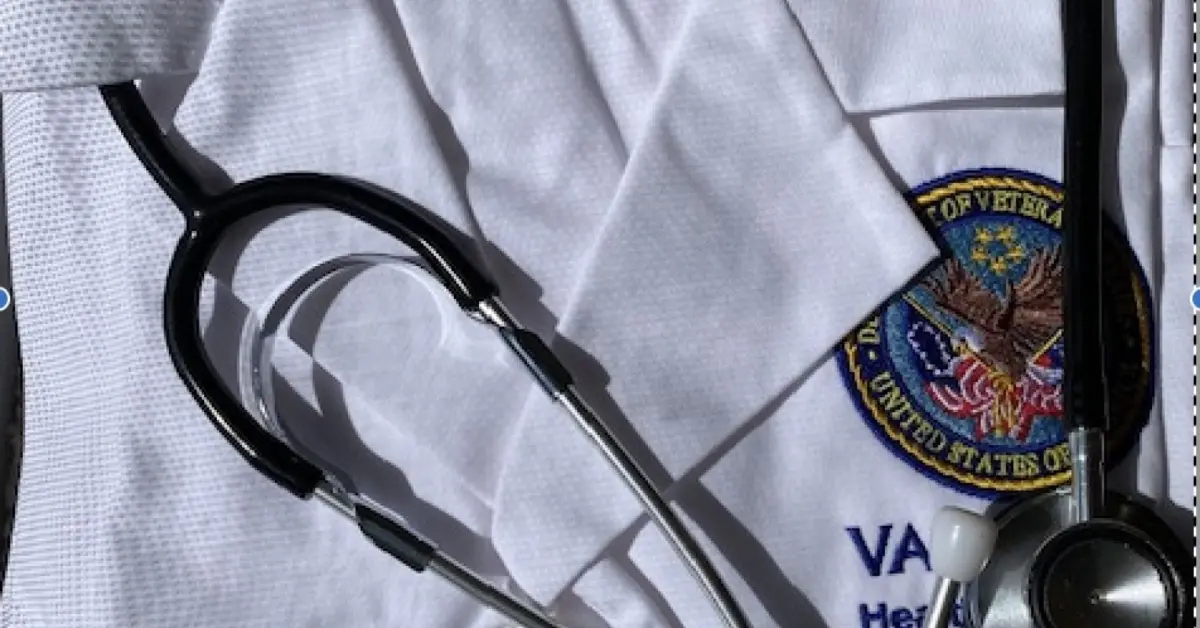
Ultimately, true heroism is not defined exclusively by the instruments one carries—whether a firearm, an axe, or a stethoscope—but by the willingness to step into harm’s way for the preservation of human life.
Medical first responders do not typically seek out the spotlight or demand public adulation. Yet, in an era increasingly defined by complex global crises, pandemics, and mass emergencies, giving voice and recognition to their quiet, resolute bravery is not merely an act of gratitude. It is an essential societal investment in a noble, demanding profession that underpins the very fabric of human survival and compassion.