Executive Overview
Science fiction has long functioned as humanity’s speculative mirror, casting long, dark reflections of our present political anxieties, technological missteps, and existential dread. For decades, the genre’s most celebrated works favored heavy cautionary tales, dense expositions on theoretical physics, and sprawling, labyrinthine political factions. While these cerebral space operas and grim dystopias offer deep intellectual rewards, they can occasionally feel like a chore to navigate.
In recent years, however, a seismic cultural shift has taken place within speculative fiction. Readers and creators alike are increasingly gravitating toward a lighter, sharper, and profoundly more humorous subgenre of science fiction. These narratives do not shy away from the complex structural crises of the 21st century—such as unregulated corporate power, the ethics of artificial intelligence, and ecological collapse. Instead, they weaponize wit, found family, and absurdity to make those heavy topics digestible, memorable, and—above all—entertaining.

Featuring everything from psychic felines and sarcastic cyborgs to intergalactic song contests and alien buddy comedies, this curated selection of eight remarkably fun science fiction books proves that the future doesn’t have to be entirely bleak. Whether you are seeking a break from traditional dark speculative fiction or looking to expand your reading list with titles that balance high-concept world-building with genuine comedic gold, this deep dive explores the ultimate comedic sci-fi reads of the modern era.
Detailed Chronology: The Evolution of Comedic Sci-Fi
To understand how comedic science fiction reached its current golden age, one must examine its evolution over the past two decades. While Douglas Adams famously paved the way with The Hitchhiker’s Guide to the Galaxy in the late 20th century, contemporary authors have modernized the formula, integrating modern internet culture, video game mechanics, and contemporary workplace satire.
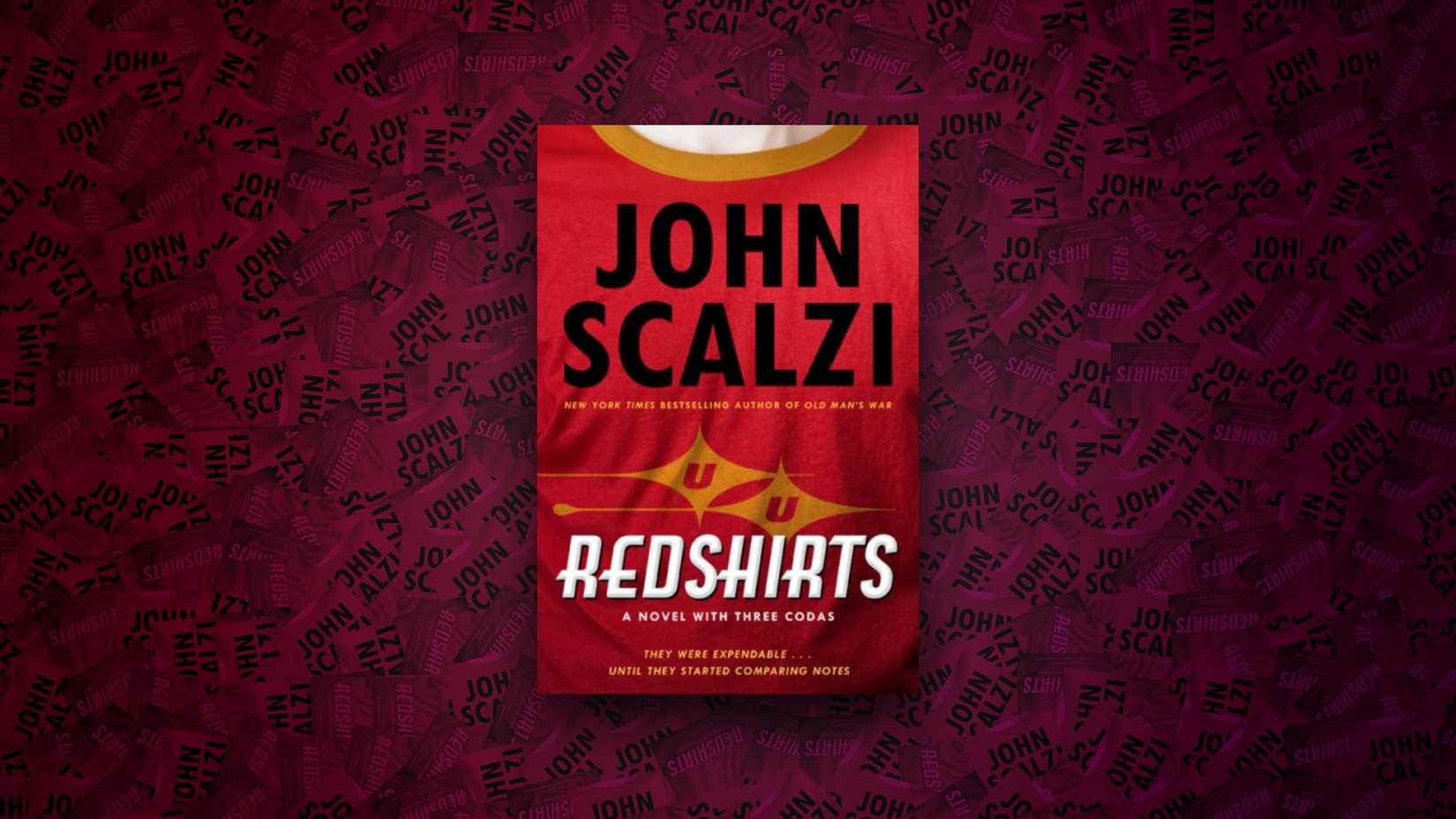
1. The Satire of Starship Tropes: Redshirts by John Scalzi (2012)
John Scalzi has long been a titan of accessible, witty speculative fiction. Following his successes with satirical novels and short stories that later inspired Netflix’s Love, Death & Robots, Scalzi published Redshirts in 2012.

The Hugo Award-winning novel borrows heavily from classic space opera tropes—specifically the notoriously expendable background crew members of vintage Star Trek. The story follows a group of fresh-faced ensigns aboard a flagship vessel who gradually realize that their away missions carry an appallingly high mortality rate due to the ridiculous narrative structure of their universe. What begins as workplace satire quickly morphs into a clever, reality-bending investigation into corporate storytelling, agency, and cosmic bureaucracy.
2. The Rise of Cozy Space Opera: The Long Way to a Small, Angry Planet by Becky Chambers (2014)
Shifting away from institutional satire, Becky Chambers disrupted the genre in 2014 with her self-published debut, The Long Way to a Small, Angry Planet. Rejecting high-stakes galactic warfare in favor of interpersonal dynamics, Chambers championed the "cozy sci-fi" movement.
The narrative follows Rosemary Harper, a young woman fleeing her past on Mars who enlists as a clerk aboard the Wayfarer, a wormhole-tunneling ship. The crew is a delightfully eclectic mix of humans and distinct alien species. Rather than focusing on a destination, the novel explores the journey, establishing a heartfelt blueprint for found family that resonates strongly with fans of cult television classics like Firefly and Farscape.
3. The Anti-Social Cyborg Era: Artificial Condition by Martha Wells (2018)
By 2018, corporate dystopias had become a staple of speculative fiction, but Martha Wells managed to completely subvert the trope through the introduction of SecUnit—better known to fans as Murderbot.
While the entire Murderbot Diaries series is celebrated for its dry, self-deprecating humor, the second installment, Artificial Condition, stands out as a high-water mark. In this entry, the rogue cyborg security guard attempts to uncover its dark origins while saddled with a deeply obnoxious, soap-opera-obsessed ship AI known colloquially as ART (Asshole Research Transport). The comedic friction between a protagonist that would rather watch media streams than save humans and an overbearing artificial intelligence established a new gold standard for robotic buddy-duos.
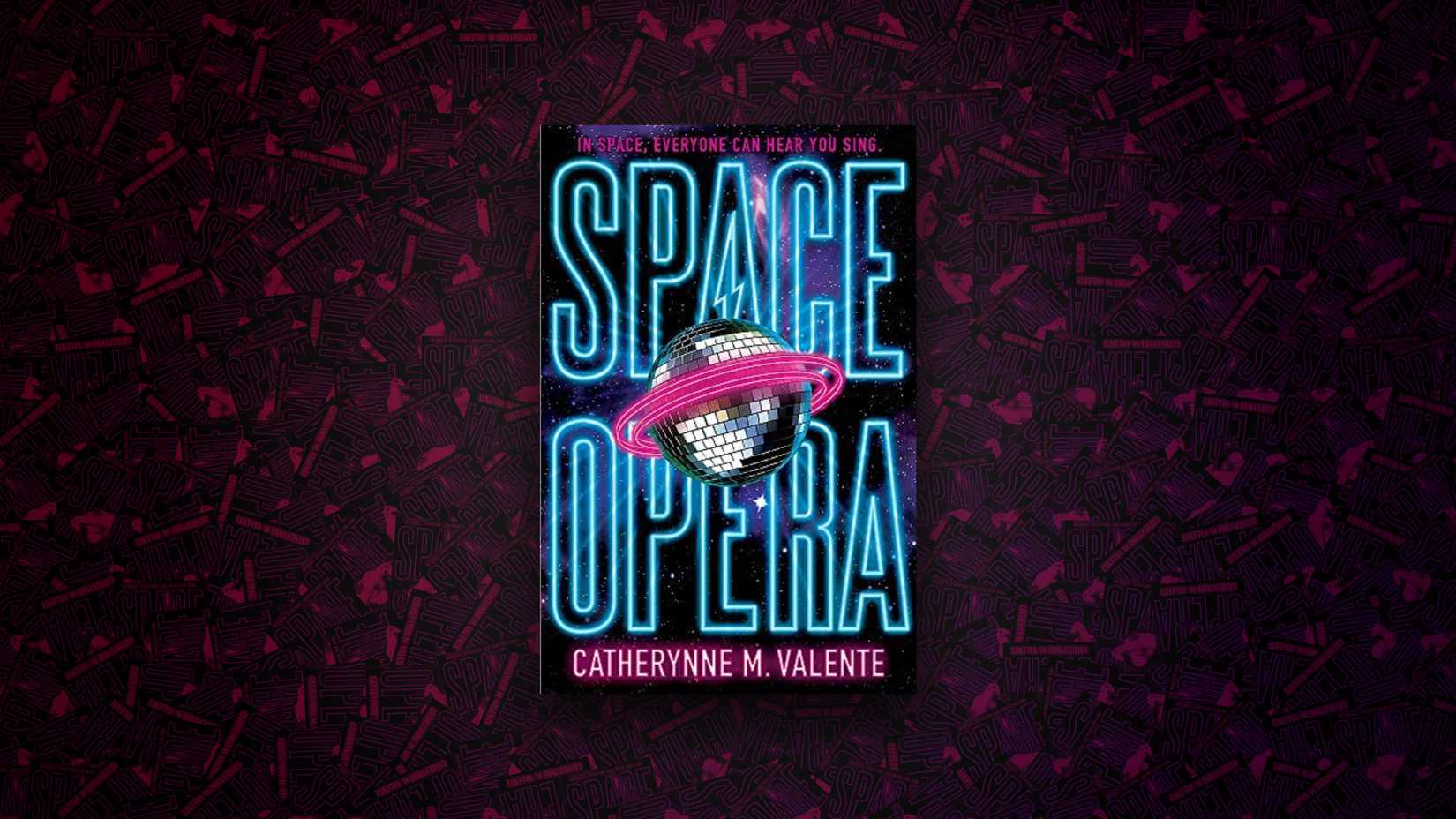
4. Absurdist Space Opera and Galactic Grand Prix: Space Opera by Catherynne M. Valente (2018)
Also published in 2018, Catherynne M. Valente’s Space Opera took the traditional, high-stakes galactic conflict and translated it into something wildly absurd: a Eurovision-style music competition.

In Valente’s universe, sentient species across the cosmos are required to compete in the Metagalactic Grand Prix to prove their intellectual and cultural worth. If a species places last, they face total planetary annihilation. Enter Decibel Jones and the Absolute Zeroes, a washed-up, glam-rock human band tasked with representing Earth. Equal parts tribute to Douglas Adams and glitter-soaked rock concert, the novel highlights how music and humor can serve as the ultimate defense against cosmic indifference.
5. Pop Culture and Video Game Intersections: Chilling Effect by Valerie Valdes (2019)
Valerie Valdes’s 2019 novel Chilling Effect injected sharp video game sensibilities and pop culture commentary into the space opera genre.
The story centers on Captain Eva Innocente of the La Sirena Negra, a foul-mouthed, stressed-out leader who is secretly forced to take on dangerous, high-risk contracts to pay off a ransom after her sister is kidnapped. Valdes blends high-octane action with laugh-out-loud domestic troubles, featuring everything from psychic felines to the aggressively unwanted romantic advances of an alien emperor.

6. Necromancy and Sarcasm: Gideon the Ninth by Tamsyn Muir (2019)
Tamsyn Muir’s 2019 science-fantasy sensation Gideon the Ninth proved that death, necromancy, and gothic imperialism could coexist with Gen-Z-adjacent internet snark.
Set within a decaying empire of necromantic houses, the novel follows Gideon Nav, a sword-wielding orphan forced to act as the bodyguard to her lifelong rival, the brilliant and deeply prickly necromancer Harrowhark Nonagesimus. Donning face paint and aviator sunglasses, Gideon’s constant exhaustion and sarcastic internal monologue provide an essential comedic counterweight to an otherwise bloody, complex locked-room murder mystery.
7. Hard Science Meets Buddy Comedy: Project Hail Mary by Andy Weir (2021)
Following the massive success of The Martian, Andy Weir returned in 2021 with Project Hail Mary. While maintaining his signature talent for breaking down complex theoretical physics and hard science into readable, engaging prose, Weir pivoted toward a buddy-comedy dynamic.
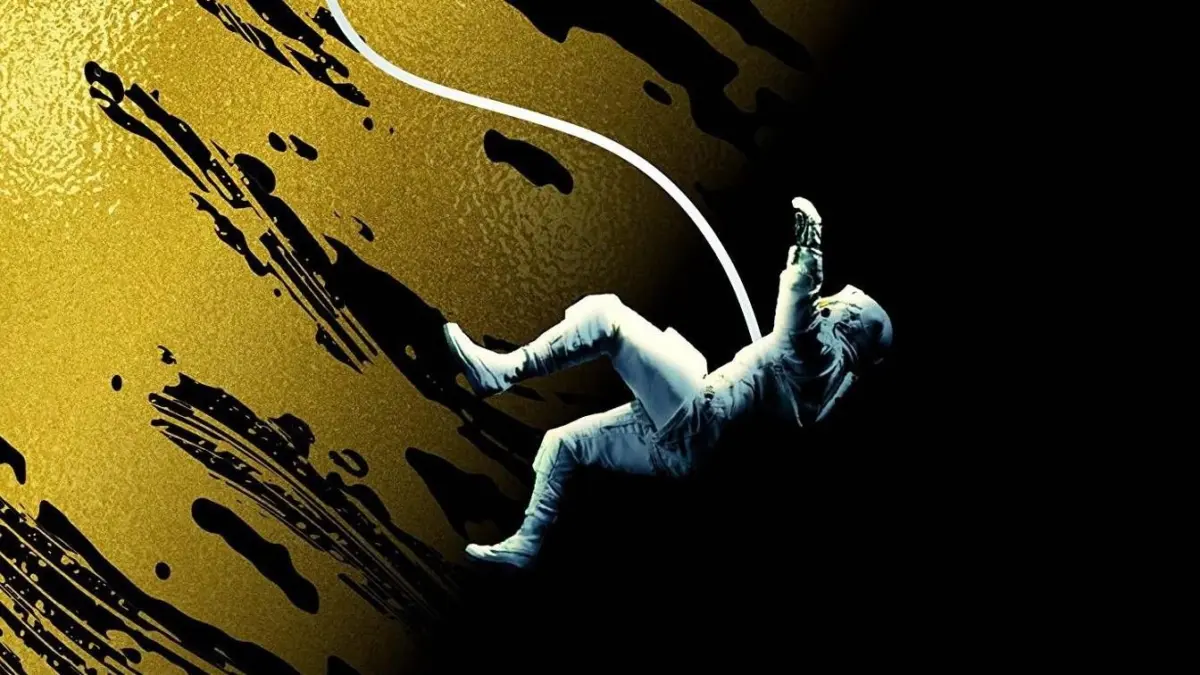
Protagonist Ryland Grace wakes up from an induced amnesiac coma aboard a deep-space research vessel with no memory of his identity, only to discover he is humanity’s sole surviving hope to save Earth’s sun from a microscopic extinction-level threat. His journey transforms when he encounters an unexpected extraterrestrial ally navigating a parallel crisis. The novel’s blend of high-concept science and wholesome cross-species friendship has cemented its legacy, building on its critically acclaimed cinematic adaptation.
8. The Birth of LitRPG: Dungeon Crawler Carl by Matt Dinniman (2024)
Rounding out the modern comedic landscape is Matt Dinniman’s Dungeon Crawler Carl, which popularized the LitRPG genre for mainstream audiences ahead of its commercial printing in 2024.
Blending science fiction, post-apocalyptic survival, and tabletop role-playing game mechanics, the series tracks Coast Guard veteran Carl as he is forced to participate in a sadistic, galaxy-wide alien reality TV show after Earth is systematically flattened to make way for a hyper-lane. Joined only by his ex-girlfriend’s pampered prize cat, Princess Donut, Carl must navigate multi-tiered dungeon levels, level up through absurd loot drops, and appease a deeply unhinged alien viewing audience.

Supporting Context & Metrics: Why Readers Want Comedy in Sci-Fi
The commercial and critical rise of humorous science fiction is not accidental. Industry metrics and reading trend analyses over the past half-decade indicate a distinct shift in consumer preferences:
- The Burnout Factor: Post-2020 publishing data highlights an increased demand for "escapist fiction" and "cozy media." Readers facing real-world socio-political stressors are increasingly bypassing grim-dark dystopias in favor of optimistic or lighthearted world-building.
- Cross-Media Adaptations: The entertainment industry has heavily invested in comedic sci-fi properties. Projects ranging from Apple TV’s Murderbot adaptation to Peacock’s upcoming development of Dungeon Crawler Carl and feature films like Project Hail Mary demonstrate that mainstream audiences crave high-concept science fiction anchored by character-driven humor.
- The Accessibility of Hard Science: Authors like Andy Weir and John Scalzi have proven that complex technological concepts—such as astrobiology or quantum mechanics—are vastly more palatable when filtered through the perspective of sarcastic, everyday protagonists rather than stoic, humorless geniuses.
Future Outlook: The Next Frontier of Humorous Speculation
As we look toward the latter half of the 2020s and beyond, the boundary lines separating hard science fiction, fantasy, and comedy continue to dissolve. Authors are no longer tethered to the rigid, technocratic seriousness that defined mid-20th-century speculative literature.
The ongoing success of self-publishing platforms, serialized web novels, and independent presses has democratized the genre, allowing unconventional comedic voices to bypass traditional gatekeepers and find massive, dedicated global audiences. Whether through the lens of a sarcastic cyborg, a reluctant reality TV contestant, or a molecular biologist bonding with a multi-limbed alien rock monster, comedic sci-fi has proven that humanity’s future in the stars does not have to be joyless to be profound.

Ultimately, these eight novels remind us that humor is not a distraction from our existential concerns, but rather one of our most potent tools for navigating them.