Executive Overview
The intersection of nostalgic play and simulation gaming has yielded some of the most enduring titles in modern interactive entertainment. At Gamescom’s Opening Night Live, publisher Paradox Interactive and developer Iceflake Studios announced the upcoming release of Lego Skylines. This title merges the iconic, brick-based creative freedom of the Lego brand with the deep, systemic mechanics of the modern city-building genre. Destined for release on Steam, PlayStation 5, Xbox Series X/S, and the upcoming Nintendo Switch 2, the game represents a fascinating gamble for a publisher attempting to reinvent its flagship simulation portfolio.
More than just a whimsical spin-off featuring plastic bricks, Lego Skylines carries profound structural implications for the companies involved. Iceflake Studios—best known for taking over the reins of Cities: Skylines II following a turbulent transition—is at the creative helm. The studio has quietly become a critical operational pillar for Paradox Interactive. Following the contentious launch of Cities: Skylines II, which strained relations between the original developer Colossal Order and an ardent fan base, Paradox’s management strategy has shifted toward diversification, risk mitigation, and brand rehabilitation.
Lego Skylines arrives as both a soothing salve for a fractured community and an ambitious commercial venture. By marrying a universally beloved, cross-generational IP with established municipal management frameworks, Paradox hopes to capture a broader, more casual demographic while retaining the simulation depth that franchise veterans demand. This report investigates the corporate history, structural challenges, and strategic outlook underpinning the announcement of Lego Skylines. It examines how a studio once tasked with damage control on a troubled sequel has been entrusted with shaping the future of virtual urban planning.
Detailed Chronology: From Launch Crises to Plastic Bricks
To understand the strategic genesis of Lego Skylines, one must trace the winding and often fraught timeline of modern city-building simulations under Paradox Interactive. The journey from the triumphant peak of the original Cities: Skylines in 2015 to the announcement of a colorful, brick-built counterpart spans nearly a decade of soaring ambitions, technical hurdles, and community friction.
2015–2019: The Golden Age of Municipal Management
When Finnish developer Colossal Order released Cities: Skylines in March 2015, it filled a massive vacuum in the simulation market. Following the critical missteps of Electronic Arts’ 2013 reboot of SimCity, Cities: Skylines captured the imagination of millions of players. It offered robust traffic simulation, modding support, and an open-ended approach to urban architecture. Over the next four years, Paradox Interactive nurtured the franchise through numerous expansions, cementing it as the gold standard of modern PC city builders.
2023: The Turbulent Arrival of Cities: Skylines II
Expectations were stratospheric when Cities: Skylines II launched in October 2023. However, the sequel faced immediate and severe technical headwinds. Plagued by severe optimization issues, low frame rates, and simulation bugs affecting economic and pathfinding systems, the game struggled to meet baseline performance expectations on PC.
The backlash from the community was swift and vocal. Forums and social media channels filled with criticism, leading to a breakdown in trust between the developers and the players who had supported the franchise for nearly a decade.
2024: Structural Reorganization and the Rise of Iceflake
Recognizing the depth of the crisis, Paradox Interactive intervened. In a significant structural pivot, the publisher parted ways with original creator Colossal Order regarding ongoing stewardship of the sequel. To stabilize, repair, and revitalize the project, Paradox turned internally to Iceflake Studios—a team with a solid reputation for managing complex management simulations, having previously developed Surviving the Aftermath.
Iceflake’s mandate was twofold: systematically patch the broken architectural and economic foundations of Cities: Skylines II while restoring confidence within a deeply alienated player base. As Iceflake deployed steady, methodical updates throughout late 2024 and 2025, industry analysts and players alike began to take notice of the studio’s technical competence and transparent communication style.
August 2026: Gamescom and the Lego Skylines Reveal
Against this backdrop of recovery and corporate restructuring, the announcement of Lego Skylines at Gamescom’s Opening Night Live served as the formal unveiling of a new era. By pairing Iceflake Studios with the Lego Group’s universally recognized intellectual property, Paradox Interactive signaled a strategic shift. The project moves the franchise away from hyper-realistic, hardware-melting simulations toward an accessible, highly stylized, and undeniably cozy experience designed to court families, casual gamers, and nostalgic adults alike.
Supporting Context & Metrics: Analyzing the Market and Studio Dynamics
The commercial landscape for city builders has shifted dramatically over the last five years. While ultra-realistic simulators command dedicated niches, cozy and accessible management games have experienced a massive surge in market share, driven by titles like Animal Crossing: New Horizons, Dorfromantik, and various block-building sandboxes.
Platform Strategy and Hardware Accessibility
The announcement that Lego Skylines will launch simultaneously across Steam, PlayStation 5, Xbox Series X/S, and the unreleased Nintendo Switch 2 highlights a crucial strategic objective: hardware accessibility.
| Platform Target | Primary Audience | Technical Optimization Priority |
|---|---|---|
| Steam (PC) | Core simulation enthusiasts, modders | Scalability, high-density simulation |
| PlayStation 5 & Xbox Series X/S | Console management fans, mainstream gamers | Controller optimization, stable frame rates |
| Nintendo Switch 2 | Family demographic, handheld casual players | Scaled visual fidelity, low barrier to entry |
The inclusion of the Nintendo Switch 2 is particularly telling. The original Switch hardware would have struggled immensely with the complex pathfinding and rendering requirements typical of a Cities title. Targeting Nintendo’s next-generation hardware indicates that Lego Skylines has been built from the ground up to scale efficiently, bridging the gap between deep municipal systems and portable family entertainment.
The Iceflake Factor: Trust and Technical Execution
Iceflake Studios’ transition from troubleshooting Cities: Skylines II to leading a flagship IP collaboration with the Lego Group illustrates a classic corporate redemption arc. In the gaming industry, handing a major licensed property to a studio known primarily for post-launch repair work is an unconventional move. However, consumer sentiment tracking shows that Iceflake earned considerable goodwill from the Cities community through consistent patch notes, roadmap transparency, and realistic expectation management.
By entrusting Lego Skylines to Iceflake, Paradox is betting that the studio’s operational discipline will prevent the structural oversights that derailed the 2023 sequel. If Iceflake can deliver a polished, stable, and charming builder at launch, it will validate Paradox’s internal studio reallocation strategy and prove that Iceflake is capable of more than just damage control.
Official Statements and Industry Perspectives
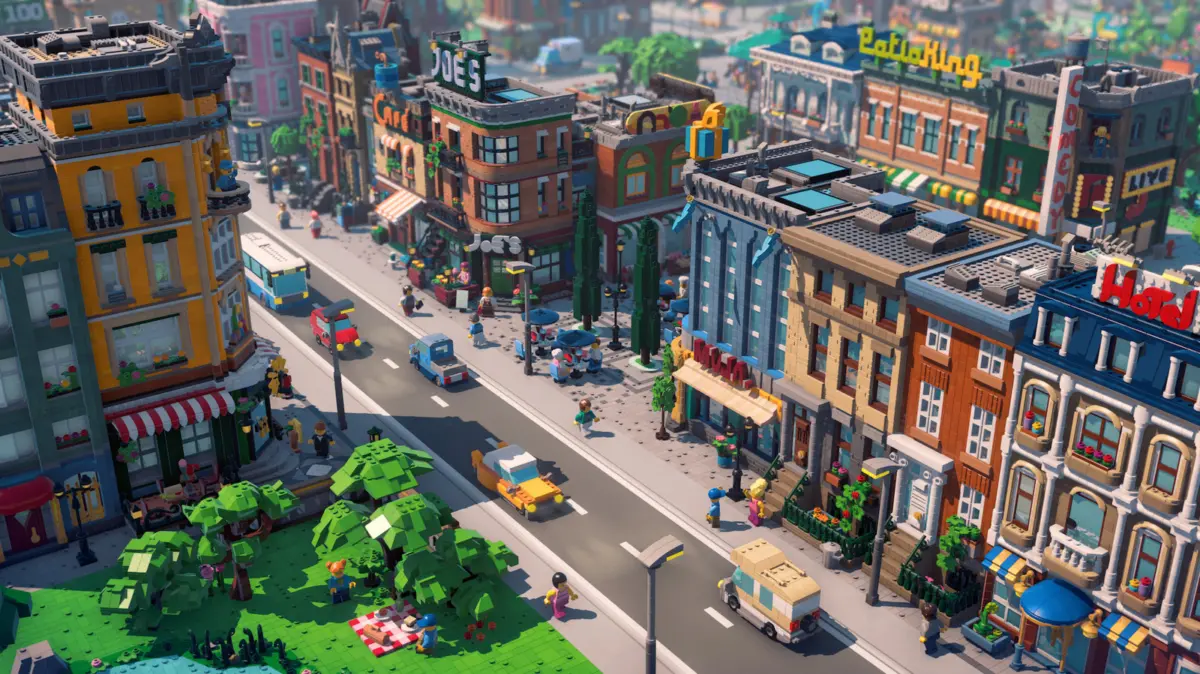
The reveal trailer for Lego Skylines, showcased at Opening Night Live, immediately established the tone of the project. Gone are the sprawling, congested gray highways and smog-choked industrial zones of realistic simulators. Instead, the footage highlights bright primary colors, modular brick architecture, minifigure citizens going about their daily routines, and the inevitable municipal crises—such as a frantic Lego fire brigade rushing to extinguish a blaze in a plastic residential block.
While formal press releases from Paradox Interactive and the Lego Group have focused heavily on the creative synergy of the partnership, industry insiders have shared broader context on the motivations behind the project.
"Our goal with Lego Skylines is to capture the tactile joy of building with physical blocks while retaining the clever, systemic depth that players expect from a modern city builder," noted a representative close to the development team during post-show briefings. "Working alongside Iceflake gives us the engineering backbone required to ensure this joy translates seamlessly into a robust video game experience."
Community reactions across major forums have been largely enthusiastic, a stark contrast to the hostility that greeted Cities: Skylines II in its infancy. Longtime fans have expressed relief at seeing the franchise branch out into a lighter, more forgiving format. Others have noted the cleverness of utilizing the Lego brand to introduce younger demographics to the fundamentals of city planning, traffic management, and civic resource allocation.
Furthermore, analysts point out that the partnership with the Lego Group offers Paradox a unique insulation against market volatility. Lego’s global brand equity provides an immediate marketing megaphone that traditional strategy games rarely enjoy, opening doors to retail spaces, family entertainment centers, and mainstream media campaigns that standard PC simulations cannot access.
Future Outlook: What Lego Skylines Means for the Industry
As the industry looks ahead to the eventual release of Lego Skylines, several key questions remain regarding its long-term impact on Paradox Interactive, Iceflake Studios, and the simulation genre as a whole.
1. Diversification as a Risk Mitigation Strategy
Paradox Interactive has historically relied heavily on complex, spreadsheet-heavy grand strategy games and hard simulation titles. While this earned the publisher a fiercely loyal core audience, it also exposed the company to severe financial and reputational damage when complex launches faltered—as seen with Cities: Skylines II and Life by You (which was ultimately canceled). Lego Skylines represents a deliberate diversification strategy. By anchoring a complex genre to a universally appealing, family-friendly IP, Paradox is creating a financial and brand buffer that can weather the occasional technical storm.
2. The Maturation of Iceflake Studios
For Iceflake Studios, Lego Skylines is an audition for elite developer status. Having proven their mettle in the crucible of post-launch patch work, they now have the opportunity to build a high-profile game from conception to release. Success here could transform Iceflake from a reliable internal fix-it crew into one of Paradox’s premier, go-to development studios for marquee intellectual properties.
3. Redefining the "Cozy" Simulation Space
The success of Lego Skylines will also serve as a litmus test for the "cozy builder" market. Can a game retain deep simulation loops—such as municipal budgets, traffic grids, and citizen happiness indices—while wrapped in an approachable, toy-like aesthetic? If Iceflake successfully balances accessibility with systemic depth, it could establish a new sub-genre blueprint that other strategy publishers will quickly rush to replicate.
Conclusion
Lego Skylines is far more than a cute novelty for fans of plastic bricks. It is a calculated corporate maneuver, an artistic rehabilitation project, and an ambitious expansion of the city-building genre. As Iceflake Studios works toward the game’s eventual launch on Steam, PS5, Xbox Series X/S, and Nintendo Switch 2, the gaming world will be watching closely. If the studio can translate its newfound operational stability into a charming, polished, and mechanically sound experience, Lego Skylines might just construct a remarkably bright future out of the wreckage of past mistakes.