Executive Overview
In a dramatic escalation of one of the most high-profile federal cybercrime investigations in recent memory, federal agents have arrested a prominent Canadian cybersecurity executive in connection with the notorious ShinyHunters hacking collective. The suspect, identified through federal court records as Edward Dubrovsky, was taken into custody in Pennsylvania while attending a high-level cyber insurance conference.
The arrest marks a critical turning point in a sweeping multi-jurisdictional investigation. The ShinyHunters syndicate recently dealt a humiliating blow to U.S. law enforcement by breaching the Federal Bureau of Investigation’s (FBI) online recruitment portal, making off with sensitive personnel records—including unit assignments, specializations, and confidential medical and psychiatric histories—pertaining to thousands of federal agents.
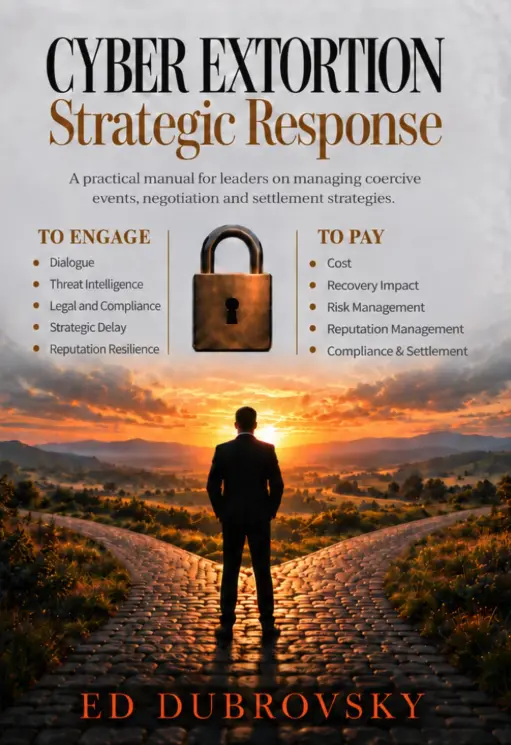
According to multiple sources close to the investigation, Dubrovsky’s arrest stems from allegations that his advisory work crossed the legal threshold into criminal conspiracy and cyber extortion. The suspect is a well-known figure in the digital security industry, specializing in ransomware negotiations, incident response, and extortion mitigation. He is also the author of a 252-page textbook detailing the strategic intricacies of managing ransomware crises.
As the legal proceedings shift toward the Eastern District of Texas—the newly established epicenter of the federal government’s consolidated ShinyHunters task force—industry experts warn that this arrest could signal a chilling effect for the commercial ransomware negotiation sector, raising uncomfortable questions about where corporate incident response ends and illicit facilitation begins.
Detailed Chronology: From Philadelphia to Federal Court
The sequence of events leading to Dubrovsky’s apprehension unfolded rapidly during the first week of October 2026, centering on the annual Cyber Risk Summit held at the Loews Philadelphia Hotel between October 5 and October 7.
The Arrest in Pennsylvania
Dubrovsky, a 54-year-old security professional and executive linked to the Canadian cybersecurity firm CyberSteward, traveled to Philadelphia to participate in the cyber insurance gathering. According to summit documentation, CyberSteward and its Canadian predecessor firm, Cypfer, maintained a prominent presence at the event, with Dubrovsky slated to lead discussions on global, agnostic strategies for managing coercive extortion and ransomware settlements.
On October 8, shortly after the conclusion of the conference, federal authorities arrested Dubrovsky in Pennsylvania. Court records filed under the slightly misspelled name Edward Dobrovsky charge the executive with “conspiracy to threaten to impair the confidentiality of information with the intent to extort money” and “interference with commerce by threats.”
Sealing of Records and Jurisdictional Shift
While the core criminal complaint and several supporting affidavits remain sealed under court order, a handful of dockets indexed on public platforms like CourtListener provide a window into the initial charges. On October 9, U.S. magistrates filed a transfer notice moving the case from Pennsylvania to the U.S. District Court for the Eastern District of Texas, aligning with sources who confirm that operational control over the entire ShinyHunters probe has been centralized within an FBI field office in Texas.
As of October 10, Dubrovsky is being held at a federal detention facility in Philadelphia according to the U.S. Bureau of Prisons inmate locator. Court dockets indicate that he has not yet retained private counsel or been assigned a public defender.

The corporate entities tied to Dubrovsky have moved quickly to distance themselves from the unfolding legal crisis. A spokesperson for Cypfer clarified to media outlets that Dubrovsky was never a founder or co-founder of the firm—despite historical claims on his professional networking profiles—and that he had previously served as a managing director before his resignation in December 2025. At the time of his arrest, Dubrovsky was associated with CyberSteward, though representatives for that firm have not yet responded to requests for comment.
Supporting Context & Metrics: The Mechanics of ShinyHunters
To understand the gravity of Dubrovsky’s arrest, one must examine the operational blueprint of ShinyHunters and the staggering financial and security damage the group has inflicted over the past year.
Tactics and Financial Impact
ShinyHunters has long operated as a sophisticated cyber extortion syndicate, specialized in targeting software-as-a-service (SaaS) providers and corporate cloud environments. By leveraging aggressive phishing campaigns and stolen administrative credentials, the group systematically siphons proprietary databases, intellectual property, and customer records. Their ultimate leverage relies on public shaming: unless victims meet steep cryptocurrency ransom demands, the stolen data is leaked wholesale on underground forums and extortion portals.
According to preliminary metrics released by federal law enforcement, ShinyHunters has successfully extorted more than $70 million from corporate and institutional victims globally over the course of the year. However, their ambitions expanded beyond commercial enterprises into the public sector, culminating in the breach of the FBI’s own recruitment infrastructure.
The Escalation: Breaching the FBI and Boeing Spin-Offs
The investigation into ShinyHunters gained maximum urgency following a series of brazen provocations. Last month, Dutch law enforcement authorities arrested Pepijn van der Stap, a reformed hacker suspected of playing a key role in the collective’s operations. The subsequent seizure of Van der Stap’s electronic devices provided FBI investigators with a treasure trove of technical artifacts, which agents have spent weeks analyzing.
Immediately following Van der Stap’s detention, a prominent faction leader within ShinyHunters operating under the handle “Rey” assumed operational control of the group. Rey began taunting federal investigators on social media, publicizing the theft of sensitive FBI recruitment data. The compromised files exposed intimate details of prospective and active agents, including psychiatric evaluations, medical histories, and classified unit allocations.
The brazenness of these attacks triggered an international manhunt. Reuters reported that “Rey”—subsequently identified by researchers and law enforcement as a teenager named Saif Al-din Khader—was detained and is currently cooperating with federal authorities. Khader’s apprehension occurred as the group attempted to execute an extortion campaign against a digital navigation and aviation unit recently divested by aerospace giant Boeing in late 2025.
Official Statements and Industry Reaction
The arrest of a high-profile cybersecurity executive on charges tied to cyber extortion has sent shockwaves through the incident response and cyber insurance industries.
Silence from the Top
Official commentary from federal leadership has remained remarkably tight-lipped. FBI Director Kash Patel acknowledged the general apprehension of individuals linked to the ShinyHunters network via social media statements on X (formerly Twitter), but omitted specific identifying details regarding Dubrovsky or the precise nature of his alleged collusion. The FBI bureau declined to issue a detailed press briefing, citing the ongoing, multi-state nature of the judicial proceedings.

The Paradox of Ransomware Advisory
The arrest has forced the cybersecurity community to confront an uncomfortable gray area in the digital risk ecosystem: the fine line separating professional crisis negotiation from criminal facilitation.
Dubrovsky’s professional background made him a leading voice in the very mechanics of how organizations respond to criminal coercion. In his 252-page book, Cyber Extortion Strategic Response, Dubrovsky explicitly analyzed the philosophy of communicating with threat actors. An excerpt from the book’s promotional material highlights a central tenet of modern incident response:
"At the heart of the book is a critical distinction: communicating with a criminal is not the same as negotiating a payment, and negotiating is not a commitment to pay. Engagement can serve other objectives, including testing claims, gathering information, creating time, and preserving options while the organization evaluates its next move."
For years, boutique security firms, ransomware negotiators, and cyber insurance carriers have operated in a delicate regulatory environment, advising victimized corporations on how to safely interface with criminal gangs to minimize operational downtime and protect shareholder value. However, federal prosecutors in the Eastern District of Texas appear to be pushing a legal theory that scrutinizes whether certain advisory actions cross the line into aiding and abetting extortion, laundering ransom payments, or conspiring with criminal syndicates.
Future Outlook: A Turning Point for Incident Response
As this fast-moving federal investigation continues to unfold, legal and security analysts anticipate profound ripples across the global cybersecurity landscape.
- Widening Investigations: Sources close to the inquiry indicate that Dubrovsky may not be the last corporate executive targeted. Additional charges against principals at other firms specializing in ransomware negotiation and alternative settlement strategies could be forthcoming as federal agents parse the digital evidence seized from both Pepijn van der Stap and domestic suspects.
- Regulatory and Legal Scrutiny: The prosecution is expected to establish crucial legal precedents regarding the boundaries of private-sector ransomware negotiations. If prosecutors successfully convict Dubrovsky on conspiracy and extortion charges based on his advisory activities, the cyber insurance and incident response industries may face sweeping demands for compliance, transparency, and tighter federal oversight.
- Internal Security Overhauls: For the FBI, the breach of its recruitment portal by ShinyHunters serves as a painful catalyst for a comprehensive internal audit of its digital posture, vendor access controls, and identity management systems.
As the case makes its way through the federal docket in Texas, the cybersecurity world watches with bated breath—cognizant that the trial of Edward Dubrovsky may forever alter how organizations, insurers, and negotiators deal with the modern shadow economy of digital extortion.
This is a developing news story. Updates, timestamps, and further legal disclosures will be added as additional court documents are unsealed and verified.