Executive Overview
In the high-stakes, fast-moving landscape of modern biotechnology, few entities command the polarizing attention of Colossal Biosciences. Co-founded by tech entrepreneur Ben Lamm and renowned geneticist George Church, the Austin-headquartered company has captured the public imagination—and the skepticism of the scientific establishment—with headline-grabbing aspirations to reverse extinction, engineer resilient ecosystems, and pioneer advanced genetic architecture.
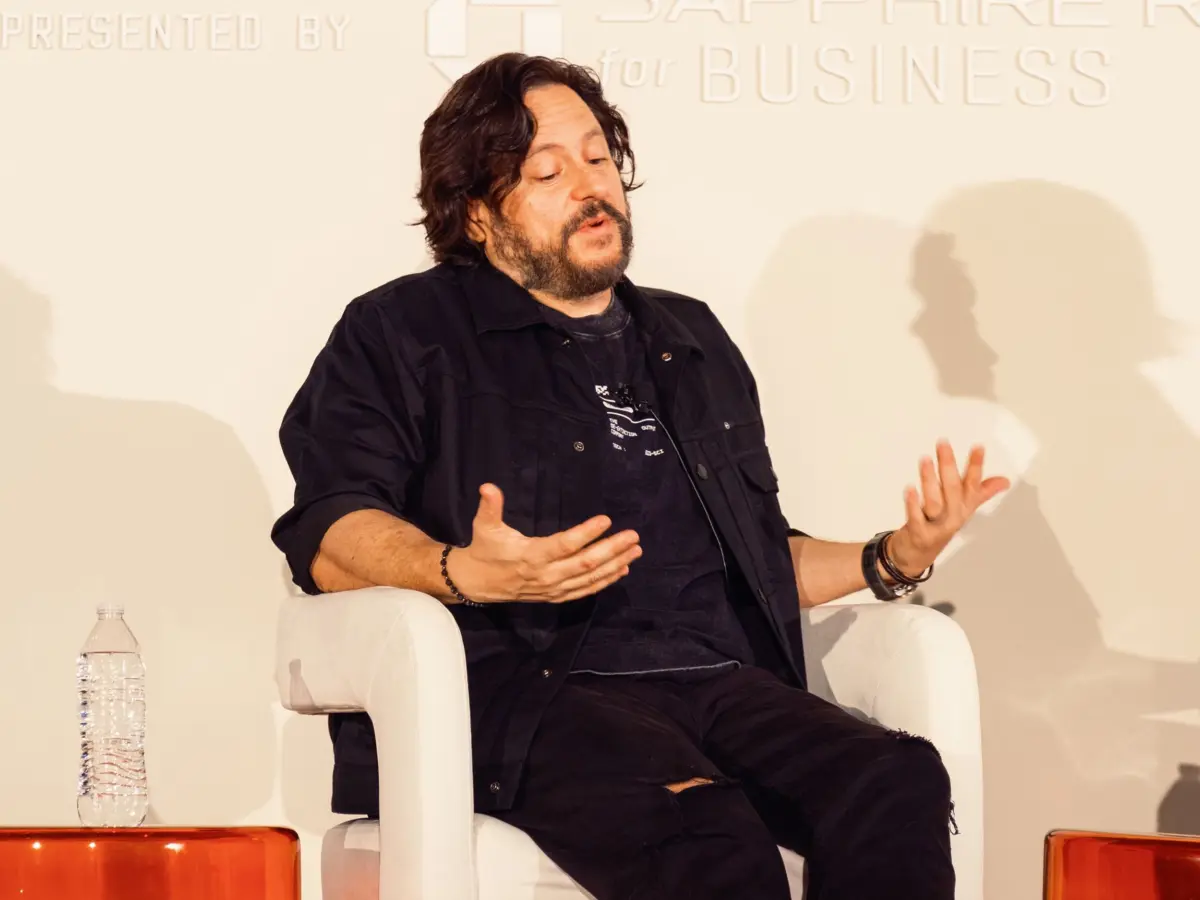
Speaking at the WIRED World Fair, Lamm offered a candid look into the mechanics of the company’s influence, detailing how Colossal successfully navigated a pragmatic, transactional Trump administration. By aligning its pitch with core political incentives—technological innovation, capital efficiency, cost reduction, and high-visibility policy victories—Colossal secured an unlikely partnership with the federal government to spearhead a nationwide endangered species DNA biobanking initiative.
Yet, this high-wire act exists at the intersection of profound scientific ambition and intense controversy. Valued at over $10 billion during its Series C funding round and eyeing a staggering $20 billion to $30 billion valuation in impending private markets, Colossal is expanding far beyond its initial vision of resurrecting the woolly mammoth and the dire wolf. The company’s sprawling commercial ecosystem now encompasses ventures designed to neutralize plastic waste via engineered microbes, alongside Warhound—a military-focused defense startup developed in tandem with Anduril CEO Palmer Luckey to produce genetically enhanced working dogs.
These sweeping commercial ambitions have drawn a storm of criticism. Environmental conservationists argue that the narrative of "de-extinction" acts as a dangerous moral hazard, offering a futuristic technological alibi for contemporary habitat destruction and undermining urgent near-term conservation frameworks. Simultaneously, evolutionary biologists and geneticists have accused Colossal of marketing overreach, pointing out that creatures marketed as "resurrected" dire wolves are, in biological reality, highly engineered gray wolf proxies. Furthermore, the company’s flagship timeline for woolly mammoth reintroduction has slipped past its initial 2028 target, forcing a pragmatic pivot in how leadership describes its creations.
This investigative feature explores the mechanics of Colossal’s political strategy, its sprawling financial and industrial footprint, the contentious scientific debates surrounding its genetic milestones, and what the future holds for a company attempting to rewrite the biological rules of the natural world.
Detailed Chronology
The Genesis of a Technological Titan
Founded in 2021, Colossal Biosciences burst onto the biotechnology scene with a singular, audacious premise: to use CRISPR and advanced synthetic biology techniques to reverse extinction, starting with the woolly mammoth. Backed by an initial wave of venture capital and driven by George Church’s foundational work at Harvard Medical School in genetic sequencing and editing, the startup promised to introduce cold-adapted elephant hybrids back to the Arctic tundra to help combat permafrost thaw and climate change.
Scaling the Portfolio: From Plastics to Defense
As the company matured, its scope rapidly widened. Rather than focusing strictly on paleogenomics, Colossal began spinning off specialized ventures designed to monetize its proprietary genetic and biological toolkits.
- Biodegradation Tech: The company launched subsidiary efforts focused on leveraging engineered microbes to systematically break down persistent plastics, tapping into the lucrative industrial sustainability market.
- Warhound and Defense Biotechnology: In a move that signaled a departure purely from wildlife conservation into national security applications, Lamm partnered with Anduril CEO Palmer Luckey to found Warhound. The startup aims to deploy genetic engineering to produce specialized working dogs for military, law enforcement, and emergency response operations, theoretically reducing reliance on traditional European breeding facilities.
- National Biobanking Integration: In early 2026, Colossal achieved a major policy breakthrough by partnering with the United States Department of Interior. The initiative—designed to collect, catalog, and preserve genetic material from critically endangered species—marked a rare alignment between a cutting-edge biotech firm and an executive administration traditionally skeptical of progressive environmental regulations.
Timeline Re-alignment and Scientific Adjustments
By mid-2026, the realities of mammalian genetic engineering began to temper initial public relations timelines. While Colossal announced significant progress—including over 130 specific gene edits toward a mammoth genome—company leadership conceded that the highly anticipated 2028 delivery window for a living, breathing woolly mammoth hybrid would be missed. Concurrently, the unveiling of "dire wolf" proxies generated intense debate within the scientific community regarding taxonomy, genetic purity, and the ethical implications of marketing genetically modified extant species as resurrected prehistoric megafauna.
Supporting Context & Metrics
Financial Trajectory and Valuation Mechanics
Colossal’s financial engine operates on a scale rarely seen in pre-revenue or early-stage life sciences companies.
- Series C Capital Influx: Last year, the company closed a massive $230 million Series C funding round, catapulting its valuation to an impressive $10.2 billion.
- Upcoming Funding Rounds: According to reporting by Axios, Colossal has initiated discussions for a subsequent funding round targeting an enterprise valuation between $20 billion and $30 billion. This exponential growth reflects investor enthusiasm for foundational biotech platforms that can pivot fluidly between conservation, industrial applications, and defense.
The Political Calculus: Navigating the Trump Administration
Translating high-concept synthetic biology into federal policy requires a sophisticated understanding of executive incentives. Ben Lamm’s assessment of the current administration’s decision-making framework boils down to four distinct pillars:
- Technological Supremacy: A foundational belief that American technological dominance must extend into genomics and synthetic biology to counter geopolitical rivals.
- Capital Efficiency and Profit Generation: Support for initiatives that stimulate domestic private-sector investment, job creation, and scalable commercial markets.
- Fiscal Pragmatism: Favoring programs that promise to save federal expenditures through public-private partnerships rather than heavy reliance on taxpayer-funded agency expansions.
- High-Impact Wins: The pursuit of visible, culturally resonant achievements that demonstrate administrative action and forward-looking vision.
By framing its endangered species biobanking initiative through these political priorities, Colossal successfully bypassed traditional ideological divides, embedding itself within federal conservation-adjacent infrastructure without triggering partisan resistance.
Comparative Biological Metrics: Ambition vs. Reality
To understand the scientific friction surrounding Colossal, it is helpful to examine the quantifiable scope of their headline projects:
| Project | Initial Target / Claim | Current Scientific Status | Primary Critique |
|---|---|---|---|
| Woolly Mammoth | Living hybrid calf by 2028 | 130+ targeted gene edits completed; timeline extended | Reclassified by critics as a "hairy elephant" rather than a true de-extinct species |
| Dire Wolf | "De-extinction" of prehistoric apex predator | Gene-edited gray wolf proxies produced and announced | Genomically close to gray wolves; classified by biologists as a phenotypic modification |
| Endangered Biobanking | Comprehensive DNA archive for at-risk fauna | Active partnership with the US Department of the Interior | Viewed by conservationists as a distraction from live-habitat preservation |
Official Statements and Industry Perspectives
Ben Lamm on Pragmatism, Politics, and PR
Addressing attendees at the WIRED World Fair, Ben Lamm defended the company’s pragmatic engagement with political systems and its unconventional approach to conservation biology.
"The Trump administration likes technology, they like to make money, they like to save money—and they also really like to take exciting wins," Lamm stated, explaining the strategic rationale behind aligning Colossal’s biobanking efforts with federal agencies.
Addressing critics who argue that de-extinction undermines present-day conservation funding and political will, Lamm adopted an urgent, realpolitik tone:
"When you look at the dire forecasts for global biodiversity, you don’t put your head in the sand for four years. You work with the political realities on the ground to secure genetic material before it is lost forever."
Lamm also acknowledged the semantic and taxonomic debates surrounding the company’s creations. Whether observers choose to label their gene-edited creations as modified gray wolves or refer to future mammoth hybrids as "hairy elephants," Lamm remains unfazed, arguing that the underlying technological progress matters far more than purist nomenclature. Furthermore, while dismissing internet speculation about resurrecting the Megalodon—quipping that "the ocean is already scary"—he maintained that Colossal has actually "undersold" its core gene-editing capabilities, promising future breakthroughs that will provide "surprise and delight moments for the world."
The Conservationist Backlash
The scientific community, however, remains deeply divided over Colossal’s methods and messaging. Prominent conservation biologists argue that the multi-billion-dollar valuation and media spectacle surrounding de-extinction creates a dangerous moral hazard.
Dr. David Jachowski, a professor at Clemson University who has previously spoken with WIRED regarding the company’s genetic announcements, emphasized the inherent subjectivity in defining species boundaries. When a corporation labels a modified gray wolf a "dire wolf," critics argue it crosses the line from rigorous science into speculative entertainment.
Furthermore, environmental organizations have consistently warned that promising the public a technological reset button for extinct species diminishes political accountability for ongoing habitat destruction. If society believes science can simply resurrect a species once it disappears, the urgency to protect existing natural ecosystems and combat climate-driven habitat loss is severely diluted.
Future Outlook
As Colossal Biosciences looks toward its next monumental capital raise and the continued scaling of its subsidiaries—from plastic-eating microbes to military-grade canine engineering via Warhound—the company stands at a profound crossroads.
The coming decade will test whether synthetic biology can deliver tangible ecological restoration tools or if it will remain a high-end exercise in genetic styling. While the timeline for the woolly mammoth has inevitably stretched past initial projections, the foundational genome-editing tools being forged within Colossal’s laboratories are undeniably reshaping the boundaries of modern science.
Ultimately, Colossal’s trajectory will depend on its ability to bridge the widening chasm between corporate public relations and rigorous peer-reviewed biology. If the company can successfully leverage its multi-billion-dollar war chest to build resilient ecosystems and genuinely safeguard endangered biodiversity through its federal biobanking partnerships, it may fundamentally rewrite the narrative of human intervention in the natural world. If it fails to manage the skepticism of the scientific establishment, however, it risks being remembered as one of biotech history’s most sophisticated and expensive exercises in speculative ambition.