Executive Overview
The debate surrounding digital privacy, government surveillance, and the constitutional boundaries of search and seizure is often framed as a modern dilemma born of the internet age. However, the foundational ethos of protecting individual privacy from state intrusion predates modern democracy itself. From 17th-century English common law to the drafting of the U.S. Constitution, the principle that citizens possess a fundamental right to sanctuary from unwarranted government oversight has remained a cornerstone of liberty.
In the 21st century, this historic ideal faces its most profound stress test. Smartphones, connected laptops, cloud storage, and ubiquitous Internet of Things (IoT) devices generate vast constellations of personal data. This digital exhaust—comprising browsing habits, location history, private communications, and biometric markers—creates a persistent digital footprint accessible to malicious hackers, corporate data brokers, and government agencies alike.
Against the backdrop of increasing geopolitical tensions, state-sponsored cyber operations targeting voter registration systems, and political rhetoric signaling an expansion of domestic surveillance, the urgency to protect digital boundaries has never been higher. Civil libertarians, technologists, and ethical hackers warn that the erosion of encryption and the expansion of data collection policies threaten not only individual autonomy, but national security itself. This article explores the historical roots of digital privacy, maps the chronology of modern surveillance concerns, examines actionable strategies for cryptographic self-defense, and evaluates the future outlook of civil liberties in a hyper-connected society.
Detailed Chronology: From Common Law to the Digital Frontier
Understanding the trajectory of privacy rights requires tracing the evolution of legal protections and technological capabilities over centuries. The following chronology outlines key milestones in the defense of personal space against institutional intrusion:
- 1604 (The Birth of the Castle Doctrine): In the landmark English legal ruling known as Semayne’s Case, Sir Edward Coke, serving as the Attorney General, declared that "the house of every one is to him as his castle and fortress." This historic assertion established that the King’s agents could not enter a private home without lawful authority, setting a precedent that individual sanctuary is protected from absolute sovereign power.
- Late 18th Century (Constitutional Protections in America): Deeply influenced by British abuses—such as general warrants and writs of assistance that allowed imperial authorities to search colonial homes and seize personal papers at will—the American Founding Fathers enshrined the Fourth Amendment into the Bill of Rights. This constitutional safeguard protected citizens against "unreasonable searches and seizures."
- 1928–1967 (Adapting to Wiretaps): As communication technology advanced, the legal definition of a "search" was forced to evolve. In Olmstead v. United States (1928), wiretapping was initially ruled exempt from Fourth Amendment protections because physical trespass did not occur. However, this was overturned in Katz v. United States (1967), establishing the modern legal standard that the Fourth Amendment protects "people, not places," thereby extending privacy rights to electronic communications.
- Late 20th Century to 2013 (The Rise of Digital Surveillance): The rapid commercialization of the internet and the passage of legislative measures, such as the USA PATRIOT Act following the September 11 attacks, dramatically expanded the federal government’s surveillance capabilities. This era culminated in the 2013 disclosures by former National Security Agency (NSA) contractor Edward Snowden, which revealed the scale of mass electronic surveillance programs targeting domestic and international communications.
- 2015–2016 (The Encryption Wars and Election Interference): Public battles between technology giants like Apple and federal law enforcement over device encryption highlighted a growing ideological chasm between security and privacy. Simultaneously, federal authorities reported widespread foreign cyber operations targeting state voter registration databases, escalating concerns over the vulnerability of domestic democratic infrastructure to malicious state actors.
Supporting Context & Metrics: The Anatomy of Modern Data Exposure
The modern digital ecosystem is engineered for persistent observation. Every online interaction leaves behind fragments of data that, when aggregated, paint an intimate and comprehensive portrait of an individual’s life, political views, medical history, and personal relationships.
The Illusion of "Nothing to Hide"
A common refrain against privacy advocates is the assertion that "if you haven’t done anything wrong, you have nothing to hide." However, security experts and human rights advocates point out that human dignity, intimacy, and authentic self-expression cannot exist without a private sphere. Privacy is not merely about concealing illicit behavior; it is about exercising control over one’s personal identity.
In the digital realm, "metadata"—the data about data, such as who you called, when you sent an email, where your phone pinged a cell tower, and how long you lingered on a specific webpage—often reveals more about an individual than the actual content of their communications. This information can be weaponized by authoritarian regimes, criminal enterprises, or commercial entities seeking to manipulate consumer behavior or political leanings.
Threat Vectors in the 21st Century
Contemporary digital threats fall into several distinct categories:
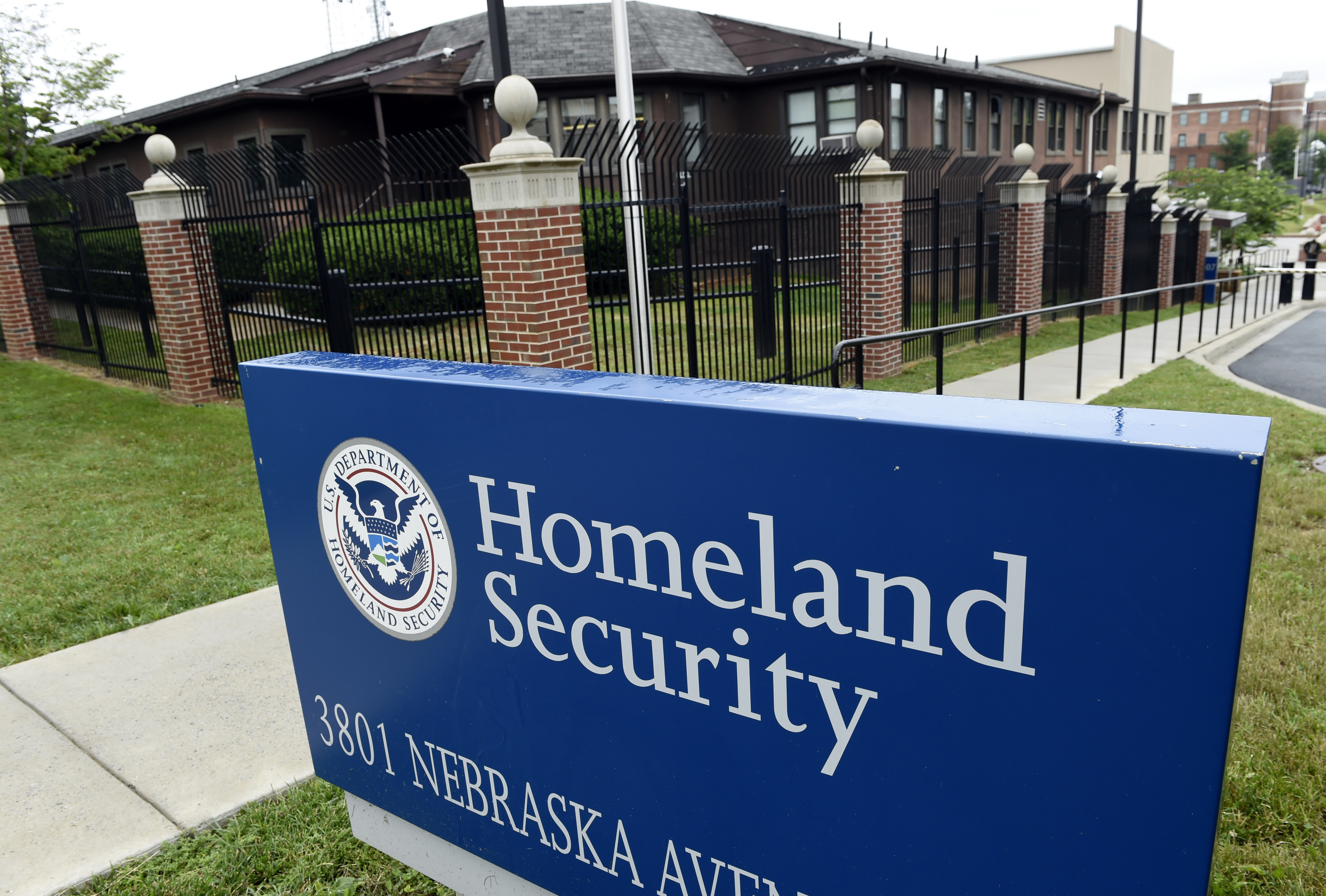
- State-Sponsored Surveillance: Governments increasingly demand "backdoors" into encrypted communication channels, arguing that such access is vital for counterterrorism and law enforcement. Technologists warn that creating an intentional vulnerability for law enforcement inevitably compromises the security of the entire system, making it vulnerable to foreign intelligence agencies and cybercriminals.
- Corporate Data Harvesting: Free digital services often monetize user data through hyper-targeted advertising and third-party data brokers. Browsing habits, social media interactions, and location histories are continuously harvested and analyzed.
- Malicious Hacking: Cybercriminals employ sophisticated malware, phishing campaigns, and man-in-the-middle attacks to intercept financial credentials, corporate intellectual property, and personal communications.
Official Statements and Policy Debates
The tension between national security imperatives and individual digital rights has generated intense debate among policymakers, law enforcement agencies, and technology leaders.
- Law Enforcement and Intelligence Perspectives: Officials from federal agencies have consistently argued that widespread end-to-end encryption creates "zones of lawlessness" where criminal conspiracies, human trafficking rings, and terrorist networks can operate undetected. Proponents of expanded surveillance argue that technology companies have a social responsibility to assist governments in intercepting communications when authorized by judicial warrants.
- Technological and Civil Liberties Warnings: Conversely, technologists, cryptographers, and civil rights organizations emphasize that security cannot be divided into "good" and "bad" access points. Implementing a cryptographic backdoor renders a network inherently insecure. In a public statement regarding encryption policies, prominent civil liberty organizations noted that weakening digital security undermines the economic stability of e-commerce, banking, and critical infrastructure, leaving millions of citizens vulnerable to hostile foreign actors.
Practical Cyber Defense: Protecting Your Digital Footprint
For individuals seeking to reclaim their digital privacy in an era of heightened surveillance, ethical hackers and security researchers recommend a multi-layered approach to digital hygiene.
1. Secure Communications (End-to-End Encryption)
Standard cellular calls and SMS text messages are transmitted in plain text and can be easily intercepted by telecom providers or malicious actors. To ensure that only the sender and intended recipient can read messages, users should employ end-to-end encrypted applications:
- Signal and WhatsApp: Free applications available for iOS and Android that provide robust end-to-end encryption for voice calls, video calls, and instant messaging. Both parties must use the same application for the encryption to function.
- ProtonMail and Tutanota: Secure, Swiss- and German-based email providers that offer end-to-end encryption and zero-access architectures, ensuring that service providers cannot read or hand over user emails to third parties.
2. Mitigating Browser Tracking
Web browsers routinely load assets from dozens of different third-party trackers, advertisers, and social media widgets when a user visits a simple web page.
- Browser Extensions: Installing free, open-source browser extensions such as uBlock Origin or Privacy Badger effectively blocks invisible trackers, scripts, and advertisements from monitoring browsing habits across the web.
- Alternative Search Engines: Transitioning from search engines that profile users and retain query logs to privacy-focused alternatives like DuckDuckGo prevents search histories from being commercialized or subpoenaed.
3. Encrypting Internet Traffic via VPNs
When connecting to untrusted Wi-Fi networks (such as those in cafes, airports, or hotels), internet traffic can be intercepted.
- Virtual Private Networks (VPNs): Services like Freedome by F-Secure route a user’s internet traffic through an encrypted tunnel to a remote server, masking the user’s real IP address and shielding browsing data from Internet Service Providers (ISPs) and local network sniffers.
4. Account Hardening and Device Encryption
- Two-Factor Authentication (2FA): Enabling 2FA on email, banking, and social media accounts requires a secondary verification method—such as an authenticator app or an SMS code—significantly reducing the risk of unauthorized account access even if a password is compromised.
- Full-Disk Encryption: Modern smartphones (iOS and Android) and personal computers offer native settings to encrypt stored files, safeguarding personal media and documents if a device is physically lost or stolen.
- Data Minimization: Adopting cautious habits regarding personal data—such as using secondary email addresses or temporary phone numbers for non-essential online sign-ups—limits exposure during corporate data breaches.
Future Outlook
As artificial intelligence, quantum computing, and the Internet of Things continue to accelerate technological development, the battleground for digital privacy will only expand. The proliferation of smart home devices, connected vehicles, and biometric surveillance systems promises to integrate data collection even deeper into daily life.
Whether future governance will tilt toward invasive state control or reinforce robust constitutional protections depends heavily on public awareness, legislative oversight, and the continued resilience of cryptographic tools. As history demonstrates, the impulse of centralized authorities to peer into the private lives of citizens is a constant across eras. Consequently, the defense of digital privacy must be viewed not as a passing technological trend, but as an essential, ongoing defense of human liberty and democratic self-determination in the digital age.