Executive Overview
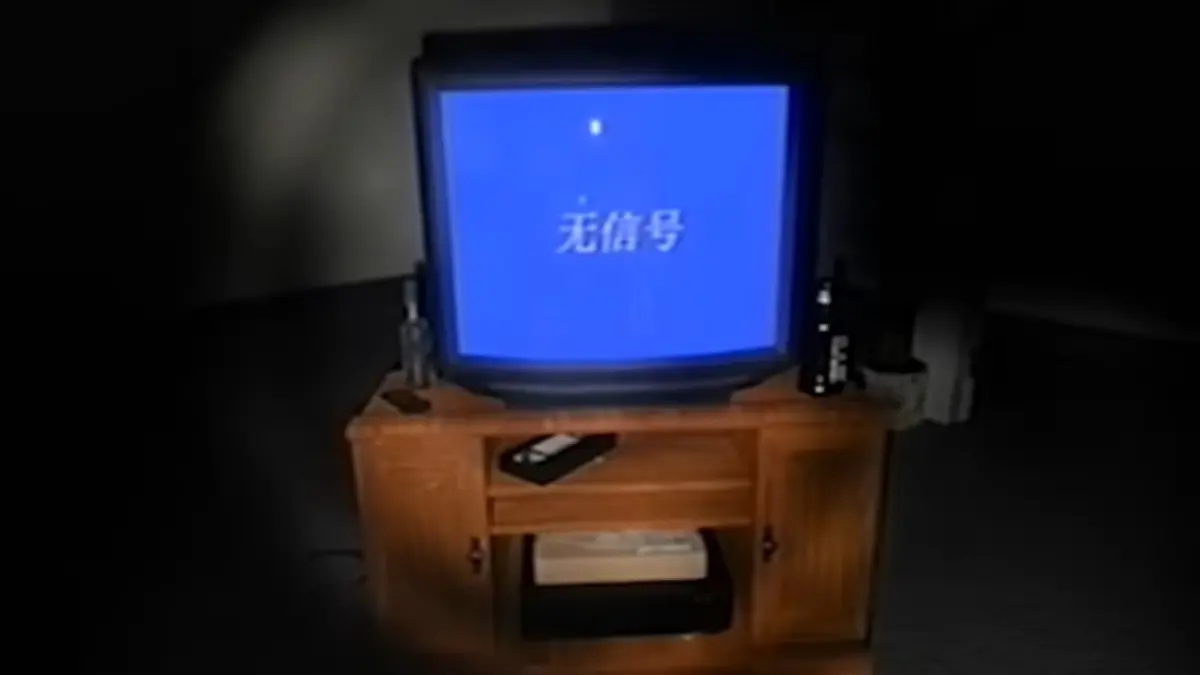
In the sprawling, hyper-accelerated ecosystem of modern internet culture, virality often arrives wrapped in the neon slickness of high-definition edits and upbeat pop anthems. Yet, counter-intuitively, a deep counter-current of internet horror continues to capture the collective imagination of millions. The latest phenomenon to grip short-form video platforms is the "No Signal" trend, a masterclass in digital atmosphere characterized by grainy, lo-fi footage, unsettling audio loops, and abrupt interruptions of a stark blue screen bearing ominous Chinese lettering.
Originating from the liminal corridors of Kane Parsons’ viral Backrooms cinematic universe—specifically the 2026 theatrical and YouTube release Backrooms: Everything Must Go Edition—the trend has rapidly evolved past its cinematic roots. Throughout August and September 2026, TikTok creators have weaponized the aesthetic, translating the creeping dread of signal loss and anomalous entities into bespoke edits spanning Roblox, Minecraft, Sonic the Hedgehog, and even analog horror adaptations of The Simpsons.
This comprehensive investigation explores the anatomy of the "No Signal" trend, charting its trajectory from a terrifying post-credits sequence by a teenage YouTube prodigy to a cross-platform cultural touchstone. By analyzing its structural components, community-driven remixes, and the psychological mechanics of internet horror, this report uncovers why audiences continue to find comfort—and terror—in the static.
Detailed Chronology: From the Silver Screen to the Infinite Feed
To understand the mechanics of the "No Signal" trend, one must trace its lineage back to the visionary independent filmmaking of Kane Parsons, known online as Kane Pixels. Parsons, who single-handedly redefined digital horror on YouTube through his atmospheric Backrooms shorts, pushed his cinematic project into new territory in mid-2026.
July 3, 2026: The Theatrical and Digital Awakening
On July 3rd, 2026, Backrooms: Everything Must Go Edition hit theaters. The special cut of Parsons’ ongoing project offered audiences an expansive theatrical experience, capped off by a heavily discussed, 15-minute post-credits sequence. Shortly after its cinematic debut, the sequence was uploaded directly to the Kane Pixels YouTube channel, where it quickly amassed over 4 million views within a single month.
The narrative climax of this bonus footage plunges viewers into the disorienting, claustrophobic yellow wallpaper of the Backrooms. Researchers discover an anomalous, flickering television set nestled within an isolated room. As a hypnotic, jazz-tinged loop plays, the video feed periodically severs, cutting abruptly to a jarring blue screen centered with distinct Chinese characters—translating roughly to "No signal." The implication is chilling: the broadcast is not merely failing due to technical malfunction, but is being actively intercepted or manipulated by an unseen, hostile entity inhabiting the liminal space.
July 7, 2026: The Sonic Blueprint
The auditory cornerstone of the trend was isolated and replicated just days later. On July 7th, 2026, YouTuber IVNB611 published an acoustic reconstruction of the haunting song featured in the sequence. Garnering over 122,000 views in two months, the video unveiled the source DNA of the haunting melody: a sample titled "SOULSURPLUS_elevador_melodic_loop_6_piano_chords_bossa_nova_jazz_78_bpm_Bmin.wav."
By juxtaposing smooth, nostalgic elevator-jazz piano chords against the raw, visceral terror of a systemic breakdown, the audio provided an unsettling emotional juxtaposition. It was smooth yet wrong; comforting yet deeply eerie. The stage was officially set for internet creators to experiment.
August to September 2026: Algorithmic Spread and Cross-Over Horrors
The transition from passive viewing to active participation occurred in early August 2026. On August 4th, TikToker @zaciii11037 published a remix of the "No Signal" audio layered over a Roblox-themed horror image. The video struck a nerve, pulling in over 1.7 million views in three weeks and establishing a blueprint for user-generated interpretations.
From there, the trend mutated across fandoms and aesthetic subcultures:
- August 18, 2026: User @edensonicmaniagd applied the template to Sonic the Hedgehog media, cutting away from classic gameplay into the void of the blue "No Signal" screen, netting 440,000 views.
- August 24, 2026: @thesamydonut2 brought the trend back to its roots with dedicated Backrooms live-action roleplay edits, crossing the 282,000-view threshold.
- September 1, 2026: The scope widened into surreal territory as @eli77423 integrated unofficial Simpsons ARG (Alternate Reality Game) modifications, gathering over 100,000 views.
- September 16, 2026: @sunnyydeii merged the meme with Minecraft horror aesthetics, proving the versatility of the format with 434,000 views.
Supporting Context & Metrics: The Anatomy of Digital Liminality
The explosive growth of the "No Signal" phenomenon cannot be understood in a vacuum. It sits at the intersection of several dominant currents in contemporary digital culture: the resurgence of analog horror, the obsession with liminal spaces, and the participatory nature of TikTok video editing.
Quantitative Engagement Overview
| Date (2026) | Creator | Subject Matter / Fandom | Platform | Key Metrics |
|---|---|---|---|---|
| July 3 | Kane Parsons (Kane Pixels) | Original Backrooms Post-Credits | YouTube | 4M+ views (1 month) |
| July 7 | IVNB611 | Audio Recreation / Sample Breakdown | YouTube | 122K+ views (2 months) |
| August 4 | @zaciii11037 | Roblox Horror Remix | TikTok | 1.7M+ views (3 weeks) |
| August 18 | @edensonicmaniagd | Sonic the Hedgehog | TikTok | 440K+ views (1 month) |
| August 24 | @thesamydonut2 | Backrooms Live-Action / LARP | TikTok | 282K+ views (1 month) |
| September 1 | @eli77423 | The Simpsons ARG / Mod | TikTok | 100K+ views (3 weeks) |
| September 16 | @sunnyydeii | Minecraft Horror | TikTok | 434K+ views (2 weeks) |
The Psychological Appeal of the Blue Screen
Why does an image signifying a broken television broadcast evoke such primal unease? Psychologists and media theorists point to the concept of technological vulnerability. Modern humans place profound trust in digital interfaces to mediate reality. When a screen abruptly drops its expected output and replaces it with flat, unfeeling geometry and foreign typography, it creates an ontological shock.
In the context of the Backrooms and the broader creepypasta ecosystem, the "No Signal" screen acts as a visual threshold. It signals to the viewer that the safe boundary of the media consumer has been breached. You are no longer watching a video; you are being watched through a failing lens.
Official Statements and Industry Impact
While major media conglomerates rarely comment directly on fast-moving TikTok trends, the ripple effects of Kane Parsons’ work highlight a profound shift in how independent creators interact with traditional Hollywood distribution models. Parsons, who began his filmmaking journey as a teenager rendering CGI environments in Blender, has effectively blurred the line between studio-produced cinematic universes and decentralized internet folklore.
Industry analysts note that Backrooms: Everything Must Go Edition succeeded precisely because it left structural "open loops" for audiences to pull on. By embedding enigmatic, untranslated elements—such as the Chinese "No Signal" warnings—into the cinematic experience, creators provide fertile soil for community participation.
Independent digital culture commentators have praised the trend for its collaborative ethos. Unlike traditional marketing campaigns that dictate a singular narrative, the "No Signal" phenomenon functions as an open-source template. Creators across the globe borrow the structural grammar of the jump-cut, the jazz-fusion loop, and the blue warning screen to tell their own micro-horror stories within beloved gaming and animation universes.
Future Outlook: Where Does the Static Lead?
As the initial autumn surge of the "No Signal" trend stabilizes, its long-term footprint on digital culture is already coming into focus. The trend has proven that analog horror and liminal aesthetics are not dying fads, but enduring genres capable of evolving alongside new media technologies.
- Cross-Platform Integration: Expect to see the aesthetic bleed further into independent video game development. Developers of indie psychological horror titles routinely monitor platforms like TikTok and YouTube to gauge what scares modern audiences; the inclusion of "No Signal"-style reality-breaking mechanics in upcoming indie titles is all but guaranteed.
- Audio Evolution: The specific jazz-piano sample popularized by IVNB611 and remixed by creators like @zaciii11037 has established its own auditory shorthand. Much like the iconic orchestral swells of classic horror or the distorted VHS hums of early analog horror, the "No Signal" chord progression will likely echo through subsequent digital horror movements.
- The Decentralization of Horror: As long as creators continue to find new sandboxes—be it Roblox, Minecraft, classic cartoons, or corporate mascots—to infect with digital decay, variations of this trend will persist. The fear of being disconnected, of losing the feed, and of encountering the void behind the screen remains a universal modern anxiety.
Ultimately, the "No Signal" trend reminds us that horror on the internet thrives in the margins. It lives in the dropped frames, the corrupted audio files, and the sudden, terrifying realization that the broadcast has ended—and something else has taken its place.