Executive Overview
The landscape of artificial intelligence image generation is suffering from a massive perception crisis. To the untrained eye, feeds across LinkedIn, X, and corporate websites are flooded with uniform, uncanny, and generic visuals—a phenomenon colloquially known as "AI slop."
However, industry experts argue that laying the blame on the technology itself misses the mark. AI image generation has evolved past the days of warped, six-fingered hands, plastic-textured skin, and jagged diffusion-based artifacts. Modern language-backed models, such as OpenAI’s GPT Image and multi-model ecosystems like Magnific, possess the capability to produce photography, 3D renders, and brand-aligned assets that are utterly indistinguishable from professional studio work.
The underlying bottleneck is not technological; it is a skill gap. Without intentional preparation, precise reference assets, and structured prompting frameworks, users inadvertently force AI tools to default to statistical averages—yielding predictable, cookie-cutter outcomes. This report explores how marketers can break free from generic output by leveraging a seven-pillar prompt framework, advanced multi-model tools, and precise reference management to command true creative control.
Detailed Chronology: The Evolution of AI Imagery and the Rise of Intentional Design
To understand why so much AI imagery looks homogeneous, one must trace the rapid technological shifts that have occurred over the last several years.
From Diffusion Noise to Contextual Intelligence
When commercial AI image tools first emerged, they relied primarily on diffusion-based models. These systems started with a field of random visual noise and systematically chiseled away at it—akin to a sculptor hacking at marble—to reveal an approximation of the user’s text prompt. Because these models lacked deep semantic reasoning, they frequently stumbled over complex human anatomy, text rendering, and spatial coherence.
The current generation of image models represents a fundamental paradigm shift. Powered natively by or tightly coupled with large language models (LLMs), tools like GPT Image do not merely search a database of categorized stock photos. Instead, they leverage learned statistical pixel patterns derived from billions of images mapped to rich text descriptions. Crucially, because they are backed by advanced language processing, these models can think, analyze contextual nuances, process current events, and accurately interpret uploaded reference imagery.

The Death of the Generic Flyer
Despite these monumental leaps forward, the average end-user interaction remains superficial. When a marketer inputs a lazy command like "Make me a promotional flyer for my product using this text," the system naturally falls back on its training weights. It selects the safest, most statistically common fonts, predictable icon placements, and middle-of-the-road color palettes.
Experts likening this to judging the entirety of piano music by watching a toddler bang randomly on a keyboard at a dentist’s office. The capability to generate a masterpiece exists; the missing ingredient is the sophistication of the human operator. Modern models can handle complex compositional instructions, exact typography rendering, and specific layout configurations—provided the prompter is equipped to ask for them.
Supporting Context & Metrics: The Marketer’s Dilemma
The challenge of creating standout visual assets occurs against a backdrop of sweeping transformation across the digital marketing ecosystem.
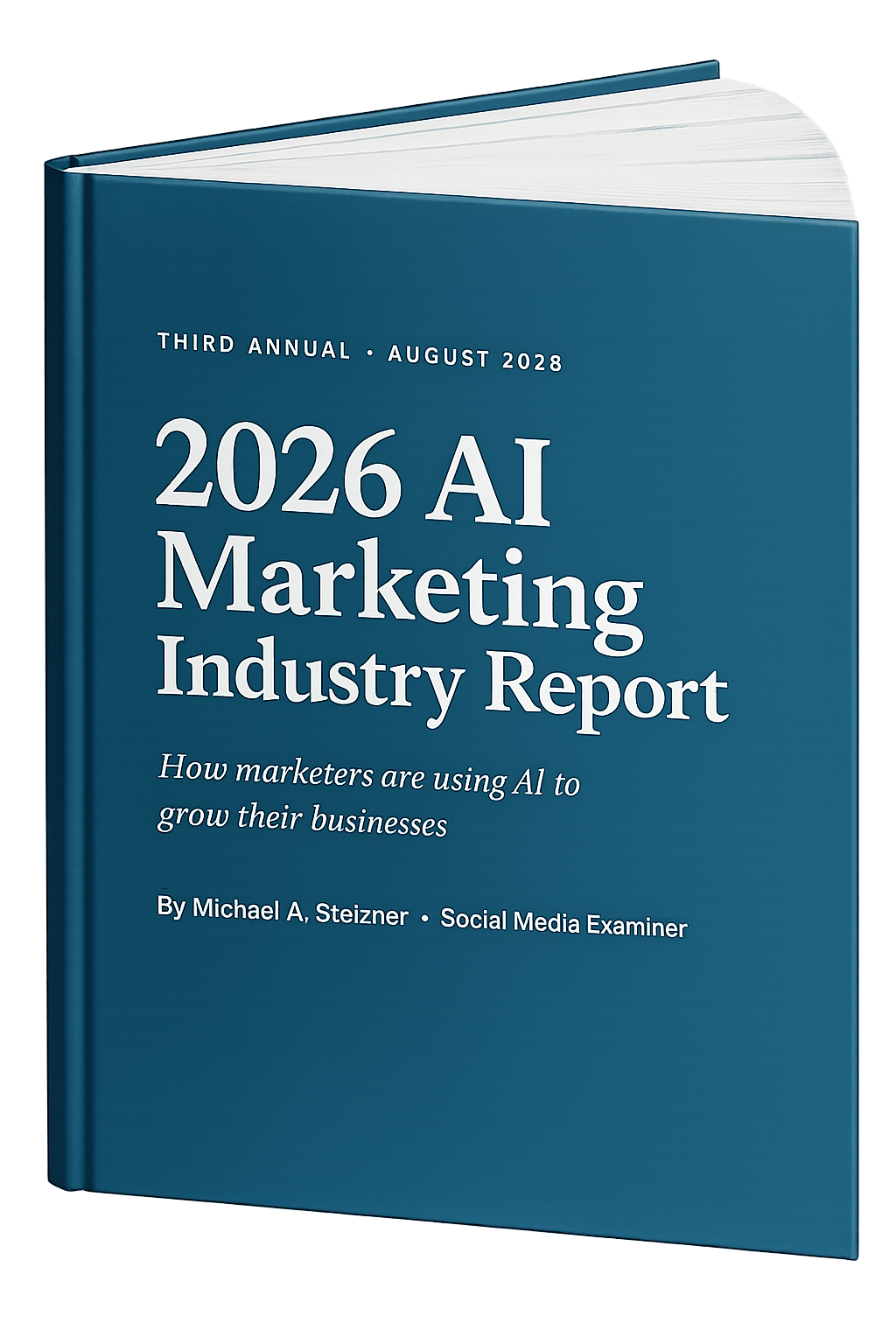
[ AI ADOPTION & LEARNING LANDSCAPE ]
--------------------------------------------------
85% of marketers learn AI through independent experimentation.
 7% receive structured company-sponsored AI training.
>50% personally fund their own professional AI tool stacks.
--------------------------------------------------
Source: Third Annual AI Marketing Industry Report (681 Marketers Surveyed)
Data from industry benchmarks highlights a profound systemic issue: Marketers are largely navigating the AI revolution entirely on their own. According to recent industry surveys, 85% of marketing professionals learn artificial intelligence through self-directed experimentation. Only 7% report receiving formal training from their employers, and more than half are spending out of pocket to access cutting-edge tools.
This isolation leads to widespread trial-and-error, reinforcing the reliance on default prompts and surface-level capabilities. Without shared playbooks or institutional frameworks, teams struggle to operationalize AI for high-volume, brand-consistent output.
Practical Scalability for Product and Service Brands
When utilized correctly, AI image generation solves a logistical nightmare familiar to product-based businesses: the content volume bottleneck. Traditional commercial photography cannot economically scale to accommodate endless product variations.
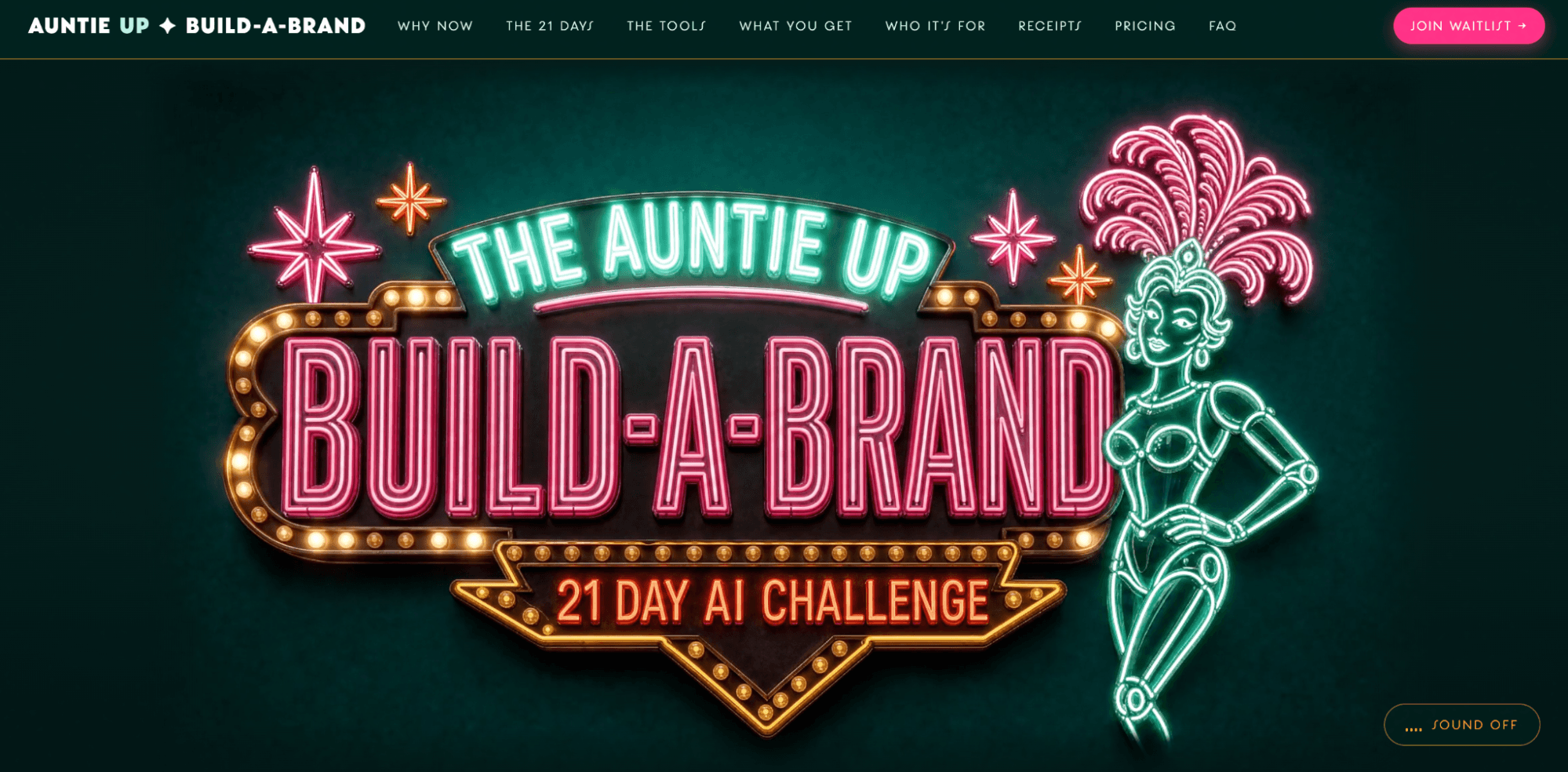
Consider a consumer packaged goods (CPG) company selling a single beverage across ten distinct flavor profiles. Historically, this required ten separate photo shoots or complex, expensive digital manipulation. With modern AI workflows, a brand can establish a single, robust prompt template, feed in a reference image for each flavor, and command the model to construct a distinct, contextually accurate environment tailored to that specific ingredient. The model reads the visual data of the product, identifies the flavor notes (e.g., peach, pineapple, mango), and builds a bespoke surrounding world.
Similarly, service-based and B2B enterprises utilize these frameworks to construct unified visual identities across entire digital properties. By anchoring every asset—from hero website banners to section illustrations—to a shared stylistic reference, brands achieve a level of aesthetic cohesion that once required massive design agencies months to execute.
Official Strategies: Overcoming the Generic Output Loop
Transforming AI from a novelty toy into a reliable production engine requires a disciplined, multi-step methodology. Industry leaders emphasize three critical pillars for success: pre-prompt preparation, structured prompting, and advanced tooling.

Phase 1: Cultivating and Expressing "Taste"
Before logging into an AI workspace, a marketer must bridge the gap between having design taste and being able to articulate it. Recognizing good design intuitively is very different from translating those visual preferences into descriptive, actionable language that an LLM can parse.
- The Taste Accelerator: Professionals can leverage custom-built AI skills or prompts designed to analyze uploaded visual inspiration. By feeding a collection of preferred imagery into an analytical model, users can reverse-engineer their own aesthetic preferences, uncovering the specific lighting choices, camera angles, color palettes, and framing techniques they naturally gravitate toward.
- Precise Reference Management: Quality inputs dictate quality outputs. When feeding reference images to a model:
- People: Provide one clear facial photo and one full-body shot (if applicable). Avoid flooding the model with dozens of extraneous pictures.
- Products & Brands: Upload exact product shots, logos, and brand patterns. For emerging brands, explicitly instruct the model not to alter proprietary logos.
- Color Palettes: Never rely on generic color names (e.g., "blue and orange"). Always provide exact hexadecimal (hex) values to maintain strict brand integrity.
- File Formats: Standard JPEGs and PNGs are universally accepted; complex vector conversions are unnecessary as long as the visual details are clearly visible to the model.
Phase 2: The Seven-Pillar Prompt Framework
To systematically eliminate generic output, prompters should utilize a structured framework covering seven distinct dimensions of visual creation. This acts as a control panel; any pillar left unaddressed defaults to the model’s baseline average.
- Medium: Define the exact visual genre—whether it is a cinematic photograph, a sharpie line-art illustration, a clean 3D render, or a vector-based logo.
- Subject and Action: Move beyond simple nouns. Instead of "a person," specify "a person looking intently into a mirror with a content, grounded expression." Instead of "a soda can," specify "a can of sparkling water, dripping with condensation, balancing precariously on its bottom edge."
- Setting and Scene: Displace default environments with hyper-specific descriptions. Replace a generic "retro diner" with "a dimly lit retro diner featuring rich wooden wall paneling, cracked red vinyl booths, and the ambient glow of vintage neon beer signs."
- Composition: Dictate the framing—wide shot, tight macro close-up, overhead flat-lay, or low-angle dramatic perspective.
- Lighting: Establish mood through precise illumination mechanics, such as "natural golden hour light filtering through sheer white linen curtains" versus "harsh, high-contrast neon backlighting."
- Aesthetic and Vibe: Translate broader stylistic inspirations into descriptive design traits (e.g., geometric symmetry, highly saturated primary colors, centered framing) rather than simply telling the AI to mimic a famous creator.
- Intent: Leverage the LLM’s capacity to process emotional impact. Instruct the model on what the viewer should feel—urgency, calm, luxury, or playful curiosity—which directly influences facial expressions, color warmth, and compositional weight.
Future Outlook: Multi-Model Ecosystems and Integrated Workflows
As the generative AI market matures, the industry is moving away from isolated, single-platform tools toward interconnected, multi-model ecosystems.
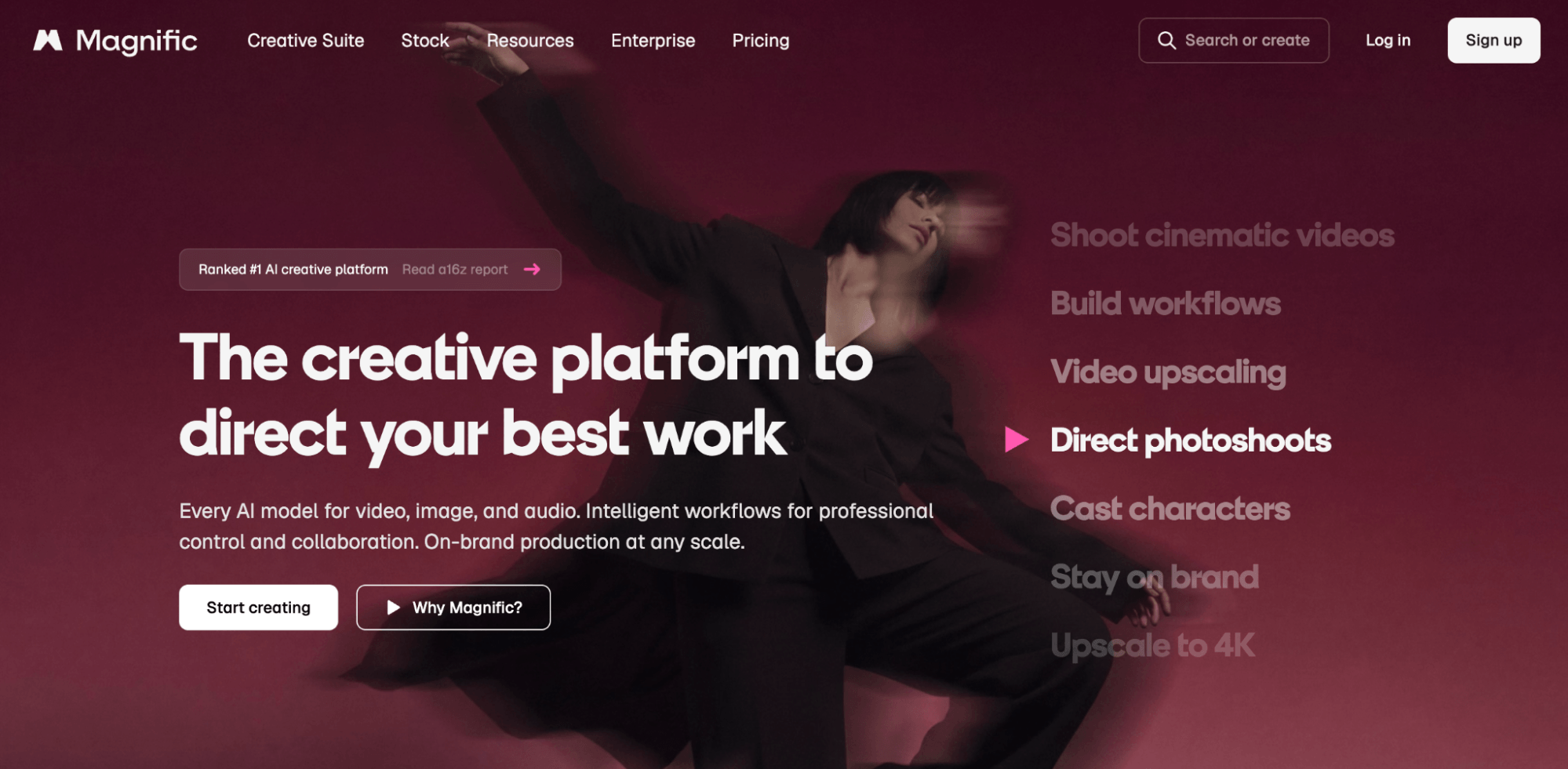
Platforms like Magnific (formerly Freepik) exemplify this shift by allowing users to generate high volumes of variations—such as producing up to eight distinct image options simultaneously from a single prompt. Because AI generation is inherently iterative, having multiple choices drastically increases the probability of capturing a usable asset or a strong foundation for refinement. Furthermore, these platforms enable side-by-side model comparisons (such as pitting GPT Image against Google’s Imagen variants), ensuring marketers can select the optimal neural architecture for specific creative tasks.
The integration of Model Context Protocol (MCP) connectors—such as direct integrations with Claude—allows creative professionals to operate entirely within a single conversational interface. A marketer can write strategy code, generate hyper-specific image prompts via a creative director persona, route those prompts through high-performance generation models, and instantly populate live web development environments or design suites like Adobe Photoshop and Illustrator.
The Path Forward
The era of settling for generic, easily identifiable "AI slop" is drawing to a close. For marketing teams willing to invest in structured prompt engineering, precise asset management, and advanced multi-model workflows, generative AI offers an unprecedented engine for scale, speed, and original creative expression. Those who master these frameworks will not only outpace their competitors in content volume but will permanently elevate the visual standard of digital brand storytelling.