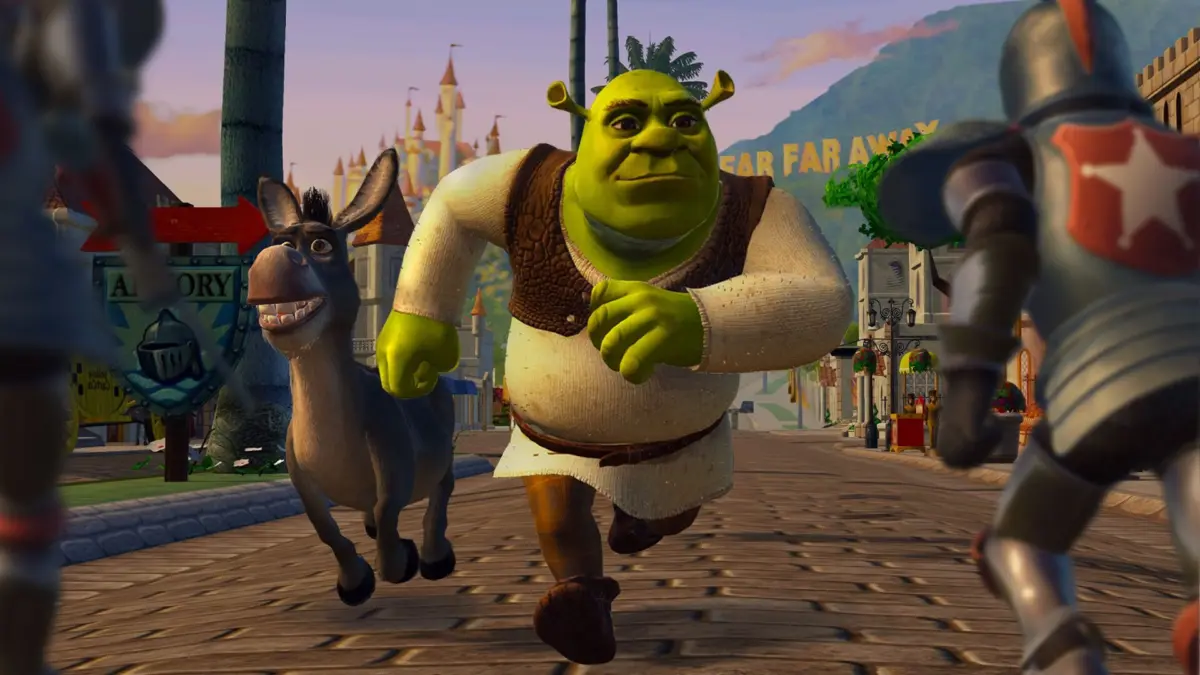
In a development that has caught both nostalgic millennials and the broader gaming community by surprise, Aspyr Media has officially announced the upcoming release of Shrek 2 Remastered. Slated to hit digital storefronts on November 10, this unexpected resurrection brings back the 2004 movie-tie-in platformer originally developed for the PlayStation 2, Xbox, Nintendo GameCube, and PC. While the original release arrived during one of the most culturally defining years in gaming history—sharing shelf space with industry titans like Half-Life 2, Halo 2, and Grand Theft Auto: San Andreas—it largely flew under the radar for mainstream hardcore gamers, remembered instead as a harmless, family-friendly diversion.
The new remaster aims to revitalize the quirky, character-swapping 3D platformer for modern hardware, complete with updated technical foundations and expanded multiplayer options, including online co-op support for up to four players. However, its release window places it in an amusingly precarious position: landing just nine days before the anticipated cultural juggernaut that is Grand Theft Auto 6. Despite the looming shadow of Rockstar’s heavy hitter, Shrek 2 Remastered represents a fascinating trend in modern game preservation and publisher portfolio diversification. Handled by Aspyr Media—a studio recognized for breathing new life into legacy titles—this project invites both a critical re-evaluation of a forgotten licensed game and a celebration of an era of human-crafted development before the pervasive integration of generative AI tooling.
Detailed Chronology: From 2004 Tie-In to Modern Remaster
The 2004 Landscape
To understand the significance of Shrek 2 returning to the spotlight, one must contextualize the landscape of video game development in the mid-2000s. Released in May 2004 to coincide with DreamWorks Animation’s cinematic blockbuster, the original Shrek 2 video game was typical of its era: a rapid-fire adaptation designed to capitalize on box office momentum.
At the time, the gaming industry was operating at a breakneck pace. The year 2004 was an embarrassment of riches for interactive entertainment, marked by the seismic launches of Half-Life 2, World of Warcraft, Halo 2, Metal Gear Solid 3: Snake Eater, and Grand Theft Auto: San Andreas. Amidst these monumental technical and narrative achievements, licensed movie-tie-in games were often viewed through a cynical lens as rushed, low-effort cash grabs designed to fleece unsuspecting parents and young moviegoers.
Critical Reception: A Mixed Legacy
Upon release, the critical consensus surrounding Shrek 2 was surprisingly nuanced, though rarely glowing. Outlets at the time struggled to find high praise for its mechanical depth, yet many acknowledged its functional design.
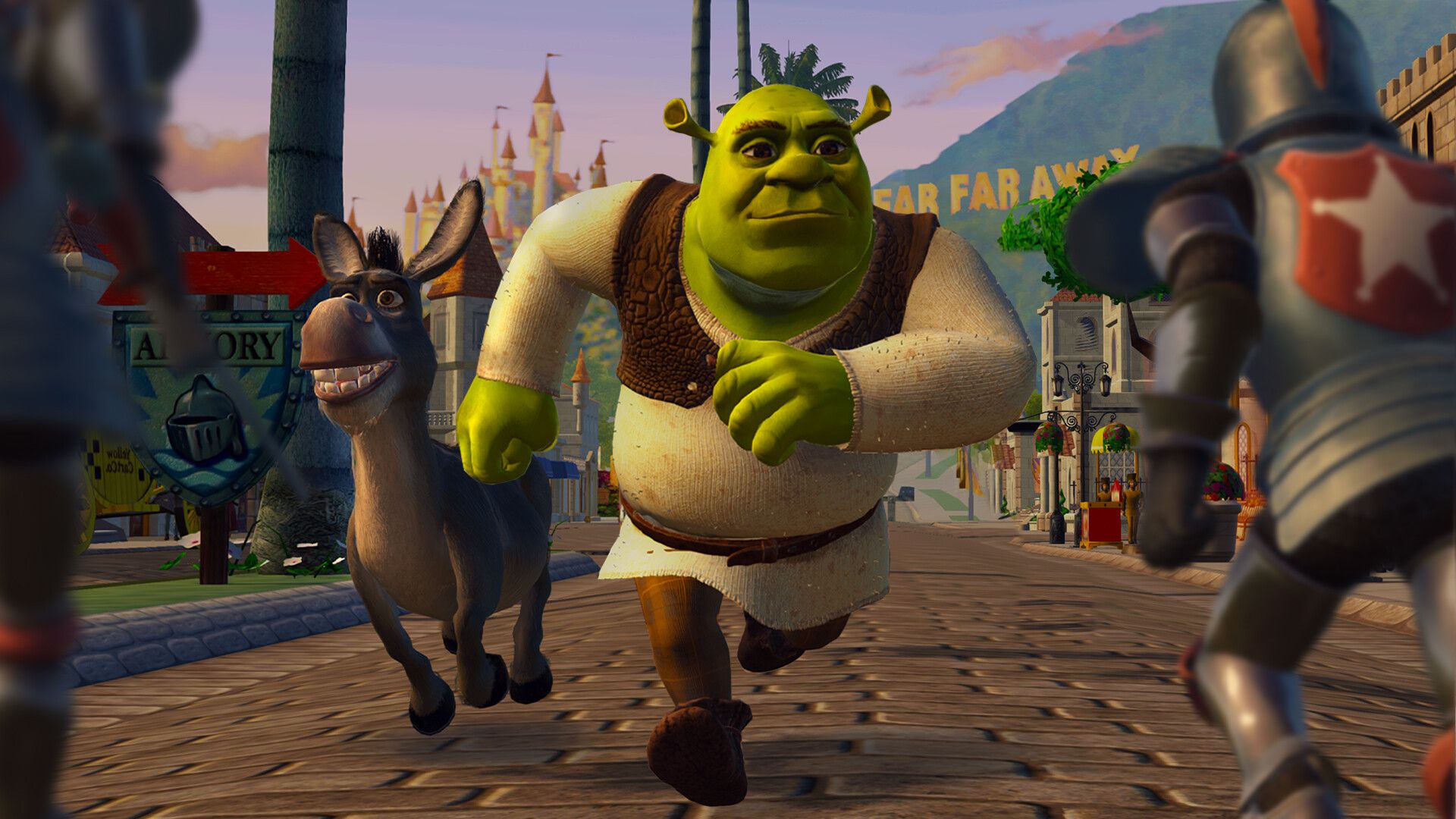
- Nintendo World Report delivered a blunt assessment, noting, "You know folks, this game is pretty bad," pointing toward repetitive mechanics and uninspired level design.
- Eurogamer offered a more diplomatic critique, labeling it as "harmless, inoffensive, middle-of-the-road action for young children."
- IGN awarded the title a respectable 7 out of 10, despite the reviewing critic openly admitting to "dreaded" anticipation prior to booting up the disc.
- Conversely, contemporary reviews for the PC iteration—which differed substantially in development and design from its console counterparts—were harsher. GameSpot noted that the PC version undercut the PlayStation 2 release with "poor visuals, rougher, shallower gameplay, and an outrageously short running time."
The Path to Aspyr Media’s Remaster
Despite its mixed critical standing, the console version of Shrek 2 possessed structural ideas that proved remarkably ahead of their time. The ability to fluidly hot-swap between a roster of four distinct characters on the fly was a mechanic that predated similar implementation in massive open-world titles, arguably planting a seed of mechanical inspiration that later manifested in epics like Grand Theft Auto V. Furthermore, its robust local cooperative gameplay provided genuine couch-co-op entertainment for families.
Recognizing the latent cult nostalgia surrounding the title, publisher initiatives and developer Aspyr Media—known for handling complex preservation projects such as the Lord of the Rings: War in the North re-release and the Neverwinter Nights 2 enhanced edition—set out to modernize the code. Rather than building a complete remake from the ground up, Aspyr has focused on porting and polishing the beloved PlayStation 2 iteration, addressing platform disparities and introducing long-awaited online multiplayer infrastructure to complement its traditional local co-op.
Supporting Context & Metrics
Architectural and Gameplay Features
The transition from 2004 hardware to modern platforms involves significant quality-of-life adjustments. The technical scope of Shrek 2 Remastered encompasses several key pillars:
- Character-Switching Mechanic: Players can seamlessly cycle through a party of four characters—typically featuring Shrek, Donkey, Puss in Boots, and various fairy-tale companions—each equipped with unique traversal and combat abilities required to solve environmental puzzles.
- Cooperative Infrastructure: While the original release was restricted to local split-screen co-op, the Remastered edition introduces fully integrated online multiplayer support for up to four players, allowing friends to experience the campaign together regardless of geographic separation.
- Campaign Structure: The game spans eleven distinct, highly varied levels that faithfully recreate iconic sequences from the animated film, ranging from the frantic escape from the Enchanted Forest to the climactic siege of the Far Far Away kingdom.
Release Timing and Market Dynamics
| Event / Milestone | Date / Details |
|---|---|
| Original Cinematic Release | May 2004 |
| Original Game Launch | May 2004 (PS2, Xbox, GameCube, PC) |
| Remaster Announcement | Late 2023 / Early 2024 Cycle |
| Remaster Official Release Date | November 10 |
| Major Industry Competitor (GTA 6) | November 19 (9 days post-launch) |
The juxtaposition of the November 10 release date against the impending arrival of Grand Theft Auto 6 on November 19 has become a prominent running joke within the gaming community. Gamers online have humorously questioned how they are expected to tear themselves away from a whimsical, nostalgia-fueled 2004 DreamWorks platformer to grapple with Rockstar’s next generation of open-world excess. Yet, beyond the internet meme culture, this release window highlights a healthy diversification in the market: a counter-programming strategy that offers lighthearted, bite-sized cooperative fun right before the holiday season is dominated by hundred-hour epic blockbusters.
Official Statements and Industry Insights
While formal press releases from Aspyr Media have focused primarily on technical specifications, frame-rate optimizations, and the implementation of cross-play-adjacent cooperative networking, industry analysts have drawn broader conclusions about the shifting economics of nostalgia.
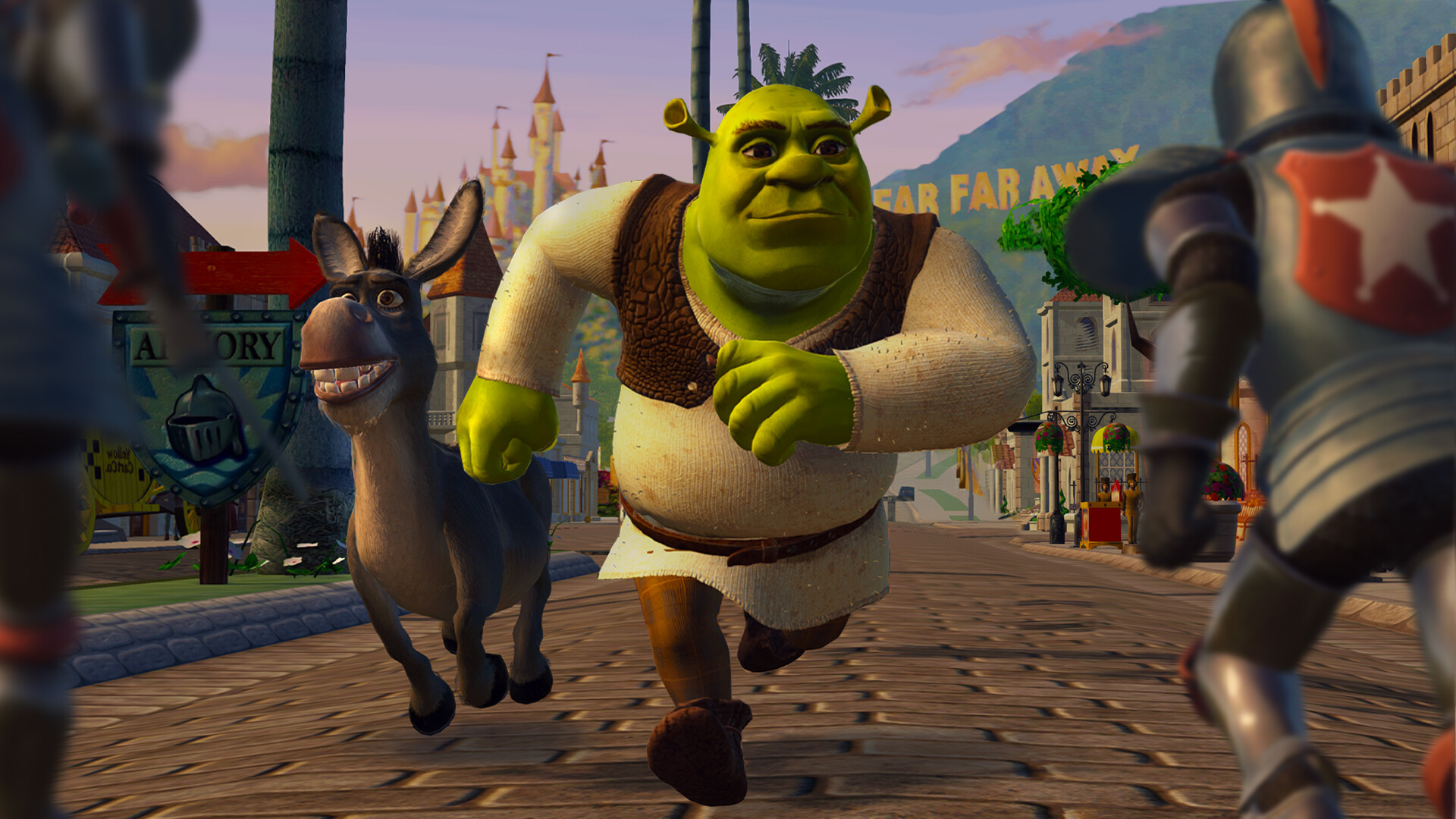
Game preservation advocates have increasingly praised the work done by studios like Aspyr. In an era where digital storefront licensing agreements frequently result in media delistings, bringing back an obscure licensed game from the sixth generation of consoles is a logistical victory. Securing the likeness, music, and intellectual property rights for a DreamWorks property two decades after its initial launch requires delicate legal negotiations that many publishers deem unworthy of the effort.
Furthermore, industry commentators have noted a refreshing cultural sentiment surrounding the announcement: the comforting realization that the original 2004 code was entirely the product of human hands, long before modern generative AI tools entered the commercial development pipeline. As industry veteran Shaun Prescott noted with tongue-in-cheek appreciation, "That Shrek 2 was released in 2004 does at least guarantee that humans made it." This human-centric craftsmanship serves as an accidental selling point for a generation of players fatigued by procedural generation and algorithmic homogenization in modern media.
Future Outlook
As Shrek 2 Remastered prepares to cross the finish line on November 10, its trajectory will offer valuable market data regarding the commercial viability of tier-two licensed game remasters.
If the title performs well, it could open the floodgates for a wave of similar preservation projects targeting the PlayStation 2 and Xbox eras—a library of games that bridged the gap between retro pixel art and modern 3D polygons, yet remains largely inaccessible on current-generation hardware. Titles tied to early-2000s cinematic properties, long trapped on aging optical media or plagued by poor PC optimization, could find a second lease on life through dedicated preservation pipelines.
Ultimately, whether players dive into Far Far Away for the unadulterated irony, genuine childhood nostalgia, or simply as a lighthearted palate cleanser nine days before the gaming world shifts its collective gaze toward Grand Theft Auto 6, Shrek 2 Remastered proves that no piece of gaming history is too obscure to be rescued from the archives.