In an era dominated by hyper-curated feeds, high-definition ring lights, algorithmic "looksmaxxing" terminology, and the unsettling perfection of AI-generated digital models, a strange counter-movement is taking root across social media and global runways alike. Enter the "Victorian Ghost" aesthetic: a melancholic, low-maintenance, and delightfully unhinged beauty trend that rejects the grueling demands of the hyper-polished "clean girl" era.
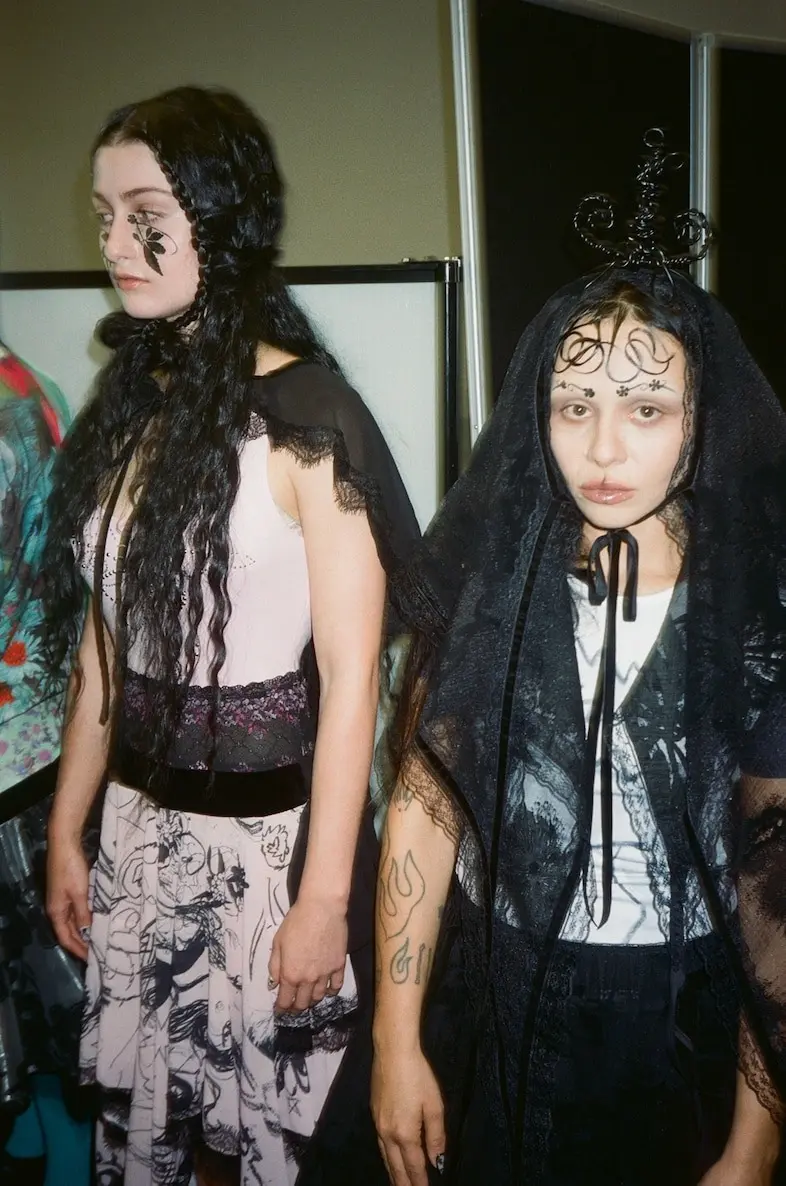
Characterized by sheer, pale complexions, low-slung historical blush, smudged brown eyeshadow that mimics exhaustion or sorrow, and unapologetically frizzy, unkempt hair, this trend offers a collective sigh of relief for a generation fatigued by impossible beauty standards. Far from a mere passing fad, the Victorian Ghost phenomenon represents a profound psychological and cultural rejection of modern techno-optimism. As consumers grapple with algorithmic fatigue and sky-high inflation, retreating into the romanticized gloom of the 19th century has become the ultimate form of escapism. This feature explores the anatomy of the trend, its historical lineage, its runway dominance, and what this anti-perfectionist shift reveals about our relationship with beauty in the mid-2020s.
Detailed Chronology: The Rise of the Anti-Algorithm Aesthetic
To understand how contemporary beauty culture pivoted from the poreless perfection of the early 2020s to the sepia-toned gloom of the 19th-century underworld, we must trace the timeline of aesthetic burnout.
Phase 1: The Breaking Point of Modern Perfection (2022–2024)
For years, social media algorithms pushed an unattainable aesthetic benchmark. Termed the "clean girl" look, it demanded slicked-back buns, neutral palettes, glass skin, and a rigorous, multi-step skincare regimen. Concurrently, the terrifying rise of "looksmaxxing"—a subculture obsessed with maximizing facial symmetry, jawline angles, and "midface ratios"—infiltrated feeds via Instagram Reels and TikTok. Beauty ceased to be a creative outlet; it became an unforgiving mathematical equation.
As artificial intelligence began generating inhumanly flawless models that distorted everyday perceptions of reality, internet users hit a collective psychological wall. The financial and emotional cost of chasing an algorithmically approved face proved unsustainable.
Phase 2: The Digital Subversion and the Birth of the "Anti-iPhone Face" (Late 2024–2025)
The pushback began in the digital underground. Beauty creators and self-proclaimed internet "weird girls" began experimenting with historical makeup techniques. Content series like Ali Ambrose’s viral "anti-iPhone face make-up" captured the zeitgeist, encouraging users to tear down modern application rules.
Instead of contouring cheekbones to look sharper or lifting the face upward, creators started applying blush to the center and lower parts of their cheeks—a nod to historical preferences for plump, youthful faces. They swapped heavy foundations for sheer, translucent bases a shade too light, and dusted subtle brown eyeshadow under the eyes to deliberately evoke the look of someone who has spent centuries wandering the halls of an abandoned estate.
Phase 3: Runway Codification and SS27 Adoption (2026–Present)
What started as a coping mechanism for terminally online Zoomers and Millennials quickly spilled over into high fashion. During the Spring/Summer ready-to-wear collections, major houses cemented the Victorian Ghost as a legitimate high-fashion movement.
Designers like Anna Sui channeled a 1970s Victorian Revival, merging bohemian silhouettes with ghostly pallor. Yuhan Wang and Chopova Lowena sent models down the runway with long, flowing, delightfully frizzy hair, dedicating collections to witches, nymphs, and ghouls. Most notably, Bora Aksu fully embraced the aesthetic, draping models in white lace and pairing fresh, bare faces with sharply flushed, windswept cheeks.
Supporting Context & Metrics: Why We Are Craving the Ghoul Life
The rapid ascent of the Victorian Ghost trend is backed by shifting consumer behaviors, economic realities, and a deep-seated cultural longing for tactile, analog experiences.
1. The Economics of Burnout
Maintaining the "clean girl" aesthetic was expensive. It required specialized laminating gels, expensive peptide lip treatments, and endless trial-and-error with pore-blurring primers. Conversely, the Victorian Ghost movement is inherently recession-friendly.
- Low Maintenance, Low Cost: By leaning into natural features, growing out hair to unruly lengths, and minimizing product consumption, consumers are saving money.
- The Long Hair Boom: Market data indicates a significant rise in the popularity of dramatically long hair for 2026. Beyond its vintage mystique, long hair requires fewer frequent salon cuts—appealing to inflation-weary shoppers—and conveniently serves double-duty as a natural insulator against cold winter weather.
2. Rejecting the Techno-Dystopia
We are living through an unprecedented wave of technological alienation. From deepfakes and AI-generated influencers to relentless productivity tracking, the digital world feels increasingly sterile.
The Victorian Ghost offers an antidote: tactile melancholia. By dressing like a mourning widow or a romanticized literary specter, individuals reclaim a sense of mystery. It is a subculture built on the philosophy that if the present is an unyielding, high-definition digital panopticon, we would rather haunt the past.
3. Hair as a Rebellion Against Sleekness
The hair trends mirroring this movement—such as Zendaya’s brushed-out, poofy curls seen at the Spider-Man: Brand New Day press events, or the "librarian-cool frizz" popularized by Miu Miu—signify a direct rebellion against the tyranny of the flat iron and the slicked-back pony. Unruly, voluminous, and slightly wild hair evokes the raw, unscripted energy of classic cinematic icons like Carol Kane, serving as a physical manifestation of untamed freedom.
Historical Lineage: A Century of Haunting
While the 2020s iteration of the Victorian Ghost is fueled by anti-algorithm sentiment, the fascination with 19th-century aesthetics is far from new. Pop culture has historically turned to Victorian tropes whenever society experiences a period of rapid modernization or disillusionment.
- The 1960s Biba Girl: Mary Quant and the iconic Biba boutique in London introduced a moody, nostalgic aesthetic characterized by pale skin, dark eyes, and a stark rejection of postwar conservatism, drawing heavily on Art Nouveau and Victorian influences.
- The 1970s Victorian Revival: As the radical optimism of the late ’60s faded into economic uncertainty, fashion pivoted toward high-necked lace collars, flowing skirts, and romanticized historical melancholy.
- The 1980s Goth Subculture: Emerging from the post-punk ashes, pioneers like Siouxsie Sioux weaponized theatrical makeup, stark white face powder, and dark, dramatic eyes to forge a protective armor against Thatcherite Britain.
- The 2010s Steampunk Era: Though often derided for its hyper-literal interpretation of gears and goggles, Steampunk represented an earlier millennial attempt to escape the sleek, minimalist dawn of the smartphone age by retreating into Victorian-era fantasy.
The 2020s version differs primarily in its casualness. It is less about dressing in full historical costume for an underground club and more about incorporating subtle, haunting elements into everyday life—a ghostly flush here, a frayed curl there—as a quiet protest against digital perfection.
Future Outlook: Where Goes the Ghoul?
As we look toward the remainder of the decade, the Victorian Ghost movement is positioned to evolve from an internet subculture into a lasting design philosophy.
The Permanent Shift Toward "Anti-Perfection"
Beauty brands are already beginning to notice the shift. While the market will always harbor consumers seeking high-performance cosmetics, the explosive growth of "anti-perfection" content suggests that brands must start catering to consumers who want their makeup to look lived-in, flawed, and human. Expect to see a decline in pore-erasing filters in marketing campaigns, replaced by textures that celebrate natural skin variance, subtle asymmetry, and historical romance.
Seasonal Escapism and Cozy Nihilism
As winters become culturally and environmentally synonymous with economic anxiety and screen fatigue, the fantasy of "haunting your own home" provides psychological comfort. The aesthetic encourages a form of cozy nihilism: instead of striving to be a hyper-productive corporate asset or a flawless digital avatar, you are invited to romanticize being a quiet, wandering spirit wrapped in layers of vintage lace and thick, unbrushed curls.
Ultimately, the Victorian Ghost trend reminds us that beauty does not have to be a high-stakes competition against an algorithm. Sometimes, the most liberating thing you can do is throw away your pore-blurring primer, step back from the ring light, and embrace your inner weird haunting girl.