Shopping for a reliable PC gaming chair often feels like navigating a minefield of over-priced branding and generic internet knock-offs. For players attempting to balance posture protection with financial restraint, the market is littered with cheap options that promise executive-level comfort but frequently deliver back pain within a matter of weeks. Enter the Boulies EP200 (frequently referenced in testing interchangeably as the LP200), a mesh-backed contender priced aggressively around $209 USD on sale.
Positioned as a budget-friendly stealth office chair that visually borrows cues from high-end ergonomic staples like Herman Miller, the EP200 attempts to bridge the gap between affordability and baseline physical support. While it misses a few advanced steps in its engineering—most notably in limited directional adjustments and strict sizing constraints—it delivers an unexpectedly robust foundation for basic comfort. For the average-sized user working with a strict $200 budget, stretching the wallet by an extra ten dollars for this model yields dividends that punch well above its price class. However, taller users and those with bespoke postural needs will find that economy comes with compromises.
Detailed Chronology: Unboxing, Assembly, and Initial Impressions
Evaluating any budget hardware requires tracking the user journey from the moment the delivery truck arrives to the hundredth hour spent sitting at the desk. The initial encounter with the Boulies EP200 starts unceremoniously, arriving in sparse, utilitarian brown cardboard packaging. Given the price point, this cost-saving measure on presentation is entirely forgivable, shifting focus entirely to the contents within.
Setup and Aesthetics
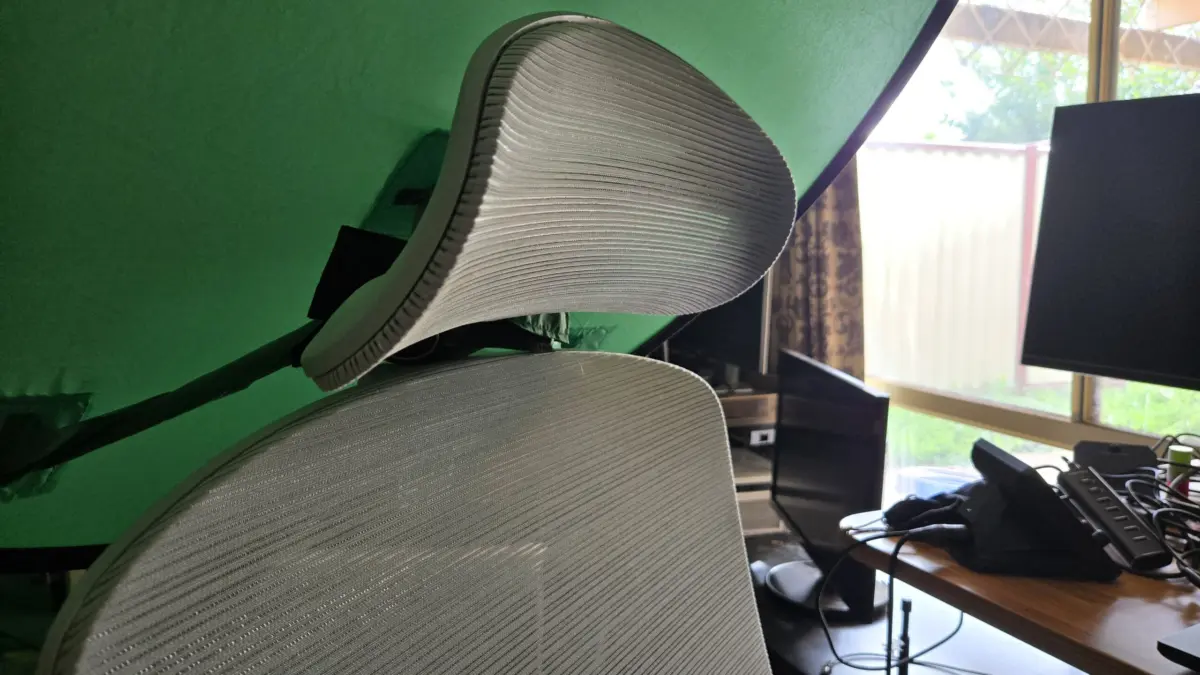
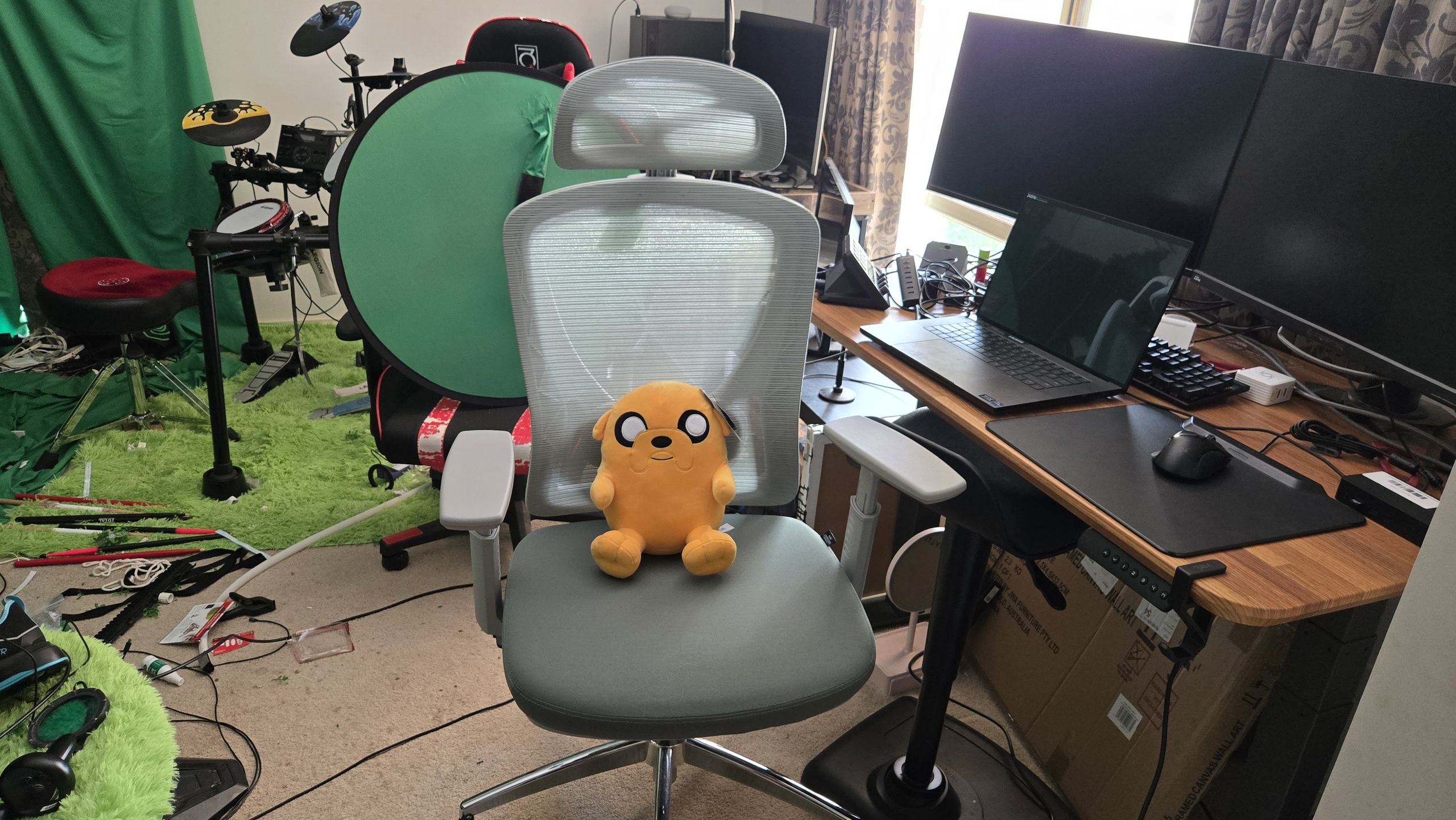
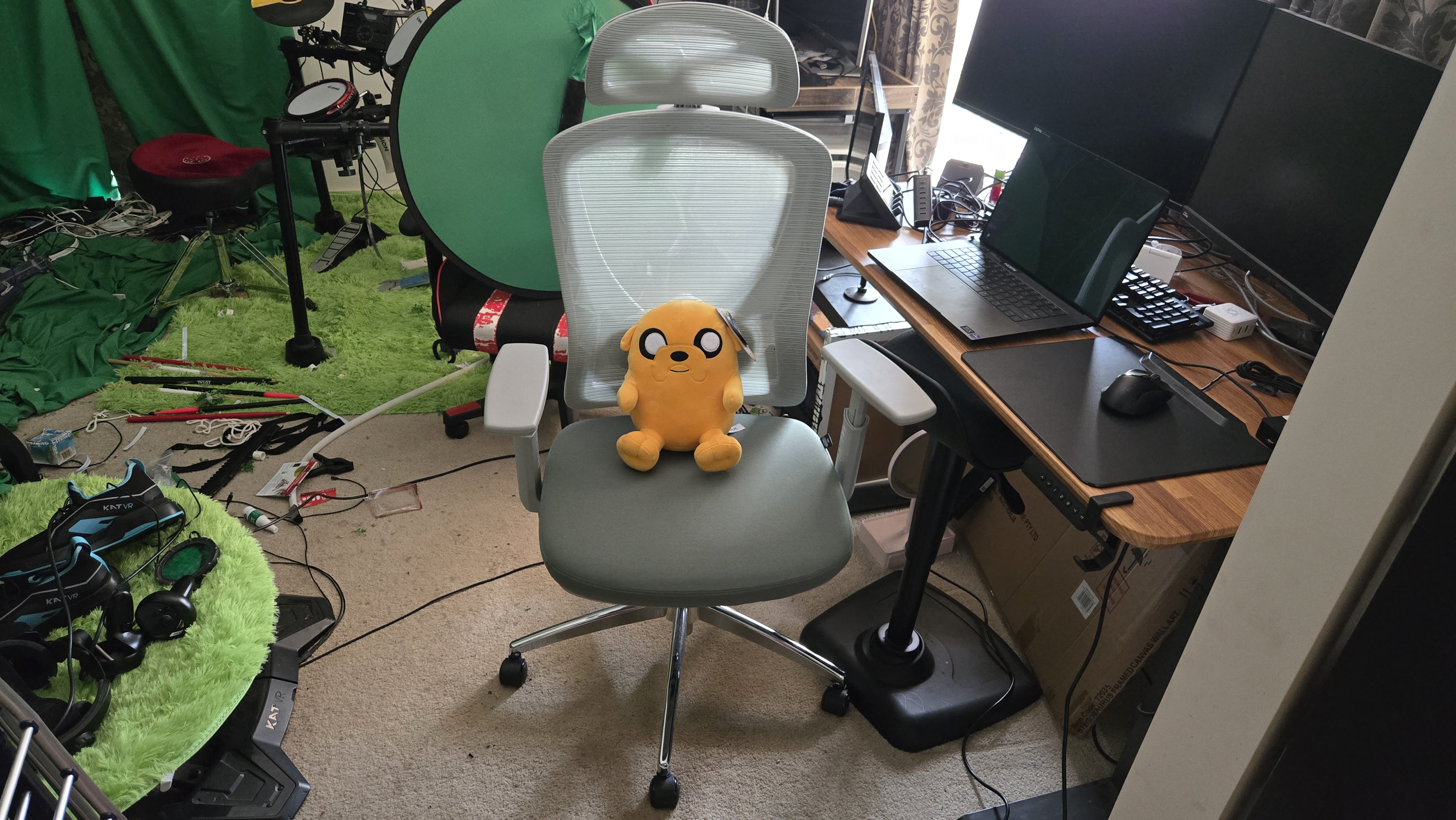
The assembly process follows a standard, friction-free trajectory typical of modern computer furniture. Clear instructions guide the user through bolting the metal frame, attaching the pneumatic lift, and securing the armrests. Once fully assembled, the resulting piece presents a sleek, "office-chic" aesthetic. Featuring an all-over light grey color palette and breathable mesh construction, the chair easily masquerades as professional office seating. For gamers who prefer a stealth setup over the aggressive racing-car styling that dominates the industry, the EP200 is a welcome visual relief.
The Durability Quandary
Initial excitement was tempered during unboxing by a minor quality-control defect: a slight perforation in the rear mesh fabric. Roughly the size of a pen head, the puncture sparked immediate concern regarding long-term structural integrity. Under the constant tension of a leaning backrest, minor wounds in mesh fabrics typically ladder and tear over time.
However, ongoing testing revealed a surprising resilience. Despite regular daily use and pressure against the backrest, the puncture refused to expand. While this serves as a positive nod toward the underlying durability of Boulies’ mesh material, it highlights a persistent issue in budget manufacturing tolerances—unit consistency can be a gamble, and consumers would undoubtedly prefer receiving pristine items out of the box.
Supporting Context & Metrics: Engineering, Ergonomics, and Adjustability
The true test of an ergonomic chair lies in its range of motion and how well it adapts to the human body. The Boulies EP200 offers a mixed bag of mechanical choices, featuring some highly functional adjustments alongside bafflingly restrictive design limitations.
Specifications at a Glance
- Materials: Premium fabric seat cushion, breathable mesh fabric backrest, reinforced metal frame.
- Lower Controls: Up/down pneumatic height adjustment; forward/backward sliding seat pan.
- Upper Controls: In/out lumbar support depth; multi-angle adjustable headrest; standard recline mechanism.
- Price Range: $209 – $299 USD (frequently discounted to the lower end).
The Mechanics of Movement
Examining what the EP200 can and cannot adjust reveals a peculiar engineering philosophy. The lower seat cushion can be pushed forward and backward, and raised or lowered relative to the floor, but it lacks a tilt mechanism. Conversely, the backrest can recline, though its range of motion stops short of a full flat lay.
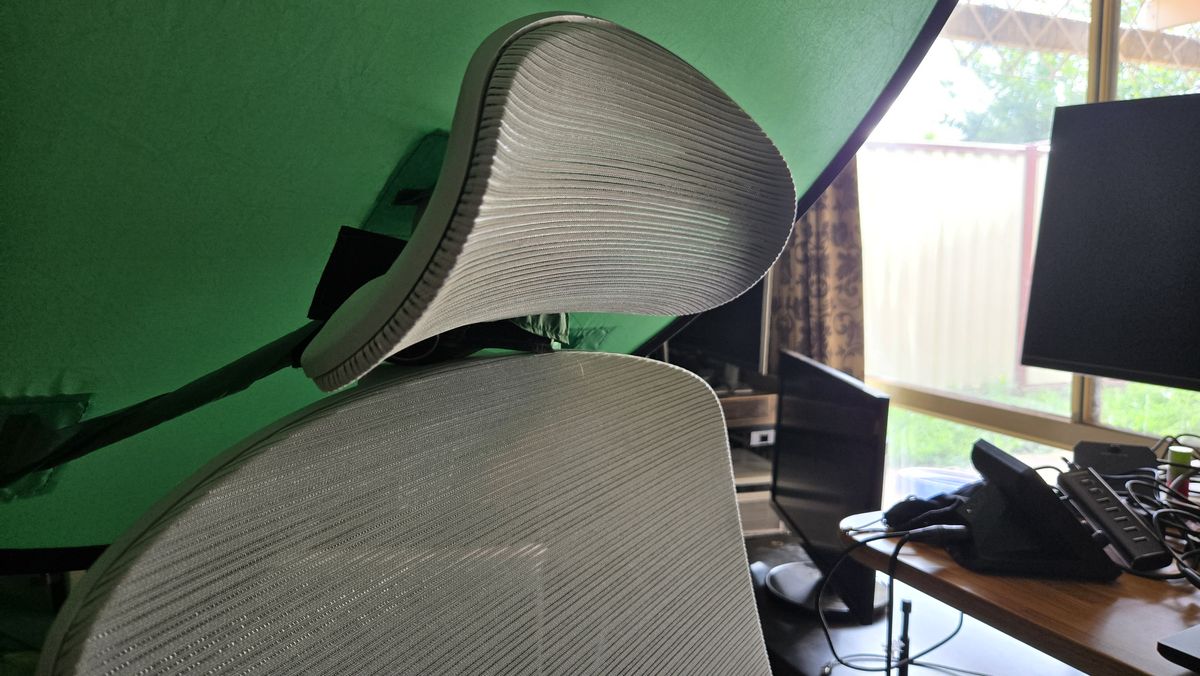
The headrest moves cleanly through various angles, and the armrests feature vertical lift to clear desk edges. Yet, the armrests frustratingly lack any pivot functionality—they remain rigidly locked in a single forward-facing orientation.
The lumbar support system presents the most significant design paradox. While the depth of the lumbar support can be adjusted inward and outward to press against the lower back, it cannot be adjusted vertically. Users are entirely at the mercy of the chair’s fixed height proportions; if the lumbar zone happens to align with the curve of your spine, it feels great. If it sits too high or too low, there is no mechanical way to correct it.
Physical Dimensions and Sizing Realities
During evaluations involving testers of varying statures, clear ergonomic boundaries emerged. For users of average height and build, the EP200 feels remarkably accommodating. The thickness of the seat cushion effectively absorbs pressure, preventing the sit-bone fatigue that plagues cheaper foam pads during multi-hour gaming sessions or live-streaming marathons. The sliding seat pan even accommodates alternative sitting postures, making it easy to tuck a leg underneath oneself.
Conversely, tall testers encountered immediate discomfort. Because the headrest and lumbar support are largely static in height, they failed to align with elongated spines. Lowering the bottom seat pad provided little relief for individuals whose legs and torsos required a larger overall frame. The chair is explicitly engineered for the statistical average, leaving out outliers at both ends of the height spectrum.
Official Statements and Testing Methodology
PC Gamer’s hardware evaluation process is built upon rigorous, hands-on testing protocols designed to strip away marketing hyperbole and reveal real-world performance. Experienced hardware reviewers spend dozens of hours interacting with review units under normal, high-stress conditions—ranging from intense competitive gaming matches and marathon streaming sessions to standard daily typing and productivity work.
While manufacturers like Boulies frequently promote their seating solutions as comprehensive ergonomic panaceas, testing reveals a more nuanced reality. In the budget tier, companies must make calculated compromises to hit aggressive retail price targets. Boulies successfully prioritized core structural stability, heavy-duty cushioning, and breathable materials, while cutting costs on complex multi-axis hardware mechanics.
Future Outlook: The Evolution of Budget Ergonomics
The success of the Boulies EP200 signals a broader, encouraging shift in the PC peripheral market. Historically, buyers faced a bleak dichotomy: spend upwards of $500 to $1,000 on premium ergonomic flagships from brands like Herman Miller or Steelcase, or gamble $150 on unbranded Amazon chairs destined to disintegrate within a year.
As manufacturing processes improve and direct-to-consumer supply chains mature, brands are increasingly able to deliver acceptable comfort to the sub-$250 tier. However, the future of budget ergonomics will likely continue to grapple with personalization. True ergonomics relies on adaptability; as users demand more customization—such as 4D pivoting armrests, dynamic sync-tilt mechanisms, and adjustable lumbar heights—manufacturers will face mounting pressure to incorporate these features without pricing themselves out of the budget bracket.
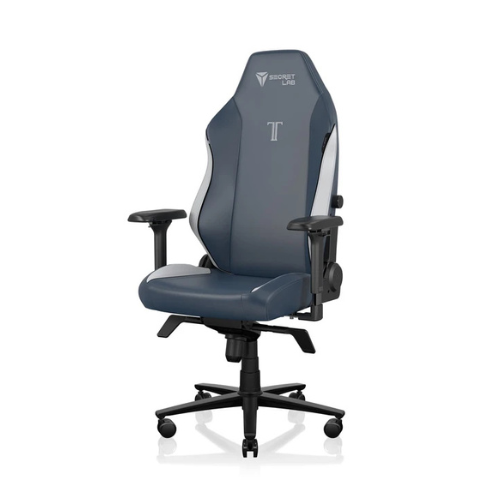
Until then, models like the Boulies EP200 serve as an effective stepping stone. They prove that baseline comfort and health-conscious posture support do not strictly require a luxury budget, provided the buyer falls within the "average" human dimensions and understands the mechanical limitations of economy manufacturing.